
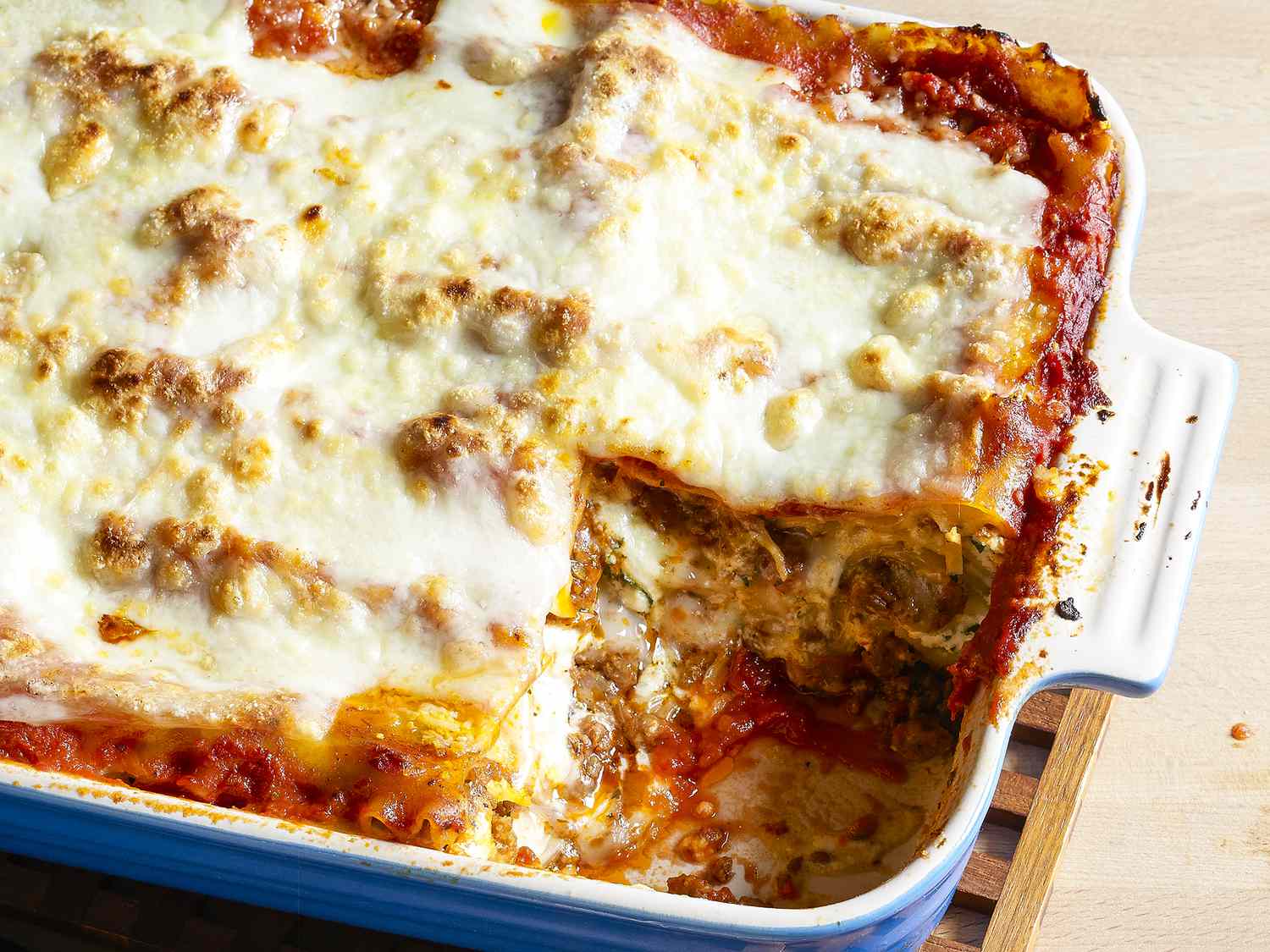
You made a big pan of lasagna, enjoyed it for a couple of nights, and now it has been sitting in the fridge for three days. The question is whether you can still freeze it — or whether you have already missed your window. The good news is that you have not missed it at all.
Yes, you can freeze 3-day-old lasagna, as long as it has been stored properly in the refrigerator the whole time. Properly stored cooked lasagna lasts 3 to 5 days in the refrigerator, so day three still falls within the safe window — provided you refrigerated it within two hours of cooking. Freezing it now extends its life significantly and keeps a ready-made meal in your back pocket for busy weeknights.
Can You Freeze Lasagna?
Lasagna is one of the best dishes to freeze, whether you are working with leftovers or planning ahead. It freezes and reheats well, and because the flavors are given more time to come together, reheated lasagna can actually taste better than a slice fresh out of the oven.
You can take one of two approaches when freezing lasagna: assemble and freeze it unbaked, or bake it first and then freeze it. Since your lasagna is already cooked, you are working with the second method — which works perfectly fine with the right technique.
Cooked lasagna dishes containing sauce freeze best; cooked lasagna noodles frozen without sauce may become overly mushy when thawed. If your lasagna has a generous amount of tomato or meat sauce, expect solid results after freezing.
Pro Tip: If you regularly make lasagna, consider assembling a second pan at the same time and freezing it unbaked. Unbaked frozen lasagna holds its texture better and gives you a meal that tastes freshly made.
Does Freezing Change the Texture or Taste of Lasagna?
Freezing does affect texture to some degree, especially with cooked lasagna. Freezing uncooked lasagna does not change the taste or consistency, but freezing cooked lasagna may result in a slightly overcooked and dry lasagna once reheated. The key factor is how much sauce your lasagna contains.
If the lasagna is made with abundant sauce, it will still be just as delicious when reheated. The layers of sauce prevent the lasagna from drying out when it is reheated. So if your recipe leans on the saucy side, you are in good shape.
Freezing and thawing cause the moisture in lasagna to form ice crystals. When the lasagna is refrozen, those ice crystals can cause the pasta to become mushy, the cheese to lose its creaminess, and the sauce to separate. This is why proper wrapping and a single freeze-thaw cycle matter so much.
Freezing lasagna with ricotta cheese is feasible. The texture of ricotta, once frozen and thawed, may slightly change, but it will remain tasty and safe for consumption. Mozzarella, parmesan, and ricotta all retain their texture and flavor well during freezing. Softer cheeses like feta or goat cheese may become watery or separate.
How to Freeze Lasagna the Right Way
Good freezing technique is what separates a lasagna that comes out tasting great from one that is dry, icy, or rubbery. Follow these steps for the best results.
- Make sure it is still safe to freeze. Properly stored cooked lasagna lasts 3 to 5 days in the refrigerator. If yours is at the three-day mark and has been kept in an airtight container below 40°F, go ahead and freeze it.
- Cool it completely before wrapping. Let the lasagna cool completely before placing it in the freezer. If you freeze lasagna while it is still hot or warm, condensation may form inside the packaging, leading to freezer burn or ice crystals on the surface. Since your lasagna is already refrigerator-cold, this step is done.
- Choose your format: whole pan or individual slices. If you are freezing a baked lasagna, you can cut it into individual servings first. Transfer the slices into freezer-safe food containers, or wrap the slices in plastic wrap and then foil, and store them in a freezer storage bag. Cutting your lasagna into portions before freezing maximizes convenience — it is easier to reheat a single portion than the entire pan.
- Wrap it tightly. Wrap the lasagna tightly in heavy-duty plastic wrap, aluminum foil, or store it in an airtight, freezer-safe container. The more airtight the storage, the better, as exposure to air increases the chances of freezer burn and deterioration of flavor.
- Double-wrap for extra protection. Double-wrapping before freezing is a smart move to protect lasagna from freezer burn and keep it fresh for longer periods. A layer of plastic wrap followed by a layer of foil is the standard approach.
- Label with the date. Labeling frozen lasagna is important for maintaining quality and safety. Write the freeze date to track how long the lasagna has been stored. You can also note the type of lasagna if you have multiple batches in the freezer.
Pro Tip: Place individual portions in a freezer-safe zip-top bag and lay it flat on the freezer surface. Once frozen solid, you can stack the bags upright, saving space. Freezing flat also allows for quicker and more even thawing later.
How Long Can You Freeze Lasagna?
If stored properly, lasagna can be frozen for up to three months. After three months, the lasagna will still be safe to eat, but the chances of it developing freezer burn will increase.
Lasagna can be safely frozen for up to 3 months, but for best results, it is advisable to consume it within 1 to 2 months. The difference between “safe” and “best quality” matters here — the dish stays food-safe beyond three months if kept at a constant 0°F, but the texture and flavor will gradually decline.
The freezer time for best quality is 2 to 3 months, but cooked lasagna that has been kept constantly frozen at 0°F will keep safe indefinitely. Aim to eat it within that two-to-three-month window for the most enjoyable result.
| Storage Method | Safe Duration | Best Quality Window |
|---|---|---|
| Refrigerator (below 40°F) | 3–5 days | Within 3 days |
| Freezer (at 0°F) | Indefinitely (if properly stored) | 2–3 months |
| Room temperature | 2 hours maximum | N/A — discard after 2 hours |
How to Thaw Frozen Lasagna
Thawing frozen lasagna correctly protects both food safety and texture. You have three options depending on how much time you have.
- Refrigerator thawing (best method): For the best quality, place the lasagna in the fridge for 24 hours. This method allows for even thawing and preserves texture. Cooked lasagna thawed in the fridge can be kept for an additional 3 to 4 days in the refrigerator before reheating.
- Bake from frozen (no thawing needed): To speed things up, you can thaw the frozen lasagna in the refrigerator overnight, then bring it to room temperature for about 30 minutes as the oven preheats. Bake unbaked lasagnas according to recipe instructions, and simply reheat pre-baked lasagnas in a 350°F oven until heated through, 30 minutes to 1 hour.
- Microwave thawing (quickest option): If you are short on time, you can thaw in the microwave, but be attentive to prevent cooking the edges. Lasagna thawed in the microwave or in cold water should be eaten immediately.
Important Note: Frozen lasagna should be discarded if left for more than 2 hours at room temperature, as bacteria grow rapidly at temperatures between 40°F and 140°F. Never thaw lasagna on the kitchen counter.
Can You Refreeze Lasagna After Thawing?
Technically yes, but it is not a practice worth making a habit of. If done properly, you can refreeze lasagna without major loss of quality. The process requires careful handling to maintain both food safety and the integrity of the dish.
Once lasagna is thawed, it enters a temperature zone that promotes bacterial growth, especially if left out at room temperature for too long. If you refreeze lasagna that has been improperly thawed or left out, it increases the risk of foodborne illness. The lasagna should never be refrozen if it has been left at room temperature for more than two hours.
To preserve quality and safety, it is best to only freeze lasagna once. While it is technically possible to refreeze it after reheating, doing so multiple times will likely lead to a less enjoyable meal due to the cumulative effect on texture and taste.
The smarter approach is to freeze lasagna in individual portions from the start. That way, you only thaw exactly what you need and never have to consider refreezing at all. For more ideas on plant-based meals that also store well, that resource is worth a look if you are planning a veggie lasagna variation.
How to Use Frozen Lasagna (Best Uses After Freezing)
Frozen lasagna is more versatile than simply reheating a plate. Here are the best ways to put it to use once it comes out of the freezer.
- Weeknight dinner straight from the freezer: Bake the foil-covered pan at 350°F for 1 to 1½ hours. Remove the foil and continue baking until hot, bubbly, and the internal temperature reaches 165°F, about 30 minutes more.
- Reheating individual slices in the oven: For individual portions, place them in an oven-safe dish, cover with foil, and heat for 20 to 30 minutes. Remove the foil in the last 10 minutes to allow the cheese to brown slightly.
- Quick microwave lunch: For a quicker option, the microwave works well, especially for individual servings. Place the lasagna on a microwave-safe plate and heat in 90-second intervals, checking the internal temperature until it reaches 165°F.
- Meal prep for the week: Thaw a full pan in the refrigerator overnight, portion it into containers, and you have lunches or dinners ready for several days. Pair it with a simple salad or roasted vegetables for a balanced plate.
- Gift a meal: If you are gifting lasagna to a friend, unbaked is the way to go — it will feel less like you are giving them leftovers. A frozen, fully assembled but unbaked lasagna is a thoughtful and practical gift.
If you enjoy cooking ahead and keeping nutritious meals on hand, you might also find these heart-healthy superfoods useful for rounding out your weekly meal planning.
Signs That Frozen Lasagna Has Gone Bad
Even in the freezer, lasagna can go bad — or at least decline past the point of being enjoyable. Here is what to look for before you reheat a batch.
- Freezer burn: If a frozen lasagna develops freezer burn, you can still reheat it, but the texture of the noodles and sauce may be affected. Look for dry, grayish-white patches on the surface. Minor freezer burn is safe to eat; severe freezer burn usually means the dish will taste noticeably off.
- Off smell after thawing: Some common traits of bad lasagna are a drying out of the noodles and then either the tomato sauce or the cheese will begin to have a sour smell. If anything smells sour or fermented after thawing, discard it.
- Unusual color or mold: Any visible mold growth — even a small spot — means the entire dish should go in the trash. Do not scoop around it.
- Watery or separated texture: Some separation of sauce is normal after freezing, but if the entire dish looks soupy, broken, or the cheese has turned greasy and grainy, the quality has degraded too far to be worth eating.
- It has been frozen too long: When properly stored, lasagna can be frozen for up to three months. While it may still be safe to eat past this time, the quality may deteriorate. If you find a pan buried in the back of your freezer with no date label, use your senses and err on the side of caution.
Important Note: When reheating, ensure the internal temperature reaches 165°F to kill any potential bacteria. A food thermometer is the only reliable way to confirm this — do not rely on visual cues alone.
Knowing how to store food safely applies to far more than lasagna. If you are interested in how diet connects to long-term health, this guide on nutrients and foods that fight cancer and this overview of fibroid-healing foods are worth reading alongside your meal-prep habits.
Frequently Asked Questions
Can you freeze lasagna that has already been reheated?
You can, but the quality will suffer significantly. Each freeze-thaw cycle degrades the texture of the noodles and cheese. If you have reheated a portion, eat it rather than refreezing it.
Is it better to freeze lasagna baked or unbaked?
For the best results, freeze lasagna after it has been assembled but before it has been baked. Freezing it this way helps maintain the lasagna’s cheese and noodle texture and prevents it from getting soggy. That said, if you have already baked your lasagna, it can still be frozen — just know the texture might be a little different than freshly baked.
Can you freeze store-bought lasagna after opening?
Commercially frozen lasagna typically carries a “Best By” or “Best Before” date, which is the manufacturer’s estimate of how long the lasagna will remain at peak quality — not a safety date. If you have cooked a store-bought lasagna and have leftovers, treat them the same as homemade: refrigerate within two hours and freeze within 3 to 5 days.
How do you keep frozen lasagna from drying out when reheated?
Preheat the oven to 375°F, cover the lasagna with aluminum foil, and bake for 1 hour for a full tray or 45 to 50 minutes for an individual portion. Remove the foil during the last 10 to 15 minutes to allow the top to brown. Adding a splash of water or extra sauce before covering it with foil also helps retain moisture.
Can you freeze vegetable lasagna?
A vegetable lasagna will stay fresh for longer compared to a lasagna with beef or chicken inside. Either way, it is best to eat it within three days to be safe — but yes, vegetable lasagna freezes well. Just be aware that watery vegetables like zucchini may release more liquid upon thawing. Squeeze out excess moisture from those ingredients before assembling if you plan to freeze.
What is the safest way to thaw frozen lasagna?
The best method is to transfer it from the freezer to the refrigerator and allow it to thaw overnight. This gradual thawing helps retain texture and flavor, allowing the cheese and sauce to maintain their creamy consistency. For a quick and balanced approach to healthy eating overall, explore this resource on foods that promote healthy skin and this guide to foods that support liver function — both tie into the same principle of choosing and storing quality ingredients.