Can You Freeze Pumpkin Guts? What You Need to Know Before You Try

October 22, 2026
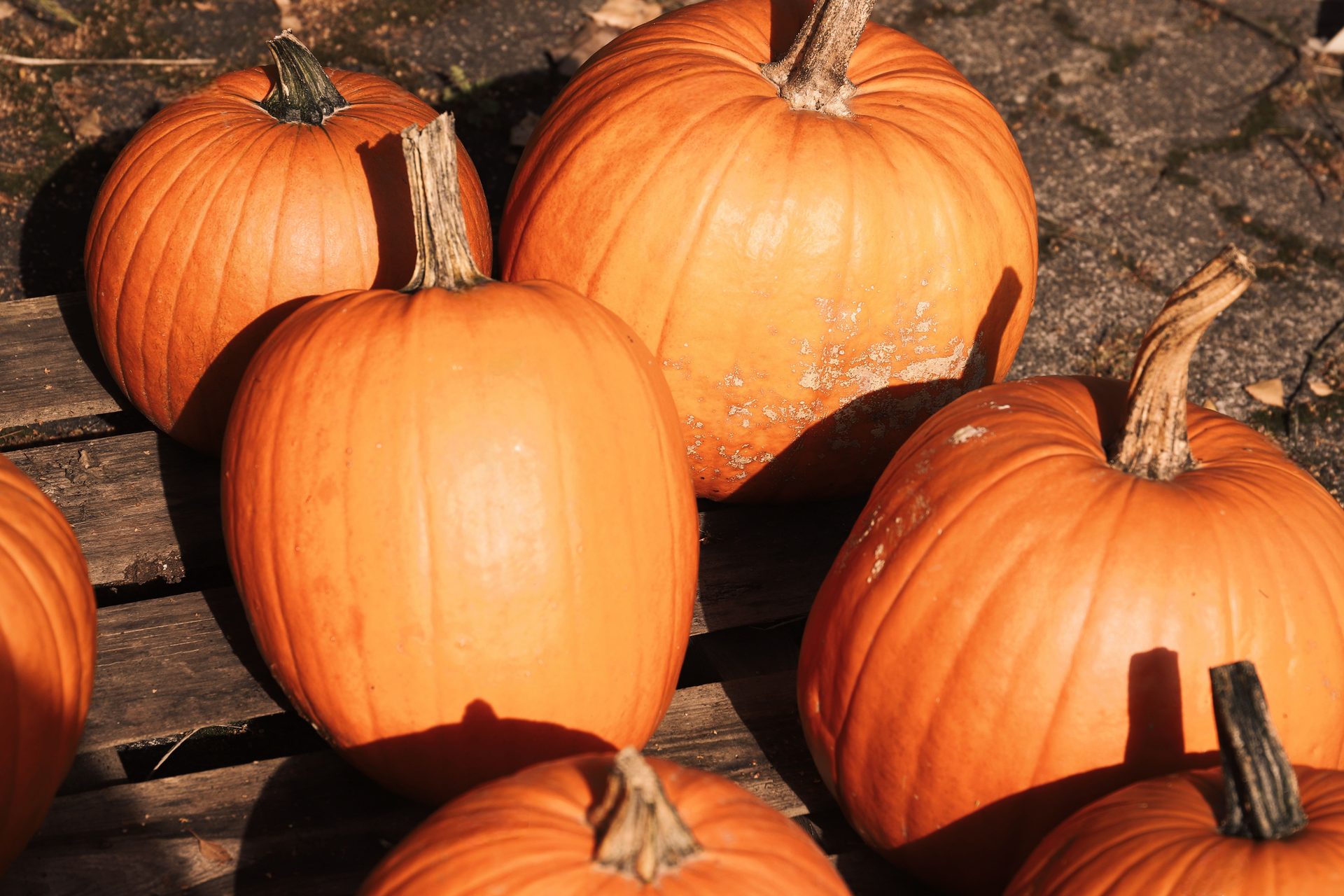
Every fall, millions of Americans scoop out pumpkin guts and toss them straight in the trash — but that stringy pulp and those slippery seeds are worth saving. Whether you carved a jack-o’-lantern, made a homemade pie, or harvested pumpkins from your garden, the insides of a pumpkin are absolutely freezer-friendly.
The short answer is yes: you can freeze pumpkin guts. The longer answer involves understanding what “pumpkin guts” actually means, how each component behaves in the freezer, and how to prep everything so nothing goes to waste. This guide walks you through the whole process from start to finish.
Can You Freeze Pumpkin Guts?
Pumpkin guts refer to two distinct things: the stringy fibrous membranes (the pulp or strands) and the seeds embedded within them. Known as the “guts” of the pumpkin, these stringy membranes sit between the seeds and the pumpkin flesh — and they’re often just scooped out and discarded. Both components can be frozen, but they require different handling.
The seeds are the easier of the two to freeze. They can be stored in the freezer for extended periods, and freezing preserves their flavor and nutrients for at least a year or more. Just store them in airtight, freezer-safe containers or resealable plastic bags before freezing.
The stringy pulp is a bit more involved. You can freeze it raw, but for the best results — especially if you want to use it in cooking — it helps to cook it down first. Steam the stringy pulp substance in a pot of water for at least 30 minutes, then use a food processor before bagging it up for the freeze. If you plan to use the pulp for vegetable stock, you can also freeze it raw and add it to a pot later.
Pro Tip: Separate the seeds from the stringy pulp before doing anything else. The two components freeze differently and are used in completely different ways.
Does Freezing Change the Texture or Taste of Pumpkin Guts?
Taste holds up well in the freezer, but texture is where you’ll notice a difference — particularly with the pulp. The water in the pumpkin cells expands when it freezes, which can break down the cell walls. When you thaw the pumpkin later, this can lead to a slightly softer texture and potentially a bit of a change in flavor — though it might not be super noticeable right away.
For the stringy pulp, this softening is actually fine. Since you’ll be using it in soups, stocks, or purees anyway, a softer texture after thawing is not a problem. The texture may slightly change after freezing, becoming a bit softer — but this is rarely an issue in baked goods and only noticeable in dishes where a firmer texture is desired.
Pumpkin seeds hold up much better. The quality and flavor of pumpkin seeds won’t be affected much while freezing. They aren’t similar to perishable items with a short shelf life, and everything remains intact with little chance of quality deterioration — as long as you keep moisture out.
If the pumpkin pulp is not stored properly — such as being exposed to air in the freezer — it can develop freezer burn, which makes the pumpkin taste dry and a bit off, losing that fresh, sweet pumpkin flavor. Airtight packaging is non-negotiable.
How to Freeze Pumpkin Guts the Right Way
The process differs slightly depending on whether you’re freezing the seeds or the stringy pulp. Here’s how to handle both.
Freezing Pumpkin Seeds
If you’re collecting seeds from a freshly opened pumpkin, rinse them to remove the pulp and spread them in a single layer on a clean, dry towel or baking sheet. Give them time to air-dry in a cool, well-ventilated area, stirring occasionally to dry them evenly. This step is important for avoiding mold formation and extending shelf life.
- Separate the seeds from the stringy pulp by hand or by soaking in water.
- Rinse the seeds thoroughly under cold running water to remove any remaining pulp residue.
- Spread them in a single layer on a baking sheet lined with parchment paper and let them air-dry completely — this can take one to two days.
- Freeze batches of seeds one by one inside the freezer to make sure they aren’t clumping up. After they are all frozen (about 20–30 minutes per batch), collect them and put them inside a freezer-safe zip-top bag or an airtight container.
- Label with the date and place in the freezer.
Freezing Pumpkin Pulp (Stringy Guts)
The stringy pulp can be frozen raw for use in stock, or cooked down first for easier use in recipes. According to the National Center for Home Food Preservation , you should select full-colored, mature pumpkin with fine texture, wash it, remove seeds, and cook until soft — in boiling water, steam, a pressure cooker, or an oven — then remove the pulp from the rind and mash it.
- Steam or boil the stringy pulp for at least 30 minutes until it softens.
- Drain excess water thoroughly.
- Blend or process it into a smooth puree if you plan to use it in baked goods or soups.
- Put about 2 cups of pumpkin puree in each freezer bag and label. Two cups is close to one can of store-bought pumpkin, so you can easily use each bag in exchange for a can in a recipe. Flatten out each bag as you lay it in the freezer so it freezes flat.
- Leave ½-inch headspace if using rigid containers to allow for expansion.
Pro Tip: Label your containers with the date and portion size, and use freezer-safe bags or containers to prevent freezer burn. Portioning in recipe-sized amounts (1 cup or 2 cups) saves you time later.
How Long Can You Freeze Pumpkin Guts?
Storage time varies between seeds and pulp, but both hold up well for months when packaged correctly.
| Component | Recommended Freezer Time | Notes |
|---|---|---|
| Raw pumpkin seeds | Up to 12 months | Must be fully dry before freezing; keep airtight |
| Roasted pumpkin seeds | 2–3 months | Best quality within the first few months |
| Pumpkin pulp (cooked/pureed) | Up to 12 months | Best flavor within 6–8 months |
| Pumpkin stock (from pulp) | 5–6 months | Freeze in sealed jars or bags |
Frozen pumpkin seeds can last for over 12 months inside your freezer, and if you store and handle them carefully, they can even last longer than a year.
For the pulp, a consistently cold freezer around 0°F (-18°C) is ideal. Fluctuations in temperature can speed up flavor changes. Generally speaking, if you store frozen pumpkin properly, you can expect it to maintain good flavor for about 6 to 8 months.
If you plan to use the pulp for vegetable stock, seal and refrigerate it (use within 4–5 days) or freeze it for up to 5–6 months.
How to Thaw Frozen Pumpkin Guts
How you thaw depends on what you’re thawing and how you plan to use it.
Thawing Pumpkin Seeds
Thawing your frozen pumpkin seeds depends on how you plan to eat them. If you plan to bake them, you can add them directly to your dish frozen — thawing isn’t needed. If you want to eat them as snacks, place them on your kitchen counter to come to room temperature for an hour or two.
When you’re ready to use your frozen pumpkin seeds, transfer them to the refrigerator and allow them to thaw overnight. If you’re in a hurry, you can spread them out on a clean kitchen towel at room temperature for a few hours.
Thawing Pumpkin Pulp
If you thaw pumpkin pulp too quickly — like in the microwave on high power — it can lead to uneven thawing and a loss of flavor. The best way to thaw frozen pumpkin is in the refrigerator overnight. This slow thawing process helps the pumpkin retain its moisture and flavor.
For optimal results, thaw the puree slowly in the refrigerator overnight, and consider draining any excess liquid before use. You may notice some water separation after thawing — this is normal. Just stir it back together or drain it off before adding the pulp to your recipe.
Pro Tip: If freezing pulp, portion the puree into recipe-sized amounts (such as 1-cup servings) for convenience, and label containers with the date to track freshness.
Can You Refreeze Pumpkin Guts After Thawing?
For the pulp, refreezing is not recommended. Avoid refreezing thawed puree, as this can degrade its consistency and taste. Each freeze-thaw cycle breaks down the cell structure further, making the texture increasingly watery and the flavor noticeably weaker.
Pumpkin seeds are a different story. Once you use the required number of pumpkin seeds for thawing, ensure that you put the remaining ones back into the freezer by sealing them properly. Seeds are more resilient than pulp and can generally handle being returned to the freezer without major quality loss, provided they haven’t been sitting out long enough to absorb moisture.
The safest approach for both is to portion everything before freezing so you only thaw exactly what you need. That way, refreezing never becomes an issue. This is especially practical for pulp — freezing in 1-cup or 2-cup portions means you pull out only what a recipe calls for.
How to Use Frozen Pumpkin Guts (Best Uses After Freezing)
Frozen pumpkin guts are more versatile than most people realize. Once you’ve thawed the pulp or seeds, there are plenty of ways to put them to work in the kitchen.
Using Frozen Pumpkin Pulp
Having frozen pumpkin puree readily available opens up a world of culinary possibilities. Beyond traditional pies and breads, consider adding it to smoothies for a nutritional boost, creating savory pumpkin soups, or even making pumpkin-infused pasta sauces.
- Pumpkin soup or stew: Thawed pulp blends directly into creamy soups with no extra prep needed.
- Pumpkin bread and muffins: Pumpkin bread is a classic way to use frozen pumpkin. You can also add nuts, cranberries, or even chocolate chips for extra flavor and texture.
- Pumpkin pie: Two cups of frozen pumpkin puree is close to one can of store-bought pumpkin, so you can easily use each bag in exchange for a can in a recipe.
- Vegetable stock: The pumpkin guts can be used as a vegetable stock for any of your cooking — just use them with other vegetables as if you were making a regular vegetable stock.
- Pumpkin pancakes or waffles: Stir thawed puree into your batter for a fall-flavored breakfast.
- Dog treats: Plain, unseasoned frozen pumpkin puree is a popular ingredient in homemade dog treats across the US.
For a deeper look at how nutrient-rich foods like pumpkin support overall wellness, see this guide to whole plant-based foods. Pumpkin flesh is also worth exploring for its role among superfoods for a healthy heart, since it contains potassium and beta-carotene.
Using Frozen Pumpkin Seeds
Frozen seeds can go straight from the freezer into the oven for roasting. Mix the seeds with oil and various spices such as oregano, paprika, thyme, chili, garlic, salt, and pepper, and spread them on a baking tray. Roast for 15 to 20 minutes.
Beyond roasting, frozen pumpkin seeds are a versatile ingredient in many dishes. Whether you’re adding them to a salad for a nutritious crunch or incorporating them into baked goods, they provide a healthy boost. You can also use them as a topping for soups, oatmeal, or yogurt bowls. Pumpkin seeds are known to be rich in nutrients that support good health and are worth keeping on hand year-round.
Signs That Frozen Pumpkin Guts Have Gone Bad
Even frozen food has a shelf life, and pumpkin guts are no exception. Here’s what to look for before using anything you’ve pulled from the freezer.
Signs the Pulp Has Gone Bad
- Off odor: Another sign of spoilage is an off odor. Pumpkin puree typically has a mild, earthy scent. If it smells sour, rancid, or unpleasantly sweet, discard it immediately.
- Unusual texture: If you notice the puree has become watery, lumpy, or unusually thick, that’s a red flag. This shift suggests bacterial growth or fermentation, both of which render the puree unsafe to eat.
- Visible mold: Any fuzzy growth — even small spots — means the entire container should be thrown out.
- Severe freezer burn: Gray, dried-out patches on the surface of the pulp indicate significant freezer burn. While not dangerous, the flavor will be noticeably degraded.
Signs the Seeds Have Gone Bad
- Rancid smell: If they smell rancid or have an off appearance, it’s best to discard them.
- Musty odor: Moist, moldy, or discolored pumpkin seeds should not be consumed. Musty-smelling seeds are an indicator of early mold growth, even if it is not visible. Any food that smells like mold or has a rancid smell should be thrown out.
- Bitter taste: If the seeds look and smell as expected, taste will be the final clue. If they are bitter or otherwise unpleasantly flavored, they are no longer good.
- Moisture damage: Moisture is your biggest enemy when trying to keep pumpkin seeds fresh. Even a very small amount of moisture will make the seeds soggy and moldy.
Important Note: Only freeze pumpkin guts from clean, rot-free pumpkins that haven’t been sitting out for extended periods. If your pumpkins are totally rot-free, haven’t been exposed to extreme temperatures, and are uncarved, there are plenty of delicious ways to turn most parts of a pumpkin into food. A carved jack-o’-lantern that’s been on the porch for two weeks is not a good candidate for freezing.
Frequently Asked Questions
Can You Freeze Raw Pumpkin Guts Without Cooking Them First?
Yes, you can freeze the stringy pulp raw, particularly if you plan to use it for making stock later. However, cooking it first produces better results for recipes like soups and baked goods. The seeds should always be rinsed, fully dried, and then frozen — no cooking required before freezing.
How Do You Separate Pumpkin Seeds From the Stringy Pulp?
Place the mass of pulp and seeds into a large bowl. Run water over them and use your hands to swish the seeds around, removing any strands of pulp. This will separate the seeds very easily. You can also use a large metal spoon to comb through the pulp, pulling seeds free before scooping out the remaining strands.
Can You Use Frozen Pumpkin Guts in Place of Canned Pumpkin?
Yes, you can substitute frozen pumpkin for fresh pumpkin in most recipes, including pies and soups. If you’ve processed the pulp into a smooth puree before freezing, it works as a direct swap for canned pumpkin. Just thaw it overnight in the refrigerator and drain off any excess liquid before measuring.
Do Pumpkin Seeds Need to Be Dried Before Freezing?
Yes, drying is essential. Dry the seeds completely, as any moisture can cause freezer burn or affect the texture once thawed. Spread them on a clean towel or parchment-lined baking sheet and let them air-dry for at least 24 hours before freezing. Skipping this step is the most common reason seeds go bad in the freezer.
Can You Freeze Pumpkin Stock Made From the Guts?
Absolutely. Boil the stringy pulp for about 30 minutes or until the water begins to change color, then strain and use in your favorite soups, stews, or freeze for later. Pumpkin stock freezes well for up to 5–6 months in airtight containers or freezer bags.
Is Jack-o’-Lantern Pumpkin Gut Safe to Freeze and Eat?
It depends on the condition of the pumpkin. Although all pumpkins are edible, some are better than others. Fresh pie pumpkins, often called sugar pumpkins, have a thick, dense flesh that’s really tender and flavorful. Larger jack-o’-lantern pumpkins tend to be very bland. As long as the pumpkin hasn’t started to rot or been sitting out long enough to develop mold, the guts are safe to freeze and use in cooking — just expect a milder flavor than you’d get from a sugar pumpkin.