Can You Freeze Leftover Pesto? Everything You Need to Know

October 22, 2026
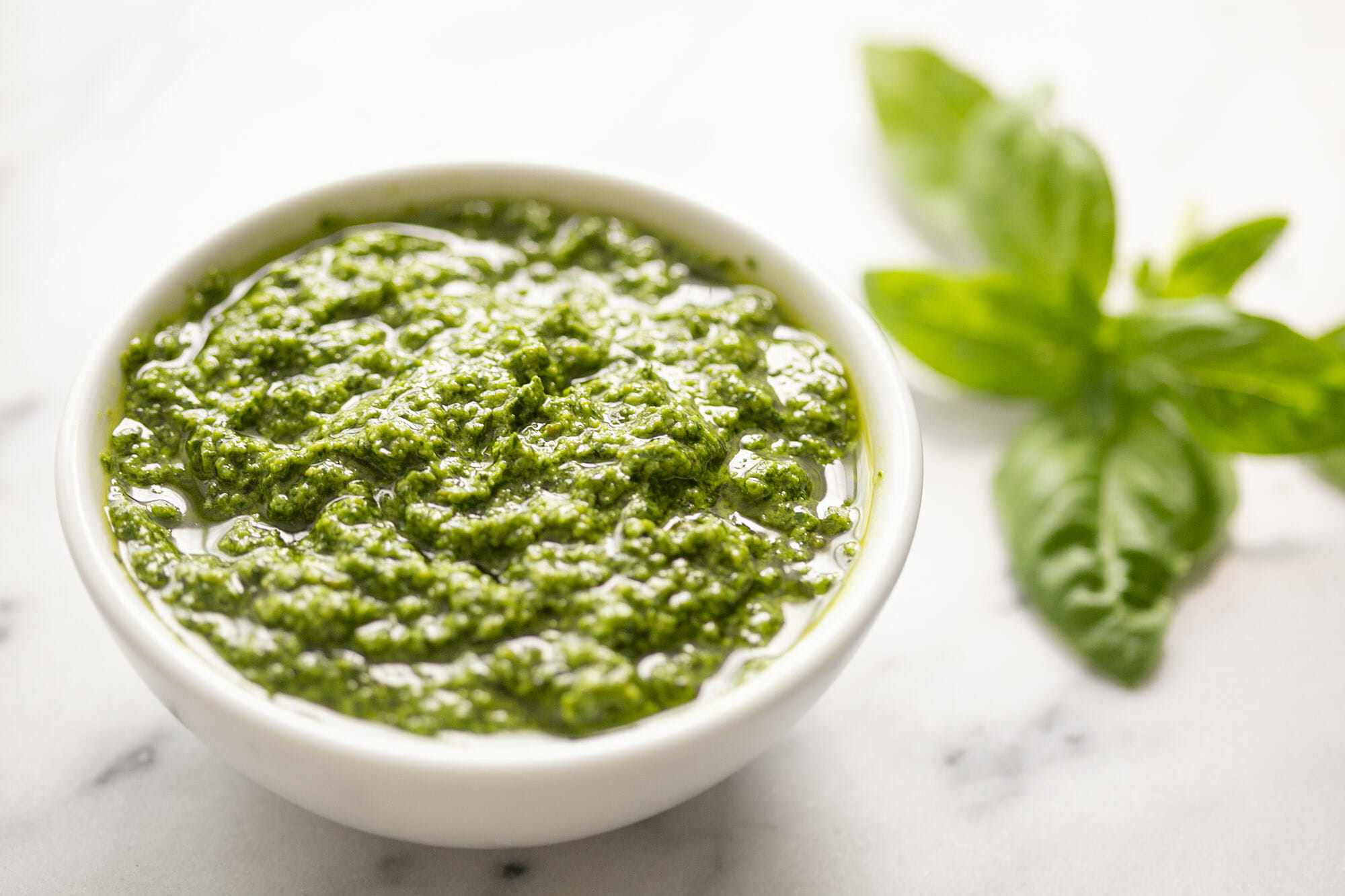
If you made a big batch of pesto and can’t use it all before it turns, the freezer is your best friend. Pesto is one of the most freezer-friendly sauces in the kitchen, and with the right technique, you can pull it out months later and have it taste almost exactly like the day you made it.
Whether you’re working with a classic basil pesto or a modern kale or arugula variation, the same core principles apply. This guide walks you through everything — how freezing affects the texture and taste, the best methods for storing it, how long it keeps, and what to do once it’s thawed.
Can You Freeze Pesto?
Yes, pesto freezes well for up to 6 months when stored properly in airtight containers or ice cube trays. This applies to both homemade and store-bought varieties, though there are a few small differences worth knowing about.
Pesto is a traditional Italian sauce typically made from fresh basil leaves, garlic, pine nuts, Parmesan cheese, and extra-virgin olive oil. Because it’s oil-based rather than water-based, it handles freezing better than many other fresh sauces.
Classic basil pesto, kale or spinach pesto, red pepper or sun-dried tomato pesto, broccoli, arugula, or beet pestos, and pesto with cheese or nuts can all be frozen — with a few precautions. The method is largely the same across varieties, with a few ingredient-specific notes covered below.
Pro Tip: If you grow basil at home, freeze a large batch at peak summer harvest. You’ll have ready-to-use pesto portions all the way through winter without any of the work of making it from scratch each time.
Does Freezing Change the Texture or Taste of Pesto?
Freezing does cause a few physical changes in pesto, but none of them should stop you from doing it. Knowing what to expect makes the results much less surprising when you thaw a batch.
When pesto hits freezing temperatures, its cellular structure begins transforming. Basil leaves contain delicate cell walls that rupture when frozen, releasing enzymes that cause characteristic darkening — but this isn’t spoilage. It’s simply chlorophyll breaking down.
The oil separates because fats and water in the emulsion have different freezing points, with olive oil solidifying around 37°F/3°C while water forms ice crystals. Once thawed, a quick stir or whisk brings it back together.
On the flavor side, the news is better. The texture may change slightly, but the flavor remains vibrant if you cover the surface with olive oil to prevent oxidation. The key is using high-quality ingredients from the start, as cheaper oils or older basil can degrade faster.
There’s also a difference between homemade and store-bought. Store-bought pesto often contains stabilizers like xanthan gum that can break down during freezing, leading to watery separation. In contrast, traditional recipes with just basil, oil, cheese, nuts, and garlic actually become more stable when frozen because their natural components form a more cohesive emulsion when thawed and stirred.
If you’re worried about cheese texture, cheese can change texture when frozen, especially Parmigiano or Pecorino. To preserve ultimate smoothness, you can omit cheese when freezing and stir in fresh before serving — or leave it in and use the pesto in cooked dishes like pasta or pizza where slight separation won’t matter.
How to Freeze Pesto the Right Way
There are three reliable methods for freezing pesto, and the best one depends on how much you have and how you plan to use it. All three share one non-negotiable step: pesto can be frozen for 3–6 months when packaged properly, and the key is removing as much air as possible and using freezer-safe containers or bags.
Method 1: Ice Cube Tray (Best for Most People)
This is the most practical method for anyone who makes a large batch. Spoon the pesto into a standard ice cube tray — each cavity holds roughly one tablespoon, which is a practical single-serving amount for topping a bowl of soup, finishing a piece of fish, or stirring into a small portion of pasta.
- Spoon pesto into a clean ice cube tray and tap the tray to eliminate air pockets.
- Press the pesto down to eliminate air pockets, then drizzle a thin layer of olive oil over the surface of each cube. That oil layer acts as a barrier against oxidation and keeps the color significantly better.
- Cover the tray with plastic wrap or foil and freeze for 3–4 hours until solid.
- Freeze overnight uncovered, then pop the cubes out and transfer them to a resealable freezer bag. Label it with the date. You can grab one or two cubes at a time without disturbing the rest.
Method 2: Freezer-Safe Jars or Containers (Best for Larger Portions)
For larger portions — say, enough for a full pound of pasta — use freezer-safe glass jars or rigid plastic containers in the 4 to 8 ounce range. Leave at least half an inch of headspace at the top, because pesto expands slightly when frozen. Drizzle olive oil over the surface before sealing.
Watch out for glass breakage from freezer expansion — only use jars labeled freezer-safe. Wide-mouth mason jars work well and make scooping easy once thawed.
Method 3: Flat Freezer Bag (Best for Quick Thawing)
Spread pesto in a thin, even layer inside a zip-lock freezer bag, press out as much air as possible, and lay it flat to freeze. Whenever you need pesto, you can pull out the bag and break off as much or as little as you need. The pesto defrosts very quickly since it’s a thin sheet.
Pro Tip: No matter which method you use, always label your container with the date and the type of pesto. Basil, kale, and arugula pestos can look nearly identical once frozen, and you’ll want to know how long it’s been in there.
How Long Can You Freeze Pesto?
In general, you can freeze homemade basil pesto for up to 6 months. This timeframe can be influenced by the conditions in your freezer. Consistent freezer temperatures and airtight packaging make the biggest difference.
For best flavor, most sources align on a similar window. Pesto keeps for 3–6 months for best flavor; after 6 months, pesto is still safe but may lose brightness and aroma. Some home cooks report good results beyond that mark when packaging is excellent, but the 3–6 month window is the standard recommendation for peak quality.
For refrigerator storage without freezing, the shelf life is much shorter. Following proper storage guidelines, pesto can typically last in your fridge for up to 5–7 days. That’s why freezing makes so much sense when you’ve made more than you can use in a week.
| Storage Method | Estimated Shelf Life | Best For |
|---|---|---|
| Refrigerator (airtight) | 5–7 days | Immediate use within the week |
| Freezer (ice cube tray + bag) | 3–6 months (best quality) | Single-serving portions |
| Freezer (jar or container) | Up to 6 months | Larger batch use |
| Freezer (flat bag) | Up to 6 months | Quick thawing, flexible portions |
How to Thaw Frozen Pesto
Thawing pesto correctly matters almost as much as freezing it correctly. The goal is a slow, gentle process that keeps the emulsion together and preserves flavor.
Transfer the needed amount of pesto from the freezer to the refrigerator the night before you plan to use it. This allows for a slow and gentle thawing process. For ice cube portions, this typically takes 1–2 hours in the fridge rather than overnight.
If you’re adding pesto to a hot dish, you can skip thawing entirely. Add frozen pesto cubes directly to hot pasta, soups, or sauces — they melt in seconds. This is one of the biggest advantages of the ice cube method.
It’s best to defrost pesto slowly in the refrigerator. Defrosting in the microwave can result in a weird consistency. If you’re in a rush and must use a microwave, use the defrost setting in short 10-second bursts and stop as soon as it softens.
Once thawed, stir the pesto to recombine any separated oils and ingredients. Thawed pesto should be used within a day or two for optimal freshness and flavor.
If the thawed pesto looks a little dull, a splash of fresh lemon juice or extra virgin olive oil will revive it. The acidity brightens flavors while the new oil helps re-emulsify any separated components.
Can You Refreeze Pesto After Thawing?
Technically, yes — but it’s not ideal. Refreezing is safe, but the color darkens further. Each freeze-thaw cycle also degrades the texture and aroma a bit more, so the pesto you refreeze will be noticeably different from the original.
The best way to avoid this situation entirely is to freeze pesto in single-use portions from the start. Freezing pesto in smaller amounts means you don’t thaw out any that you won’t use. Ice cube trays are ideal for this — pull out exactly what you need and leave the rest frozen and undisturbed.
If you’ve thawed a larger container and have leftovers, use them within one to two days rather than refreezing. Stir them into pasta, spread onto a sandwich, or use as a marinade to avoid waste. For more ideas on reducing food waste and getting the most from your ingredients, check out this guide on whole plant-based foods and how to store them effectively.
How to Use Frozen Pesto (Best Uses After Freezing)
Frozen pesto is one of the most versatile things you can keep on hand. While texture may change slightly after thawing, frozen pesto works well in cooked dishes and recipes. The slight change in consistency actually makes it cling better to pasta and blend more seamlessly into sauces.
Here are the best ways to put frozen pesto to work:
- Pasta: Stir into freshly cooked pasta with a splash of hot water to loosen the sauce and help it coat every strand evenly.
- Pizza: Spread thawed pesto as a base sauce instead of tomato — it pairs especially well with mozzarella, cherry tomatoes, and grilled chicken.
- Soups: Drop a cube into pasta water, melt one into soup, spread on pizza dough, or mix into scrambled eggs.
- Sandwiches and toast: Spread thawed pesto on crusty bread, grilled cheese, or as a condiment on wraps and paninis.
- Grain bowls and roasted vegetables: Drizzle over roasted broccoli, zucchini, or cauliflower, or toss into a farro or quinoa bowl.
- Marinades: Mix a cube or two into olive oil and lemon juice for a quick marinade for chicken, salmon, or shrimp before grilling.
- Salad dressings: Whisk a thawed tablespoon into a vinaigrette for an herby, garlicky twist.
Pesto pairs beautifully with seafood, too. If you enjoy using it as a marinade or finishing sauce for fish, you might find helpful context in this overview of the pros and cons of eating seafood and how to make the most of it in everyday cooking.
Pro Tip: Keep a bag of pesto cubes in your freezer alongside other flavor-builders like tomato paste cubes and herb oils. A single cube can transform a plain grain bowl, a bowl of soup, or a piece of grilled fish in under a minute.
Pesto is also a great way to add more plant-based nutrients to your meals. Basil, garlic, and olive oil all bring meaningful nutritional value to the table — something worth keeping in mind if you’re focused on eating for health. You can explore more about foods that promote healthy eyesight and how herb-rich sauces fit into a nutrient-dense diet.
Signs That Frozen Pesto Has Gone Bad
Frozen pesto that’s been stored correctly and used within 6 months is very unlikely to spoil. That said, it’s worth knowing what to look for before you use it, especially if a container has been in the back of the freezer for a while.
Discard your pesto if there’s any mold or other organic growth, if it has changed color from green to brown or black, or if it gives off a sharp or “funny” smell.
Here’s a quick breakdown of the warning signs:
- Color change: Fresh pesto typically has a vibrant green color. If your pesto has turned a brownish or dull green hue, it’s a sign of oxidation and potential spoilage. Note that slight darkening from freezing alone is normal — it’s the deep brown or black discoloration that signals a problem.
- Off smell: Any off or sour smell is a clear indicator that your pesto should not be consumed.
- Mold: Visible mold growth, which could appear as fuzzy or slimy spots, is a definitive sign that the pesto has gone bad.
- Taste: If you’re unsure, a small taste can confirm spoilage — but this should be a last resort and only if there are no visible signs of mold.
While mold growth is possible, it isn’t particularly common for pesto. This is because pesto contains quite a lot of oil, and oils and other high-fat products don’t easily grow mold. What’s much more likely to happen is that the whole sauce will turn brown or start to smell sour — and if either is the case, that pesto is done.
Oil separation after thawing is completely normal and not a sign of spoilage. Simply stir the pesto back together before using it. For more guidance on foods that support liver function, including the role of healthy fats like olive oil, that resource is worth a read.
Frequently Asked Questions
Can you freeze store-bought pesto?
Yes. Store-bought pesto often contains stabilizers like xanthan gum that can break down during freezing, leading to watery separation — so the texture after thawing may be slightly grainier than homemade. It’s still usable, especially in cooked dishes. Transfer it to a freezer-safe container, add a thin layer of olive oil on top, and freeze within a few days of opening.
Can you freeze pesto that has Parmesan in it?
Yes — the Parmesan does not cause any problems when freezing. Cheese can change texture when frozen, especially Parmigiano or Pecorino, but the difference is minor and mostly unnoticeable in cooked dishes like pasta or baked recipes.
How do you keep frozen pesto from turning brown?
To prevent that fresh green color from turning darker, top your pesto with a bit of oil to prevent air exposure. It’s worth noting that this isn’t strictly necessary — the flavor will be the same despite the color — but if you want to preserve that fresh pesto look, adding a bit of oil is the step to take.
Can you freeze pesto in a glass jar?
Yes, as long as you use a jar that is labeled freezer-safe. Always leave 1-inch headspace in glass containers to prevent cracking. Regular canning jars without a freezer-safe label can crack as the pesto expands during freezing.
How much pesto is in one ice cube?
Each cube is roughly 2 tablespoons, which is one serving. That’s typically enough for one portion of pasta, a bowl of soup, or a generous spread on a sandwich. Silicone trays make it easier to pop cubes out cleanly without cracking them.
What’s the best way to add frozen pesto to pasta?
You don’t need to thaw it first. Thaw pesto cubes in the fridge, or drop them directly into warm pasta, soups, or sauces — they’ll melt quickly with a little heat. Toss with a splash of reserved pasta water to loosen the sauce and help it coat the noodles evenly.
For more ideas on building flavorful, nourishing meals around ingredients like pesto, explore this guide to superfoods for a healthy heart — many of which pair naturally with herb-based sauces and olive oil.