Can You Freeze Avocados for Baby Food? What Parents Need to Know

October 22, 2026
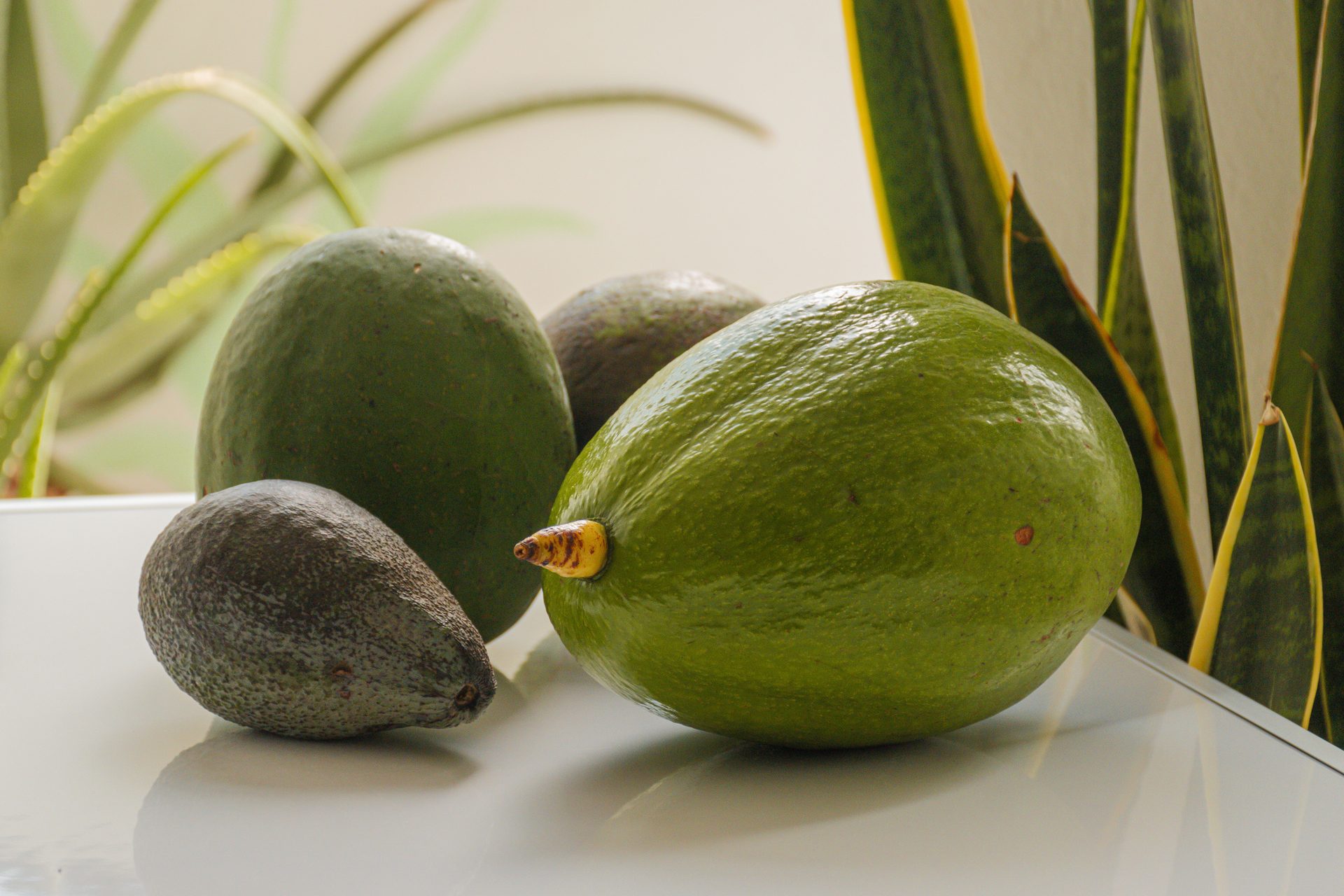
Avocado is one of the most popular first foods for babies in the United States — and for good reason. It contains 6 grams of unsaturated fats that help support infant brain and nervous system development, plus about 3 grams of fiber per 50-gram serving to support healthy digestion. The problem? A ripe avocado goes bad fast, and your baby will never eat a whole one in a single sitting.
That is where freezing comes in. If you have ever wondered whether you can freeze avocados for baby food, the short answer is yes — with a few things to keep in mind. This guide walks you through everything: texture changes, the right freezing method, storage timelines, thawing, and how to put that frozen puree to good use.
Can You Freeze Avocados for Baby Food?
The good news is that you can freeze avocado — and if you do not like eating avocado yourself, it is the perfect solution for using up the rest of what your baby does not finish. Freezing works best when the avocado is pureed or mashed rather than left in whole halves or large slices.
Avocado puree can be stored in the fridge for 3–4 days or in the freezer for up to 3 months. Keep in mind that open avocado will brown in the fridge, so freezing may be the best option. For busy parents making homemade baby food in batches, the freezer is a practical way to always have a nutritious serving ready to go.
Avocados are an ideal first food for babies due to their soft texture and mild flavor. Avocado is one of the easiest foods to prepare for homemade baby food because you do not have to cook it — avocados are served fresh from their peels, and there is no need to cook them for babies or adults.
Pro Tip: If you blend your avocado puree with breast milk or previously frozen formula, do not freeze it. Only freeze puree made with water, as refreezing thawed breast milk is not safe.
Does Freezing Change the Texture or Taste of Avocados?
Freezing does affect avocado — it is worth being upfront about that. The honest answer is that freezing changes avocado’s texture. Thawed avocado becomes watery and less creamy. That said, this is not a dealbreaker for baby food, where you are going to stir and thin the puree anyway.
The texture of avocado is affected by freezing, but the taste remains good. Water in the avocado naturally separates during freezing, but you can just stir it thoroughly and add a bit of fresh avocado or baby oatmeal to bring it back to a creamy consistency.
A better freezing strategy is to freeze avocado in combination with other foods. Avocado banana puree or avocado sweet potato mash freezes better than plain avocado because the other ingredients help mask texture changes. Mixing it with nutrient-dense foods also boosts the overall nutritional value of the puree.
Color change is also common. Light browning on avocado is safe for babies and does not indicate spoilage — the brown color results from oxidation, similar to a cut apple browning. A squeeze of lemon or lime juice before freezing helps slow this process, though you should make sure your baby has been allergy-tested for citrus before adding it.
How to Freeze Avocados the Right Way
Getting the method right makes a big difference in quality. The goal is to minimize air exposure, freeze in single-serving portions, and label everything so you know exactly what is in the freezer.
- Choose ripe avocados. Cutting an avocado is easy as long as it is ripe — they should slightly give to pressure and be slightly soft all over, but not too soft.
- Wash, halve, and pit. Wash avocados with soap and water or a fruit and vegetable wash, then peel and cut the fruit.
- Mash or puree. Foods like avocado only need mashing and can then be placed in ice cube trays to freeze. For a smoother result, use a blender or food processor with a splash of water.
- Add lemon or lime juice (optional). When cut, avocado flesh turns brown because of oxidation — oxygen breaching ruptured cell walls. Counteract the brown by adding an acidic substance, such as lemon or lime juice.
- Spoon into ice cube trays. Simply scoop the pureed avocado into the trays, place the lid on, and put it in the freezer. Once completely frozen, pop them out and store them in freezer bags labeled with the date made.
- Transfer and label. Once frozen, pop out the cubes and transfer them to a freezer-safe bag or airtight container. This method makes it easy to thaw just what you need.
Pro Tip: One ice cube is equal to about 1 tablespoon or 1 ounce of food — a helpful reference when measuring out serving sizes for younger babies.
How Long Can You Freeze Avocados for Baby Food?
Avocado puree can be frozen in an airtight container for up to 3 months. Most sources agree on this window for maintaining both safety and quality. Beyond that point, the puree may still be technically safe, but the texture and flavor will continue to degrade.
For the best results, most baby food experts recommend a shorter window. It will keep for a few months in the freezer, but using it within one month for baby food is recommended, before there has been any decline in its nutritional value.
| Storage Method | How Long It Lasts | Notes |
|---|---|---|
| Refrigerator | 2–3 days | Press plastic wrap directly onto the surface to slow browning |
| Freezer (quality) | Up to 1 month | Best texture and nutrition within this window |
| Freezer (safe limit) | Up to 3 months | Safe but texture and flavor may decline |
If you have used formula milk or breast milk to blend your puree, it is not suitable for freezing — only freeze it if you have used water to blend it with.
How to Thaw Frozen Avocados for Baby Food
Thawing avocado baby food is simple, and you have a few options depending on how much time you have. The best method is always slow and gentle — it helps preserve what is left of the creamy texture.
- Overnight in the fridge: Thaw frozen puree in the fridge the night before you want to use it. It thaws quickly if you are defrosting a small amount to serve to a baby.
- Warm water bath: Place the frozen cubes in a bowl set inside another bowl of warm water to gently defrost. This works well when you need a serving within 30 minutes.
- Microwave: You can also warm it slightly in the microwave, but test it with your finger to make sure it is not too hot before serving.
- Fridge transfer (12–24 hours): Put some cubes into the fridge for 12–24 hours to thaw. This is the most hands-off option.
Once thawed, give the puree a good stir. Stir in breast milk, formula, or a splash of water to adjust the texture before serving. This step is especially helpful since thawed avocado tends to separate slightly.
Important Note: Never thaw avocado baby food at room temperature for extended periods. Bacteria multiply rapidly between 40°F and 140°F, and baby food should always be thawed in the fridge, under cold running water, or in the microwave — not left out on the counter.
Can You Refreeze Avocados After Thawing?
No — you should not refreeze avocado baby food once it has been thawed. Each freeze-thaw cycle breaks down the cell structure further, making the texture even more watery and less palatable. More importantly, refreezing thawed food creates food safety risks for your baby.
The best way to avoid this situation is to freeze in single-serving portions from the start. Freezing in serving sizes means you can easily thaw a small amount at a time — this way you can have baby food for a month or more without waste.
If you thaw a cube and your baby does not finish it, discard the leftovers rather than putting them back in the freezer. Do not freeze avocado if you have mixed the puree with previously frozen breast milk, and do not try to freeze whole or sliced avocado if it is to be used in a recipe where a more solid texture is required.
How to Use Frozen Avocados for Baby Food (Best Uses After Freezing)
Thawed avocado puree is softer and more watery than fresh, but that actually makes it easier to mix into other foods. Here are the best ways to use it at different stages of your baby’s development.
Plain puree for first foods: When introducing avocado for the first time, make a plain avocado puree to get your baby used to the taste. This may take a while as avocados have a really distinct taste — feed your baby the pureed avocado mixed with water and see how she reacts.
Mixed purees: Once your baby gets used to the taste, start mixing the avocado with other fruits and veggies. Thawed avocado blends well with banana, sweet potato, pear, and peas. You can also explore avocado puree combinations that work for different stages.
Boosting other purees: Stir a thawed avocado cube into oatmeal, rice cereal, or another vegetable puree to add healthy fats without changing the flavor dramatically. This is a great way to support the kind of nutrient-dense eating that sets a strong foundation early.
For older babies and toddlers: Spread the avocado on toast or add it to a smoothie, pasta, or even muffins — it is a versatile base that works just as well in toddler meals as it does for infants.
Healthy fats, including monounsaturated fats and omega-3 fatty acids, support proper brain function by improving neuroplasticity — the capacity of the brain to adapt based on new information and experiences. Your little ones are constantly expanding their knowledge, and healthy fats are vital to enhancing learning and memory. Pairing avocado with other whole foods helps round out your baby’s nutritional intake.
Signs That Frozen Avocados Have Gone Bad
Even in the freezer, avocado baby food can go bad — especially if it has been stored too long, improperly sealed, or thawed and left out. Here is what to watch for before serving.
- Off or sour smell: Fresh avocado has a mild, neutral aroma. Discard avocado that smells off, tastes bitter, or has dark stringy spots throughout.
- Freezer burn: White or grayish patches on the surface of the frozen cubes mean the puree has been exposed to air. It is not dangerous, but the flavor and texture will be noticeably worse. Discard it.
- Dark brown or black throughout: Light browning is safe for babies and results from oxidation — similar to a cut apple browning. Simply scrape off the brown layer to reveal fresh green flesh underneath. But if the entire cube is deeply discolored with no green remaining, toss it.
- Watery and separated after thawing with a bad smell: Some separation is normal. However, if the thawed puree smells off or has an unusual color alongside the liquid separation, do not serve it.
- Stored longer than 3 months: Even if it looks fine, puree that has been frozen beyond 3 months should be discarded. The nutritional value will have declined and the quality will not be worth serving.
Pro Tip: Always write the date on your freezer bags or containers. Using a marker to write the date on the zip-lock bag will help you keep track of how long the avocados have been in the freezer.
For more on how specific foods support your baby’s health, see this overview of foods that promote healthy eyesight and foods that support liver function — many of which pair well with avocado as your baby grows.
Frequently Asked Questions
Can you freeze whole avocados for baby food?
You can freeze whole avocados just as they are for up to 3 months. However, whole frozen avocados thaw to a mushy texture and are better suited for pureeing after thawing rather than being sliced or served as finger food.
How do you keep frozen avocado from turning brown?
To prevent browning, you can use a drop of lemon juice and then mix thoroughly — but make sure your baby has been allergy-tested for lemon first. Freezing quickly after pureeing also helps slow oxidation.
Can I mix avocado puree with breast milk before freezing?
If you have used formula milk or breast milk to blend your puree, it is not suitable for freezing. Only freeze it if you have used water to blend it with.
Is brown avocado safe for babies?
Light browning on avocado is safe for babies and does not indicate spoilage — the brown color results from oxidation, similar to a cut apple browning. If the avocado smells fine and only the surface is brown, it is still safe to serve.
When can babies start eating avocado?
According to the American Academy of Pediatrics, most babies will be ready to start trying solid foods around six months of age. Rich in fiber and healthy fats, avocado is a wonderful first food for brain development and immune health that can be introduced to baby at 6 months.
What is the best way to freeze avocado baby food in bulk?
The key is to freeze the avocados you will not be using in the next couple of days for later — but do not freeze it all together. Freeze it in serving sizes so you can easily thaw a small amount at a time. Silicone ice cube trays with lids are ideal for this. Once frozen solid, transfer the cubes to a labeled freezer bag.
If you are building out a full baby care routine alongside your food prep, you might also find it helpful to explore baby toothpaste options for when your little one starts getting their first teeth, or browse baby positions in the womb for more early-stage parenting resources. For name inspiration as your family grows, check out our guides to Greek baby girl names and baby boy names that mean warrior.