Can You Freeze Egg Wash Pastry? What Every Home Baker Should Know

October 22, 2026
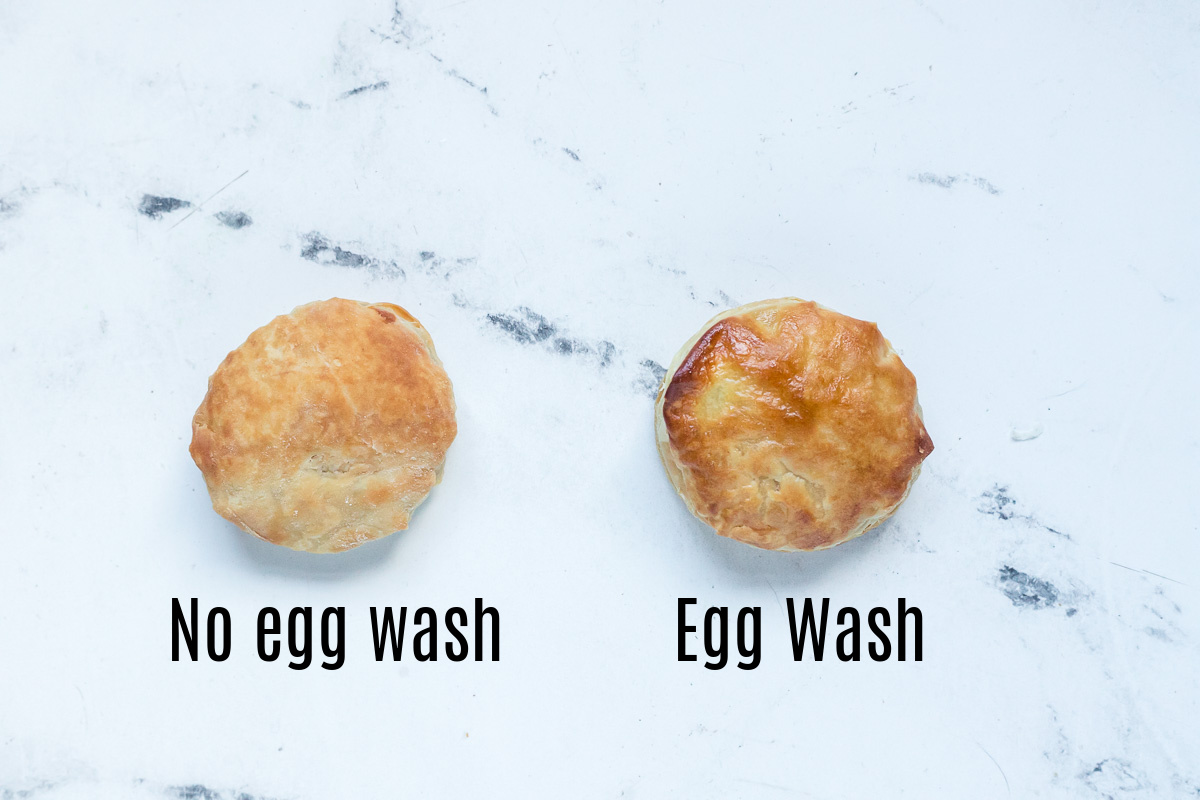
Egg wash is one of those small baking steps that makes a big visual difference — turning a pale, doughy surface into a glossy, golden-brown crust straight out of a professional bakery. But what happens when you want to prep your pastries ahead of time and freeze them? Can the egg wash go on before they hit the freezer, or should you hold off?
The short answer is: it depends on what you’re freezing. It is not recommended to apply egg wash to pastry before freezing because it doesn’t freeze well. That said, there are smart workarounds that let you enjoy make-ahead pastries without sacrificing that beautiful finish. This guide walks you through everything — from why egg wash and freezing don’t always mix, to the right way to store, thaw, and use your frozen pastry.
Can You Freeze Egg Wash Pastry?
Technically, yes — but the results depend on whether you’re freezing the egg wash itself as a liquid, or freezing pastry that has already been coated with egg wash. These are two different situations with two different answers.
Egg wash can be frozen whether you use whole eggs, egg white, or just the yolk. However, the consistency may significantly change after thawing, especially for the yolk. This texture shift is the core problem. Egg yolks contain a lot of fat, which means they don’t freeze properly. When thawed, the yolk component can turn gummy and unpleasant — not ideal for brushing onto delicate dough.
For pastry that has already been coated, the situation is similarly tricky. Egg wash just doesn’t freeze well. Egg white does okay, but the yolks don’t — they turn into a kind of goo when thawed. It really is best to coat pastry just before baking, and you can easily coat it frozen. That last point is the real takeaway: you don’t need to egg-wash before freezing at all. You can brush the wash directly onto frozen pastry right before it goes into the oven.
Pro Tip: Shape and freeze your pastries without egg wash, then brush them straight from the freezer just before baking. They’ll bake up just as golden and glossy — no thawing required.
Does Freezing Change the Texture or Taste of Egg Wash Pastry?
Freezing affects egg wash and pastry in a few distinct ways. Understanding the science behind it helps you make smarter prep decisions.
When egg wash is frozen on its own, the fat-rich yolk is the main culprit for texture changes. Freezing is an option for egg wash, but it alters the texture, making it less ideal for brushing. The mixture can separate or become gelatinous, and even after whisking it back together, it may not apply as smoothly as a freshly made batch.
As for the pastry itself, the type you’re working with matters a lot. Puff pastry consists of dozens of paper-thin layers of dough separated by cold butter. As it bakes, steam created from the water in the dough and butter makes the dough rise up and pull apart to create that flaky, many-layered crunch. Freezing the pastry before baking actually preserves those cold butter layers well — the problem is specifically the egg wash coating on top, not the dough itself.
The Maillard reaction explains why pastries with an egg wash achieve a shiny, browned exterior. If the egg wash was frozen on the pastry and became gummy during thawing, it won’t distribute heat evenly during baking, which can result in patchy browning instead of that even golden finish. The taste of the pastry itself won’t suffer much, but the visual result — and sometimes the surface texture — will be noticeably off.
How to Freeze Egg Wash Pastry the Right Way
There are two scenarios you might be dealing with: freezing the egg wash liquid for later use, or freezing assembled pastries you plan to bake later. Both have a right and a wrong way to approach them.
Freezing Assembled Pastries (Without Egg Wash)
This is the method that works best for home bakers in the US. Freeze before baking. Make the pastries, place them on a parchment or wax paper-lined cookie sheet, freeze until firm, and then place in freezer bags. Keeping them separated on a sheet pan first prevents them from sticking together in the bag.
- Line a baking sheet with parchment paper and arrange your shaped, unfilled or filled pastries in a single layer
- Freeze for 1–2 hours until solid
- Transfer to a zip-top freezer bag or airtight container, layering with parchment between pieces
- Remove as much excess air as possible before freezing. Always label items. Put the label on the outside of the container. Date the items with a “frozen-on date” and a “use-by date.”
- Do not apply egg wash until you are ready to bake
Freezing Egg Wash Liquid
If you want to freeze egg wash as a standalone mixture, egg-white-only washes hold up better than whole-egg or yolk-only versions. Add a bit of sugar if you’re going to use the yolks for sweet baking, or salt if using for savory. Mark on the container how many yolks you have and whether they’ve got sugar or salt. This helps prevent the yolks from gelling in the freezer.
Pour the mixture into a small airtight container or ice cube tray, cover tightly, label with the date, and freeze. Use within one month for best results. Make sure to use the eggs right after thawing.
Pro Tip: Freeze egg wash in an ice cube tray so you can thaw only as much as you need for a single baking session. Each cube is roughly one tablespoon — perfect for a small batch of pastries.
How Long Can You Freeze Egg Wash Pastry?
Storage times vary depending on what you’re freezing — the raw egg wash liquid or the assembled pastry.
| What You’re Freezing | Recommended Freezer Time | Notes |
|---|---|---|
| Egg wash liquid (egg white only) | Up to 1 month | Thaws and brushes well; use immediately after thawing |
| Egg wash liquid (whole egg or yolk) | Up to 1 month with sugar or salt added | Texture may change; whisk well before using |
| Unbaked pastry (no egg wash applied) | 1–3 months | Apply egg wash right before baking from frozen |
| Baked pastry (already golden) | Up to 2–3 months | No egg wash needed; reheat in oven to restore crispness |
Most pastries can be stored 2–3 months in the freezer without significant quality loss. For unbaked, assembled pastries that you plan to egg-wash just before baking, that same window applies. Beyond three months, the dough can develop freezer burn and the flavor will start to fade.
Freezing preserves — it does not improve. A medium-quality product before freezing will remain medium-quality after thawing. It does not restore lost flavor or texture. Start with good-quality pastry dough and fresh eggs for the best results after freezing.
How to Thaw Frozen Egg Wash Pastry
How you thaw your frozen pastry matters just as much as how you freeze it. The good news is that for most pastries you intend to bake, you may not need to thaw them at all.
When you are ready to bake, preheat your oven, take the frozen pastry out, brush with a little egg wash — which will give them a nice shiny browned finish — and pop them into the preheated oven. They should take only a couple of minutes longer than if baking fresh. This is the most reliable method for achieving a clean, even egg-wash finish on frozen pastries.
If you do need to thaw the pastry first — for example, if it needs to be shaped further or filled after freezing — thawing should always be done in the refrigerator. This allows a gradual temperature rise, limiting thermal shock and preventing bacterial growth. Move the pastry from the freezer to the fridge the night before you plan to bake.
For thawing frozen egg wash liquid, transfer the container from the freezer to the refrigerator and let it thaw overnight. Once thawed, whisk it well to recombine any separated components before brushing onto your pastry. Never thaw egg wash at room temperature — at room temperature, egg wash begins to degrade rapidly due to bacterial growth. The USDA’s “Danger Zone” (40°F to 140°F) warns that perishable foods left in this range for more than 2 hours risk spoilage.
Can You Refreeze Egg Wash Pastry After Thawing?
Refreezing is one area where you should not cut corners. Never refreeze a thawed product. It severely affects texture, reduces aroma, and significantly increases microbiological risks.
This applies to both the egg wash liquid and the assembled pastry. Once egg wash has been thawed, use it in full and discard any leftovers. Leftover or unused egg wash must be covered and stored in the fridge immediately after use. It’s good for a maximum of 2 days in the fridge. If left longer, throw it away as it can cause food poisoning with symptoms like vomiting, fever, and diarrhea.
If you thawed an unbaked pastry in the refrigerator and then decided not to bake it, you should not refreeze it. Instead, bake it as-is and store the baked result in an airtight container. Once baked, plain puff pastry can be stashed in an airtight container for up to a week.
Important Note: Never refreeze egg wash or egg-wash-coated pastry after thawing. The combination of texture degradation and food safety risk makes refreezing a hard no for any egg-based mixture.
How to Use Frozen Egg Wash Pastry (Best Uses After Freezing)
Once you’ve got a stash of properly frozen pastries, putting them to work is straightforward. The key is applying your egg wash at the right moment and baking at the right temperature.
Baking Directly from Frozen
For most American home bakers, this is the best approach. Pull your frozen pastries straight from the freezer, brush them with freshly made egg wash, and slide them into a preheated oven. Ensure your oven is preheated to the correct temperature, as this is key for ensuring the egg wash browns evenly. Baking at a high temperature will help the egg wash set quickly, creating that crisp, golden texture without overcooking the interior.
Best Pastry Types for This Method
- Turnovers and hand pies — freeze beautifully unbaked; brush with egg wash straight from frozen
- Scones and biscuits — best when frozen before baking; complete the recipe up to the point you would bake, then freeze. You can brush with egg wash and sugar before freezing (egg-white-only washes work better here)
- Croissants and puff pastry items — baked viennoiseries, once baked and fully cooled, freeze very easily; for unbaked versions, apply egg wash just before baking
- Empanadas and savory pastries — freeze well unbaked; brush with egg white wash before baking for a lighter sheen without the yolk texture risk
Restoring Crispness to Already-Baked Frozen Pastry
For thawed viennoiseries, a few minutes in a preheated oven at 160–180°C (320–356°F) will restore their crispiness and aroma. No additional egg wash is needed for baked pastries coming out of the freezer — just a brief oven refresh does the job.
For more ideas on how different foods behave in storage and preparation, check out this guide on foods you may be washing incorrectly — proper handling before storage matters more than most people realize.
Signs That Frozen Egg Wash Pastry Has Gone Bad
Knowing when to toss your frozen egg wash or your stored pastry is just as important as knowing how to freeze it properly. Both can go bad, and the signs are usually easy to spot if you know what to look for.
Signs the Egg Wash Liquid Has Spoiled
The key to determining if your egg wash has gone bad lies in observing three critical signs of spoilage: smell, color, and texture. These indicators are your first line of defense against foodborne illnesses. Smell is often the most immediate and unmistakable sign of spoilage.
- Smell: Fresh egg wash should have a neutral, slightly eggy aroma. If it emits a sour, sulfurous, or generally off-putting odor, it’s time to discard it.
- Color: Any gray, green, or unusual discoloration in the mixture is a red flag. Fresh egg wash should be pale yellow to golden.
- Texture: Before reuse, inspect the egg wash for any off odors, discoloration, or separation, which indicate spoilage. Some separation is normal after freezing, but if whisking doesn’t bring it back together, discard it.
Signs the Frozen Pastry Has Gone Bad
- Freezer burn: White or grayish patches on the surface of the dough indicate moisture loss. The pastry is safe to eat but will be dry and flavorless.
- Off odors: Any sour or rancid smell when the pastry thaws means it has spoiled and should be thrown out.
- Unusual texture after thawing: Slimy or excessively wet dough that doesn’t firm up in the oven is a sign of bacterial activity.
- Visible mold: Any mold growth — green, black, or white fuzzy spots — means the entire batch should be discarded immediately.
The raw egg content in egg wash makes it a potential breeding ground for bacteria like Salmonella if not handled properly. When in doubt, throw it out. The cost of a fresh egg is far less than a bout of food poisoning.
Proper food handling is a topic worth understanding more broadly. If you’re curious about how diet and food quality connect to overall health, the guide to superfoods for a healthy heart and this overview of whole plant-based foods are worth a read.
Frequently Asked Questions
Can You Apply Egg Wash to Frozen Pastry Before Baking?
Yes — and this is actually the recommended approach. It really is best to coat pastry just before baking, and you can easily coat it frozen. Brush the egg wash onto the frozen pastry right before it goes into the preheated oven for the cleanest, most even finish.
How Long Does Egg Wash Last in the Refrigerator?
According to the American Egg Board, raw beaten egg will last up to 2 days in the refrigerator. Place leftover egg wash in a covered container and refrigerate it. Some bakers stretch this to 3 days for egg-white-only washes, but whole-egg or yolk-heavy washes are best used within 48 hours.
What Happens If You Put Egg Wash on Pastry Before Freezing?
Egg wash just doesn’t freeze well. Egg white does okay, but the yolks don’t — they turn into a kind of goo when thawed, and it’s just not pretty or pleasant. You may end up with an uneven, gummy surface on your pastry that doesn’t brown properly in the oven.
Can You Use Just Egg White as a Wash for Frozen Pastry?
Yes. An egg-white-only wash freezes better than whole-egg or yolk-only versions. An egg-white wash produces a lighter color, high shine, and a slightly crisper surface. It’s best for savory pastries, seeded or sprinkled tops, and shine without heavy browning. If you prefer a deeper golden color, apply a yolk-enriched wash fresh at bake time.
Is It Safe to Freeze Egg Wash?
Yes, with proper handling. Freeze it in an airtight container, label it with the date, and use it within one month. Refrigeration slows bacterial activity, significantly reducing the likelihood of foodborne illnesses like Salmonella. An airtight container further safeguards the mixture by preventing cross-contamination and minimizing exposure to odors or moisture fluctuations. The same principles apply to frozen egg wash.
What Is the Best Egg Wash for Pastry?
An egg wash is a mixture of beaten egg — whole, white, or yolk — and a liquid like water, milk, or cream. The most typical ratio is 1 tablespoon of water, milk, or cream for 1 egg. For the richest color on pies and pastries, a whole-egg wash with a splash of milk is the most popular choice among American home bakers. Using a pastry brush, brush the surface of baked goods lightly with the wash — try not to let the wash pool or run down onto the pan, as it can taste “eggy” if applied too thickly, and drips on the pan can burn.