
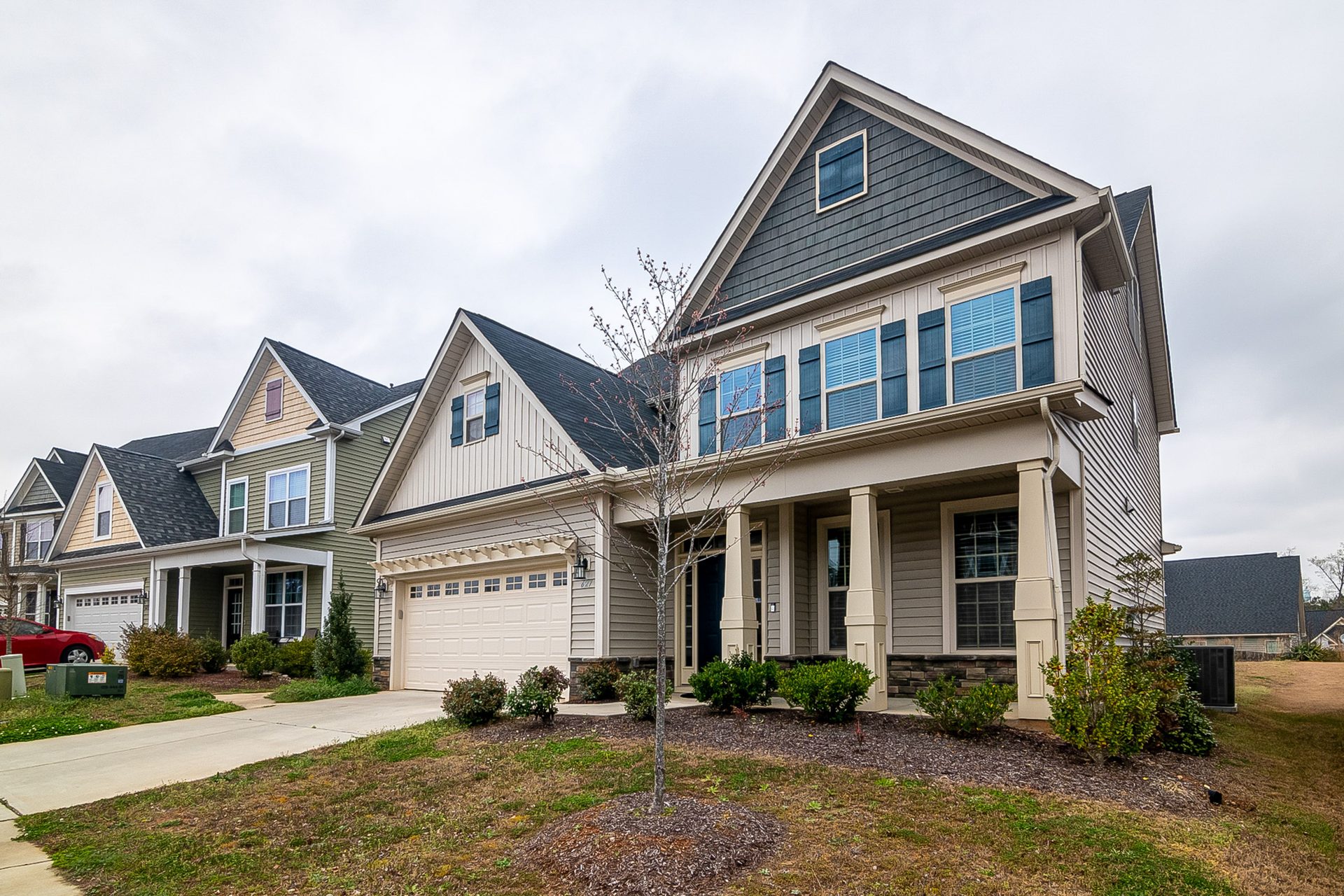
New Jersey is one of the most densely populated states in the country, and that reality shapes every dollar you spend when building a home here. With less available land and a higher population density, the cost of building a house in NJ is higher compared to other regions. Whether you’re drawn to a quiet rural township in Sussex County or a suburban lot minutes from a NJ Transit line, the price tag on your build will look very different depending on where you plant your foundation.
Before you break ground, you need a realistic picture of what you’re actually committing to — not just the per-square-foot number, but the full financial scope from lot purchase to landscaping. This guide walks you through every major cost category so you can budget with confidence and avoid the surprises that catch too many first-time builders off guard.
Average Cost to Build a House in New Jersey
The average cost to build a house in New Jersey is $360,000 to $1,200,000, not including the cost of the land, excavation, or other site prep. That’s a wide range, and for good reason — the state has enormous variation in labor markets, permit complexity, and land values from one ZIP code to the next.
The state average cost to build a new home in New Jersey is $600,000 to $1.2 million, with most people paying around $900,000 for a 3,000 sq. ft. colonial built using traditional construction methods with some floorplan customization and quality materials. On the lower end of the spectrum, a 2,000 sq. ft. Cape Cod-style home built using modular construction can come in around $200,000.
Building a home in New Jersey costs $450K–$900K on average. Land adds roughly $242,900 per acre, plus extra costs for permits and labor. Materials cost about $50 per sq. ft., and labor rates vary by trade, adding thousands to your total.
Key Insight: These figures exclude land, excavation, and site prep. When you add those costs in, your all-in budget can easily push well past $1 million for a mid-size custom home in a desirable NJ location.
For comparison, the nationwide average cost to build a house is $180 to $280 per square foot for a basic builder-grade home or $280 to $450+ per square foot for a custom home, not including the cost of the land. New Jersey consistently runs above those national benchmarks.
Cost to Build a House Per Square Foot in New Jersey
New home construction costs in NJ range from $200 to $600 per square foot, depending on the home size, style, layout, material quality and finishes, and location. Where you land within that range depends heavily on the tier of construction you choose.
| Build Type | Cost Per Square Foot | Best For |
|---|---|---|
| Modular / Budget | $100 – $200 | Cost-conscious buyers, simpler floor plans |
| Builder-Grade | $200 – $350 | Standard subdivisions, limited customization |
| Semi-Custom | $350 – $600 | Quality finishes, more design flexibility |
| Full Custom / Luxury | $600 – $750+ | High-end builds, premium materials, complex designs |
The cost to build a house in New Jersey ranges from $200 to $350 per square foot for a builder-grade home with basic finishes. Builder-grade homes typically come in only a limited number of styles and floor plans and are sometimes only available in specific developments or subdivisions. Step up to a custom home and costs increase from $350 to $600 per square foot for a custom home with high-quality fixtures and finishes.
At the premium end of the market, custom homes in New Jersey typically start around $750 per square foot and up, with total projects commonly ranging from $800,000 to $5 million or more, depending on scope and complexity.
A 2,000 sq. ft. home costs approximately $586,000 for construction only, excluding land. Always add a 10–15% contingency buffer for material price shifts, weather delays, or change orders.
Pro Tip: A single-story home costs more per square foot than a two-story home of the same total square footage. The foundation and roof are two of the most expensive parts of any build. A single-story home has a larger footprint than a 2-story home of the same square footage, so its foundation and roof are larger, making the project more costly.
You can also find regional variation across the state. In NJ, ZIP code can swing your build price by $300+ per square foot. Urban corridors like Jersey City and Hoboken tend to sit at the higher end, while rural counties in the south and northwest offer more budget-friendly options.
Cost Breakdown: What You’re Actually Paying For in New Jersey
The per-square-foot number is just the headline. Understanding where your money actually goes helps you make smarter decisions about where to spend and where to pull back. Materials make up about 50% to 60% of the total cost to build a house in New Jersey, while labor makes up the rest.
Site Work and Foundation
A new construction land survey costs $400 to $1,800 on average and includes marking property boundaries, utilities, and foundations. Once surveyed, the land needs to be graded. The cost of excavation ranges from $1,500 to $10,000 on average to level and grade a new home site. However, costs can quickly reach $20,000 or more for land with rough terrain, excessive clay, rocky soil, or large boulders.
New foundation installation costs $6 to $50 per square foot or $12,000 to $100,000 total on average, depending on whether it’s a concrete slab, crawl space, or basement. Many new homes in New Jersey are built on a slab-on-grade foundation, one of the most affordable types. If you’re building near the coast, consider an elevated foundation on piles, piers, or posts to reduce the risk of flooding.
Framing
The cost to frame a house ranges from $11 to $30 per square foot for labor and materials, or $22,000 to $78,000 total for a typical New Jersey house, including the roof trusses. Framing makes up a large chunk of the total construction cost and takes 30 to 60+ days, depending on your home’s size and layout.
Roofing and Exterior
Roof installation costs $3 to $6 per square foot on average, depending on the material. Asphalt shingles are the most common choice in New Jersey due to their affordability and durability. Tile and metal roofs are also popular choices but come at a higher cost of $7 to $25+ per square foot installed. For siding, new house siding costs $4 to $13 per square foot or $8,000 to $35,000 total with installation, depending on the material.
Electrical, Plumbing, and HVAC
- Wiring a new house costs $4 to $9 per square foot or $9,000 to $24,000 total on average.
- The cost to install sinks, faucets, showers, and PVC pipes throughout a home is between $80 and $95 per hour plus materials.
- More than 93% of homes in New Jersey have air conditioning, with around 80% having central air. Installing central air conditioning and ductwork costs $8,000 to $20,000, depending on the home’s size and the HVAC system type, size, and brand.
Interior Finishes
The total cost for interior finishes and fixtures can range from $50,000 to $250,000+, depending on the materials and quality. This category makes up a large chunk of the total building cost and includes cabinets, countertops, flooring, lighting, painting, and more. Some specific benchmarks to keep in mind:
- Kitchen cabinets cost $150 to $500 per linear foot with installation.
- Countertops cost $50 to $150 per square foot installed.
- Wood flooring installation in New Jersey ranges between $8.37 and $11.74 per square foot.
- Lighting fixtures cost $70 to $400 each with installation.
General Contractor and Labor
General contractors charge 10% to 20% of the total home construction budget. Your general contractor will coordinate the entire project, manage the subcontractors, order materials and supplies, obtain permits, and keep your build running on schedule. Labor costs make up about 40% to 50% of the construction budget.
Important Note: Many buyers only budget for the sq. ft. build cost — but hidden costs can add $50K–$200K fast. Budget line items like architectural fees, engineering reports, utility connections, and landscaping are easy to overlook until the invoices arrive.
Cost of Land in New Jersey
Land is often the biggest variable in your total budget — and in New Jersey, it’s rarely cheap. The cost of land in New Jersey starts at around $9,000 per acre in rural areas, but prices can reach $100,000 to $350,000 per acre in highly desirable locations.
If you’re looking at a statewide average, the average price per acre in the state is around $158K, but prices vary significantly depending on location, access to utilities, zoning, and development potential. Some sources place the average even higher. According to Houzeo (as of mid-2025), the average price per acre in New Jersey is $242,900, and this depends heavily on the size and location of the land.
Breaking it down by area type, urban lots typically run $50,000–$200,000 per acre, suburban lots $15,000–$75,000 per acre, and rural parcels $3,000–$25,000 per acre.
Beyond the purchase price, you’ll need to account for additional land-related costs:
- Land survey: A new construction land survey costs $400 to $1,800 on average.
- Clearing and grading: You must clear and level the land before construction, which can cost anywhere between $1,500 and $3,000 for straightforward sites.
- Permit fees: Indirect costs like permits, land prep, and interiors can exceed $25K, and permits alone may cost up to $4K.
You can buy land in New Jersey, but it can be challenging. Due to limited availability, strict zoning regulations, and environmental restrictions, finding the right piece of land requires time, local knowledge, and strategic planning. Working with a builder who has local experience can help you identify buildable lots and avoid costly surprises during the approval process.
If you’re curious how housing costs compare once you’re settled in, check out how much an apartment costs in New Jersey for a broader look at the state’s housing market.
Factors That Affect Building Costs in New Jersey
Two homes with identical floor plans can carry very different price tags depending on a handful of key variables. Understanding these levers helps you make smarter trade-offs during the planning phase.
Location Within the State
Northern New Jersey is more likely to see larger and more stately homes than the rest of the state, with the McMansion being one of the most popular for new homes. Urban areas near New York City — like Hoboken, Jersey City, and Montclair — carry premium labor rates and land costs. Rural areas in the south and northwest offer more breathing room in the budget.
Architectural Complexity
Two homes with the same square footage can have very different house construction costs depending on the design. Architectural complexity includes multiple roof lines, corners and jogs in the footprint, large open-concept spaces, structural steel requirements, and detailed exterior finishes. The more complex a home is to frame, waterproof, insulate, and finish, the more labor and coordination are required.
Material and Finish Level
Your finish selections have an outsized impact on the final bill. Upgrading finishes in one room may seem manageable. Upgrading finishes across an entire 4,000+ sq. ft. custom home significantly affects the total cost. This is especially true in high-end NJ luxury homes, where premium materials are often selected throughout the property.
Site Conditions
A flat, build-ready lot will cost significantly less to develop than a property that requires grading, drainage, or extended utilities. A straightforward design will cost less to construct than a home with large open spans, custom structural elements, and detailed exterior features.
Construction Method
Stick-built and modular construction carry different cost profiles. In modular building, most of the home is built off-site in a controlled environment before being transferred to the job site and finished there. This method is faster and less expensive than stick building. Most modular-built homes are also built using more material than stick-built homes, so they are generally high quality. However, no changes can be made once construction begins.
Permits and Zoning
Permit fees, zoning approvals, inspections, engineering requirements, and energy compliance standards all affect the total cost of a house’s construction. New Jersey counties have different permit laws, so it’s worth checking with your local municipality early in the planning process.
Common Mistake: Locking in a builder quote based on square footage alone. When trying to determine the price of a custom home, a good builder requires a complete set of construction drawings and a document specifying all the detail that goes into each individual item in the house. Without the combination of the two, any per-square-foot price or quote you get is worthless.
Building vs. Buying a House in New Jersey
The decision between building and buying comes down to more than just upfront cost. Both paths have real financial and lifestyle trade-offs worth understanding before you commit.
| Factor | Building | Buying an Existing Home |
|---|---|---|
| Upfront Cost | Higher — $450K–$1.2M+ all-in | Lower — median $545,700 (March 2026) |
| Timeline | 9–12+ months | 30–60 days to close |
| Customization | Full control over layout, finishes, systems | Limited to what’s already there |
| Repairs and Maintenance | Minimal — everything is new | Potential for immediate or near-term costs |
| Energy Efficiency | Modern systems, better insulation | Older systems may cost more to run |
| Bidding Wars | None | Common in competitive NJ markets |
On the buying side, in March 2026, home prices in New Jersey were up 3.8% compared to the prior year, selling for a median price of $545,700. On average, the number of homes sold was down 1.7% year over year, and the median days on market was 49 days.
In New Jersey, buying an existing home is typically 10–20% less expensive upfront than building new. However, building new offers long-term value through modern energy efficiency, saving 30–50% on utilities, no immediate repairs, warranties, and complete customization.
While new homes take 9–12 months to complete, homes for sale in New Jersey close in just 1–2 months, with more listings and lower prices. If speed to move-in matters, buying wins on that front. But if you want a home built precisely to your specifications in a location you’ve chosen, building gives you something the resale market simply can’t.
If you’re weighing housing costs in other markets, it’s useful to see how NJ compares. For example, Manhattan apartment costs and Miami apartment costs offer a useful benchmark for understanding what your dollar buys in different high-cost metros.
Key Insight: Older homes are likely to need repairs — maybe even remodeling — to be suitable for modern life, which can add significantly to your total costs. For this reason, it’s usually best to invest in a brand-new prebuilt home, which generally comes with builder warranties.
How to Save Money When Building a House in New Jersey
Building in New Jersey doesn’t have to mean paying top dollar at every turn. With the right planning and strategic decisions, you can meaningfully reduce your total cost without sacrificing quality where it counts.
1. Choose a Simpler Floor Plan
Every additional corner, roofline, or offset in your floor plan adds framing complexity and cost. A rectangular or L-shaped footprint is significantly cheaper to build than a design with multiple bump-outs and angles. Keep your layout efficient, and you’ll see the savings in both construction and long-term energy costs.
2. Consider Modular Construction
Modular homes can cut costs by 10–20%. They’re faster to assemble, with fewer delays and inspection issues — great for budget-conscious builds. If you don’t need full custom design flexibility, modular construction is one of the most reliable ways to control costs in a high-labor market like New Jersey.
3. Buy Land in a Less Competitive Area
Land is one of the biggest cost variables you can actually control. Choosing a lot in a suburban or rural township rather than a high-demand urban corridor can save you tens of thousands of dollars before construction even starts. Just make sure utilities are accessible — utilities deserve their own highlight because they’re one of the most significant variables in construction costs and can add substantial cost before the house even begins.
4. Lock In Costs Early
Plan for finish upgrades early so that you know the true cost of building your custom home before you’re in the middle of construction. Late changes are expensive. Change orders during construction are one of the fastest ways to blow a budget. Nail down your selections before the build begins.
5. Get Multiple Contractor Bids
Always obtain multiple detailed quotes from licensed contractors. Prices for the same scope of work can vary significantly between builders, especially in New Jersey where labor markets differ by county. Getting at least three competitive bids gives you real leverage and a clearer picture of fair market pricing.
6. Set a Contingency Budget
When budgeting for your build, plan for an extra 15% to cover overruns and unexpected costs. This isn’t pessimism — it’s standard practice. Weather delays, material price fluctuations, and unforeseen site conditions are all common in NJ builds, especially in coastal or flood-prone zones.
7. Explore Construction Loan Options Early
You’ll likely need a construction loan, which funds your project in phases and only charges interest during the build. Most construction loans are 12–18 months. Once the home is finished, you convert it into a traditional mortgage. Shopping for the best loan terms before you start can save you a meaningful amount over the life of the project. The National Association of Home Builders offers resources on construction financing that are worth reviewing early in your planning process.
8. Prioritize Where You Spend on Finishes
Not every room deserves the premium finish package. Allocate your finish budget to the spaces where you spend the most time — kitchen, primary bathroom, and main living areas — and keep secondary bedrooms and utility spaces more modest. This approach lets you hit your aesthetic goals without applying luxury pricing uniformly across the entire home.
For a sense of what ongoing housing costs look like once you’re settled, you might also explore what renters pay in comparable markets like Washington, D.C. or San Francisco — both high-cost metros where the build-vs-buy math plays out similarly. And if you’re thinking about adding structures to your property down the line, understanding how much it costs to build a greenhouse can help you plan future improvements alongside your primary build budget.
Building a house in New Jersey is a significant financial commitment, but it’s also one of the most direct paths to owning a home that’s genuinely built for your life. Go in with accurate numbers, a detailed plan, and a realistic contingency buffer — and you’ll be far better positioned to see the project through on budget and on your terms.