How Much Does It Cost to Build a House in Jacksonville, Florida

October 20, 2026
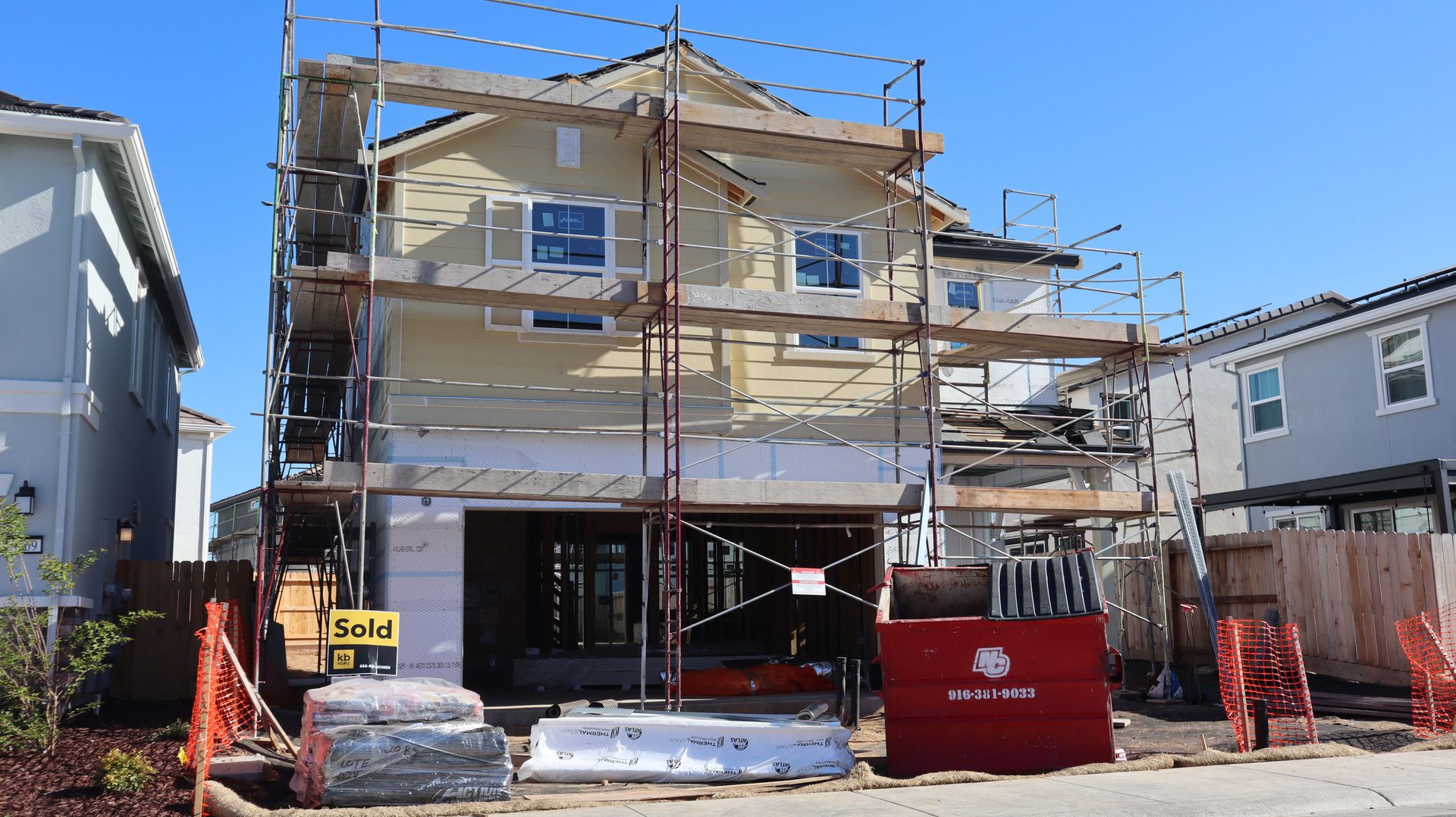
Jacksonville is one of Florida’s most affordable cities to build in — but that doesn’t mean the numbers are simple. Between hurricane-rated construction requirements, variable lot prices, and the wide gap between a basic build and a custom home, your final cost depends on dozens of decisions you’ll make before a single nail is driven.
If you’re seriously considering building a house in Jacksonville, Florida, this guide walks you through what you can realistically expect to pay, where your money goes, and how to keep costs under control without sacrificing quality.
Average Cost to Build a House in Jacksonville, Florida
Building in Jacksonville typically runs between $200,000 and $600,000 or more for a 2,000 sq ft custom home, depending heavily on location, design, material quality, and site conditions. That’s a wide range, and for good reason — the type of home you build, the neighborhood you choose, and the finish level you select all pull the number in very different directions.
According to the U.S. Census Bureau, the average cost to build a house in Florida is $300,000, with costs varying based on location, home size, and customization preferences. Jacksonville tends to sit on the more affordable end of the Florida spectrum compared to coastal metros like Miami or Tampa.
A full build with soft costs and land in Jacksonville can run $400,000 to $625,000 or more, depending on scope and site. Planning for that all-in number from the start helps you avoid surprises once construction is underway.
Key Insight: Jacksonville is among the least expensive Florida cities to build in, but rising demand, material costs, and hurricane code requirements are steadily pushing budgets upward. Always plan for the high end of any range.
Cost to Build a House Per Square Foot in Jacksonville, Florida
In Jacksonville, building costs generally range between $120 and $220 per square foot depending on finish level, from basic to luxury. Other estimates place the range at $140 to $280 per square foot for higher-grade builds. Where you land within that range comes down to your construction type, material selections, and how complex your design is.
Construction costs in Jacksonville can range from $207 to $456 per square foot for a fully realized dream home once you factor in architectural complexity, engineering, and premium finishes. At the luxury end of the market, most custom homes land between $400 and $550 per square foot, where you’ll find top-quality craftsmanship, custom design, and luxury finishes, but not necessarily over-the-top spending.
| Build Type | Cost Per Sq Ft | Est. Total (2,000 Sq Ft) |
|---|---|---|
| Basic / Entry-Level | $120 – $160 | $240,000 – $320,000 |
| Mid-Range | $160 – $220 | $320,000 – $440,000 |
| High-End / Custom | $280 – $456 | $560,000 – $912,000 |
| Luxury Custom | $400 – $550+ | $800,000 – $1,100,000+ |
On average, building a tract home in Florida costs $125.41 per square foot, while going the custom route could add 20% to 50% to that estimate, significantly increasing the overall cost. If you’re working with a production builder rather than a fully custom architect, you’ll likely stay closer to the lower end of these ranges.
Pro Tip: Smaller homes don’t always cost less per square foot. Custom features in a compact footprint can actually drive your per-square-foot cost higher than a larger, simpler design would.
Cost Breakdown: What You’re Actually Paying For in Jacksonville, Florida
Understanding where your construction budget goes helps you make smarter trade-offs. Here’s how a typical Jacksonville build breaks down across its major cost categories.
Materials
Building materials typically account for about half of total construction expenses. Expect to allocate approximately $60 per square foot for materials, which includes flooring, drywall, siding, lumber, fixtures, insulation, and roofing materials.
Foundation
For Jacksonville, a hurricane-prone area, the most ideal type of foundation is pier and beam. As it requires serious planning and rigid materials to support the home, this type of foundation costs an average of $6 to $12 per square foot.
Roofing
The most common roofing options for Jacksonville residents are shingle, metal, tile, and built-up. A small-sized shingle roof can cost a total of $6,000 to $8,500, while larger ones with special features can cost as much as $30,000 to $40,000.
Electrical
For electrical work on new construction, you’re looking at around $4.60 to $8.20 per square foot. This includes both the initial setup — wiring and outlets — as well as finishing touches like lighting fixtures and switches.
Plumbing
On average, installing new pipes costs $2.50 to $15 per linear foot, not including fixtures like sinks and toilets. The cost to install sinks, faucets, showers, and PVC pipes throughout a home is between $4,180 and $5,400.
HVAC
The installation of a new heating and cooling system could cost between $5,000 and $15,000 depending on the unit type, size, and brand. The installation cost may range from $3 to $7 per square foot.
Insulation
Based on the type of insulation — batting, blown-in, or spray foam — this process for energy efficiency and comfort can cost about $4,000, or between $1.50 and $5.00 per square foot.
Interior Finishes
Drywall installation can cost between $8,000 and $30,000 for a 2,000 square foot house. Cabinets, countertops, and flooring add substantially more depending on the materials you choose. For a 2,000 sq ft home, you should budget at least $20,000 for interior furnishings alone, separate from built-in finishes.
Permits and Fees
Permit and fee costs in Jacksonville range from $542 to $1,282 typically, or a structured fee schedule totaling $1,500 to $3,000 or more. Permits vary by state, city, and county, but they typically cost between $1,000 and $3,000.
Architect and Design Fees
Architects in the Jacksonville area typically charge $6,800 to $18,600, but some also do an hourly rate which starts from $90 to $140 per hour, or $4 to $8 per square foot. Interior designers whose cost starts from $1,000 to $4,500, or around $12 to $28 per square foot, can also add to your soft costs.
Builder Overhead and Contingency
About 11% of the build cost is builder profit, plus around 6% overhead. Always set aside 10 to 15% of your budget for unexpected overruns or delays.
Important Note: Per-square-foot estimates typically cover base construction only. They do not include land, permits, design fees, interior furnishings, or site preparation. Always request an itemized estimate from your builder.
Cost of Land in Jacksonville, Florida
Land is one of the biggest variables in your total build cost, and Jacksonville offers a wide range depending on location, lot size, and proximity to water or amenities.
Vacant lots in Jacksonville cost around $5 to $9 per square foot, ranging from $2 to $29 per square foot depending on location. Per acre, this may translate to $40,000 to $120,000 or more. At the broader market level, Jacksonville land runs $80,000 to $120,000 per acre — more affordable than South Florida but rising as the city expands.
For Northeast Florida as a whole, which includes Duval, St. Johns, and Nassau counties, unimproved land typically ranges from $12,000 to $30,000 per acre, with in-city and developed residential lots commanding considerably more. As of April 2026, there are currently 333 land listings for sale in Jacksonville at a median listing price of $299,000.
Waterfront and coastal lots near areas like Ponte Vedra Beach, Atlantic Beach, or the St. Johns River carry a significant premium. Coastal construction in Jacksonville and Northeast Florida frequently requires enhanced wind-load engineering, corrosion-resistant materials, elevation strategies, and specialized drainage planning. Homes located along the ocean, riverfront, or Intracoastal Waterway may also require additional structural considerations depending on flood zones and soil conditions.
If you’re comparing Jacksonville to other Florida housing markets, it’s worth knowing that apartment and housing costs in Orlando follow a different trajectory, as do those in Miami and across Florida broadly. Land and housing costs vary considerably from city to city within the state.
Pro Tip: Always verify flood zone designation before purchasing a lot. Flood zone status directly affects your foundation requirements, construction costs, and long-term insurance premiums.
Factors That Affect Building Costs in Jacksonville, Florida
Several forces specific to Jacksonville push construction costs up or down. Understanding them before you commit to a budget can save you from expensive surprises.
Hurricane Building Codes
The threat of strong tropical storms and hurricanes in Florida adds to the cost of building a home due to required safety features. Homes in Florida need to be wind-rated for 150 miles per hour. Jacksonville’s coastal hurricane codes may add $5 to $13 per square foot to your build cost. Impact-resistant windows, reinforced roof systems, and elevated foundations are common requirements that add real dollars to your budget.
Construction Method
Wood framing is the cheapest upfront but least durable in hurricanes. CMU (concrete block) is a common mid-range option, solid but not highly energy efficient. ICF (Insulated Concrete Forms) costs more upfront but offers superior storm resistance, energy savings, and long-term value. Your choice of structural system is one of the most consequential budget decisions you’ll make.
Home Size and Design Complexity
Two-story homes add costs for engineering, framing, and sometimes foundation reinforcement. Complex layouts — think multiple rooflines or split-level designs — bump up labor and design fees. A simple single-story ranch will almost always cost less per square foot than an architecturally complex two-story home of the same size.
Lot Conditions
A flat, cleared lot in Jacksonville may need minimal prep, while a sloped or wooded lot in Ponte Vedra could require major clearing and fill. Those factors can swing costs by tens of thousands of dollars. If your lot is uneven or requires fill material, expect $5,000 to $25,000 in site prep.
Finish Level
Basic builds average $120 to $160 per square foot; mid-range runs $160 to $220; luxury can exceed $300 per square foot. Premium flooring such as hardwood or marble costs $10 to $30 per square foot, while custom cabinetry adds between $20,000 and $50,000 depending on materials and design.
Contractor Selection
For the same scope of work, you could pay $1,000 or $4,000 depending on the company or subcontractor you hire. More experienced owners may manage subcontractors directly or negotiate better deals, while others rely on full-service builders who charge more for convenience and risk management.
Insurance Costs
Florida homeowners insurance premiums can average around $6,000 per year and are influenced by built-standard resilience. Building to higher wind-mitigation standards can reduce your long-term insurance costs, which partially offsets the higher upfront construction expense. You may also want to explore additional structures like a greenhouse and how they factor into your overall property insurance picture.
Building vs. Buying a House in Jacksonville, Florida
One of the most practical questions you’ll face is whether building from scratch actually makes financial sense compared to buying an existing home in Jacksonville.
As of April 2026, Jacksonville homes were listed for a median price of $314,000, with the median value of a listed home at $183 per square foot. That gives you a useful baseline for comparison.
| Factor | Building New | Buying Existing |
|---|---|---|
| Upfront Cost | $400K – $625K+ (all-in) | Median ~$314K (as of April 2026) |
| Customization | Full control | Limited to what exists |
| Timeline | 9 – 18 months | 30 – 60 days to close |
| Maintenance | Lower (new systems) | Higher (aging systems) |
| Energy Efficiency | Built to current code | May need upgrades |
| Hurricane Compliance | Current standards | Older homes may not comply |
Jacksonville has a large inventory of older homes that may require updates but offer lower initial purchase prices. Renovation costs can be significantly less than new construction, especially if the structure, roof, and major systems are in good condition.
On the other hand, sometimes a major renovation costs nearly as much as building new, but with new construction, you get modern systems, layout flexibility, and today’s energy standards. If the existing home needs a new roof, updated electrical, and hurricane-rated windows, those costs add up quickly.
Building a 2,000 sq ft semi-custom home could land around $300,000 to $320,000 on owned land, potentially saving $80,000 to $100,000 upfront compared to purchasing an existing home at market price — and thousands more in reduced maintenance over time. However, this comparison only holds if you already own the land or can acquire it affordably.
If renting is part of your short-term equation while you plan your build, it’s worth comparing what apartments cost across Florida to understand your holding costs. You might also find it useful to compare Orlando apartment pricing or look at markets like Miami and San Francisco for context on how Jacksonville’s cost of living stacks up.
Common Mistake: Many buyers compare the sticker price of an existing home to the base construction cost of a new build — without accounting for land, permits, design fees, and contingencies. Always compare all-in numbers on both sides.
How to Save Money When Building a House in Jacksonville, Florida
Building smart in Jacksonville means making strategic decisions early, before your plans are locked in and your budget is committed.
Choose Your Lot Carefully
Lot conditions have an outsized impact on your total cost. Lot elevation, soil quality, tree removal, utilities, drainage requirements, and waterfront engineering can all influence cost significantly. A flat, utility-ready lot in an established neighborhood will cost far less to prepare than a wooded or waterfront parcel that requires extensive site work.
Work with a Design-Build Firm
Miscommunication between architects, engineers, and builders is one of the biggest causes of cost overruns. A design-build firm brings everyone under one roof, so your plans are drawn with your budget in mind from the start — no surprises, no finger-pointing.
Lock In Your Finish Selections Early
Consult your budget before you begin the selection process, as this is often where customers are faced with higher-than-expected costs. It’s easy to get carried away once you see all the beautiful options. Setting firm limits on finish categories — flooring, cabinetry, countertops — before you enter a design studio prevents scope creep.
Phase Your Upgrades
You can always upgrade finishes down the line without blowing your budget during construction. Building with builder-grade finishes now and upgrading later gives you a move-in ready home at a lower initial cost, with the flexibility to improve specific areas as your budget allows.
Get Itemized Bids
Don’t accept vague estimates. Ask for a clear breakdown that includes all line items. Knowing the full scope before you commit keeps your expectations — and your finances — in check. Compare at least three bids for major subcontracted work like roofing, electrical, and plumbing.
Build a Contingency Buffer
Always set aside 10 to 15% of your budget for unexpected overruns or delays. In Jacksonville’s coastal environment, unexpected site conditions, permit delays, and material supply issues are common. A contingency fund keeps your project moving without forcing costly short-term financing decisions.
Consider Modular Construction
Modular homes are constructed off-site in sections and then assembled on your property. While they offer flexibility and faster construction times, costs can vary widely based on factors such as size, design complexity, and customization options. In Jacksonville, expect to budget between $180,050 and $560,600 for a modular house depending on your preferences — often less than a fully custom stick-built home of comparable size.
Understand Your Financing Options Early
Start by itemizing your existing debt and expenses, then speak to a lender about how much mortgage you can afford. Your lender will also be able to present all the mortgage options that you qualify for — which may include conventional, FHA, and VA loans — so that you can make the best financial decision. Construction-to-permanent loans, which cover both the build and the long-term mortgage in a single product, are a popular choice for Jacksonville homebuilders.
If you’re exploring housing costs in other cities as part of your broader financial planning, resources on DC apartment costs, New Jersey apartment pricing, and North Carolina apartment costs can help you benchmark Jacksonville’s overall affordability in a national context.
Pro Tip: Building to current Florida hurricane code is not optional — but it does pay off. Homes built to higher wind-mitigation standards often qualify for lower insurance premiums, which can save thousands of dollars per year over the life of your ownership.