How Much Does It Cost to Build a House in Massachusetts?

October 19, 2026
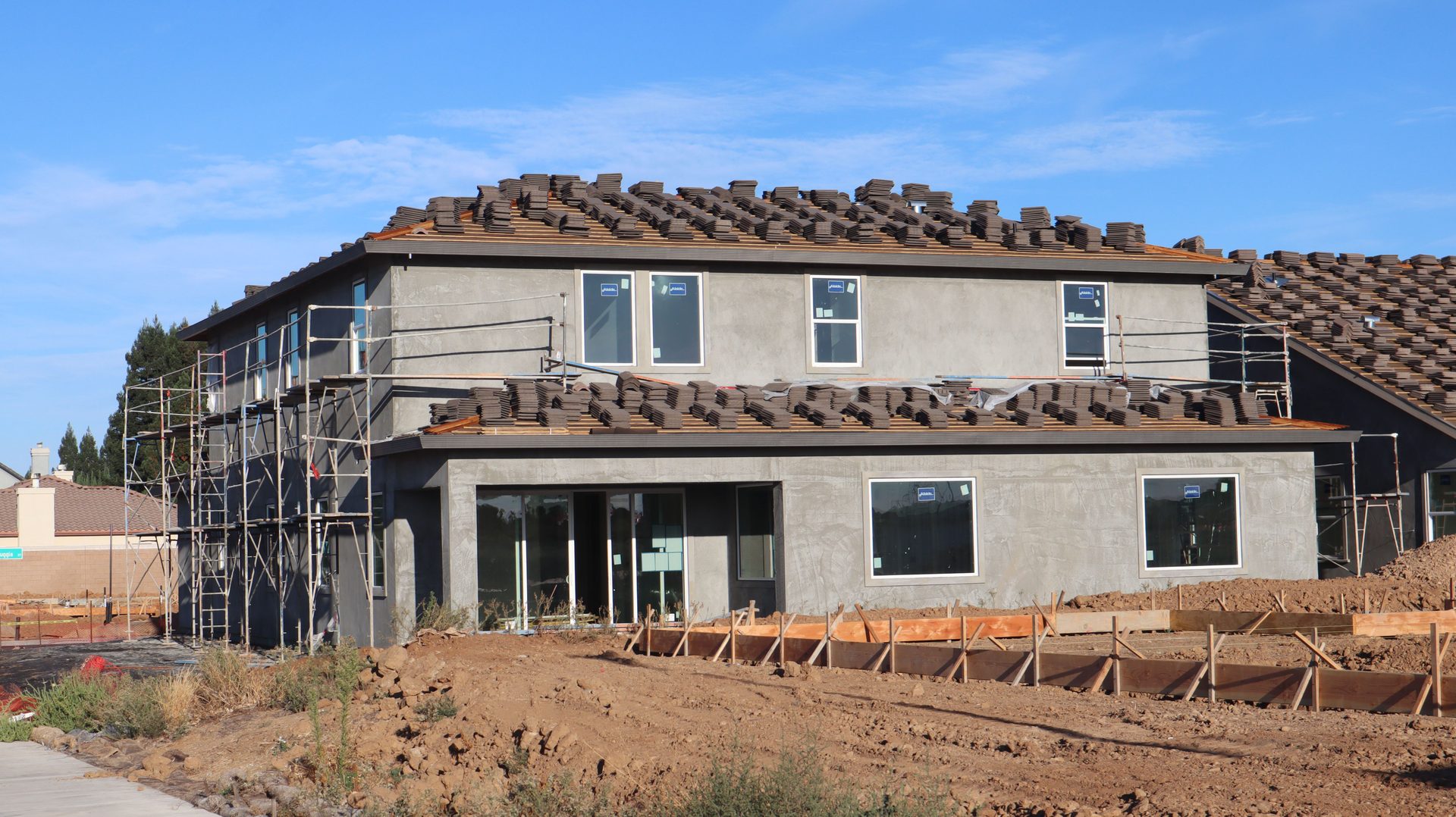
Massachusetts is one of the most expensive states in the country to build a home — and that reputation is well earned. Between sky-high land prices, strict building codes, and some of the highest labor costs in the nation, your budget needs to be carefully planned before a single shovel hits the ground.
Whether you’re drawn to a custom colonial in the suburbs or a modest ranch in Western Massachusetts, understanding the real numbers behind new home construction will help you avoid costly surprises. This guide breaks down everything you need to know about what it costs to build a house in Massachusetts, from the foundation to the final coat of paint.
Average Cost to Build a House in Massachusetts
The average cost to build a house in Massachusetts is $600,000 to $1,500,000, not including the cost of the land, site prep, or permits. New home construction costs range from $280 to $600 per square foot, depending on the location, house size and design, and the materials, finishes, and fixtures you select.
Building a basic builder-grade house in Massachusetts costs $280 to $350 per square foot. Builder-grade homes use standard finishes and offer limited customization options but meet the state’s rigorous energy efficiency standards and building codes designed for New England’s climate. The average cost to build a custom home in Massachusetts ranges from $350 to $600 per square foot.
| Build Type | Cost Per Sq Ft | Estimated Total (2,000 sq ft) |
|---|---|---|
| Prefab/Modular Home | $100 – $175 | $200,000 – $350,000 |
| Builder-Grade (Tract Home) | $280 – $350 | $560,000 – $700,000 |
| Custom Home | $350 – $600 | $700,000 – $1,200,000 |
| Luxury / High-End Custom | $600+ | $1,200,000+ |
The national average for home construction is around $150 per square foot, meaning Massachusetts construction costs exceed the national average in many cases. The Northeast generally has higher labor and material costs than the South or Midwest, making Massachusetts one of the most expensive states to build in.
Key Insight: These figures exclude land, site preparation, and permits. Once you factor in those costs, your all-in budget can increase by $100,000 to $400,000 or more depending on your location within the state.
The cost to build a house in Massachusetts is $500,000 to $750,000, with most homeowners spending around $650,000. Prices vary based on the home size, number of stories, and style. New construction in Boston proper sits at the higher end of that range. The average price to build a house in Boston is $650,000, and this amount can go beyond $900,000 if you include land costs, excavations, permits, and other expenses.
Cost to Build a House Per Square Foot in Massachusetts
The average cost to build a house in Massachusetts is $275 per square foot, with a typical range of $200–$350 per square foot depending on location, quality, and specifications. However, that range widens considerably based on where in the state you build and what type of home you’re constructing.
According to one real estate expert, building a custom home in Massachusetts will cost $350 or more per square foot, while building a tract home in Massachusetts will cost $280 per square foot. Urban builds in cities like Boston and Cambridge push even higher. Urban builds can hit $350+ per square foot, while the average cost per square foot is around $280 in Western Massachusetts.
| Region | Estimated Cost Per Sq Ft |
|---|---|
| Boston / Cambridge / Brookline | $350 – $600+ |
| Greater Boston Suburbs | $300 – $450 |
| Central Massachusetts (Worcester area) | $260 – $350 |
| Western Massachusetts (Springfield, Berkshires) | $200 – $300 |
| Cape Cod / South Shore | $300 – $500+ |
Prefab modular homes can be built for $100 per square foot, while fully custom stick-built homes using high-end materials are as much as $600 per square foot. If you’re weighing your options on home type, modular homes cost 30–50% less per square foot, plus offer a faster build time, making them ideal for buyers prioritizing speed and affordability.
Pro Tip: A two-story home typically costs less per square foot than a single-story home of the same total square footage. The foundation and roof are two of the highest costs, so a larger footprint means higher costs per square foot. Building up rather than out is a smart way to stretch your budget in Massachusetts.
Cost Breakdown: What You’re Actually Paying For in Massachusetts
Building a home involves dozens of cost categories. Here’s how the major line items break down for a typical Massachusetts new construction project.
Site Preparation and Foundation
Site preparation costs range from $12,000 to $35,000+ on average, with rocky soil and ledge requiring specialized excavation equipment. Many areas of Massachusetts have extensive rock formations that require blasting or hydraulic hammering, which can increase costs to $75,000 or more. Foundation costs range from $25,000 to $80,000, with most Massachusetts homes requiring full basements due to the state’s deep frost line (42″ to 48″ below grade) and the need for protected mechanical systems.
Framing
The cost to frame a house is $35,000 to $75,000 on average. Massachusetts building codes require framing capable of withstanding significant snow loads, particularly in western regions where annual snowfall can sometimes exceed 60 inches. Advanced framing techniques with enhanced thermal bridging reduction are increasingly common to meet the state’s energy efficiency standards.
Roofing
A new roof costs $15,000 to $30,000+, depending on the size and roofing material. Massachusetts homes require durable roofing materials and proper installation techniques due to heavy snow loads and ice dam potential. Asphalt shingles remain popular, but metal roofing has gained favor for its snow-shedding capabilities and longevity. Ice and water barrier installation is critical in Massachusetts, as building codes mandate enhanced protection in areas prone to ice dam formation.
Mechanical Systems
- Plumbing: $10,000 – $30,000
- Electrical: $8,000 – $25,000
- HVAC (Heating and Cooling): $12,000 – $30,000
Interior Finishes
- Drywall and Insulation: $10,000 – $40,000
- Flooring (hardwood, tile, carpet): $5,000 – $30,000
- Cabinetry and Countertops: $15,000 – $50,000
- Painting: $5,000 – $15,000
Exterior Finishes
Exterior finishes, from the siding to the shingles on your roof, will account for $39,750 to $95,400 of your overall home-building costs. Siding costs range between $5,560 and $17,621, with vinyl siding typically costing $3,000 to $30,000. New homes in Massachusetts typically have vinyl siding.
Labor
Massachusetts has some of the highest labor costs in the U.S., driven by demand for skilled workers and a tight labor market. Expect labor costs to account for 30%–40% of your total home-building budget.
Permits and Professional Fees
Building permits typically run $5,000–$15,000 depending on the location and size of the home. Architectural and engineering plans add $10,000–$50,000, and soil testing and land surveys cost $1,000–$3,000. In Boston, for example, the building permit cost is $50 plus $10 for every $1,000 of the estimated work cost — so for a $300,000 home, the building permit would be $3,050.
Important Note: Ensure you have a contingency fund of roughly 20% of the total cost to build. This helps ensure you do not need to slow down or stop the project if anything happens during the build to change the design or cost.
Utilities and Hookups
Getting utilities to the home site costs $9,000 to $34,500+, depending on the location and existing infrastructure. Urban and suburban areas have established utility networks that new homes can connect to for a fee, while rural properties require extensive power line extensions, well drilling, and septic systems. Natural gas availability varies by region, with many rural areas requiring propane or oil heating systems.
Interior Furnishings
For a 2,000 sq ft home, you should budget at least $20,000 for interior furnishings including labor. This covers furniture, appliances, window treatments, and other move-in essentials.
If you’re also exploring smaller-scale structures on your property, you might find it helpful to review how much it costs to build a greenhouse as a reference point for auxiliary construction expenses in Massachusetts.
Cost of Land in Massachusetts
Before you can build, you need somewhere to build. Land in Massachusetts is among the most expensive in the country, and it represents one of the largest variable costs in your entire project.
Land prices in Massachusetts vary a lot depending on the region, from $15,000 to $700,000 per acre. In the Western Berkshires, residential land is still affordable, typically between $15,000 and $30,000. But over in Eastern Boston, prices start around $250,000 and can climb higher, thanks to its status as a financial and educational hub.
| Area Type | Land Cost Per Acre |
|---|---|
| Urban (Boston, Cambridge, Brookline) | $50,000 – $200,000+ |
| Suburban | $15,000 – $75,000 |
| Rural | $3,000 – $25,000 |
According to the National Association of Home Builders, Massachusetts is among the most expensive states in the country to buy land. Massachusetts has only about 10,000 square miles of land but over 7.15 million people (2025 estimate), making it one of the most densely populated states at roughly 901 people per square mile. This limited supply, combined with housing permits down approximately 44% since 2021, means available land often attracts multiple bids.
There can be significant differences in land cost from town to town. For example, in the Metrowest area, building a home in Ashland will be cheaper than in adjoining Hopkinton. Land pricing is higher in Hopkinton due to the desirability of the town. You can expect to pay more for land in cities with excellent schools, as buyers are willing to pay a premium.
Once you have your land, preparation adds more to the bill. You must clear and level the land before construction begins, and this can cost anywhere between $1,500 and $3,000 for straightforward sites. Rocky terrain or heavily wooded lots can push that figure far higher.
Common Mistake: Many parcels in Massachusetts are marketed purely by acreage, but the true pricing lever is buildability and location. A 10-acre parcel with heavy wetland constraints may underperform a smaller, cleaner lot with utilities. Always verify zoning, wetland status, and utility access before purchasing.
Rural land is cheaper per acre but may need a well, septic system, and long utility runs, which can add $10,000–$30,000 or more to your total project cost. If you’re comparing housing markets across the region, it may also help to look at apartment costs in Massachusetts to understand what renting costs while your home is being built.
Factors That Affect Building Costs in Massachusetts
No two builds in Massachusetts are priced the same. Several key variables will push your total up or down significantly.
Location Within the State
Urban areas like Boston, Cambridge, and Brookline are significantly more expensive due to higher land and labor costs, while rural areas like Western Massachusetts and the Berkshires offer lower costs. The difference between building in a Boston suburb versus a rural Pioneer Valley town can easily be $100,000 or more on a similarly sized home.
Home Size and Design Complexity
Larger homes cost more in absolute terms, but the cost per square foot often decreases as size increases due to fixed overhead being spread across more area. Complex architectural designs — multi-level rooflines, open floor plans with load-bearing considerations, or large window walls — drive up both material and labor costs. Framing costs tend to vary due to both the size of the home and the complexity of its design. A one-story home with 2,000 square feet of living space will generally be less expensive to frame than a two-story home with the same square footage.
Material Choices and Finish Level
The gap between builder-grade and luxury finishes is enormous. Standard vinyl flooring, laminate countertops, and fiberglass insulation keep costs manageable. Hardwood floors, quartz countertops, spray foam insulation, and imported tile can double your interior finish budget. Custom homes often incorporate high-end materials and upgraded features like hardwood floors and spa-like bathrooms.
Labor Costs and Contractor Availability
Massachusetts has some of the highest labor costs in the U.S., driven by demand for skilled workers and a tight labor market. Labor costs account for 30%–40% of your total home-building budget. In high-demand periods, contractor availability can also affect your timeline and pricing — builders who are booked out months in advance may charge a premium.
Massachusetts Building Codes
Massachusetts has some of the toughest building codes in the country. The state follows the International Residential Code with state-specific amendments focused on energy efficiency and snow load capacity. These requirements add cost but also create homes that are better insulated, more durable, and less expensive to heat and cool over time.
Soil and Site Conditions
Massachusetts geology is notoriously unforgiving. Ledge rock, high water tables, and expansive clay soils are common across the state. Site preparation costs range from $12,000 to $35,000+ on average, with rocky soil and ledge requiring specialized excavation equipment. Many areas have extensive rock formations that require blasting or hydraulic hammering, which can increase costs to $75,000 or more.
Permits and Regulatory Timeline
The building permit is issued in 30 days or less if your application is complete and all prerequisites are done. However, in densely regulated municipalities, zoning variances, conservation commission reviews, and historic district approvals can add months to your timeline — and cost you money in carrying costs, consultant fees, and delayed construction starts.
For context on how Massachusetts housing costs compare to other parts of the country, you can explore apartment costs in Manhattan, San Francisco, or Washington, D.C. to gauge the regional cost landscape.
Building vs. Buying a House in Massachusetts
One of the biggest financial decisions you’ll face is whether to build new or purchase an existing home. In Massachusetts, both paths come with meaningful trade-offs.
In most cases, it is cheaper to buy a house than build one in Massachusetts, but it depends on the home size, design, and features, and especially the location. Buying an existing home is typically 10–20% less expensive than building new when comparing similar size and quality.
| Factor | Building New | Buying Existing |
|---|---|---|
| Upfront Cost | $600,000 – $1,500,000+ | $615,000 – $670,000 (median) |
| Timeline | 9–18 months | 1–2 months to close |
| Customization | Complete control | Limited without renovation |
| Energy Efficiency | Modern codes, 30–50% utility savings | Varies by age of home |
| Immediate Repairs | None (warranty coverage) | Possible |
| Competition | No bidding wars | High competition in MA market |
According to current real estate market data, the statewide median sale price for single-family homes in Massachusetts is $670,000. The Greater Boston area sees median home prices around $755,000 (as of 2026), whereas Western Massachusetts, such as Springfield, is far cheaper at around $288,000.
New home construction can take up to 9 to 12 months. During that time, you’ll need to cover housing costs elsewhere, which adds to your total expense. Buyers often choose new construction to minimize competition from others in the market who typically go for an existing home. “That way, you’re not bidding with other people,” says one Springfield-area real estate agent.
In Massachusetts, buying an existing home is typically 10–20% less expensive upfront than building new. However, building new offers long-term value through modern energy efficiency (saving 30–50% on utilities), no immediate repairs, warranties, and complete customization.
Key Insight: Inventory is very tight in Massachusetts — only about 10,546 homes were for sale statewide in January 2026, down 10.4% year-over-year, roughly a 2-month supply. If you can’t find a suitable existing home, building may be your best path forward regardless of cost.
If you’re renting while you decide, it’s worth knowing what apartment costs look like in comparable markets. Check out New Jersey apartment costs or Miami apartment costs for regional comparisons. You might also find the North Carolina apartment market informative if you’re weighing a relocation.
How to Save Money When Building a House in Massachusetts
Building in one of the most expensive states in the country doesn’t mean you’re powerless over your budget. These strategies can meaningfully reduce what you spend without sacrificing quality.
1. Choose a Modular or Prefab Home
Modular homes cost 30–50% less per square foot, plus offer a faster build time. They’re ideal for buyers prioritizing speed and affordability. Modular and prefab homes are allowed in any area in Massachusetts that is zoned for housing. Modular houses are built to the same standards as site-built houses, so buyers shouldn’t confuse a modular home with a mobile home or manufactured home, which is built to a different standard.
2. Build in a Less Expensive Region
Location is the single biggest lever on your total cost. The average cost per square foot is around $280 in Western Massachusetts, compared to $350–$600+ in the Boston metro area. If your work and lifestyle allow flexibility, building in Central or Western Massachusetts can save you hundreds of thousands of dollars.
3. Keep the Design Simple
Complex rooflines, irregular floor plans, and architectural flourishes add significant cost. A rectangular or L-shaped footprint with a straightforward roofline minimizes material waste and reduces framing complexity. Choosing a two-story design over a sprawling single-story layout also reduces foundation and roofing costs per square foot.
4. Act as Your Own General Contractor
Massachusetts allows owner-builders, but you’ll need to obtain all permits, manage subcontractors, ensure code compliance, and handle inspections yourself. This can save 15–20% in general contractor fees but requires significant time, construction knowledge, and project management skills. This route works best if you have relevant experience or can dedicate substantial time to the project.
5. Lock in Material Costs Early
Supply chain and labor shortages are ongoing across the country. These can lead to delays and volatile prices for your project. Try to lock in costs early in the process to help avoid delays. Working with your contractor to pre-order lumber, windows, and other long-lead items can protect you from price spikes mid-build.
6. Choose Standard Finishes Where It Counts
Not every room needs premium finishes. Prioritize high-quality materials in high-use areas like the kitchen and primary bathroom, and opt for builder-grade options in secondary bedrooms, utility rooms, and hallways. You can expect to spend about $50 per square foot on material costs at a standard level — upgrading selectively keeps that number manageable.
7. Explore the Right Financing
Choosing the right loan structure can save you thousands in interest. A construction-to-permanent loan covers land purchases and home-building costs, and it converts to a conventional loan after construction is complete and you move into the house. A construction-only loan covers only the cost of home building, with the entire loan amount due after your home is ready — you can pay it back in cash or take out a mortgage. Shop multiple lenders and compare terms before committing.
8. Build Smaller and Smarter
The average cost to build a tiny house in Massachusetts is $55,000 to $150,000, not including the land or site prep. While a tiny home isn’t right for everyone, building a well-designed 1,200–1,500 square foot home instead of a 2,500 square foot home can cut your construction costs nearly in half while still meeting your family’s needs.
Pro Tip: Get at least three detailed quotes from licensed contractors before breaking ground. Prices vary significantly between builders, and a thorough bid process also helps you identify contractors who understand Massachusetts-specific requirements like snow load framing and energy code compliance.
If you’re comparing housing costs across different states as part of your planning, resources like Ohio apartment costs, Michigan apartment costs, and Phoenix apartment costs can give you a useful benchmark for what your housing dollar buys in lower-cost markets.
Building a house in Massachusetts is a significant financial commitment, but with the right planning, realistic budgeting, and a clear-eyed understanding of the costs involved, it’s entirely achievable. Whether you’re drawn to the flexibility of a custom build or the speed of a modular home, knowing what drives costs in this state puts you in a far stronger position to make the decision that’s right for you.