Red Bull Discontinued Flavors: 13 Limited Editions That Are No Longer on Shelves

March 17, 2026
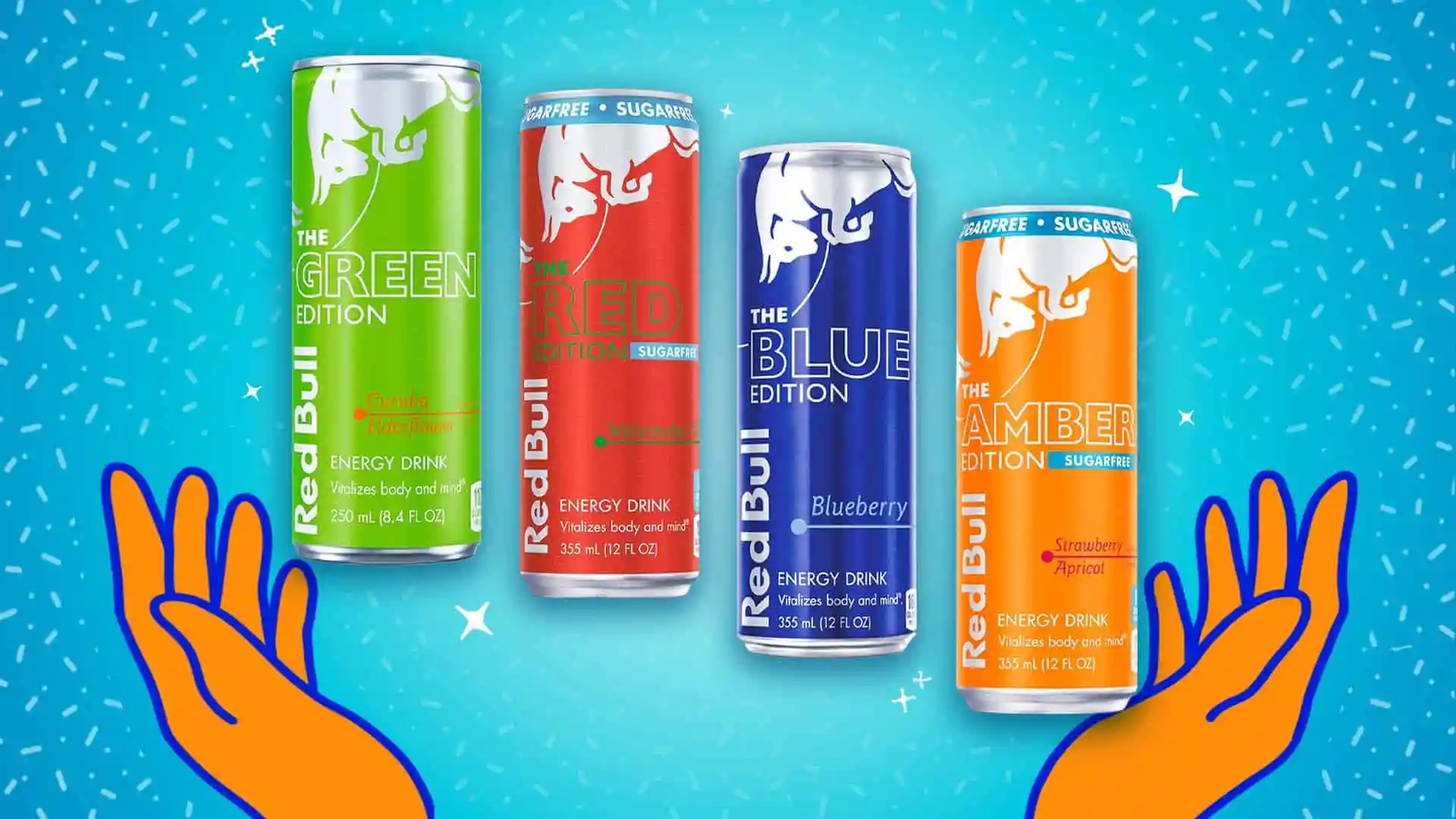
Red Bull has built one of the most recognizable energy drink empires on the planet, but not every flavor it has ever produced made it to permanent status. Over the decades, the Austrian brand has launched dozens of experimental, seasonal, and limited-edition varieties — many of which generated passionate fan followings before quietly disappearing from store shelves without much warning.
From a bold cola that challenged the soda giants to rare winter seasonal blends and sugar-free fruit fusions, discontinued Red Bull flavors represent some of the most interesting chapters in the brand’s history. Collectors, enthusiasts, and casual fans alike still search for these old Red Bull varieties, trading memories of their favorite cans online and petitioning for comebacks that rarely — if ever — materialize.
This article takes a deep look at 13 discontinued Red Bull editions that are no longer on shelves, exploring what made each one unique, when it was available, and why fans still talk about it today. Whether you’re chasing nostalgia or simply curious about Red Bull flavor history, this list covers the limited editions that left the biggest impressions.
Key Insight: Red Bull’s limited-edition and seasonal flavors are typically produced in small regional runs, which is why so many disappear without a formal announcement — making them some of the rarest Red Bull editions in the brand’s history.
1. Red Bull Cola
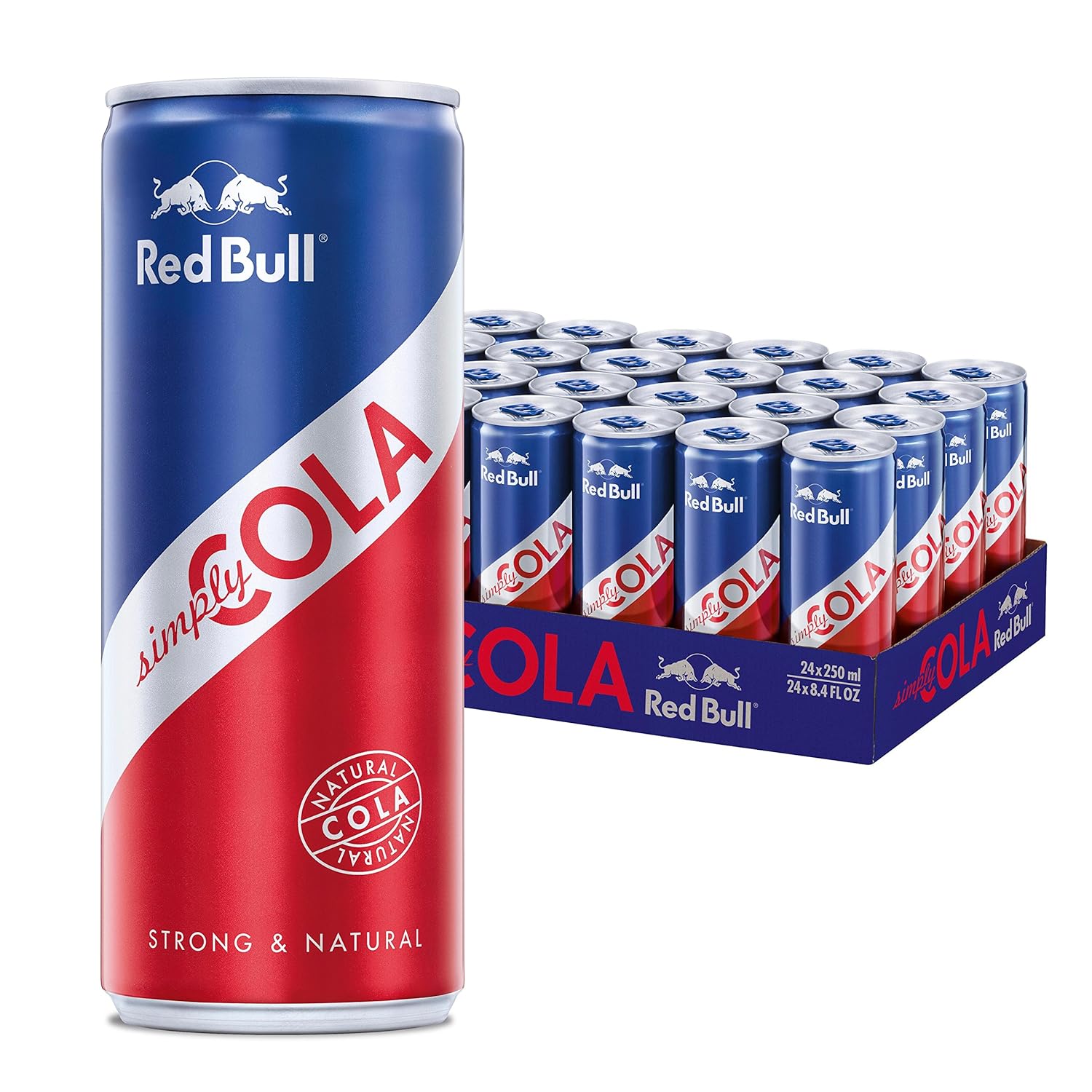
Red Bull Cola was arguably the most ambitious product the brand ever launched outside its core energy drink line. Introduced in 2008, it positioned itself as a premium, all-natural cola made with plant-based ingredients including coca leaf extract (with cocaine alkaloids removed), kola nut, and a blend of herbs and spices. It was a direct challenge to Coca-Cola and Pepsi, and it came packaged in a sleek, slender can that looked nothing like a typical soda.
The drink found early traction in Europe and parts of North America, appealing to consumers who wanted a more “natural” cola experience. However, its path was far from smooth. In 2009, several German states temporarily banned Red Bull Cola after trace amounts of cocaine were detected in tests — a finding that Red Bull disputed, arguing the levels were negligible and the product was safe. The controversy damaged the brand’s momentum significantly in key markets.
By the early 2010s, Red Bull Cola had been quietly phased out in most markets. It remains one of the most talked-about discontinued energy drink flavors in the brand’s catalog — not just for its bold flavor profile, but for the sheer audacity of a company best known for a single iconic drink deciding to take on the cola industry. Fans who remember it often describe it as spicier and more complex than mainstream colas, with a finish that felt genuinely different from anything else on the market at the time.
Pro Tip: If you’re fascinated by bold, unconventional drink choices, you might also enjoy exploring alcoholic Italian drinks — another category known for complex, herb-forward flavor profiles that challenge mainstream palates.
2. Red Bull Energy Shot
The Red Bull Energy Shot entered the market as a concentrated, 2-ounce version of the classic Red Bull formula, designed for consumers who wanted the energy boost without the full can experience. It launched in the late 2000s during the height of the energy shot trend, riding the wave of popularity created by 5-hour Energy, which had demonstrated massive consumer appetite for compact, portable caffeine delivery.
Red Bull’s version contained roughly the same caffeine content as a standard 8.4-ounce can but in a fraction of the volume, making it popular with commuters, athletes, and people who found the full drink too much liquid before an event or early morning. It was sold at checkout counters and convenience stores across the United States and parts of Europe.
Despite a loyal niche following, the Energy Shot struggled to carve out a permanent identity alongside the main Red Bull line. The energy shot category became increasingly crowded, and Red Bull ultimately decided to focus its innovation efforts on new flavored editions rather than format variations. The shot was discontinued in most markets by the mid-2010s, leaving behind fans who appreciated its no-frills, efficient approach to energy supplementation. It stands as a reminder that even a globally dominant brand can’t win every format battle in a competitive energy drink market .
3. Cranberry (Red Edition) — Original
The original Cranberry Red Edition holds a special place in Red Bull flavor history as one of the first major fruit-flavored extensions the brand introduced to its lineup. Launched as part of the Red Bull Editions series, it brought a tart, berry-forward flavor that was immediately distinct from the classic original. The vivid red can made it visually striking on store shelves, and the cranberry taste was bold enough to attract consumers who had never warmed up to the original’s more medicinal flavor profile.
The original Cranberry Red Edition was eventually replaced by a reformulated version, which shifted the flavor profile slightly and changed the product’s positioning within the lineup. For many fans, the original formula was the superior version — sharper, more authentically cranberry-forward, and less sweet than what followed. Online communities dedicated to tracking rare Red Bull editions frequently cite the original Cranberry as one of the flavors they wish would return in its unaltered form.
Its discontinuation in favor of the updated Red Edition represents a pattern Red Bull has repeated across its portfolio: introducing a flavor, refining it based on market feedback, and occasionally losing the original magic in the process. The Cranberry Red Edition’s legacy is significant because it proved that Red Bull’s audience was ready and willing to embrace fruit-forward alternatives — a lesson that shaped the entire Editions strategy going forward.
Important Note: A “Red Edition” cranberry flavor does still exist in Red Bull’s current lineup in some markets, but the original formula and positioning have changed considerably from the first release, making the original version a genuinely discontinued product for purists.
4. Lime (Silver Edition)
The Lime Silver Edition arrived as part of Red Bull’s expanding Editions range and quickly developed a devoted following among fans who preferred citrus-forward energy drinks. Its clean, crisp lime flavor offered a refreshing contrast to the sweeter berry editions, and the silver can design gave it a cool, minimalist aesthetic that stood out in the refrigerator section. It was particularly popular in warmer climates and among athletes who appreciated its lighter, less sugary taste.
The Silver Edition was marketed in several regional markets before being phased out as Red Bull rotated its limited-edition offerings. Like many discontinued Red Bull flavors, it didn’t go out with a dramatic announcement — it simply stopped appearing on shelves, leaving fans to discover its absence only when they went looking for it. This quiet discontinuation is a hallmark of how Red Bull manages its limited-edition portfolio, treating each release as a temporary experience rather than a permanent commitment.
Lime as a flavor has remained popular in the energy drink category broadly, with competitors continuing to offer citrus variants. The Silver Edition’s absence is felt most by Red Bull loyalists who preferred to stay within the brand ecosystem rather than switching to a competitor for their lime fix. Many fans of carbonated drinks in general point to lime as one of the most universally appealing flavors in the category, which makes the Silver Edition’s discontinuation all the more puzzling in retrospect.
5. Blueberry (Blue Edition)
The Blueberry Blue Edition was one of the most visually distinctive entries in Red Bull’s Editions lineup, arriving in a deep blue can that immediately communicated its flavor identity. The blueberry taste itself was sweet and rounded, leaning more toward a candy-style blueberry than a fresh-fruit interpretation — a choice that divided opinion but also created a fiercely loyal fan base among those who loved its dessert-like quality.
It performed well in markets where sweeter energy drinks tend to dominate, and it became a go-to choice for consumers who mixed it with spirits, since its sweet blueberry profile complemented a wide range of cocktail applications. The Blue Edition was available in both regular and sugar-free variants in select markets, giving it broader appeal across different consumer segments.
When Red Bull discontinued the original Blue Edition in most markets, the reaction from fans was notably vocal. Social media posts, Reddit threads, and fan forums lit up with requests for its return, making it one of the most petitioned-for discontinued Red Bull flavors in the brand’s history. A reformulated or regionally relaunched version has appeared in some markets since, but the original Blue Edition formula remains a fond memory for the fans who experienced it first. Those who enjoy exploring drinks that start with B will find blueberry energy drinks to be a particularly rich category worth exploring.
Pro Tip: Blueberry-flavored energy drinks pair surprisingly well with sparkling water as a mixer, stretching the can further while softening the sweetness — a trick many Blue Edition fans used to make their supply last longer.
6. Cherry (Total Zero Cherry Edition)
The Total Zero Cherry Edition represented Red Bull’s effort to bring bold fruit flavor to its zero-calorie, zero-sugar line. Cherry is a notoriously difficult flavor to execute in sugar-free beverages because artificial sweeteners tend to amplify the chemical notes that can make cherry taste medicinal rather than fruity. Red Bull’s version was considered by many fans to be one of the better executions in the zero-sugar energy drink space, managing to deliver a genuine cherry flavor without the harsh aftertaste that plagued many competitors.
The Total Zero line was designed for health-conscious consumers who still wanted the energy boost and the flavor experience without the caloric cost. The Cherry edition fit neatly into this positioning, and it developed a loyal following among gym-goers and fitness enthusiasts who appreciated that they could enjoy a flavored energy drink without compromising their dietary goals.
Its discontinuation left a gap in Red Bull’s zero-sugar portfolio that many fans felt was never adequately filled. Cherry remains one of the most requested flavors in online Red Bull communities, and the Total Zero Cherry Edition is frequently cited as the gold standard for what a zero-calorie cherry energy drink can achieve. For consumers interested in drinks that are high in potassium and other functional benefits, the zero-sugar energy drink category remains an active space worth watching.
7. Orange (Total Zero Orange Edition)
The Orange Total Zero Edition joined the cherry variant as part of Red Bull’s push to make its zero-calorie line more flavorful and appealing to a broader audience. Orange is one of the most universally loved flavors in the beverage world, and Red Bull’s sugar-free interpretation delivered a bright, citrusy experience that felt more like a premium orange soda than a typical energy drink — a significant achievement given the constraints of formulating without sugar.
The Total Zero Orange Edition found particular success with consumers who had previously dismissed sugar-free energy drinks as too bitter or artificial-tasting. Its accessibility made it a gateway product for new Red Bull customers, and it helped demonstrate that the zero-calorie format didn’t have to mean a compromised flavor experience. The can design featured a clean orange color scheme that communicated its flavor clearly and made it easy to spot on a crowded shelf.
Like the Cherry Total Zero Edition, the Orange variant was eventually discontinued as Red Bull continued to evolve its product lineup. The loss of both Total Zero fruit editions within a relatively short period was a blow to the brand’s zero-sugar enthusiasts, who had come to rely on these options as their preferred daily energy drinks. Orange as a flavor continues to appear in various forms across the energy drink industry, a testament to its enduring popularity even when specific formulations come and go. Fans of citrus-forward beverages might also enjoy browsing drinks that start with C for more citrus-inspired options across different categories.
Common Mistake: Many fans confuse the Total Zero Orange Edition with Red Bull’s standard Orange Edition, which has appeared in some markets as a regular-calorie product. The two are distinct formulations with noticeably different flavor profiles and sweetness levels.
8. Plum Twist (Winter Edition)
The Plum Twist Winter Edition stands out among discontinued Red Bull flavors as one of the most seasonally specific and culinarily ambitious releases the brand ever attempted. Launched as a limited winter seasonal, it combined plum with a subtle twist of additional fruit notes — the exact secondary flavor varied slightly by market — creating a warm, complex profile that felt genuinely suited to cold-weather consumption. It was the kind of drink that invited slow sipping rather than quick chugging, which was somewhat unusual for the energy drink category.
The winter seasonal strategy was a smart one for Red Bull, allowing the brand to create urgency and exclusivity around a product that consumers knew would disappear when the season ended. The Plum Twist generated significant buzz during its availability, with fans stocking up and sharing their finds on social media. It appealed not just to Red Bull regulars but to consumers who were drawn in specifically by the unusual, sophisticated flavor profile — a demographic that doesn’t typically gravitate toward energy drinks.
When the Winter Edition disappeared from shelves, it left behind a reputation as one of the most unique and memorable entries in Red Bull’s limited-edition history. Plum is an underrepresented flavor in the energy drink category, which made the Plum Twist feel genuinely special rather than derivative. Those who appreciate complex, fruit-forward seasonal drinks might find similar inspiration in traditional Russian drinks, where plum and stone fruit flavors have a long and celebrated history in fermented and non-alcoholic beverages alike.
9. Dragon Fruit (Green Edition)
The Dragon Fruit Green Edition brought one of the most visually dramatic fruits in the world into Red Bull’s flavor lineup, and it delivered a taste experience that was just as striking as the fruit’s appearance. Dragon fruit has a delicate, mildly sweet flavor with subtle floral notes, and Red Bull’s interpretation captured that essence while adding the characteristic energy drink backbone that fans expected. The green can design was eye-catching and helped the product stand out in a category that was increasingly crowded with colorful competitors.
Dragon fruit was a savvy flavor choice from a trend perspective — the fruit had been surging in popularity across the food and beverage industry, appearing in smoothies, juices, and health foods as consumers became more adventurous in their flavor preferences. Red Bull’s Green Edition tapped into that momentum and attracted a younger, trend-conscious demographic that appreciated the brand’s willingness to experiment with more exotic ingredients.
The Green Edition was available in select markets for a limited period before being discontinued, joining the growing list of rare Red Bull editions that fans wish had been given a longer run. Its disappearance was particularly lamented because dragon fruit remains a popular flavor in the broader beverage market, making the absence of a Red Bull version feel like an ongoing missed opportunity. Enthusiasts of exotic, tropical flavors will find plenty to explore in traditional Chinese drinks, where dragon fruit and other tropical ingredients have deep culinary roots. For those who enjoy yogurt-based beverages with exotic fruit notes, Asian yogurt drinks offer another fascinating avenue worth exploring.
Key Insight: Dragon fruit’s mild natural sweetness makes it one of the more challenging flavors to translate into an energy drink format, since the bold caffeine and taurine base can easily overpower its delicate notes — which is part of what made Red Bull’s Green Edition technically impressive.
10. Peach Nectarine Edition
The Peach Nectarine Edition brought a softer, more summery energy to Red Bull’s lineup, blending two closely related stone fruits into a flavor profile that felt warm, ripe, and genuinely refreshing. Peach and nectarine are natural partners — their flavor profiles overlap significantly while the nectarine adds a slightly sharper, more acidic edge that keeps the overall taste from becoming cloying. Red Bull’s execution struck a balance that earned praise from fans who appreciated fruit-forward drinks without excessive sweetness.
This edition was particularly popular during summer months and was often positioned as a warm-weather limited release, giving it the same seasonal urgency that made the Winter Edition so collectible. It performed well in markets where stone fruit flavors have strong cultural resonance, and it attracted consumers who might not typically reach for an energy drink but were drawn in by the familiar, approachable flavor combination.
The Peach Nectarine Edition’s discontinuation was a loss for fans who had come to rely on it as their warm-weather energy drink of choice. Stone fruit flavors remain underrepresented in the energy drink category compared to berry and citrus options, which made this edition feel like a genuine point of difference for Red Bull. Those who love fruity, vibrant beverages might also enjoy the world of fruity Mexican drinks, which share a similar appreciation for bold, natural fruit flavors in refreshing formats.
11. Coconut Edition
The Coconut Edition arrived during a period when coconut was one of the hottest flavor trends across the entire food and beverage industry. Coconut water had exploded into mainstream consciousness as a health-forward hydration option, and coconut flavor was appearing in everything from coffee creamers to cocktails. Red Bull’s interpretation leaned into the tropical angle, delivering a creamy, sweet coconut flavor that softened the brand’s typically sharp energy drink edge and created something that felt almost vacation-like in its profile.
The Coconut Edition found a particularly enthusiastic audience among consumers who enjoyed mixing energy drinks with tropical cocktails. Its flavor profile was a natural fit for rum-based drinks and tropical punches, and it quickly became a favorite in bar and nightlife settings where Red Bull’s mixability is a key selling point. This crossover appeal between the energy drink and cocktail worlds gave the Coconut Edition a broader reach than many of its Editions siblings.
Despite its popularity in these settings, the Coconut Edition was ultimately discontinued as Red Bull shifted its limited-edition focus in new directions. Its absence is still felt in the cocktail community, where finding a coconut-flavored energy drink that matches its quality has proven difficult. Those who appreciate tropical flavor profiles in their beverages might also find inspiration in Mexican alcoholic drinks, which frequently feature coconut as a key ingredient in some of the country’s most beloved cocktails and spirits. Fans of drinks that start with V will also find several coconut-forward options worth exploring across various drink categories.
Pro Tip: During its run, the Coconut Edition was widely used as a mixer with white rum and pineapple juice to create a quick, high-energy take on a piña colada — a combination that fans still recreate using whatever coconut energy drink they can find as a substitute.
12. Sugarfree Watermelon Red Edition
The Sugarfree Watermelon Red Edition tackled one of the most beloved summer flavors in the beverage world and delivered it without a single gram of sugar — a technically demanding feat that Red Bull pulled off with considerable skill. Watermelon is a flavor that can go wrong quickly in sugar-free formulations, tipping easily into artificial or medicinal territory, but Red Bull’s version maintained a bright, juicy character that felt authentic and refreshing even without the sugar that typically carries fruit flavors in energy drinks.
The product occupied a smart dual position in the market: it appealed to watermelon flavor fans who might not have been particularly health-conscious, while also serving the growing segment of consumers who actively sought zero-sugar options without wanting to sacrifice flavor quality. This broad appeal helped it perform well across multiple demographics during its time on shelves.
Watermelon as a flavor has seen explosive growth across the beverage industry in recent years, making the discontinuation of the Sugarfree Watermelon Red Edition feel particularly untimely. Competitors have rushed to fill the gap, but Red Bull loyalists who experienced the original version maintain that it set a standard that hasn’t been matched.
The Sugarfree Watermelon Red Edition is frequently mentioned in discussions about red bull flavors that no longer exist, and it consistently ranks among the top candidates for a potential comeback in fan polls and online communities. Fans of zero-sugar and health-conscious drinks might find related inspiration browsing drinks that start with M, where many modern wellness beverages now live.
Important Note: The Sugarfree Watermelon Red Edition is distinct from any standard-calorie watermelon variants that may have appeared in certain markets — the zero-sugar formulation used a different sweetener blend that produced a noticeably different flavor experience.
13. Sugarfree Strawberry Apricot Amber Edition
The Sugarfree Strawberry Apricot Amber Edition was perhaps the most sophisticated and unexpected flavor combination Red Bull ever brought to its zero-sugar lineup. Pairing strawberry — one of the most popular fruit flavors in the world — with apricot, a stone fruit known for its complex sweet-tart balance, created a profile that was genuinely unlike anything else in the energy drink category. The amber can design reflected the warmth of the flavor inside, and the overall product felt like a more grown-up, nuanced offering compared to the brighter, more straightforward fruit editions that surrounded it.
Strawberry-apricot as a combination has deep roots in the world of jams, pastries, and artisan beverages, and bringing it into the energy drink space was a bold creative decision. It attracted consumers who appreciated flavor complexity and were willing to step outside the familiar berry-citrus comfort zone that dominates the category. The sugar-free formulation made the apricot notes particularly interesting, since the absence of sugar allowed the fruit’s natural tartness to come through more clearly than it might have in a full-calorie version.
The Sugarfree Strawberry Apricot Amber Edition was available in select markets for a limited time before being discontinued, and it quickly achieved cult status among fans of rare Red Bull editions who recognized it as something genuinely special. Its combination of flavor ambition, zero-sugar execution, and limited availability made it one of the most talked-about discontinued Red Bull flavors among collectors and enthusiasts.
Those who appreciate complex, layered flavor profiles in their beverages might also enjoy exploring non-alcoholic German drinks, which have a long tradition of sophisticated fruit and herbal flavor combinations that similarly reward adventurous palates. For more inspiration on drinks with intriguing flavor profiles, drinks that start with Z and drinks that start with I offer some genuinely surprising and complex options worth discovering.
Taken together, these 13 discontinued Red Bull flavors tell a story about a brand that has never been content to rest on the success of its original formula. From the audacious cola experiment to the delicate strawberry-apricot sugar-free blend, Red Bull’s limited-edition history reflects a genuine willingness to take risks, explore new flavor territories, and serve the evolving tastes of its global consumer base. Not every experiment succeeded commercially, but each one added something to the broader conversation about what an energy drink can be.
For fans who remember these flavors, the memories are vivid — the specific can design, the first sip, the moment of realizing it was gone from shelves. That emotional connection is exactly what makes discontinued Red Bull flavors such a rich topic for exploration, and it’s why the conversation around them shows no signs of fading anytime soon.