Different Types of Onions: A Guide to Flavor and Culinary Uses

December 1, 2025
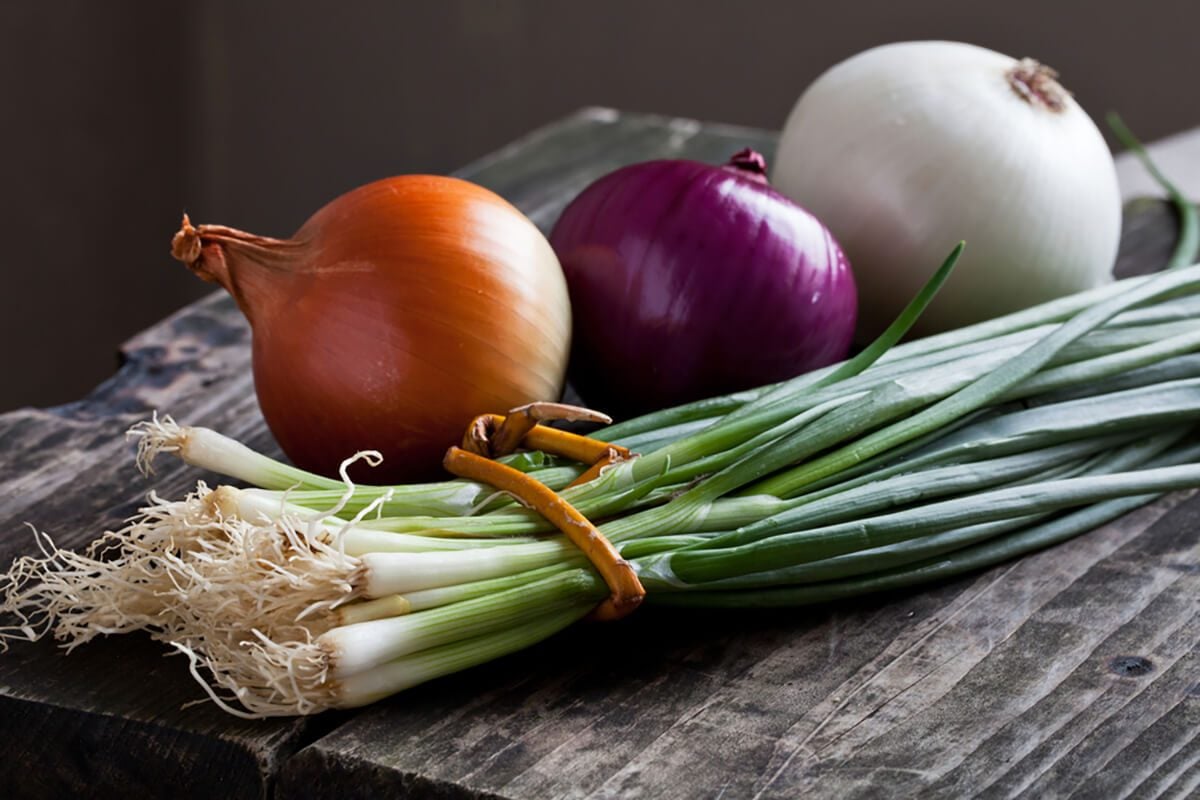
Onions form the backbone of countless recipes, yet most home cooks reach for the same yellow variety every time they’re at the grocery store.
Understanding the different types of onions and their unique characteristics can transform your cooking by helping you choose the perfect variety for each dish.
From mild sweet onions that won’t make you cry to pungent varieties that pack a flavorful punch, each type brings distinct qualities to your kitchen.
The onion family extends far beyond the basic yellow, white, and red varieties you see most often. Specialty onions like pearl onions, shallots, and cipollini each serve specific culinary purposes. Some work best raw in salads, while others shine when caramelized or roasted.
Whether you’re building flavor bases for soups and stews, adding crunch to salads, or creating elegant garnishes, knowing which onion to choose makes all the difference.
This guide breaks down the most common onion varieties, their flavor profiles, and the best ways to use each one in your cooking adventures.
Yellow Onion
Yellow onions are the most popular onion variety in America. They have brown-gold papery skin and white flesh inside.
Flavor Profile
Yellow onions taste sharp and pungent when raw. When you cook them, they become sweet and mild. The heat breaks down their sulfur compounds and releases natural sugars.
Best Cooking Uses
These onions work well for almost any recipe. You can use them for:
- Sautéing and frying – they hold their shape well
- Caramelizing – their sugars create deep, rich flavor
- Soups and stews – they add savory depth
- Roasting – they become tender and sweet
Storage and Selection
Choose yellow onions that feel firm and heavy. The skin should be dry and papery. Avoid onions with soft spots or green shoots.
Store them in a cool, dry place with good air flow. They can last 2-3 months when stored properly. Don’t keep them in the refrigerator unless they’re cut.
Popular Varieties
Different yellow onion cultivars
include storage types and sweet varieties. Storage onions like Yellow Granex have stronger flavors and last longer. Sweet varieties like Vidalia onions taste milder and work better raw.
Cooking Tips
Cut yellow onions just before cooking to prevent them from getting bitter. If you want less bite in raw dishes, soak sliced onions in cold water for 10 minutes. This removes some of the sharp compounds.
White Onion
White onions have a sharp, clean flavor that makes them perfect for fresh dishes. They taste stronger than yellow onions when raw but become mild and sweet when cooked.
You can spot white onions by their bright white papery skin and crisp white flesh inside. They’re usually medium to large in size with a round shape.
Best uses for white onions:
- Raw in salsas and Mexican dishes
- Sliced for sandwiches and burgers
- Diced for salads
- Grilled or sautéed as a side dish
White onions work great in Mexican cooking because their sharp bite cuts through rich flavors. You’ll often see them diced on tacos or mixed into fresh guacamole.
When you cook white onions, they lose their bite and become sweet. This makes them good for caramelizing or adding to stir-fries.
Storage tip: White onions don’t last as long as yellow onions. Keep them in a cool, dry place and use within 2-3 weeks.
There are several varieties of white onions you might find. Walla Walla onions are extra sweet with less sulfur. Pearl onions are tiny and perfect for pickling or adding whole to stews.
When to choose white onions:
- Making fresh salsa or pico de gallo
- Want a strong onion flavor in salads
- Need onions that won’t overpower delicate fish
- Cooking Mexican or Latin American dishes
White onions cost about the same as other onion types. You can find them year-round at most grocery stores.
Red Onion
Red onions stand out with their deep purple-red skin and distinctive sweet flavor. Despite their name, red onions are more purple than red in appearance, with colorful veins running through their white rings.
Flavor Profile
You’ll find red onions are the mildest and sweetest of all onion varieties. They have less bite than yellow or white onions, making them perfect for raw applications.
Best Uses
- Raw in salads – their sweetness complements greens without overwhelming other ingredients
- Sandwiches and burgers – popular at sandwich shops for their mild crunch
- Pickling – their natural sweetness balances vinegar beautifully
- Grilling – caramelizes well due to higher sugar content
Cooking Tips
When you cook red onions, they lose their vibrant color and turn grayish. Use them raw when you want visual appeal. For cooked dishes, save money by using yellow onions instead.
Storage and Selection
Choose red onions with firm, dry skin and no soft spots. Store them in a cool, dry place for up to three months. Once cut, refrigerate and use within one week.
Popular Varieties
You might encounter specific types like Red Creole or Red Italian onions at farmers markets. Each offers slightly different sweetness levels and growing seasons, but grocery stores typically label them all as “red onions.”
Sweet Onion
Sweet onions offer a milder taste compared to regular onions. Their mild smell is the least pungent among all onion varieties.
These onions contain more water and less sulfur than sharp onions. This makes them perfect for eating raw in salads or sandwiches.
Popular Sweet Onion Types:
- Vidalia onions
- Walla Walla onions
- Maui onions
- Texas Sweet onions
You can easily spot sweet onions by their light color and larger size. They feel heavier than regular onions because of their high water content.
Sweet onions work best in dishes where you want onion flavor without the bite. Try them caramelized, grilled, or roasted to bring out their natural sugars.
Best Uses for Sweet Onions:
- Raw in salads and salsas
- Caramelized for burgers
- Roasted as a side dish
- Grilled for barbecues
Store sweet onions in a cool, dry place but use them quickly. They spoil faster than regular onions because of their high water content.
When cooking with sweet onions, add them later in recipes. Their delicate flavor can disappear if you cook them too long or at high heat.
Sweet onions taste best in salads, relishes, and garnishes where their mild flavor shines through. You’ll notice their almost sugary taste when eaten fresh.
Pearl Onion
Pearl onions are small, marble-sized onions with a naturally sweet and mild flavor. You’ll find them in white, yellow, and red varieties, each offering the same delicate taste with different visual appeal.
These tiny onions are actually close relatives of leeks rather than regular onions. They have only one storage leaf, similar to garlic cloves, which sets them apart from common onions.
Common Names:
- Button onions
- Baby onions
- Silverskin onions (UK)
- Cocktail onions (when pickled)
You can use pearl onions in many ways in your cooking. Their small size makes them perfect for pickling, and their sweet flavor works well in stews and soups. Try them sautéed with other vegetables or added to casserole dishes.
Pearl onions are popular for cocktail garnishes when pickled in brine with turmeric and paprika. The pickling process enhances their natural sweetness.
Best Cooking Methods:
- Pickling – Most popular use
- Boiling – Retains their shape well
- Roasting – Brings out sweetness
- Braising – Perfect for stews
Most pearl onions you buy at stores are actually common onions grown very close together. This crowded growing method keeps them small and creates a similar product to true pearl onions.
You can store fresh pearl onions for up to one month in a cool, dry, dark place.
Cipollini Onion
Cipollini onions are small, flattened Italian onions with a distinctive sweet flavor. You’ll recognize them by their squat, disc-like shape that sets them apart from regular round onions.
Origin and Appearance
These onions come from Italy, where their name means “little onions.” You can find cipollini onions in three colors : white, yellow, and red. They measure about 1-2 inches across.
Flavor Profile
Cipollini onions taste much sweeter and milder than regular onions. When you cook them, their high sugar content creates a candy-like sweetness that works well in many dishes.
Best Cooking Methods
| Method | Result |
|---|---|
| Roasting | Brings out natural sweetness |
| Caramelizing | Creates rich, golden flavor |
| Grilling | Perfect for skewers |
| Pickling | Makes tangy condiments |
Kitchen Tips
You can peel cipollini onions easier by blanching them in boiling water for 30 seconds first. This loosens the tight skin layers.
Culinary Uses
These onions work great in:
- Roasted vegetable dishes
- French onion soup
- Pasta sauces
- Grilled meat accompaniments
Availability
You’ll find cipollini onions at specialty grocery stores and farmers markets, especially during fall season. Store them in a cool, dry place like other onions.
Their unique sweetness makes them worth seeking out for special dishes where you want onion flavor without the sharp bite.
Cocktail Onion
Cocktail onions are pickled pearl onions that serve as elegant garnishes for drinks and appetizers. These small, marble-sized onions get their distinctive flavor from brining in salt water with turmeric and paprika.
Pearl onions form the base for most cocktail onions because of their natural sweetness. You’ll find them made from white, yellow, or red varieties, though white onions remain the most popular choice.
Key Characteristics
| Feature | Description |
|---|---|
| Size | Marble-sized, bite-sized portions |
| Texture | Slightly crunchy after pickling |
| Flavor | Sweet and tangy with mild onion taste |
| Color | Usually white, sometimes yellow or red |
The brining process keeps the onions crunchy while adding a tangy flavor. This texture creates an interesting contrast when you bite into them during cocktails or as snacks.
You’ll most commonly see cocktail onions in Gibson cocktails – essentially martinis garnished with pickled onions instead of olives. They also work well in Bloody Marys or as additions to cheese boards.
Some upscale bars use sliced red onions pickled in vinegar for a more modern twist. You can even find versions packed in white vermouth instead of traditional brine.
Storage tip: Keep your cocktail onions refrigerated after opening. They’ll stay fresh for several weeks and maintain their crispy texture.
These versatile little onions bridge the gap between garnish and ingredient, adding both visual appeal and flavor to your culinary creations.
Green Onion (Scallion)
Green onions and scallions are actually the same vegetable with different names. Most of the time, scallions and green onions are the exact same thing , though regional preferences determine which term people use.
These versatile onions feature long, slender green tops and small white bulbs at the base. You can eat both parts of the plant, making them incredibly useful in cooking.
Flavor Profile
Green onions offer a mild, sweet onion taste without the sharp bite of mature onions. The white portion near the base provides the strongest flavor, while the green tops taste milder and grassier.
Growing Characteristics
Basic green onions are the most used type
and grow quickly compared to regular onions. You can harvest them in 60-80 days after planting when they reach about 12 inches tall.
Culinary Uses
| Raw Applications | Cooked Applications |
|---|---|
| Salads and garnishes | Stir-fries |
| Sandwich toppings | Soups and stews |
| Dips and sauces | Asian dishes |
You can slice the green tops thinly for garnishing or chop the white portions for cooking. They work especially well in Asian cuisine but complement many international dishes.
Storage Tips
Store green onions in your refrigerator with roots intact when possible. They stay fresh for about a week and can even regrow if you place the roots in water.
Their mild flavor makes them perfect for people who want onion taste without overwhelming heat or pungency.
Spring Onion
Spring onions are young onion plants harvested prematurely before their bulbs fully develop. They belong to the same family as regular storage onions but offer a milder, sweeter taste.
What Makes Them Different
You’ll notice spring onions have small, round bulbs at their base, unlike green onions which have no true bulb. The bulbs measure 2 to 5 centimeters in diameter and come in white to red colors.
Flavor Profile
The bulbs taste sweet and mild because they haven’t developed the strong gases found in mature onions. The green leaves have a stronger, more pungent flavor with grassy notes.
Cooking Applications
You can eat both the bulb and leaves raw or cooked. Try these methods:
- Raw: Slice thin for salads, sandwiches, or grain bowls
- Cooked: Grill, roast, sauté, or stir-fry whole
Spring onions work well in soups, stews, and egg dishes. They pair nicely with asparagus, peas, potatoes, and light proteins like fish or poultry.
Storage Tips
Store unwashed spring onions in your refrigerator’s crisper drawer for 4-5 days. Place them in a perforated bag with paper towels. For immediate use within 1-2 days, you can keep them at room temperature away from sunlight.
Nutritional Benefits
Spring onions provide vitamin A, vitamin C, and vitamin K. They also contain calcium, potassium, and antioxidants that help reduce inflammation in your body.
Shallot
Shallots belong to the allium family alongside onions and garlic. They offer a milder, sweeter flavor than regular onions with subtle complexity that makes them perfect for refined cooking.
Three main varieties dominate most kitchens:
- French Grey (Griselle): Elongated shape with grayish skin and intense, subtly sweet flavor
- Dutch Yellow: Round bulbs with golden-brown skin offering mild yet rich taste
- French Red: Small, round shallots with reddish-brown skin and robust flavor with slight sharpness
Physical differences set shallots apart from onions. Shallots grow in clusters rather than as single bulbs like storage onions. They have papery outer skins similar to onions but are typically smaller and more elongated.
Raw applications showcase shallots beautifully. Their gentler bite works perfectly in vinaigrettes, salad dressings, and garnishes where onions might overpower delicate flavors.
Cooked preparations transform shallots into something special. They caramelize faster than onions, developing deep sweetness ideal for sauces, soups, and braises. French cuisine particularly values their refined taste.
When selecting shallots, choose firm bulbs without soft spots or sprouting. Store them in cool, dry places with good air circulation. Properly stored shallots last up to six months.
Nutritional benefits include vitamin C, vitamin B6, and potassium. They provide antioxidants like quercetin while remaining low in calories at just 72 calories per 100 grams.
Walking Onion
Walking onions earn their name from their unique growing habit that makes them appear to walk across your garden. These perennial plants produce bulbils at the top of tall stems that eventually topple over under their own weight.
When the heavy bulbil clusters fall to the ground, they take root and create new plants. This natural propagation method allows the onions to literally “walk” to new locations in your garden each season.
Scientific Classification:
- Scientific name: Allium × proliferum
- Common names: Egyptian walking onion, tree onion, top-setting onion
- Plant type: Hardy perennial vegetable
Walking onions are a cross between common onions and Japanese bunching onions . They grow up to 2 feet tall and thrive in climate zones 3 through 10.
Growing Requirements:
- Light: 6-8 hours of direct sunlight daily
- Soil: Well-drained, fertile, slightly sandy loam
- Spacing: 4-5 inches between plants
- Water: Regular watering, allow soil to dry between sessions
You can harvest multiple parts of walking onions throughout the growing season. The green tops taste similar to scallions and work well in soups and stir-fries. The small bulbils make excellent additions to pickles or can be roasted like pearl onions.
These self-propagating vegetables require minimal maintenance once established. They survive harsh winters and provide fresh onion flavor year-round in most climates.
Leek
Leeks look like giant green onions but offer a much milder flavor profile. You’ll find they have thick white stems that gradually turn to dark green leaves at the top.
What Makes Leeks Special
Unlike regular onions, leeks are the mildest of the onion family and shine when cooked. They provide a subtle sweetness without the sharp bite you get from yellow or white onions.
Which Parts to Use
You should focus on the white and light green portions of the leek. The dark green tops are fibrous and tough, though you can save them for making vegetable stock.
Best Cooking Methods
| Method | Result |
|---|---|
| Sautéed | Soft and buttery |
| Roasted | Caramelized edges |
| In soups | Creamy texture |
| Braised | Tender and sweet |
Preparation Tips
Clean leeks thoroughly by slicing them lengthwise and rinsing between layers. Dirt often gets trapped between the leaves during growing.
Flavor Profile
Leeks taste like a cross between onion and garlic but much gentler. They become creamy and almost melty when cooked properly.
Popular Uses
You’ll find leeks work perfectly in potato leek soup, quiche, and pasta dishes. French, Italian, and Middle Eastern cuisines rely heavily on leeks for their delicate onion flavor.
Storage
Keep leeks in your refrigerator for up to two weeks. Wrap them loosely in plastic to maintain freshness.
Chives
Chives are grouped with herbs like parsley and basil rather than being classified as vegetables. These delicate green plants belong to the allium family but offer a completely different experience from their onion cousins.
Physical Characteristics
- Thin, hollow, tube-like leaves
- Entirely green color (no white portions)
- More fragile than green onions
- Grow in clumps from the ground
You’ll notice chives have a much milder onion flavor compared to regular bulb onions. Their taste is subtle and fresh, making them perfect for dishes where you want just a hint of onion flavor without overpowering other ingredients.
Common Varieties
| Type | Flavor | Appearance |
|---|---|---|
| Common chives | Mild onion | Round, hollow leaves |
| Garlic chives | Subtle garlic | Flat, wider leaves |
| Siberian chives | Mild onion | Longer, blue-green leaves |
Growing and Harvesting
Farmers cut chives near ground level rather than pulling the entire plant. This allows the leaves to regrow for multiple harvests throughout the growing season.
Culinary Uses
You can use chives both raw and cooked, though they shine when added fresh. Sprinkle chopped chives on baked potatoes, scrambled eggs, or soups for a bright flavor boost. They work well in herb butter, cream cheese spreads, and as garnishes for roasted meats.
Storage Tips
Fresh chives last about 2 days when properly stored. Keep them refrigerated in an airtight bag to maintain freshness.