Latest in this archive
Traditional German Christmas Breakfast: What’s Really on the Table
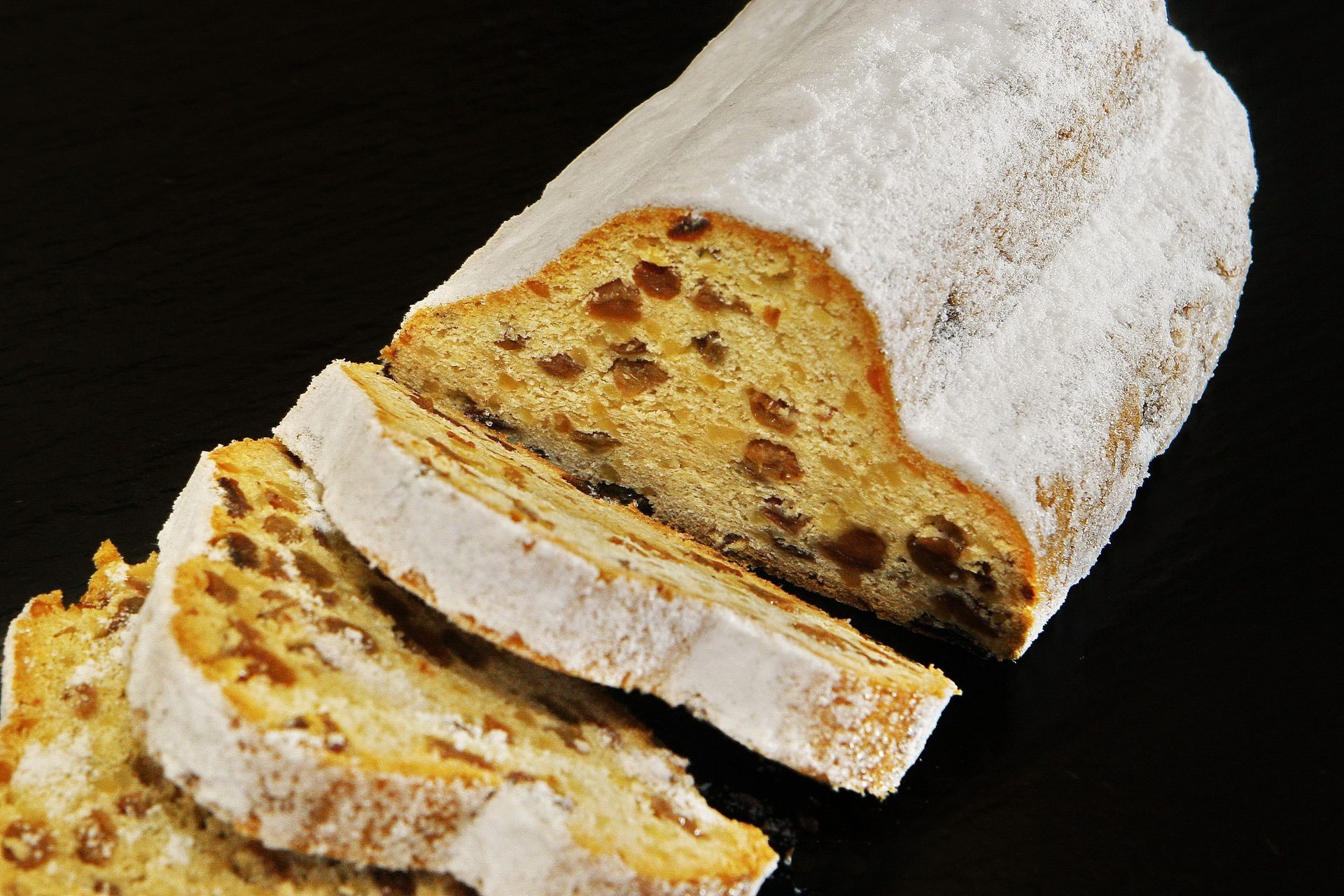
Most people picture a German Christmas table loaded with roast goose, red cabbage, and marzipan stollen.
Pages
About the publication
Search the archive
Category archive
Consider this your guide to everything we eat and drink—where we get it, how we prepare it, the best ways to cook and serve it, and more. From shopping guides to meal prep hacks, this is food+drink simplified from every step of the eating+drinking process—from source to finished product.
1937 stories
Most people picture a German Christmas table loaded with roast goose, red cabbage, and marzipan stollen.
Walk into a Ukrainian kitchen on a weekend morning and the smell usually gives everything away before you even see the stove: butter sizzling, a hint of vanilla, and something tangy underneath it all.
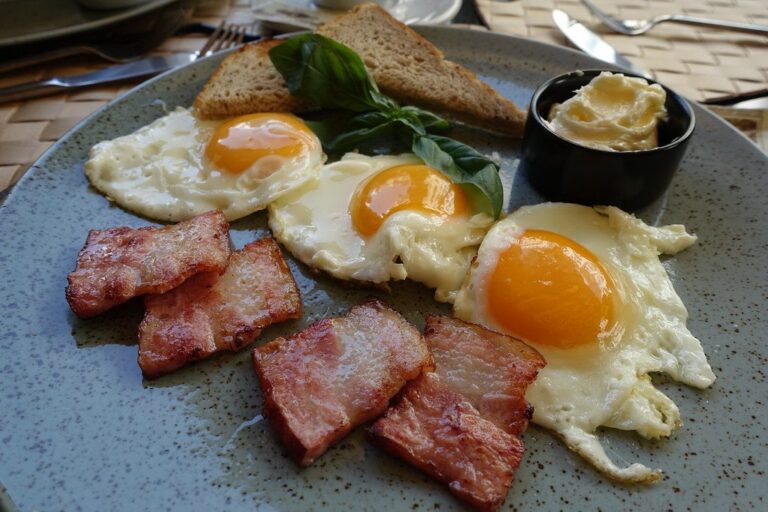
Long before the fireworks and the exchange of sweets, the real work of Diwali begins in the kitchen before sunrise.
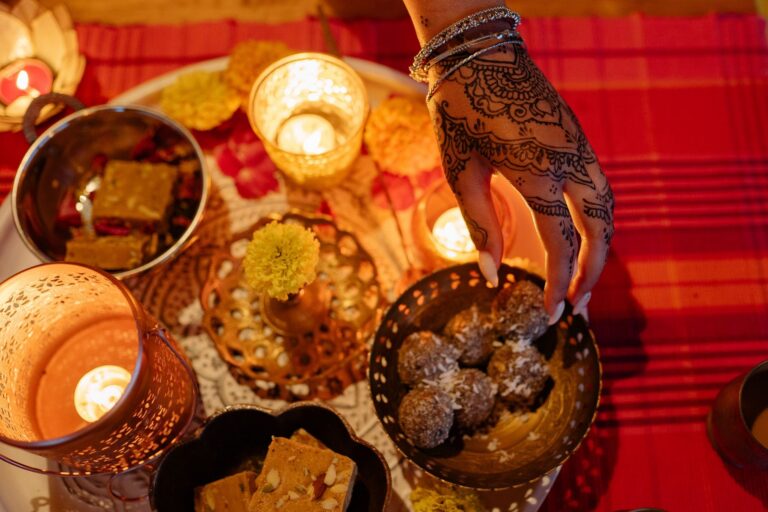
In Munich, breakfast has a deadline.
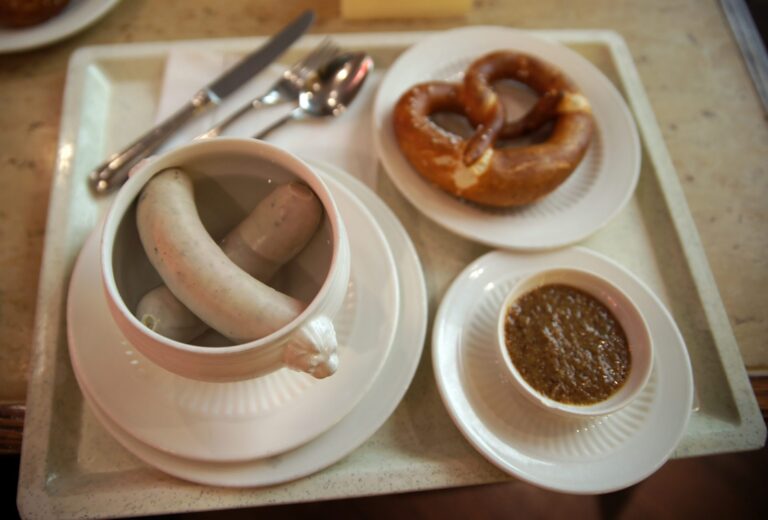
Ask someone to picture a traditional Portuguese breakfast and they might imagine a plate of eggs, bacon, and grilled tomatoes.
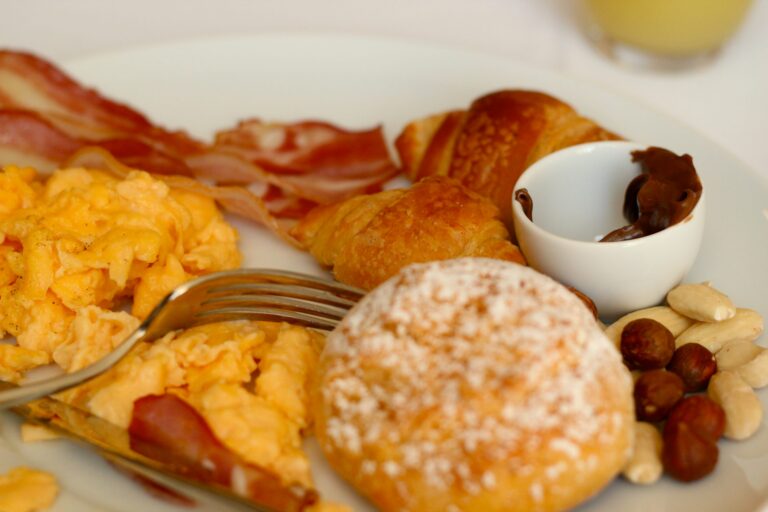
A traditional Finnish breakfast rarely looks like the sugary cereal bowls or fried-egg platters found elsewhere in Europe.
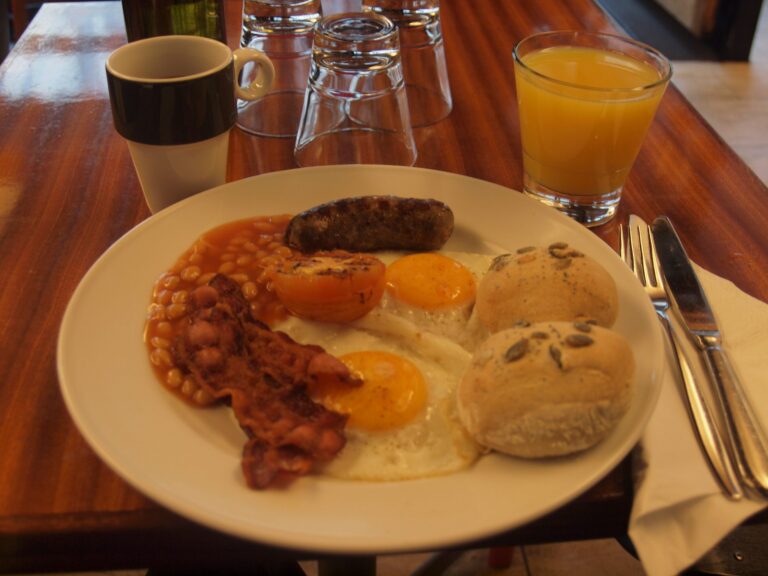
Ask ten people what a traditional Native American breakfast looks like, and most will picture fry bread.
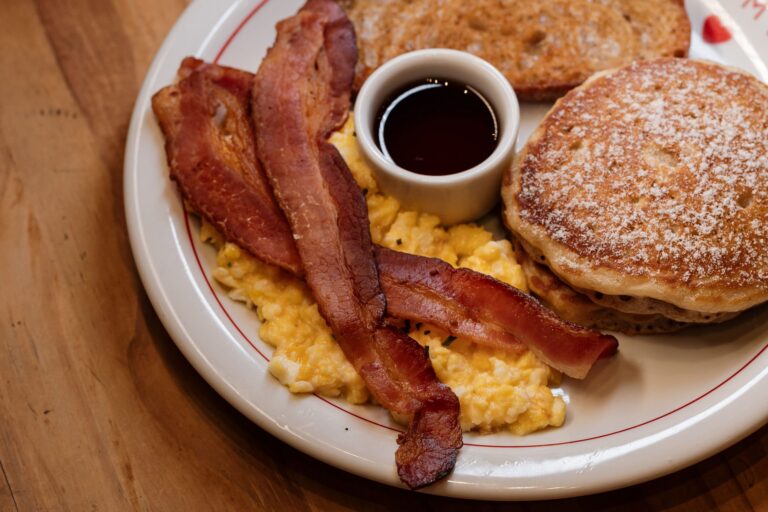
In Baghdad kitchens, morning often starts with a skillet still sizzling on the stove rather than a bowl of cereal.
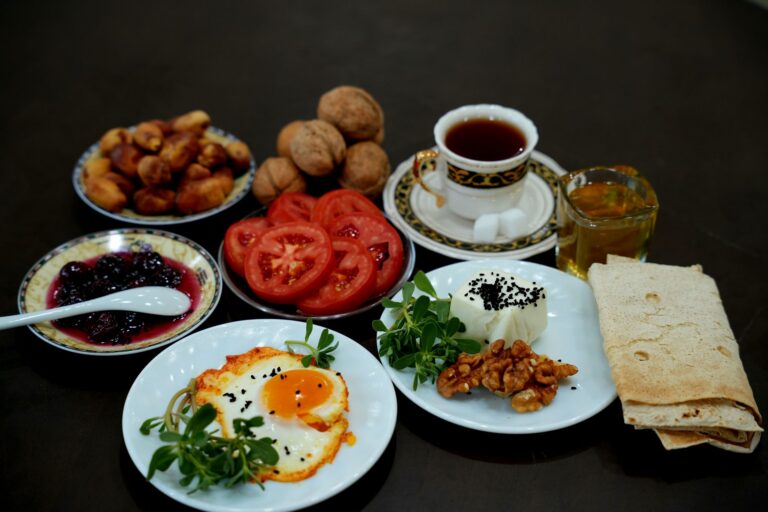
Ask a Dane what they had for breakfast, and eggs and bacon rarely come up.
Ask someone in Buenos Aires what they ate for breakfast, then ask the same question in Bogotá or Belize City, and the answers will barely overlap.