15 Traditional Italian Breads You Need to Try at Least Once

March 19, 2026
Italy is celebrated worldwide for its pasta, wine, and olive oil — but its bread culture is equally extraordinary, and far less understood outside its borders. Every region, and in many cases every town, has developed its own loaf over centuries of agricultural tradition, religious observance, and local pride. From the airy, oil-kissed flatbreads of Liguria to the dense, salt-free rounds of Tuscany, Italian bread is not a single thing. It is a living archive of geography, history, and identity baked into dough.
The 15 traditional Italian breads explored here span the full length of the peninsula — from the wheat fields of Puglia to the festive tables of Naples and the grain valleys of Emilia-Romagna. Whether someone is a seasoned home baker, a curious food traveler, or simply a lover of good bread, understanding these varieties opens a window into one of the world’s most nuanced and regionally diverse bread traditions. Each loaf tells a story, and each story is worth knowing.
Key Insight: Italy has more than 350 officially recognized bread varieties. Many carry IGP (Indicazione Geografica Protetta) or DOP (Denominazione di Origine Protetta) designations, meaning their production methods and geographic origins are legally protected by the European Union.
1. Ciabatta
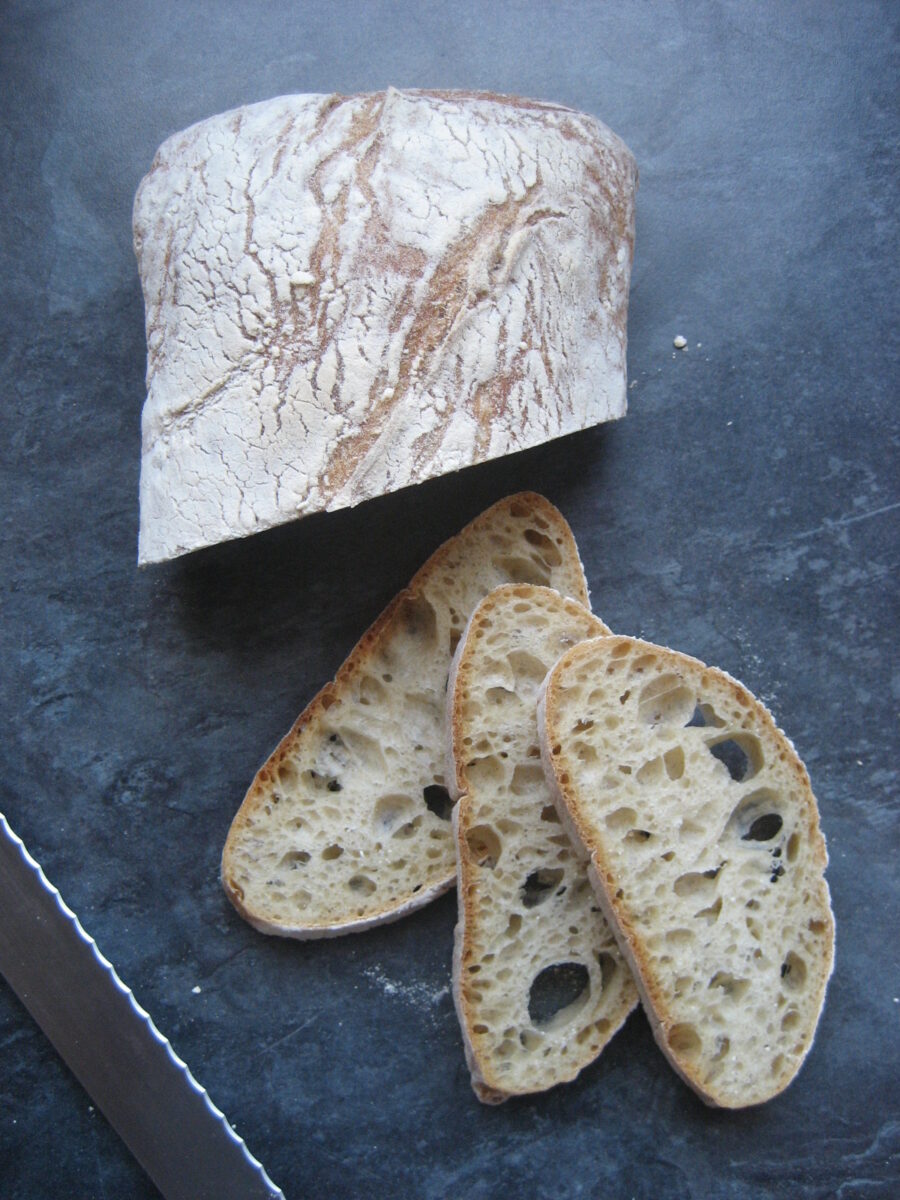
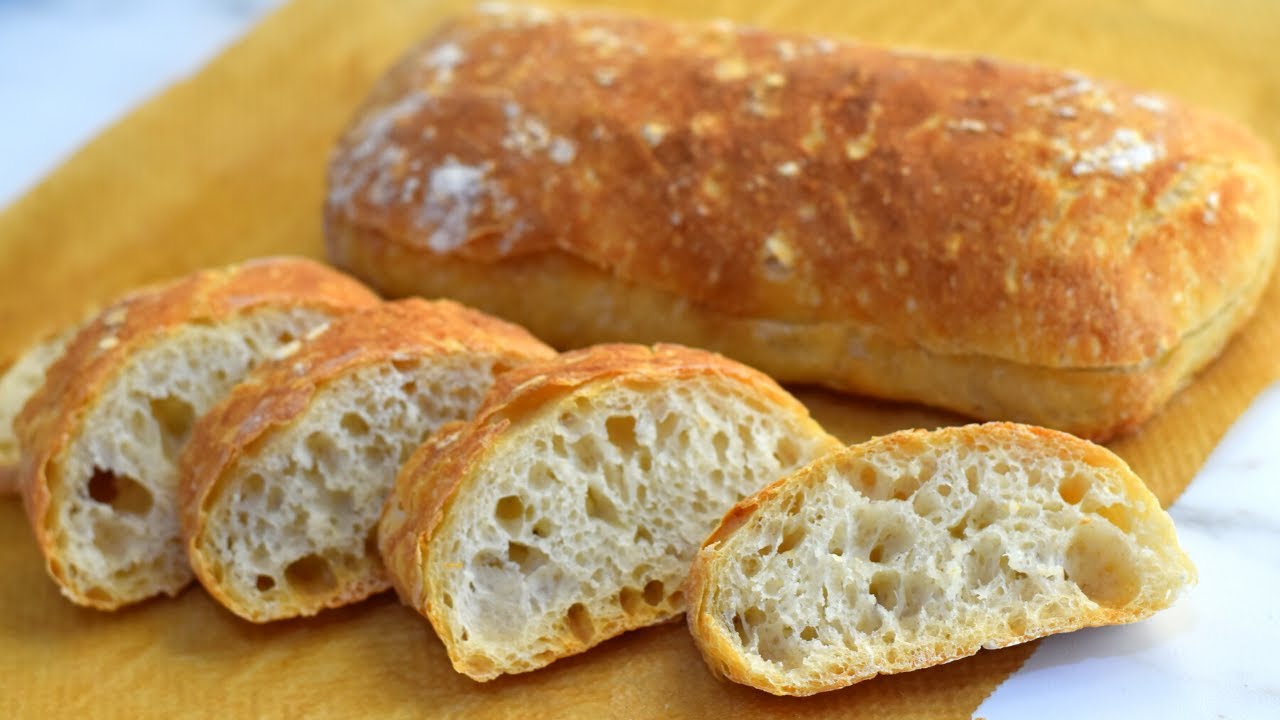
Few Italian breads have traveled as far or as successfully as ciabatta. Recognizable by its flat, elongated shape and dramatically open crumb — the large, irregular air pockets that give it a uniquely chewy texture — ciabatta has become one of the most widely consumed Italian breads outside Italy. What surprises many people is how recently it was created. Ciabatta was developed in 1982 by baker Arnaldo Cavallari in the Veneto region, making it one of the youngest breads on this list by several centuries.
The name translates literally to “slipper,” a reference to its flat, wide silhouette. Its dough is extraordinarily wet and slack — a high hydration formula that produces the signature holes and a crisp, thin crust once baked. Ciabatta is traditionally made with wheat flour, water, olive oil, salt, and yeast, though regional variations exist across Lombardy, Tuscany, and Umbria. It is the bread of choice for tramezzini (Italian sandwiches) and pairs beautifully with antipasto spreads and cured meats . For those interested in exploring other styles of bread from neighboring European traditions, the different types of German bread offer a fascinating contrast in texture and technique.
2. Focaccia
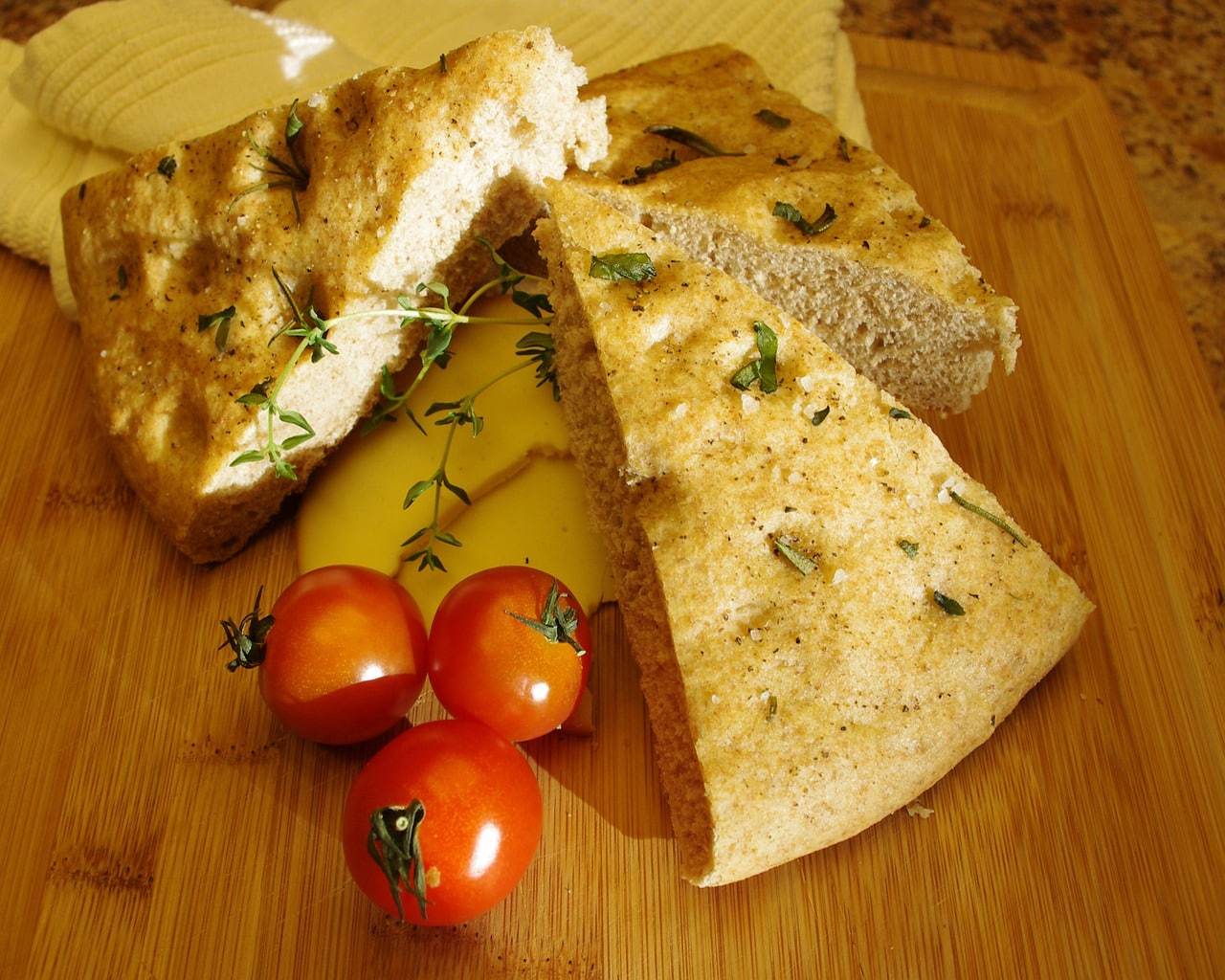
Focaccia is arguably the most versatile bread in the Italian repertoire. Originating in Liguria — where the Genovese version, known as focaccia al formaggio or simply fugassa, is considered a cultural institution — focaccia is a flatbread defined by its generous olive oil content, dimpled surface, and satisfying chew. The Ligurian original is seasoned simply with coarse sea salt and olive oil, but regional adaptations across Italy have introduced toppings ranging from rosemary and olives to caramelized onions, cherry tomatoes, and local cheeses.
Unlike ciabatta, focaccia has ancient roots. Evidence of similar flatbreads appears in Roman culinary records, and the bread’s name is believed to derive from the Latin focus, meaning hearth or fireplace — a nod to the original baking method. Today, focaccia is baked in flat sheet pans, producing a bread that is simultaneously crisp on the outside and pillowy within. In Puglia, a thicker, tomato-topped variation called focaccia barese holds its own regional identity. Those who enjoy exploring flatbread traditions will find equally rich variety in the different types of naan bread, another ancient flatbread tradition with deep cultural roots.
Pro Tip: The secret to authentic Ligurian focaccia is a two-stage olive oil application — once before the first rise and again just before baking. This double-oil method creates the characteristic golden, slightly crispy base that distinguishes it from all imitations.
3. Pane Toscano (Tuscan Bread)
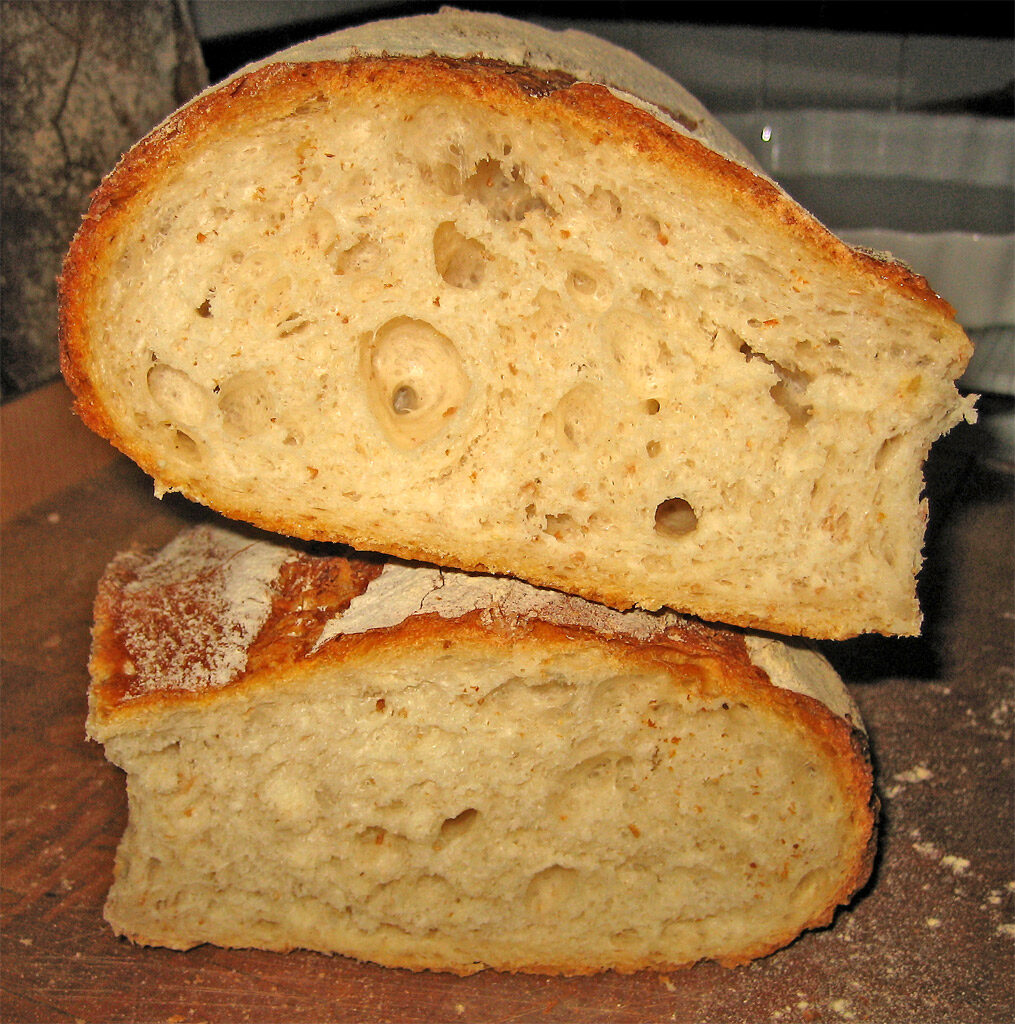
Pane Toscano is one of the most unusual breads in Italy for a single, defining reason: it contains no salt. This is not an oversight or a health-conscious modern adaptation — it is a deliberate, centuries-old tradition that traces back to a 12th-century trade dispute between Pisa and Florence that disrupted the salt supply. Tuscan bakers adapted by removing salt entirely from their dough, and the practice persisted long after the dispute ended.
The result is a bread with a mild, almost neutral flavor and a dense, tight crumb that serves as a deliberate counterpoint to the bold, heavily seasoned foods of Tuscan cuisine. Pane Toscano is not meant to be eaten alone — it is designed to accompany ribollita (a hearty bean and vegetable soup), panzanella (bread salad), and intensely flavored cured meats like finocchiona.
The bread’s saltlessness allows those flavors to dominate without competition. It holds a DOP designation, meaning only bread produced in Tuscany according to traditional methods can carry the official name. Its dense texture also makes it ideal for the beloved Tuscan tradition of bruschetta — thick slices grilled over open flame and rubbed with raw garlic.
4. Pane di Altamura
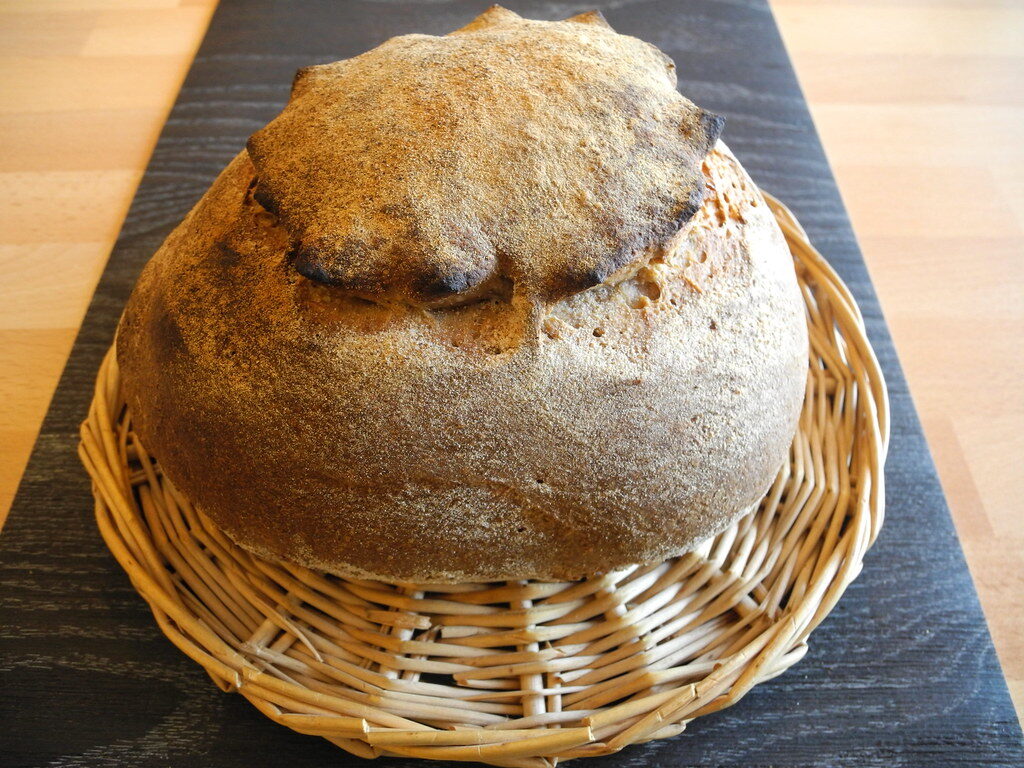
Pane di Altamura is widely regarded as one of Italy’s greatest breads, and it earned that reputation through centuries of perfection in the sun-baked hills of Puglia. Produced in and around the city of Altamura in the Murge plateau, this bread is made exclusively from semola rimacinata di grano duro — re-milled durum wheat semolina — giving it a golden yellow crumb, a thick crust, and an extraordinary shelf life. Properly made, a loaf of Pane di Altamura can remain fresh and flavorful for up to a week without preservatives.
It was the first bread in Europe to receive a DOP designation, awarded in 2003, and its production is strictly regulated: the wheat must be grown in the Altamura area, the water must be local, and the bread must be baked in traditional wood-fired ovens.
The loaves come in two traditional shapes — the skuanète (a round with a folded top) and the cappello del prete (priest’s hat). The flavor is complex and slightly tangy, with a nutty richness that comes directly from the durum wheat. Pane di Altamura’s protected status reflects just how seriously Italy takes the preservation of its regional bread heritage.
Important Note: Authentic Pane di Altamura cannot legally be produced outside the designated geographic zone in Puglia. Bread sold under this name in other regions or countries is not the genuine article, regardless of how closely it follows the recipe.
5. Grissini
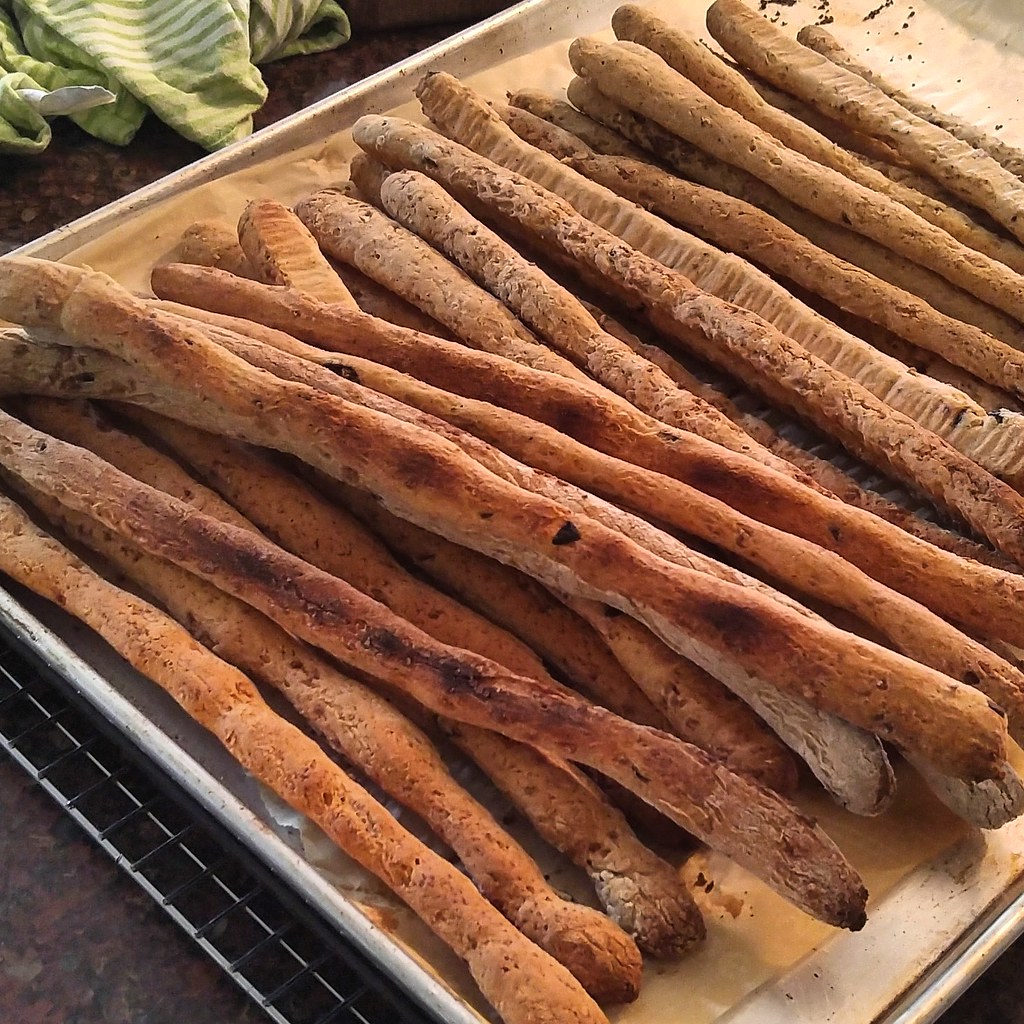
Grissini are the slender, crisp breadsticks that have become a universal symbol of Italian dining — the thin, crunchy sticks found wrapped in paper on restaurant tables across the world. But their origins are specifically Turinese, rooted in the culinary history of Piedmont in northwestern Italy. According to the most widely cited historical account, grissini were created in Turin in the late 17th century for the young Duke Vittorio Amedeo II, who suffered from digestive ailments and required an easily digestible bread. The court baker, Antonio Brunero, developed an elongated, twice-baked stick that became a staple of Piedmontese baking.
Traditional Turinese grissini — known as grissini torinesi or rubatà — are hand-rolled, giving each stick a slightly irregular shape and a distinctive rough texture that distinguishes them from the machine-made versions found in mass production. They are made from simple dough: flour, water, yeast, olive oil, and salt.
Napoleon Bonaparte was reportedly so fond of grissini that he had them imported regularly to France, calling them “little batons of Turin.” Modern variations include grissini wrapped in prosciutto, flavored with rosemary, or dipped in sesame seeds.
6. Pagnotta
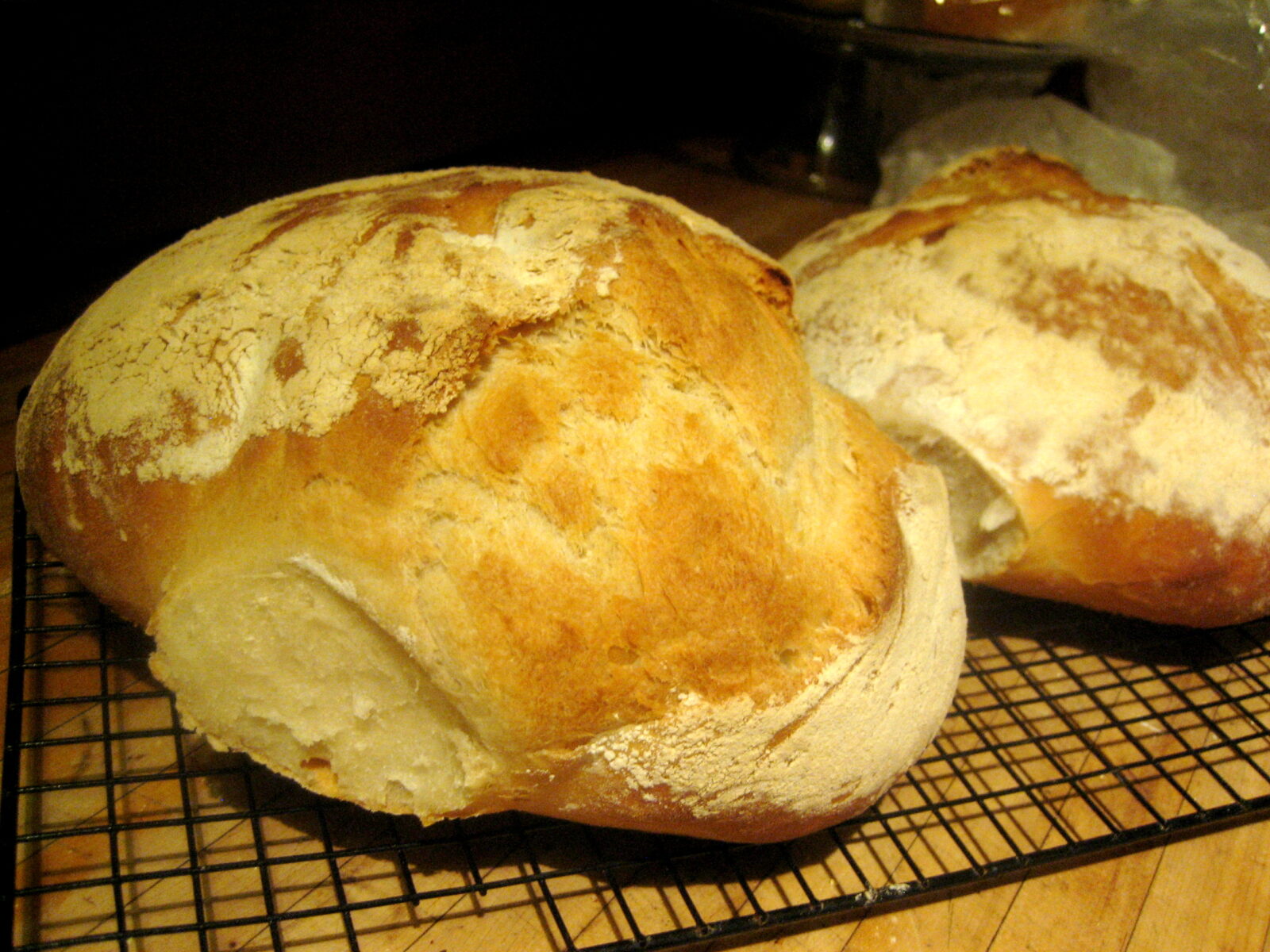
Pagnotta is the quintessential Italian country loaf — a round, rustic bread with a thick crust and a soft, airy interior that has sustained rural Italian families for generations. The name itself simply means “big loaf” in Italian, and the bread is found in various forms across the entire peninsula, though the most celebrated version is Pagnotta del Dittaino, a DOP-protected bread from Sicily made with durum wheat semolina from the Dittaino river valley.
What distinguishes the Sicilian pagnotta is its use of lievito madre — natural sourdough starter — which gives the bread a subtle tang and contributes to its impressive keeping qualities. The loaves are large, often weighing between one and two kilograms, and their golden crust develops a deep, caramelized flavor during the long bake. Historically, pagnotta was baked once or twice a week in communal village ovens, and its size was designed to last a family through several days of meals.
It is equally suited to being eaten fresh with olive oil and tomatoes or used the following day as the base for panzanella or soups. For those curious about the broader world of food traditions, exploring the different types of food across cultures reveals how profoundly bread shapes culinary identity everywhere.
7. Rosetta (Also Called Michetta)
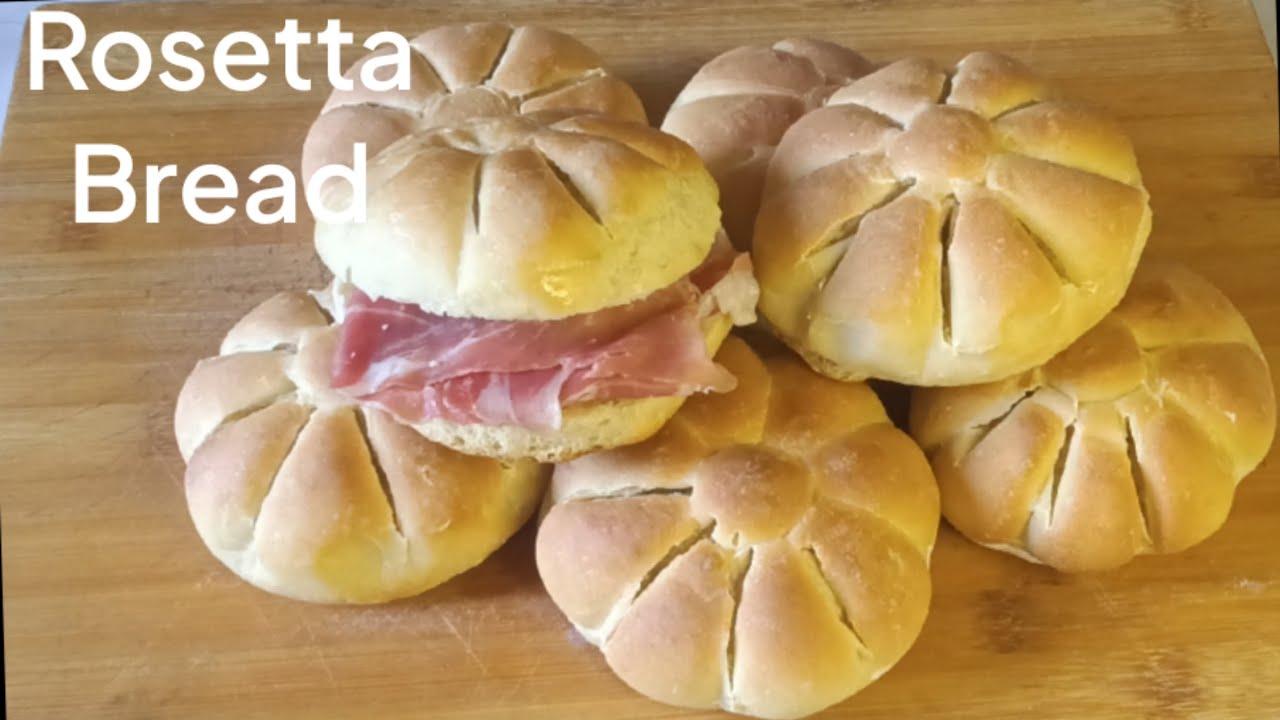
The rosetta is one of the most architecturally distinctive breads in Italy. Named for its flower-like shape — five petals radiating from a central point — this hollow roll is the iconic bread of Milan and the broader Lombardy region, where it is more commonly called michetta. The defining characteristic of the rosetta is its interior: unlike most rolls, which have a soft, doughy crumb, the rosetta is almost entirely hollow inside, with a thin, crisp shell that shatters satisfyingly when bitten.
This hollow structure is achieved through a precise baking technique involving high oven temperatures and steam, which causes the dough to puff dramatically and leave an air pocket at the center. The result is a bread that is extraordinarily light — a single rosetta weighs only about 50 grams despite its impressive visual presence.
In Milan, the rosetta is the traditional vessel for panino fillings, particularly mortadella, which is considered the classic pairing. The bread’s crispness holds up well to moist fillings without becoming soggy. Milanese bakers take considerable pride in the rosetta’s precise shape, and the skill required to form it correctly is considered a mark of professional craftsmanship.
Pro Tip: Rosetta is best eaten within two to three hours of baking. Unlike most breads, its thin shell softens quickly once it cools completely, losing the characteristic crunch that defines the eating experience.
8. Filone
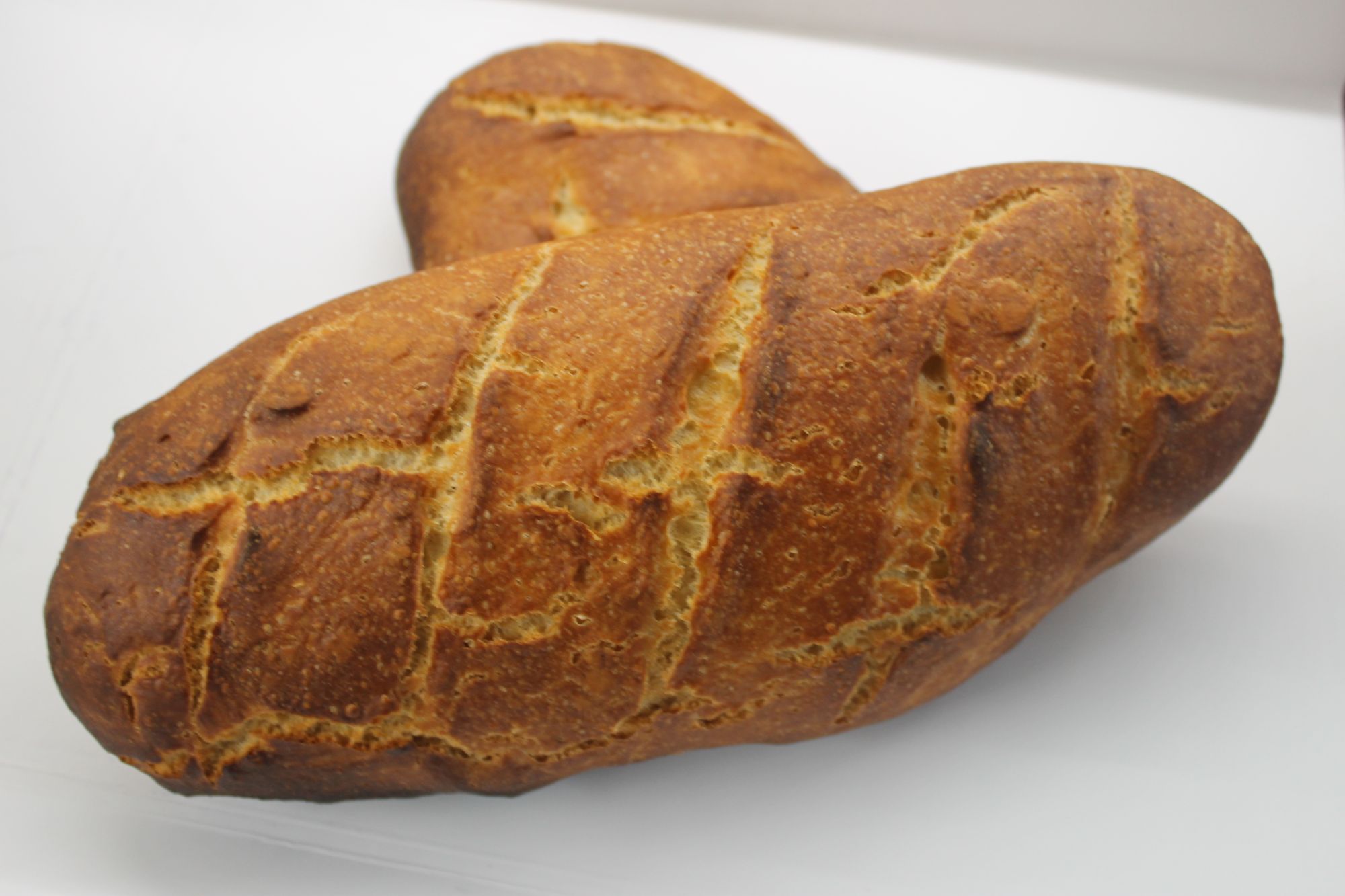
Filone is Italy’s answer to the French baguette — a long, cylindrical loaf with a crackling crust and a soft, open crumb — though it predates the baguette’s cultural dominance and carries its own distinctly Italian character. The name derives from the Italian word for “vein” or “seam,” a reference to the long, continuous shape of the loaf. Filone is produced across Italy, with notable regional variations in Tuscany, Umbria, and Lazio, and it serves as the everyday table bread for millions of Italian households.
Compared to the baguette, filone tends to be slightly wider, with a thicker crust and a more pronounced chew. The crumb is creamy white with irregular holes, and the flavor is mild and wheaty with a pleasant yeasty undertone. Filone is the bread most commonly used for making bruschetta in central Italy, sliced thickly, grilled until charred at the edges, and rubbed with raw garlic before being drizzled with local olive oil. It also forms the base of pappa al pomodoro, the classic Tuscan tomato and bread soup that transforms day-old filone into something deeply comforting. The bread’s straightforward flavor profile makes it one of the most food-friendly loaves in the Italian tradition.
9. Coppia Ferrarese
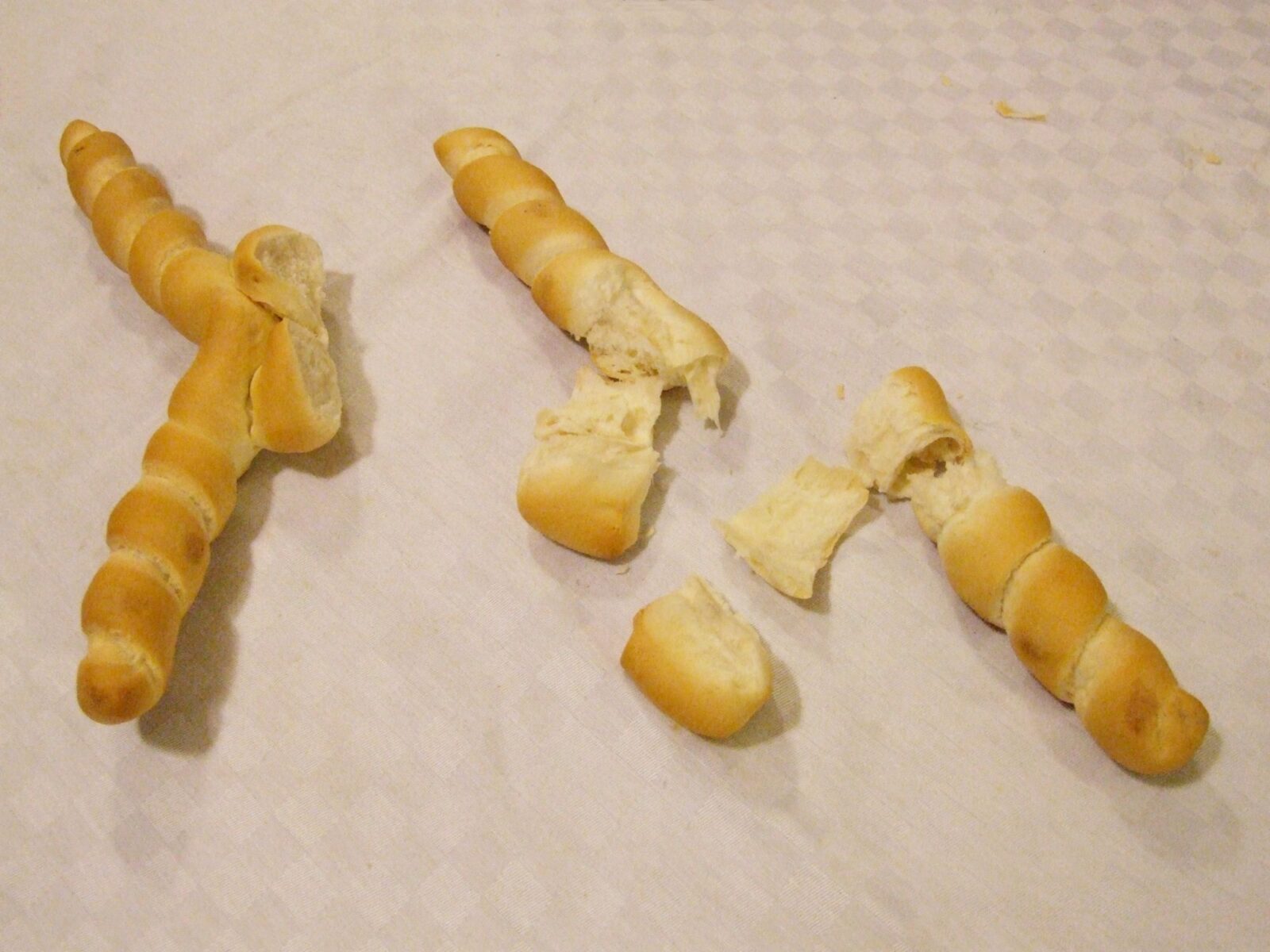
Coppia Ferrarese is one of the most visually striking breads in Italy, and its shape alone sets it apart from every other loaf on this list. Produced in the city of Ferrara in Emilia-Romagna, coppia — which means “couple” or “pair” — consists of two twisted, intertwined strands of enriched dough that curl outward at both ends, creating a form that resembles a double helix or an ornate heraldic symbol. Its IGP designation protects both the recipe and the production area.
The dough is enriched with lard, olive oil, and malt, giving the bread a richer, more savory flavor than most Italian breads and a particularly satisfying crunch. The twisting technique is not merely decorative — it creates multiple layers of crust that maximize the bread’s crispness. Coppia Ferrarese has roots in the Renaissance court of the Este family, who ruled Ferrara from the 13th to the 16th century and were known for their sophisticated culinary culture.
Historical records suggest the bread was served at Este banquets as early as the 15th century. Today it remains a source of intense local pride, and Ferrarese bakers guard the traditional shaping technique carefully. It pairs particularly well with the cured meats and aged cheeses of Emilia-Romagna, including salame da sugo and Parmigiano-Reggiano.
Key Insight: The distinctive twisted shape of Coppia Ferrarese is not formed by machine. Each loaf is hand-shaped by skilled bakers using a specific folding and rolling technique that takes years to master. This handcraft requirement is one reason the bread remains a specialty item rather than a mass-produced product.
10. Piadina
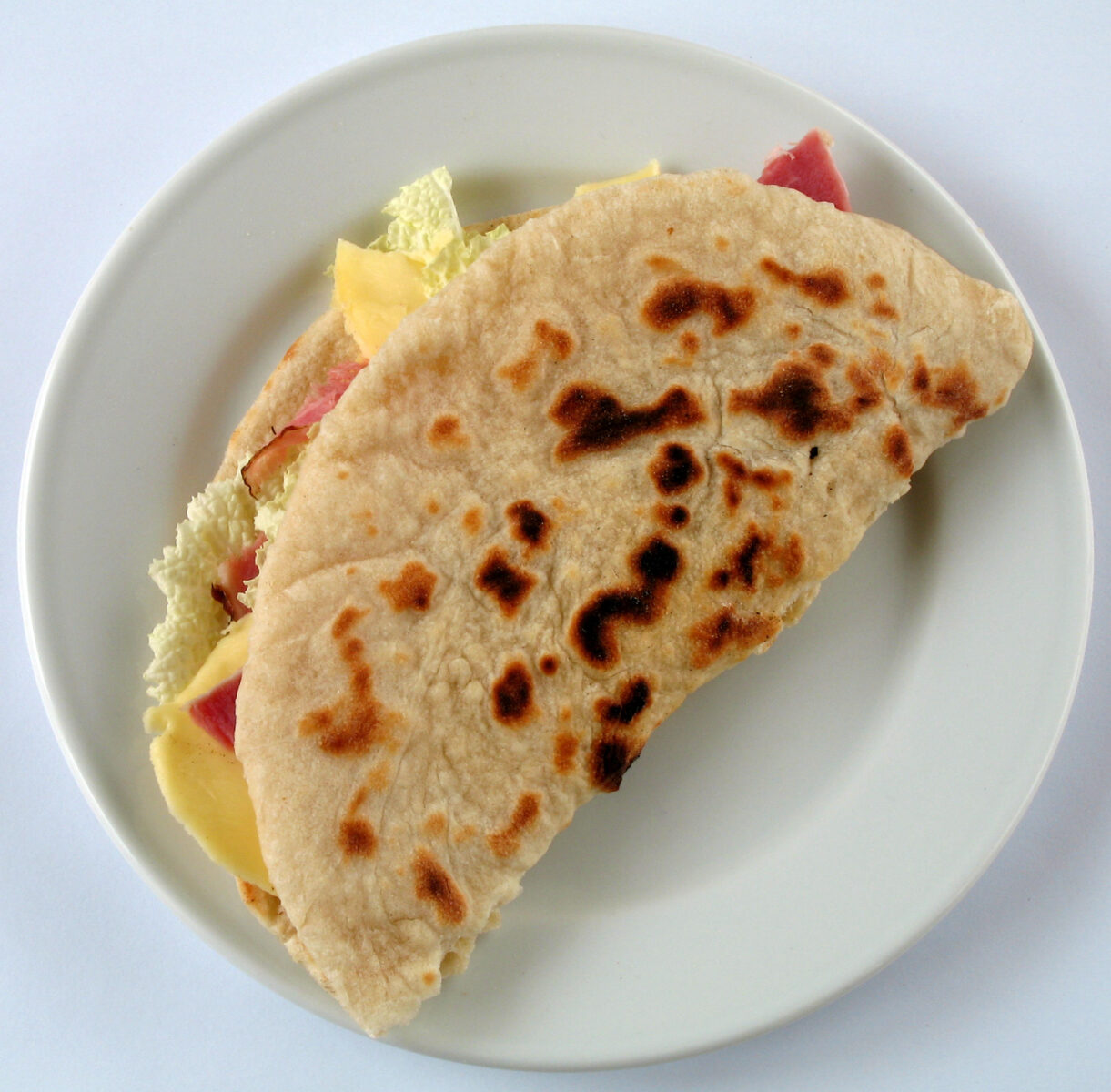
Piadina is the flatbread of Emilia-Romagna, and in the Romagna sub-region — the coastal area stretching from Rimini to Ravenna — it occupies a place in daily life that few other breads achieve anywhere in Italy. Thin, soft, and cooked on a flat griddle rather than baked in an oven, piadina is the bread of the people: quick to make, endlessly versatile, and deeply satisfying. The poet Giovanni Pascoli famously called it “the bread of the Romagna people,” and that description has stuck for over a century.
Traditional piadina dough is made from white flour, lard (or olive oil in coastal variations), salt, and water or milk, with some recipes including a small amount of baking soda for lift. The dough is rolled into thin rounds and cooked on a testo — a flat terracotta or cast-iron griddle — until lightly charred in spots and cooked through.
The result is a pliable, slightly smoky flatbread that serves as a wrap, a sandwich vessel, or simply a side to accompany meals. Classic fillings include squacquerone (a soft, tangy local cheese), prosciutto di Parma, and fresh arugula . Piadina Romagnola holds an IGP designation, and two official size variations exist: the thinner Rimini style and the thicker, softer Forlì-Cesena version.
11. Casatiello
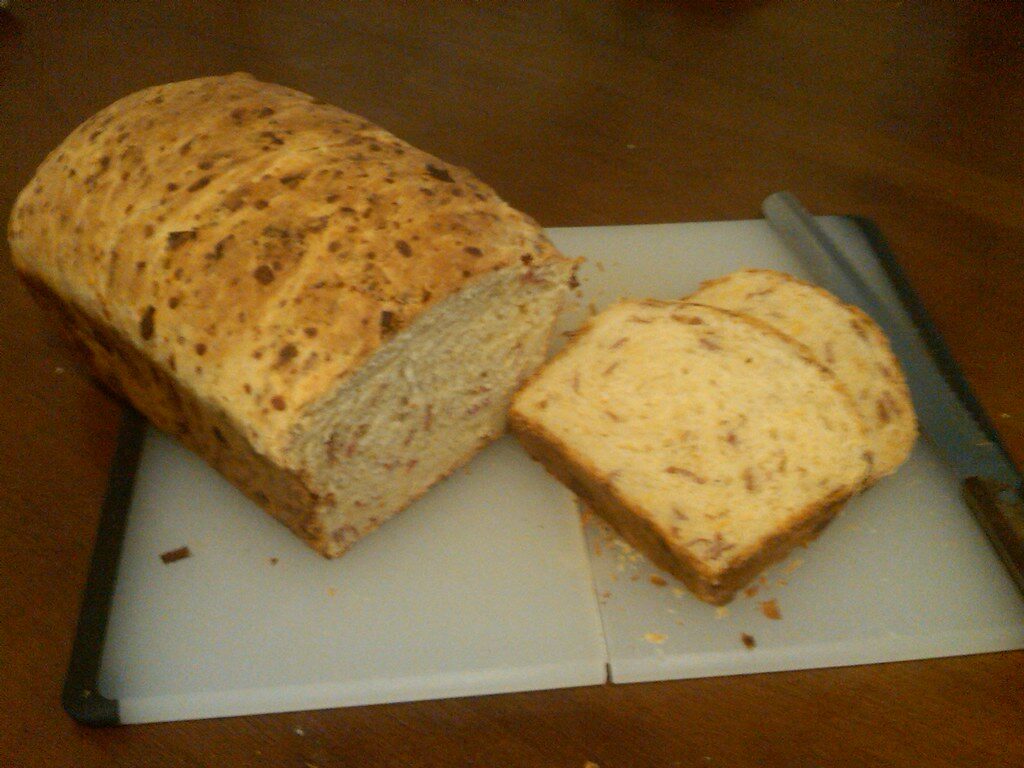
Casatiello is a Neapolitan Easter bread that carries the weight of centuries of religious tradition in every slice. A savory, enriched ring-shaped loaf from the Campania region, casatiello is packed with cured meats — typically Neapolitan salami, lard, and cicoli (pork cracklings) — and studded with aged cheeses such as pecorino and caciocavallo. Whole raw eggs, still in their shells, are pressed into the top of the dough before baking, held in place by crossed strips of dough, and they cook in place as the bread bakes, emerging hard-boiled and nestled into the crust.
The eggs are not merely decorative — they are deeply symbolic, representing resurrection and new life in the Catholic Easter tradition. The name casatiello derives from the Neapolitan dialect word caso, meaning cheese, reflecting the bread’s rich cheese content. Casatiello is traditionally prepared on Holy Thursday, left to rise overnight, and baked on Good Friday so that it is ready to eat on Easter Saturday and Sunday.
The bread is dense, intensely flavored, and extraordinarily filling — a single slice constitutes a substantial meal. It is often confused with tortano, a similar Neapolitan bread that uses hard-boiled eggs mixed into the dough rather than displayed on top. Those who appreciate how food intersects with cultural celebration may also enjoy reading about food traditions from around the world.
Common Mistake: Casatiello and tortano are frequently confused, even by Italian sources. The key distinction is egg placement: casatiello displays whole raw eggs on top of the loaf (they bake in place), while tortano incorporates hard-boiled eggs chopped into the dough filling.
12. Colomba Pasquale
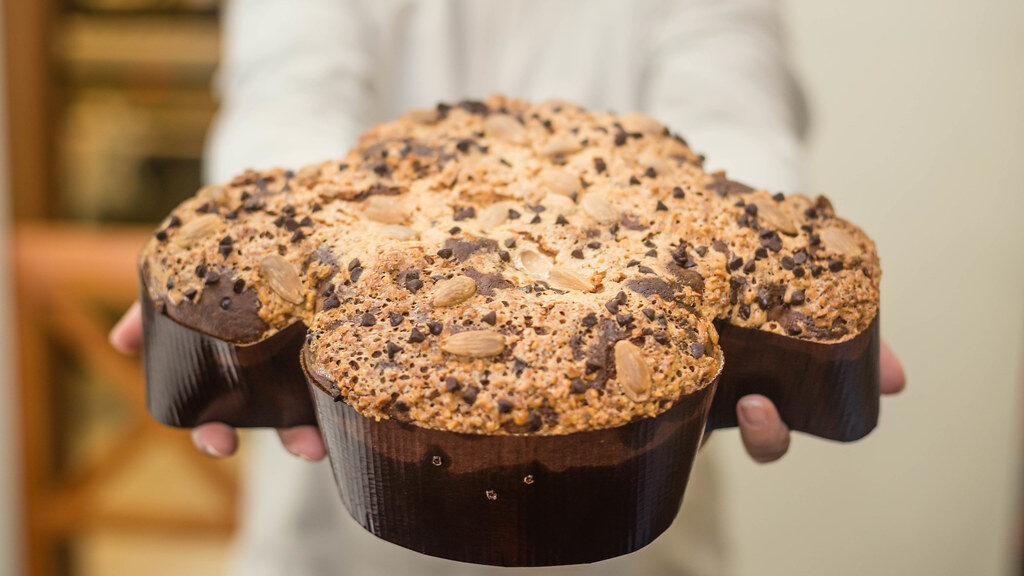
Colomba Pasquale — Easter Dove — is one of Italy’s most beloved festive breads, a sweet, enriched loaf shaped like a dove that appears in bakeries and homes across the country every spring. Its silhouette is unmistakable: a wide body with outstretched wings, dusted with a crunchy pearl sugar and almond glaze that caramelizes beautifully during baking. The crumb is rich, golden, and deeply aromatic, flavored with candied orange peel and vanilla, and leavened with natural lievito madre starter through a multi-day process that gives the bread its characteristic lightness and complex flavor.
The origins of colomba are somewhat contested. The most romantic account traces the shape to 6th-century Lombardy, where doves of bread were offered to the Lombard King Alboin as a peace offering. A more commercially documented origin places its modern form in Milan in the 1930s, when the Motta bakery company popularized the dove-shaped Easter bread as a companion to their successful Christmas panettone.
Regardless of its precise origin, colomba pasquale is now produced by artisan bakers and industrial manufacturers alike, with artisan versions — made with natural leavening and high-quality candied fruit — commanding significant price premiums and devoted followings. The dove shape symbolizes peace and the Holy Spirit in Christian tradition, making colomba both a culinary and a spiritual centerpiece of the Italian Easter table.
13. Pane di Pasqua
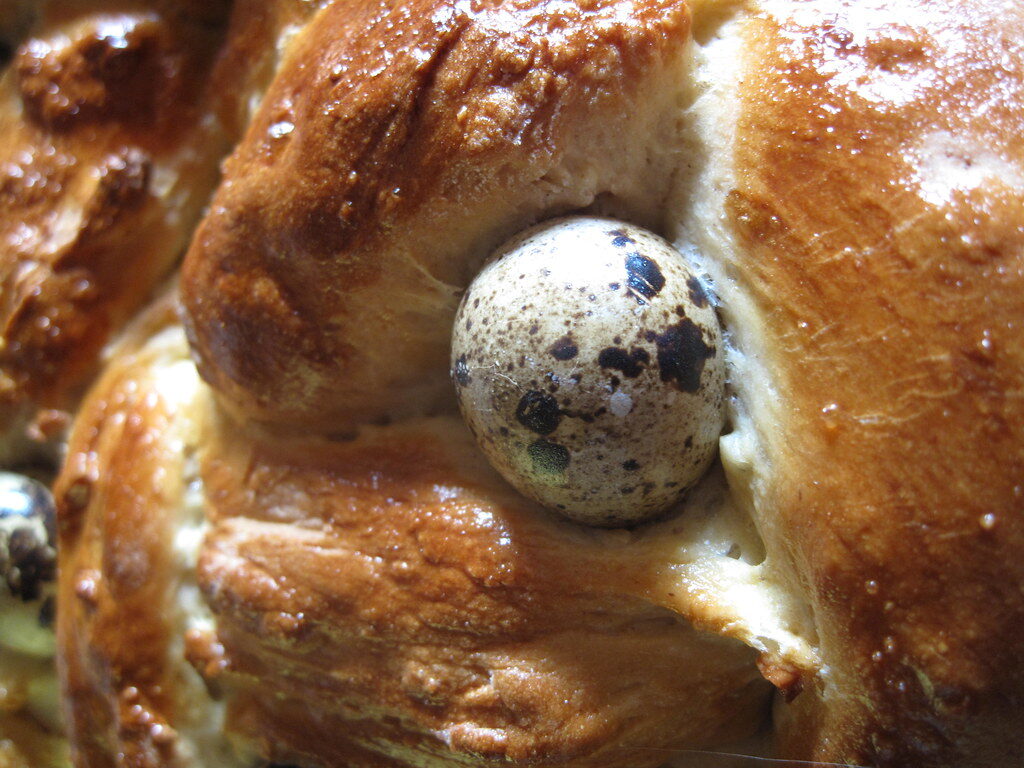
While colomba pasquale dominates the sweet Easter bread tradition in northern Italy, Pane di Pasqua — Easter Bread — encompasses a broader and more diverse category of festive breads that vary dramatically by region. In central and southern Italy, pane di Pasqua often takes the form of a braided or twisted enriched loaf, sweetened with sugar and flavored with anise, lemon zest, or vanilla, and decorated with whole colored eggs nestled into the braid. In some regions, the loaves are shaped into symbolic forms: crosses, crowns, lambs, or figures representing the risen Christ.
Unlike colomba, which has a relatively standardized form, pane di Pasqua is a category that reflects the extraordinary regional diversity of Italian baking. In Umbria, the savory version — crescia di Pasqua — is a tall, cheese-enriched bread leavened with eggs and flavored with black pepper and pecorino.
In Calabria, sweet Easter breads are shaped into elaborate figurative forms and given as gifts. In Sicily, intricately decorated breads called cuddura incorporate hard-boiled eggs and are exchanged between family members as symbols of affection and good fortune. The common thread across all these variations is the use of enriched, egg-heavy dough and the association of the bread with renewal, celebration, and the breaking of the Lenten fast. Exploring these festive traditions alongside other seasonal foods reveals how deeply food culture is intertwined with the rhythms of religious and agricultural life.
14. Pane Integrale
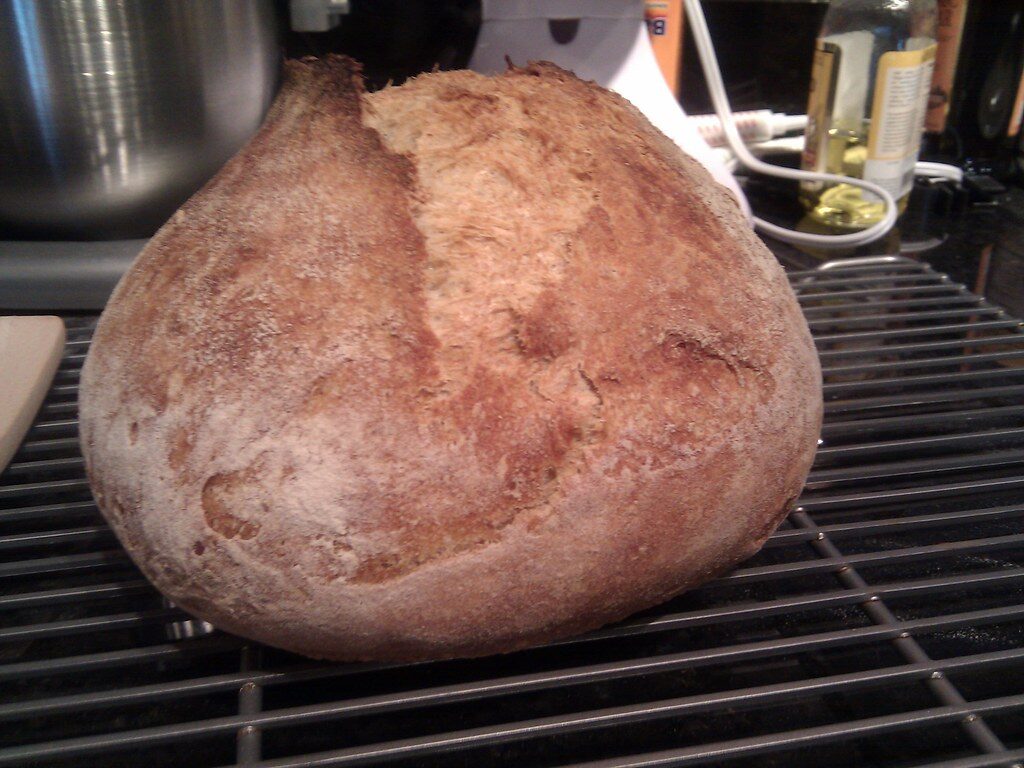
Pane Integrale is Italy’s whole wheat bread — integrale meaning “whole” or “complete” in Italian — and it represents the country’s long tradition of milling and using the entire grain rather than refining it into white flour. While white bread has historically been associated with wealth and refinement in Italian culture (peasants ate darker, coarser bread while aristocrats ate white), whole wheat bread has experienced a significant cultural rehabilitation in recent decades as awareness of its nutritional benefits has grown.
Modern pane integrale is produced across Italy in a variety of forms — round loaves, long filoni, and small rolls — using flour that retains the bran and germ of the wheat kernel. The result is a bread with a denser crumb, a nuttier, more complex flavor, and a darker color than its white counterparts. Many artisan bakers combine whole wheat flour with sourdough leavening to enhance digestibility and develop a more nuanced flavor profile.
Pane integrale pairs well with strong cheeses, bitter greens, and robust olive oils, and it holds up particularly well to being used in soups and stews where a more delicate white bread would disintegrate. For those interested in how different grains shape bread traditions, a comparison with other whole grain European breads reveals fascinating parallels and divergences in baking philosophy.
Key Insight: In Italian labeling, “integrale” specifically refers to flour made from the whole grain. Bread labeled “di grano duro” (durum wheat) or “semintegrale” (semi-whole wheat) uses partially refined flour and will have a lighter color and milder flavor than true whole wheat pane integrale.
15. Pane di Segale
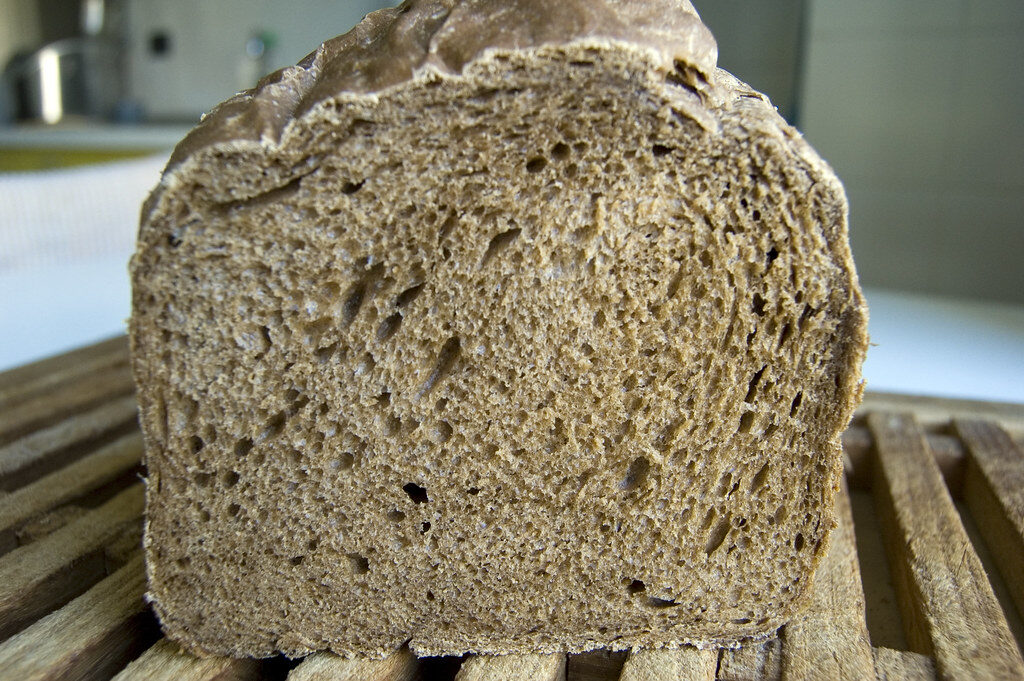
Pane di Segale — rye bread — is the bread of the Italian Alps, a dense, dark, and deeply flavored loaf that reflects the agricultural reality of mountain communities where wheat struggled to grow but rye thrived in the cold, thin soils. Found primarily in the Alpine regions of Valle d’Aosta, Trentino-Alto Adige, and Friuli-Venezia Giulia, pane di segale is as much a product of geography as of culinary tradition.
In the German-speaking South Tyrol region, where the bread is called Roggenbrot, it is virtually indistinguishable from the rye breads of neighboring Austria and Germany — a reminder that Italian food culture at its northern edges blends seamlessly with Central European traditions.
Traditional Alpine rye bread is made with a high proportion of rye flour — sometimes 100% rye, sometimes blended with wheat — and leavened with sourdough starter, which is essential for managing rye’s unique gluten structure and developing its characteristic sour, earthy flavor. The loaves are dense and moist, with a tight crumb and a thick, deeply colored crust.
They keep exceptionally well — Alpine farmers historically stored rye loaves for months in cool, dry conditions, slicing off pieces as needed. The bread pairs naturally with the cured meats, aged cheeses, and pickled vegetables of mountain cuisine: speck, bresaola, asiago, and grana padano. Those interested in the rye bread traditions of neighboring cultures will find rich parallels in the different types of German bread, where rye plays an equally central role in regional identity.
Conclusion
What emerges from exploring these 15 traditional Italian breads is not just a catalog of shapes and flavors — it is a portrait of a country that has never treated bread as ordinary. From the protected durum wheat loaves of Puglia to the festive dove-shaped sweets of Lombardy, from the hollow rolls of Milan to the rye-dark mountain bread of the Alps, Italian bread culture is as varied and as deeply rooted as the landscape that produced it.
Each of these breads rewards attention. Seeking out an authentic piadina in Rimini, a properly made rosetta in Milan, or a wood-fired pagnotta in Sicily is not merely a culinary experience — it is a form of cultural literacy, a way of understanding how people have lived, celebrated, and sustained themselves across centuries. For anyone who loves food at its most honest and most human, Italian bread is an endlessly rewarding subject. And the best way to understand it, ultimately, is to eat it — preferably in the place where it was made.
Pro Tip: When traveling in Italy, seek out breads at local forni (bakeries) rather than supermarkets. Many of the most exceptional regional breads — coppia ferrarese, pane di Altamura, rosetta — are only available fresh from artisan bakers, and the difference in quality is impossible to overstate.