Can You Freeze Raw Potatoes for French Fries? (Yes — Here’s How)

November 6, 2026
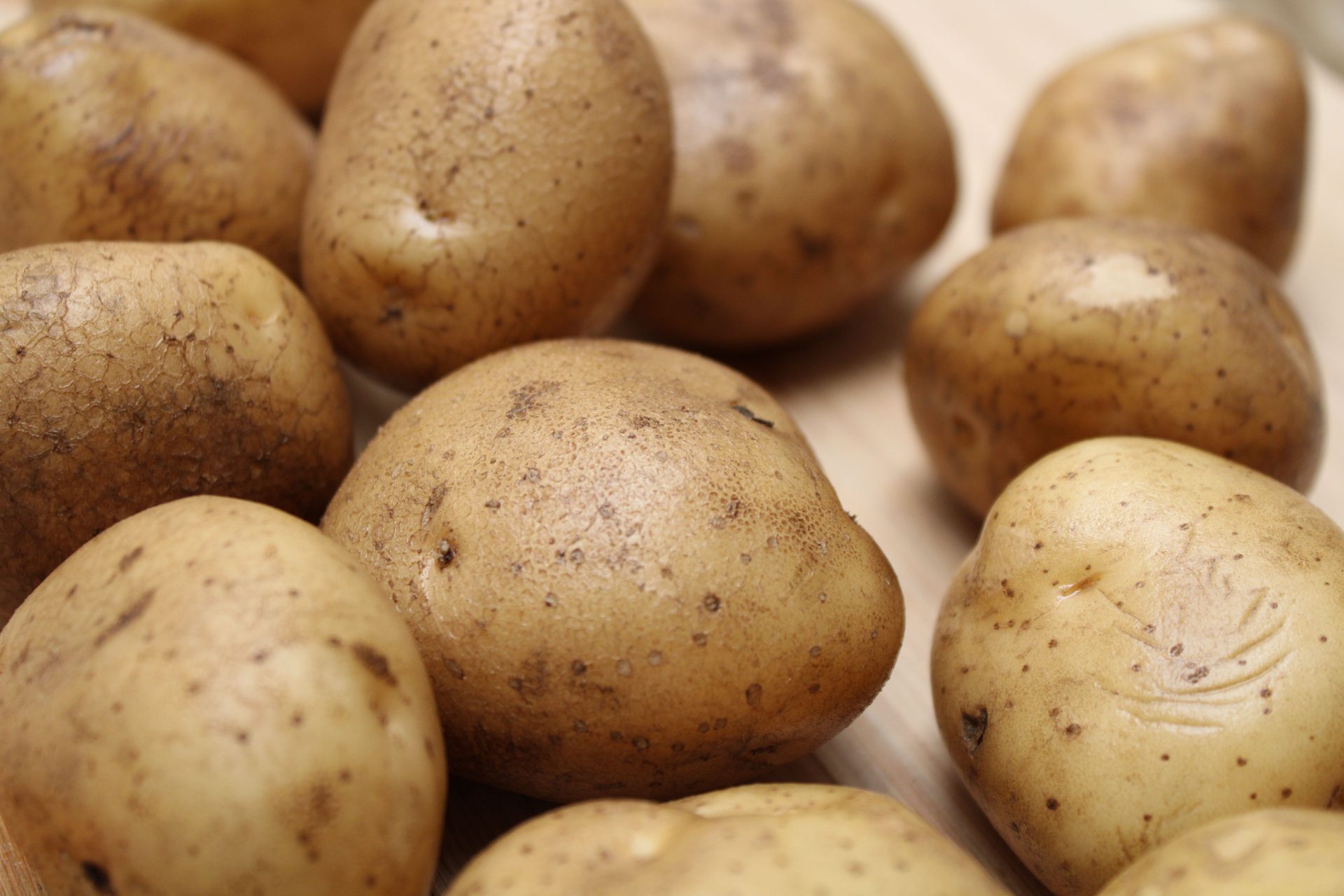
French fries are one of America’s favorite foods, and if you’ve ever ended up with a surplus of potatoes from a bulk buy, a garden harvest, or a warehouse store run, you’ve probably wondered whether you can freeze them raw and call it a day. The short answer is yes — but with one important catch that makes all the difference between crispy fries and a mushy disappointment.
Freezing potatoes for french fries takes just a bit of prep work upfront, and the payoff is a freezer stocked with homemade fries you can cook any night of the week. This guide walks you through everything: how to prep them correctly, how long they keep, how to cook them from frozen, and what to watch out for along the way.
Can You Freeze Raw Potatoes for French Fries?
Technically yes, you can freeze raw potatoes — but their texture may suffer when defrosted or cooked. Potatoes are about 80% water, so the ice crystals that form during freezing and defrosting can burst their delicate cell walls, making them mushy or mealy. That’s not what you want when you’re going for a crispy fry.
The best way to freeze potatoes is to cut and cook them first. Because potatoes are up to 80% water, parboiling helps them maintain their flavor and texture once frozen. This partial cooking step stops the enzymatic activity that causes raw frozen potatoes to degrade in quality.
The good news: you have two solid methods to choose from before freezing — blanching/parboiling in boiling water, or a quick pre-bake in the oven. You can either pre-bake or parboil the fries before freezing, and both methods work great. The sections below cover both approaches so you can pick whichever fits your kitchen routine.
Pro Tip: Russet (Idaho) potatoes are the best choice for homemade frozen fries. Their high starch and low moisture content produces that classic crispy outside and fluffy inside result. Yukon Golds work too if you prefer a slightly creamier, denser fry.
Does Freezing Change the Texture or Taste of Raw Potatoes for French Fries?
Yes — and understanding why helps you avoid the most common mistake. Potatoes contain a lot of water, so it’s important to parboil them before freezing so they don’t end up mushy or grainy. Skipping the pre-cook step and tossing raw cut potatoes straight into the freezer almost always leads to disappointing results.
The frozen fries and shredded potatoes you get in the grocery store’s frozen food section are flash-frozen, so if you freeze potatoes to make these items at home, the final texture will be a bit softer — not bad, just different. Home freezers don’t reach the ultra-low temperatures that commercial flash-freezers use, so your homemade fries will have a slightly softer bite than store-bought. The flavor, however, is noticeably fresher and you control exactly what goes in them.
When it comes to taste, properly prepped homemade frozen fries hold up very well. Soaking the cut fries in cold water pulls the starch out of the potatoes, which is what gives you a crispier fry in the end. Pair that soak with a thorough drying step before freezing, and you’ll get fries that cook up golden and satisfying straight from the freezer. If you’re curious about the calorie count of french fries, making them at home also gives you full control over oil and seasoning.
How to Freeze Raw Potatoes for French Fries the Right Way
There are two reliable methods: the parboil method and the pre-bake method. Both require a cold-water soak first. Here’s how to do it step by step.
Step 1: Choose and Cut Your Potatoes
Russet or Idaho Russet potatoes are the top recommendation for making fries. They are a starchy type of potato, which means they’ll be fluffy inside and crispy outside when cooked. Wash, peel, and cut them into your preferred shape — shoestring, standard cut, steak fries, or wedges. Try to keep them roughly the same thickness so they cook evenly.
Step 2: Soak in Cold Water
Place cut fries in a bowl with cold water and soak them for at least 1 hour. If you soak them longer, place the bowl in the fridge. This step removes excess starch so they get crispier when cooked later. For a large batch, soaking overnight in the refrigerator works even better.
Step 3: Pre-Cook (Choose One Method)
Parboil method: Add the fries to boiling water and boil for 3–6 minutes until they’re just getting tender in the middle but not fully cooked. For larger fries like steak fries or crinkle cut, boil them for 5–6 minutes. Shoestring fries will take about 3–4 minutes. Remove the potatoes from heat and put them into an ice bath to stop the cooking. Then drain thoroughly and pat completely dry.
Pre-bake method: Toss dried fries with olive oil until lightly coated, spread in a single layer on parchment-lined baking sheets, and bake at 425°F for 15 minutes until just starting to turn golden — do not fully cook them. Let them cool completely before the next step.
Step 4: Flash Freeze on a Baking Sheet
Spread cooled fries in a single layer on parchment-lined baking sheets and freeze for 2–3 hours until solid. Transfer to labeled freezer bags, remove as much air as possible, and seal. This flash-freeze step keeps the fries from clumping together into one solid mass in the bag.
Pro Tip: After sealing your freezer bags, press them flat before placing them in the freezer. Flat bags stack efficiently, save space, and make it easy to grab just the portion you need without breaking apart a frozen clump.
How Long Can You Freeze Raw Potatoes for French Fries?
When stored in an airtight freezer bag with as much air removed as possible, homemade frozen french fries will keep well for up to 6 months. Some sources note a shorter window of around 3 months for best quality, so aim to use them within that range for peak flavor and texture. Either way, always label your bags with the date so you know exactly what’s in the freezer.
The biggest enemy of frozen fries is freezer burn, which happens when air gets to the surface of the food. Label and date the containers before placing them in the freezer — and squeeze out every bit of air you can before sealing. A vacuum sealer is ideal for longer storage if you’re prepping large batches.
| Storage Method | Estimated Freezer Life | Best For |
|---|---|---|
| Standard zip-lock freezer bag (air squeezed out) | Up to 3–6 months | Everyday home use |
| Vacuum-sealed bag | Up to 8–12 months | Large bulk batches |
| Airtight rigid freezer container | Up to 3 months | Smaller portions |
How to Thaw Frozen Raw Potatoes for French Fries
Here’s a tip most people don’t expect: for the best texture, you often don’t need to thaw your frozen fries at all. Always cook your fries and shredded potatoes frozen — don’t thaw them first. Going straight from freezer to oven or fryer helps the outside crisp up before the inside gets soggy.
There’s no need to thaw if you’re frying. Put frozen potatoes right to work in classic preparations like pommes frites. For oven baking, drizzle them frozen with a little bit of oil and bake at 425°F for about 15–21 minutes or until they look crispy — very similar to how you would bake frozen french fries bought at the grocery store.
If your recipe specifically calls for thawed potatoes, thaw them in the refrigerator overnight rather than on the counter. Once thawed, cook them promptly and pat away any surface moisture before cooking. Do not leave thawed fries sitting at room temperature for more than two hours.
Can You Refreeze Raw Potatoes for French Fries After Thawing?
Refreezing is not recommended once the fries have fully thawed. Each freeze-thaw cycle breaks down the cell structure of the potato further, leading to a mushier, waterlogged texture when you finally cook them. The flavor also degrades noticeably with repeated freezing.
That said, if your fries thawed in the refrigerator and are still cold (never reached room temperature), you may refreeze them within one to two days — though some quality loss is expected. The better strategy is to portion your fries into meal-sized bags before freezing so you only pull out what you need each time. This avoids the refreezing question entirely and keeps every batch tasting its best.
Pro Tip: Portion your fries into individual serving-size bags before freezing. A standard serving is about 3 oz (roughly a small handful of fries). Pre-portioning means zero waste and no need to refreeze leftovers.
How to Use Frozen Raw Potatoes for French Fries (Best Uses After Freezing)
Once your fries are frozen and ready, you have several great cooking options. The method you choose affects how crispy the final result will be, so pick based on what you have available.
- Oven baking: Preheat to 425°F. Spread frozen fries in a single layer on a parchment-lined sheet pan. Drizzle lightly with oil and bake for 15–21 minutes, flipping halfway through, until golden and crispy. Do not crowd the pan — a single layer is essential for crispiness.
- Air fryer: Air fry frozen fries at 400°F for about 15–17 minutes. Shake the basket halfway through. The air fryer delivers some of the crispiest results of any home cooking method.
- Deep fryer: Deep-fry the frozen fries in 325°F oil until light brown, remove and drain, then increase the oil temperature to 350°F and deep fry again until golden brown. This double-fry method produces the crispiest, restaurant-style results.
- Seasoned variations: Before baking or air frying, toss your frozen fries with garlic powder, smoked paprika, Parmesan, or Cajun seasoning for a flavor upgrade. You can also explore French savory food ideas for classic seasoning inspiration.
For crispy baked french fries, use an oil mister to lightly coat the frozen fries just before baking them. A light, even coat of oil is better than tossing them in a bowl — over-oiling leads to soggy fries rather than crispy ones.
Beyond serving as a classic side dish, your frozen fries work well in loaded fry recipes, poutine, breakfast hash, and even as a base for traditional French-inspired dishes. For a fun seasonal spin, consider serving them alongside dishes from a French Thanksgiving menu or a French Christmas spread.
Signs That Frozen Raw Potatoes for French Fries Have Gone Bad
Even frozen food has a shelf life, and potatoes can deteriorate in the freezer if stored improperly or kept too long. Here’s what to look for before you cook a batch.
- Severe freezer burn: White or grayish patches on the surface of the fries indicate freezer burn. Mild freezer burn on the edges is cosmetic and safe to eat, but heavy freezer burn throughout the batch will produce dry, flavorless fries not worth cooking.
- Off smell: Frozen fries should smell neutral or faintly potato-like. A sour, rancid, or otherwise unpleasant odor after thawing is a sign the batch has gone bad — discard them.
- Grayish or blackened color: Blanching the potatoes before freezing helps prevent them from turning a grayish color when frozen. If you skipped the pre-cook step and your fries have turned dark gray or black, the enzymatic browning has taken over and the batch should be discarded.
- Slimy texture after thawing: A slimy or excessively wet surface after thawing signals bacterial growth or significant cell breakdown. Do not cook or eat fries with this texture.
- Ice crystals throughout the bag: A small amount of frost on the outside of fries is normal. Large ice crystals throughout the bag, however, suggest the fries thawed and refroze at some point — cook and eat them quickly, or discard if the texture is severely compromised.
Eating well goes hand in hand with knowing how your food is stored and prepared. If you’re focused on nutrition alongside your food storage habits, it’s worth reading about superfoods for a healthy heart or foods that promote healthy skin to round out your diet.
Frequently Asked Questions
Can You Freeze Raw Uncooked Potatoes Without Blanching?
The real trick to freezing potatoes is cooking or partially cooking them first. Raw or new potatoes just don’t freeze well — it has something to do with their water content, and they turn mushy. If you want to skip blanching, the pre-bake method is a solid alternative that still partially cooks the potato before freezing.
What Is the Best Potato Variety for Freezing as French Fries?
Russet potatoes are the best choice for crispy fries. Their high starch and low moisture content gives you that classic crispy outside, fluffy inside result. Yukon Golds work too if you prefer a slightly creamier, denser fry.
Do You Need to Soak Potatoes Before Freezing Them as Fries?
Soaking is highly recommended but not strictly required. Place the cut fries into a large pot of cold water and refrigerate overnight — this pulls the starch out of the potatoes, which is what gives you a crispier fry in the end. Even a 30–60 minute soak makes a noticeable difference in the final crispiness.
Can You Cook Homemade Frozen Fries Straight from the Freezer?
Yes — and it’s actually the preferred method for most cooking techniques. Once frozen, you can cook them straight from the freezer in the oven or air fryer. Going straight from freezer to heat helps the exterior crisp up properly rather than steaming from excess moisture.
Can You Freeze Sweet Potato Fries the Same Way?
Sweet potato fries freeze well with the same method. Just note that sweet potatoes have more moisture than russets, so make sure they are thoroughly dried before coating in oil and pre-baking. The extra drying step is especially important for sweet potato fries to prevent sogginess.
How Do You Keep Homemade Frozen Fries from Sticking Together?
The flash-freeze step on a baking sheet is your best defense against clumping. On a baking sheet, place the potatoes in one layer without touching, then slide the baking sheet into the freezer and freeze for 6–12 hours, or until the potato pieces are frozen hard. Once individually frozen, they transfer easily to a bag without sticking. Portioning into smaller bags also reduces the need to dig through one large frozen mass every time you cook.