Can You Freeze 7 Layer Bean Dip? What Actually Happens to Each Layer

October 22, 2026
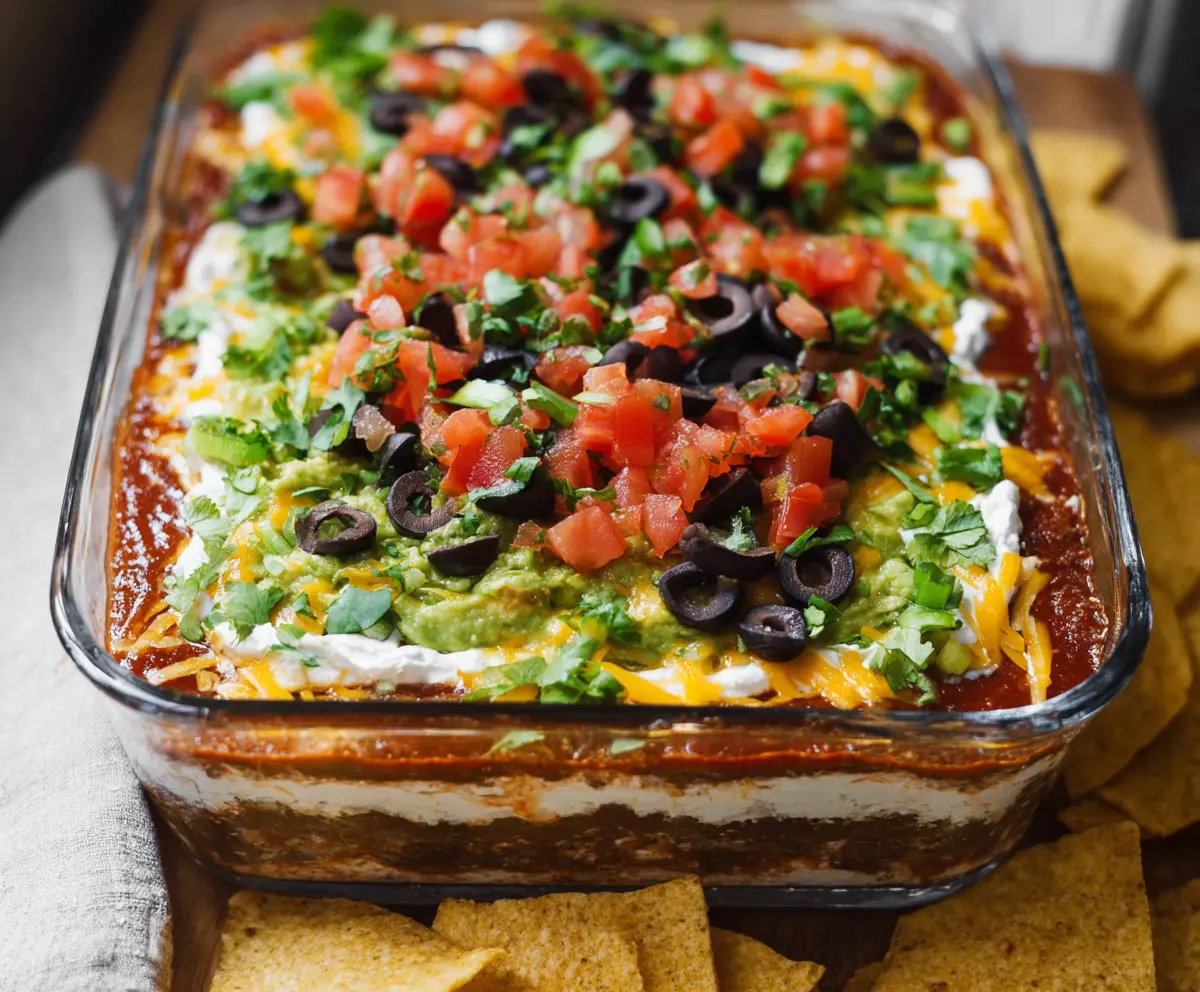
Seven layer bean dip is one of those crowd-pleasing appetizers that almost always gets made in a large batch — and if you’ve ever had a bowl left over after game day or a party, you’ve probably wondered whether the freezer is a viable option. The short answer is yes, you technically can freeze it. The longer answer is that it comes with some real trade-offs you should know about before you wrap up that dish.
Each layer in a 7 layer bean dip behaves differently in the freezer, and understanding what happens to each one helps you decide whether freezing makes sense — or whether a smarter storage strategy will serve you better. This guide walks through everything: texture changes, the right way to freeze it, how long it keeps, and what to do with it once it thaws.
Can You Freeze 7 Layer Bean Dip?
The answer is yes — it is technically safe to freeze 7 layer bean dip. But it’s not highly recommended, because each of the layers freezes a little bit differently, and this can really throw off the texture of your overall dip.
Technically it’s safe to freeze seven-layer dip, but it’s not recommended if you’re trying to serve the best, freshest-tasting dip possible. Since you’re working with so many different types of ingredients, they’re all going to freeze and thaw at different rates, potentially affecting their texture.
That said, freezing is a perfectly reasonable option when you need to reduce food waste or prep components in advance. The key is knowing which layers survive the freezer well and which ones need a different approach.
Pro Tip: If you’re making 7 layer bean dip specifically to freeze for later, hold back the sour cream, fresh toppings, and chunky salsa — add those fresh when you’re ready to serve. You’ll get far better results.
Does Freezing Change the Texture or Taste of 7 Layer Bean Dip?
Yes, and the changes are noticeable. The degree of impact depends on which layers are present and how the dip was assembled before freezing. Here’s a breakdown of how each component holds up:
- Refried beans: Refried beans are the sturdiest ingredient and are good in a freezer for up to a year. They freeze and thaw cleanly with minimal texture loss.
- Sour cream: Sour cream doesn’t freeze very well — the liquid and fat tend to separate. It can also get grainy or lumpy if frozen.
- Guacamole: Smoother guac can keep its texture in the freezer, though the flavor will fade a bit; chunky guac will get watery because you’re using tomatoes.
- Salsa: Salsa can become quite watery. It technically lasts in the freezer for a few months but could lose some of its flavor, and in a seven-layer dip, that watery quality can seep into other layers and throw the whole consistency off.
- Shredded cheese: Cheese generally freezes reasonably well, though it can become slightly crumbly after thawing.
- Fresh toppings (tomatoes, olives, green onions): These do not freeze well at all. Tomatoes turn mushy, and fresh herbs lose their texture entirely.
The sour cream and guacamole don’t respond well to freezing and thawing — you’ll end up with separated, watery layers and a grainy texture that’s just not appetizing. The more of these sensitive layers your dip contains, the more noticeable the quality drop will be.
How to Freeze 7 Layer Bean Dip the Right Way
If you’re going to freeze 7 layer bean dip, a few preparation steps make a significant difference in the final result. The goal is to freeze only the layers that handle cold storage well and add the rest fresh when you’re ready to eat.
- Strip out the sensitive layers first. It’s a good idea to leave sour cream out of the equation and add it when serving to avoid that lumpy finish. Basically, make the bulk of a classic or vegan seven-layer dip, leaving off the sour cream and toppings like tomatoes and olives.
- Use an airtight container. Opt for an airtight container to minimize the risk of freezer burn and to maintain quality as much as possible. If you’re freezing in a baking dish, press plastic wrap directly onto the surface of the dip before sealing.
- Label with the date. Write the storage date clearly on the container so you know exactly how long it’s been in the freezer.
- Consider freezing layers separately. To take the quality of your frozen dip one step further, freeze the elements individually and assemble them as you go. You can make your refried beans and guac ahead of time, for example, then take those out, thaw them, and add store-bought salsa, sour cream, and toppings for super easy yet delicious and fresh results.
- Free up your dish with a foil liner. Line your dish with enough foil to hang over the sides before making the dip. Cover and freeze, then lift the whole thing out of the pan and crimp the two layers of foil together to seal. When you’re ready, just pop it right back in the pan for a perfect fit.
Pro Tip: Drain your salsa through a fine-mesh sieve before adding it to any dip you plan to freeze. Less moisture in the salsa layer means less liquid seeping into the other layers during thawing.
How Long Can You Freeze 7 Layer Bean Dip?
Put the dip in an airtight container, store it in the freezer, and consume it within two or three months. Most sources align on this two-to-three-month window as the point where quality starts to degrade noticeably, even if the dip remains safe to eat beyond that.
Quality may degrade with time, especially if it gets freezer burn. Freezer burn won’t make the dip unsafe, but it will dry out the surface layers and introduce an off flavor. Keeping the container tightly sealed and pushed toward the back of the freezer (away from temperature fluctuations near the door) helps extend quality.
| Layer | Freezer Quality | Max Recommended Time |
|---|---|---|
| Refried beans | Excellent | Up to 12 months |
| Shredded cheese | Good | 2–3 months |
| Smooth guacamole | Fair | 2–3 months |
| Salsa | Fair (gets watery) | 2–3 months |
| Sour cream | Poor (separates) | Not recommended |
| Fresh toppings (tomatoes, olives, green onions) | Poor (mushy) | Not recommended |
| Full assembled dip | Fair with prep | 2–3 months |
For refrigerator storage — if you’re not freezing — store 7 layer dip in an airtight container in the refrigerator for 3–5 days. That’s the better option whenever you expect to eat the leftovers within the week. Beans are a nutritious ingredient worth preserving properly; for more on their health benefits, check out this guide on mung beans and their nutritional value.
How to Thaw Frozen 7 Layer Bean Dip
Thawing is straightforward, but patience matters here. Rushing the process in the microwave or at room temperature will make the texture problems worse, not better.
- Thaw in the refrigerator overnight. To thaw it, keep it in the fridge for 24 hours. This slow, even thaw gives each layer the best chance of retaining its texture.
- Drain excess liquid. Keep in mind that some water will collect as it thaws — just drain it off. Use a paper towel to blot any pooling moisture from the surface before adding fresh toppings.
- Add fresh layers before serving. Once the base layers have thawed, add fresh sour cream, guacamole, diced tomatoes, sliced olives, and green onions. These additions immediately refresh the dip’s appearance and flavor.
- Let it come up slightly in temperature. If you’ve had it chilling in the fridge, let it sit out for 15–20 minutes before serving to take the edge off the cold — the flavors come through much better when it’s not ice-cold.
Important Note: Never thaw 7 layer bean dip at room temperature for more than two hours. Perishable foods shouldn’t stay in the “danger zone” (above 40°F or around room temperature) for more than two hours.
Can You Refreeze 7 Layer Bean Dip After Thawing?
Refreezing thawed seven-layer dip isn’t recommended. Once the dip has thawed, the moisture released during that process has already begun to affect the texture of each layer. Freezing it a second time compounds that damage and significantly increases the risk of bacterial growth in dairy-based layers like sour cream and guacamole.
If you know you’ll only need part of the dip at a time, the better approach is to portion it into individual servings before the initial freeze. That way you only thaw what you need and the rest stays frozen and untouched. Small freezer-safe containers or resealable bags work well for this.
How to Use Frozen 7 Layer Bean Dip (Best Uses After Freezing)
Even with some texture changes, thawed 7 layer bean dip is far from a lost cause. The flavors in the bean and cheese layers remain solid, and with a few fresh additions, you can serve it confidently. Here are some of the best ways to use it:
- Classic chip dip: Add fresh sour cream, guacamole, and toppings on top of the thawed base layers. Serve with sturdy tortilla chips that can handle a full scoop without breaking.
- Burrito or taco filling: It’s tasty over rice or as a burrito filling, or you can pile it over crisp greens for an instant taco salad.
- Baked dip: Wrap oven-safe dishes in aluminum foil and freeze, then bake for 30–45 minutes at 350°F until warmed through. This works especially well for versions that include a meat layer, since the heat brings everything together.
- Loaded nachos topping: Spoon the thawed bean and cheese layers over a sheet of tortilla chips, add fresh pico de gallo and jalapeños, and broil briefly for an easy nacho tray.
- Quesadilla filling: The refried bean and cheese layers make an excellent quesadilla filling. Spread them on a tortilla, fold, and cook in a dry skillet until golden.
The refried bean layer is the most versatile after freezing. Beans are a whole plant-based food packed with fiber and protein, so don’t let those leftovers go to waste. They also pair well with dishes inspired by traditional Mexican cuisine, where layered bean preparations are a staple.
Signs That Frozen 7 Layer Bean Dip Has Gone Bad
Even properly frozen dip can go bad if it was stored too long, thawed improperly, or if the container seal failed. Before serving thawed dip, do a quick check using your senses:
- Smell: Signs include a sour smell, a change in texture or color, or a noticeably off taste. A sharp or fermented odor beyond the normal tang of sour cream or guacamole is a red flag.
- Mold: Any presence of mold is a clear sign of spoilage and the dip should not be consumed. Check the edges and surface of every layer carefully.
- Color: Guacamole naturally browns a bit, but a gray or dark brown color throughout the avocado layer — rather than just on the surface — suggests it has deteriorated beyond normal oxidation.
- Texture: Some separation and wateriness after thawing is expected. But if the layers have completely broken down into a soupy, unstructured mass, the dip has likely been frozen too long or thawed and refrozen.
- Time check: You can tell your 7 layer dip has gone bad if it has been left out at room temperature for more than 2 hours. If thawed dip sat out at a party and you’re wondering whether to refreeze it — don’t.
When in doubt, throw it out. The dairy components in 7 layer bean dip — sour cream, cheese, and guacamole — are all perishable and can harbor bacteria if mishandled. Eating well also means making smart choices about food safety; for more on how specific foods affect your health, see this overview of superfoods for a healthy heart.
Frequently Asked Questions
Can you freeze store-bought 7 layer dip?
If you’ve bought a pre-packaged 7 layer dip from the grocery store, you can enjoy it about 3–5 days past the sell-by date if it remains unopened. Once opened, the dip should be covered and consumed within 2–3 days as long as it has been kept refrigerated. Freezing store-bought versions is possible but carries the same texture risks as homemade — the dairy layers will suffer most.
Can you freeze just the refried bean layer?
Yes — and this is actually the recommended approach. While it’s not recommended to freeze the entire dip due to the change in texture that components like sour cream and guacamole will undergo, you can freeze the refried beans separately. Freeze the bean layer in a flat zip-top bag or airtight container, then build the rest of the dip fresh when you’re ready to serve.
How do you keep 7 layer dip from getting watery?
Excess moisture is the biggest enemy of this dip, whether frozen or fresh. Drain your salsa well before adding it, pat tomatoes dry, and press plastic wrap directly onto the surface of the dip before refrigerating to limit air exposure. To prevent the dip from becoming soggy, drain the chopped tomatoes well before adding them to the top.
Is it better to make 7 layer dip ahead or freeze it?
Making it ahead is almost always the better option. You can assemble the dip completely up to 24 hours in advance, which actually allows the flavors to come together beautifully. For the freshest presentation, hold back the final salsa layer and a sprinkle of green onions to add just before your guests arrive. This gives you the convenience of advance prep without any of the texture trade-offs that come with freezing.
What’s the best way to store leftover 7 layer dip if not freezing?
Keep the dip in a sealed airtight container in the fridge and eat it within 3 to 5 days. Press plastic wrap directly onto the surface of the guacamole layer to slow browning, and add any remaining fresh toppings just before serving rather than storing them on top of the dip. For more on how the foods you eat support your overall health, including avocado-rich dishes like guacamole, explore the full guide.