Traditional Yemeni Clothing: 11 Garments That Define Yemen’s Dress Culture

November 20, 2026
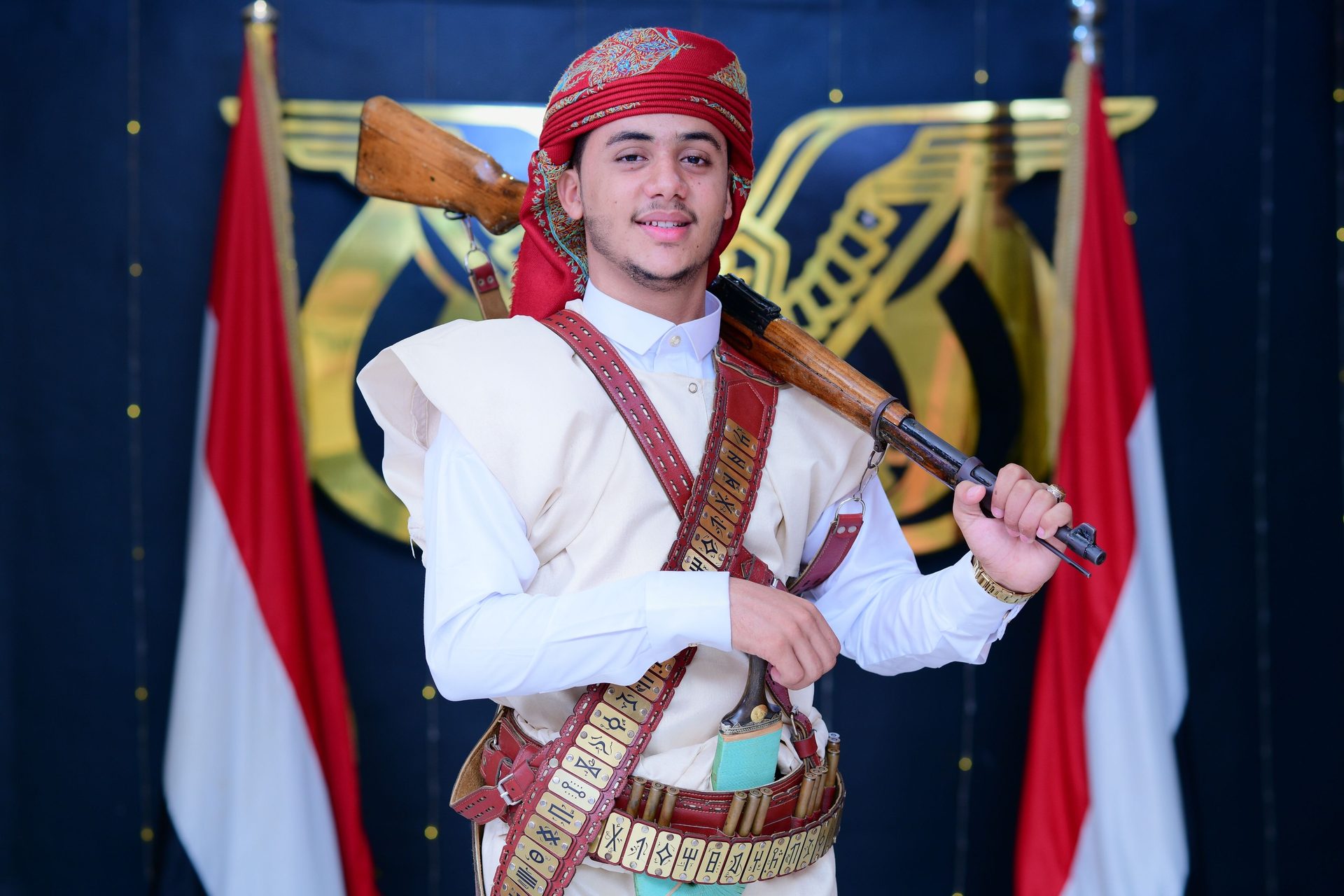
Walk through a market in Sana’a and then through one in Aden, and you could be forgiven for thinking you’d crossed into a different country. Yemen’s rugged terrain, from coastal plains to mountain highlands, has kept regional dress distinct for centuries, with each garment shaped by climate, trade routes, and tribal identity rather than a single national template. Traditional Yemeni clothing is less a fixed uniform than a living record of who made it, where they lived, and what the day demanded of them.
This guide walks through eleven garments that still define Yemeni dress today, from the men’s ankle-length thawb to the women’s richly patterned sitara. Some are everyday workwear, others are reserved for weddings and formal visits, and a few carry centuries of history in a single fold of cloth. For readers curious about how dress traditions compare across cultures, Yemen’s wardrobe sits alongside other richly layered systems like global traditional clothing traditions shaped by similar forces of geography and faith.
1. Thawb
The thawb (also spelled thoob or thobe) is the long, loose robe most associated with Yemeni men, especially in Sana’a and the northern highlands. The thobe is a long, ankle-length robe worn by men throughout Yemen and the broader Arabian Peninsula. It is a long, white dress with long sleeves that goes until the calf area, and it is very famous in Yemen, especially in Sana’a and the highlands.
White remains the most common shade, but it is far from the only one. Typically made from lightweight cotton or a cotton-synthetic blend for comfort in Yemen’s warm climate, thobes can also be found in beige, gray, or patterned fabrics for special occasions. Photographers who have documented daily life in Yemen note just how much variety exists within the garment itself. There are many different cuts, from full and flowing to very tight, and some thoobs are also covered with embroidered patterns.
A complete thawb outfit rarely stands alone. Men traditionally pair it with a curved dagger worn at the waist in a decorated belt, the jambiya, which symbolizes manhood and social status and is considered an essential part of the traditional Yemeni male outfit. The custom-qamis traditional dress overview notes that the same silhouette appears, with local variations, across much of the Arabian Peninsula, a reminder that long robes are a shared regional language rather than a single country’s invention. Similar long-tunic traditions for men also appear in South Asia, including the traditional dress of Pakistan.
2. Izar
Where the thawb is tailored, the izar is simply wrapped. The izar is a traditional lower garment frequently used by men in Somalia, Oman, the United Arab Emirates, and Yemen, where it is commonly worn at home and at work. According to the Wikipedia entry on the izaar , the garment goes by several regional names depending on where it is worn.
Construction is straightforward but distinctive. It is a long rectangular loincloth, about one meter wide, with both sides sewn together to form a cylindrical shape that covers the legs and is worn tight at the waistband. It is also called fouta, wisaar, or ma’awi, and is comparable to a sarong. Originally plain and practical, it has since become more decorative. There are white izaars as well as patterned versions, including checkered or striped designs.
Men often pair the izar with a traditional or Western-style shirt, belt it with a decorative sash, and tuck a jambiya dagger under the belt as a statement piece. The wraparound lower garment has close cousins across the Indian Ocean trading world, a connection explored further in coverage of traditional Indian clothing.
3. Futah
The futah is the garment most visitors associate with southern Yemen’s coast. The futah is a traditional wraparound garment resembling a sarong, commonly worn by men in southern Yemen, particularly in cities like Aden and Hadhramaut, and it is a rectangular piece of fabric, often striped or checkered in bold colors, wrapped around the waist and secured with a knot or tucked in.
Known for its simplicity and breathability, the fouta is well suited to hot climates and is widely worn across many regions of Yemen, especially coastal areas. According to the cultural overview published by Yemen.jp , it remains one of the most recognizable everyday garments in the country.
As a male wrap-around skirt, the futa is informal and was traditionally worn while doing daily chores. This item often carries a checkered or striped pattern, and Etsy sellers of Yemeni garments describe everyday versions as plain or lightly striped cotton pieces meant for comfort rather than display. A simpler, shorter cousin called the makatab exists for the most casual, labor-heavy days, requiring less fabric and reaching only to the knee.
4. Ma’wazz
The ma’wazz sits between the futah and the thawb in both formality and geography. It is another version of the futa, worn more often by men in Yemen’s mountain regions than along the coast. As a variation of the futa, it is more formal than the simpler wrap skirts, and Yemeni men wear it for weddings, ceremonies, and other special occasions.
The garment also has a relaxed, domestic side. Photographers covering daily life in Yemen have observed that on ordinary afternoons, when men gather to relax and chew qat, a ma’wazz or futa is the practical choice, while the thawb is reserved for Fridays and formal gatherings. That dual identity, informal at home, dressier at a wedding, makes the ma’wazz a useful marker of context rather than a fixed daily uniform.
Pro Tip: If you see a Yemeni man in a plaid or checked wrap skirt at a formal event rather than at home, it is more likely a ma’wazz than an everyday futah. The quality of fabric and the occasion are the easiest ways to tell the two apart.
5. Hizam
The hizam is the wide belt or sash that holds a lower garment in place and gives Yemeni menswear its finishing touch. Central to the look is the jambiya, a ceremonial dagger placed vertically at the center of a wide belt. The belt itself is rarely plain. Men commonly pair a shirt with an izzar, belt it with a decorative sash, and tuck the jambiya dagger under the belt as a statement piece, according to the regional dress survey at Shibam’s culture pages .
Woven or leather, the hizam often carries embroidery or metallic thread, and its width and ornamentation can hint at a wearer’s region or status. Because the jambiya sits at its center, the belt functions as both a practical fastener and a visible marker of adulthood and social standing across much of Yemeni society.
6. Meshedda
Head covering for Yemeni men varies almost as much as the lower-body garments do. Many men wear shawls wrapped around their heads or over their shoulders, called a meshedda, though the simpler word “shawl” is often used instead, and there are specific wrapping styles tied to particular regions.
In the highlands, a related but distinct headpiece appears. The zanna is a type of turban worn mainly by men in Yemen’s highlands, typically made of white or patterned cloth, and it serves both a practical purpose, protecting against sun and cold, and a symbolic one, signifying social status and tribal heritage. Common Yemeni men’s headwear includes:
- The meshedda, a shawl wrapped around the head or shoulders with regionally specific folds
- The zanna, a highland turban tied in elaborate styles to mark status
- Simpler cotton headscarves worn for everyday protection from sun and dust
The Fashiongton Post’s guide to Yemeni clothing notes that wrapping styles are often distinctive enough that a knowledgeable observer can guess a man’s home region just from how his headwear is tied.
7. Balto
The balto is the long black outer garment most visitors to Yemen’s cities will recognize instantly. Worn by many Yemeni women, particularly in urban areas, it serves as an outer garment that provides modesty and elegance, and while traditionally simple, modern versions often feature embroidery, lace, or decorative elements along the sleeves and hemline.
Its history is tied to political change as much as fashion. As Islamist education strengthened and more vehicles began passing through villages, women and girls increasingly wore baltos along with additional head and face coverings when going to work the fields or collect water, reflecting a greater likelihood of crossing paths with unrelated men, according to an interview published by the Sana’a Center for Strategic Studies .
The balto’s dominance in cities has had a small, lighter side effect too: younger women increasingly coordinate the color of their shoes, bags, and headscarves since the outer garment itself is almost always black. The result is a subtle form of individual style within a shared, modest silhouette.
8. Lithma
The lithma is a face covering, typically a length of lightweight cloth tied across the nose and mouth, worn by some Yemeni women as part of a layered covering alongside a headscarf or full-body wrap. It is one of several veiling styles found across Yemen, varying by region, generation, and family custom rather than following one fixed national pattern.
Veiling in Yemen carries meaning that goes beyond modesty alone. The veil functions as a symbol of proper male and female behavior within many communities, and practices range from a simple headscarf to a full face covering depending on local custom, family expectation, and personal choice. As with the balto, younger and older generations often interpret the same basic garment differently, with some treating it as a daily requirement and others reserving fuller coverings for specific settings.
Important Note: Veiling practices in Yemen vary significantly by region, generation, and personal choice, and no single garment or style should be treated as representative of all Yemeni women.
9. Sitara
Few Yemeni garments are as visually striking as the sitara. Women in Sana’a and its surroundings traditionally wear the sitara dress, a large piece of cloth wrapped around the head and body, with sitara meaning both “veil” and “curtain.” Originally the cloth carried specific patterns in black and red, though since production shifted to India, more colors including blue and green have been added to the palette.
The fabric’s design history is worth a closer look. It consists of a piece of Indian-styled printed cloth roughly the size and shape of a bedspread, with a paisley design in red, blue, green, and yellow, a pattern that takes its name from its popularity and subsequent local production in eighteenth-century Paisley. That cross-continental history connects the sitara to broader South Asian textile trade, a thread also visible in traditional Indian clothing traditions that share the same printed-cotton heritage. Photographers who have documented the garment, as seen on Apogee Photo’s coverage of Yemeni dress , note that older women in particular favor the sitara over newer black coverings.
10. Sharshaf
The sharshaf is arguably Yemen’s most recognizable women’s covering, and its origins are more recent than many assume. The sharshaf was brought to Yemen by the Ottoman Turks, who occupied the country in the sixteenth century and again in the nineteenth, and upper-class Yemeni women first adopted it because they considered it fashionable.
The garment itself is layered and deliberate in construction. It consists of a long black pleated skirt that hides every part of a woman except her feet, a black cape resting on her shoulders, and two layers of chiffon covering her head and draping to the ends of her wrists. Writing for The Zay Initiative’s series on Yemeni dress , contributor Darleen Wilkerson Karpowicz described it as the most commonly seen cover-up throughout the country during her years living there.
By the mid-to-late twentieth century it had become stylish among the middle class in Sana’a to wear the sharshaf, consisting of a black skirt, cape, veil, and head covering, as an alternative to the simpler abaya. Underneath it, many women historically wore a colorful dress such as the zina, meaning the sharshaf often conceals as much personal style as it projects modesty outward.
11. Gawan
The gawan closes out the list as one of Yemen’s more tailored women’s garments. Gawan refers to an ankle-length women’s garment with a full skirt, defined waistline, and pleats or no pleats, known by synonyms including nafnūf and kurtah across parts of the Arab world.
Unlike the loose, unstructured sharshaf or balto, the gawan’s fitted waist and fuller skirt give it a silhouette that would look familiar to anyone acquainted with structured Western gown styles, a resemblance documented in The Zay Initiative’s archival research on Yemeni women’s dress. Readers interested in how fitted, waist-defined silhouettes developed in other dress traditions can compare notes with traditional American clothing, which shares a similar emphasis on tailored waistlines in formalwear.
The gawan tends to appear at weddings and celebratory gatherings rather than as daily wear, often made from richer fabric such as velvet for special occasions and lighter cotton or polyester for simpler versions, following the same fabric logic seen in other formal Yemeni garments like the ma’wazz.
Reading Yemen’s Wardrobe as a Whole
Taken together, these eleven garments map a country shaped as much by geography as by faith or fashion. Coastal futahs and izars reflect centuries of Indian Ocean trade and a need for breathable cotton; highland thawbs and zannas reflect colder mountain air and tribal identity; and the layered sitara, sharshaf, and balto trace a visible timeline from Ottoman-era adoption to twentieth-century political change.
None of these pieces exist in isolation from the wider region’s dress history either. Readers who enjoyed this overview may find similar patterns of climate, trade, and tradition shaping dress elsewhere, from traditional German clothing to traditional Chinese clothing and traditional Japanese clothing, each a reminder that what people wear has always been an honest record of where, and how, they lived.