Traditional Nicaraguan Clothing: Huipil, Rebozo, and Cotona Explained

November 16, 2026
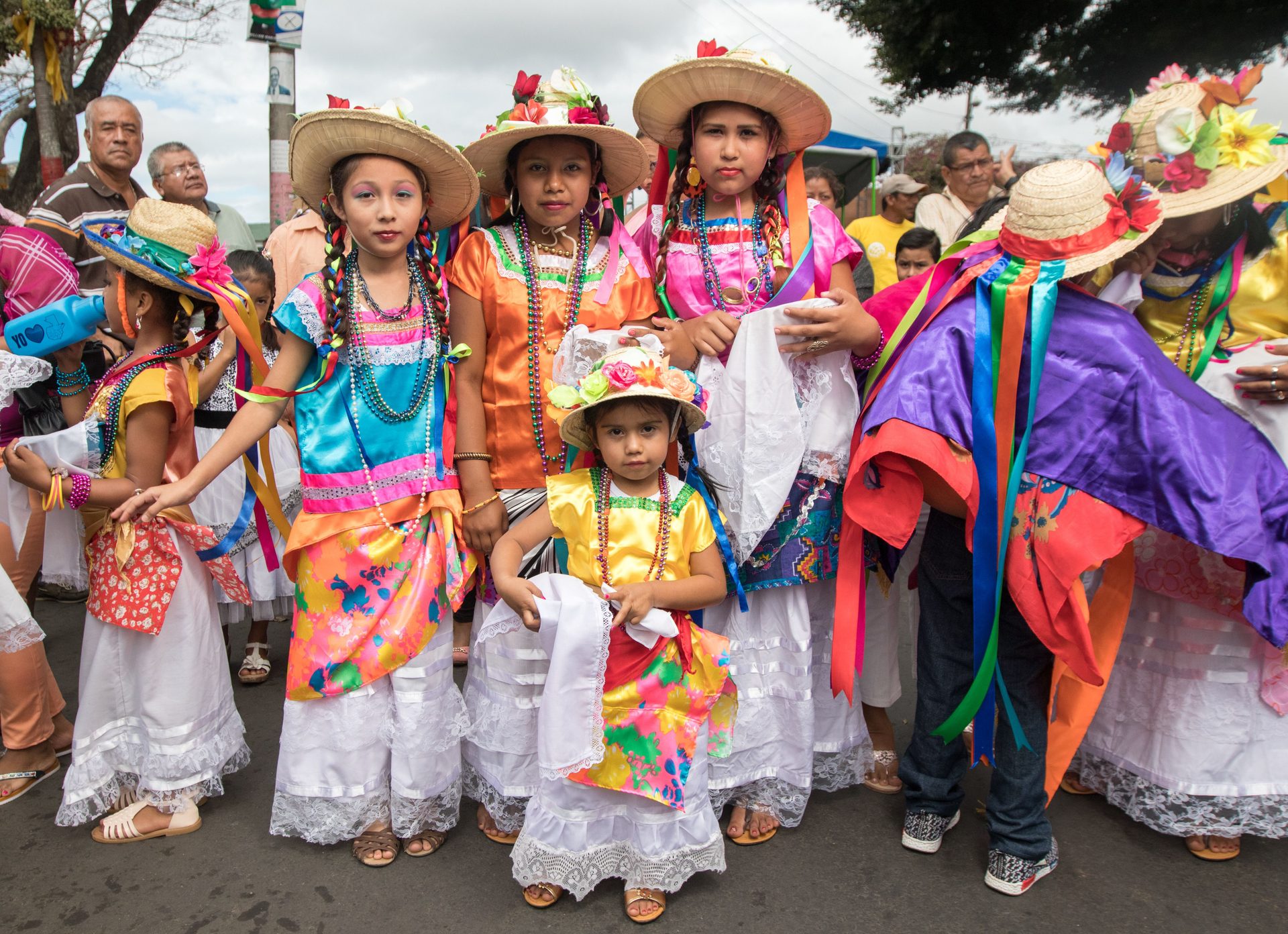
In August 2023, Nicaragua’s government did something few countries do with a piece of clothing: it made one illegal to overlook. The huipil was declared Intangible, Artistic, and Cultural Heritage of the Nation, and September 8 was set aside as its official day of celebration. That single decree says a lot about how seriously Nicaraguans treat traditional Nicaraguan clothing, not as costume for tourists, but as a living record of who wove it, who wore it, and why.
The three garments at the center of that record are the huipil, the rebozo, and the cotona. Each one carries a different piece of the country’s story, from Indigenous weaving traditions that predate the Spanish conquest to the practical, everyday clothing worn by farming communities in the northern highlands. Readers familiar with other regional dress traditions, such as traditional Indian clothing or traditional Chinese clothing, will recognize a similar pattern: garments that encode geography, status, and belief into fabric and stitch.
1. Huipil
The huipil is the most recognized piece of traditional Nicaraguan clothing, and its name tells part of its story before anyone even sees the fabric. The word huipil derives from the Nahuatl language (huipilli), meaning “decorated garment.” It traveled from central Mexico into Central America centuries ago and settled into local forms, each shaped by the community that wore it.
Structurally, the garment is simple on paper. The blouse has four openings: one on the chest, two at the back, and one at each shoulder, representing the four cardinal points to the indigenous people, according to investigators. That detail matters, because it shows the huipil was never just decoration. The cut itself carried meaning long before embroidery entered the picture.
Written records of this clothing style go back further than most people assume. The first documented records of traditional Nicaraguan clothing date back to the mid-19th century, described by travelers such as Ephraim George Squier, who in 1849 noted the simplicity and beauty of women’s attire, which included embroidered skirts and loose blouses. By the following decades, the garment had become something worn on nearly every important occasion. During the 19th century, the huipil was worn in all celebrations, with designs and colors varying by region.
Color choices were never random. In Masaya, known as the cradle of the huipil, colors and patterns carry distinct meanings. For example, a white huipil with a black shawl is worn for religious occasions, while a cream-colored one symbolizes purity and was traditionally worn at weddings. Festive versions leaned the opposite direction entirely, trading restraint for color. Festive designs featured bright colors like red, yellow, blue, and green, paired with leather shoes and black shawls.
Regional variation runs deep across the country. Masaya is known for its vibrant, intricately designed huipiles, where women adorn their hair with traditional flowers and gold earrings, while men wear simple shirts, trousers, and leather shoes. In the nearby Indigenous neighborhood of Monimbó, the symbolism tightens further. Huipil colors carry specific symbolism, and in September, the “Beautiful Indian” contest is held, where participants wear their finest attire accompanied by marimba music. Further north, the style shifts again. Huipil designs in Matagalpa and the northern regions blend European and rural influences, made from cotton.
Pro Tip: If you attend a festival in Masaya or Monimbó, look at the shawl color paired with the huipil before the embroidery. Black usually signals a religious occasion, while cream or white points to a wedding tradition.
The government’s 2023 decree formalized protections that communities had maintained informally for generations. The Government of Reconciliation and National Unity declared the Nicaraguan huipil as Intangible, Artistic, and Cultural Heritage of the Nation, stating that it represents the cultural, national, and local identity of the people and is a garment worn during traditional festivities and dances. The designated holiday has a practical purpose beyond symbolism. The holiday is dedicated to the traditional dress of the indigenous peoples of Nicaragua, and in 2023, the Nicaraguan government declared the huipil an intangible cultural heritage. Nicaragua’s Tourism Institute was tasked with helping revitalize the garment as a living craft rather than a museum piece.
Linguistically, the huipil belongs to a much wider Mesoamerican family. Huipil is the most common traditional garment worn by indigenous women from central Mexico to Central America. Readers comparing this to other national dress traditions, such as the layered draping found in traditional Pakistani clothing, will notice a shared pattern across cultures: a single garment type that splits into dozens of regional dialects.
2. Rebozo
If the huipil is the centerpiece, the rebozo is the garment that completes the outfit and carries its own quiet symbolism. In Nicaragua’s rural “indita” costume, the shawl is almost as identifying as the blouse itself. Another characteristic outfit for women is the one worn by the so-called “indias” or “inditas,” consisting of only a white huipil or blouse with a wide skirt adorned with ribbon, braid, or embroidered trim, hair styled in braids on each side decorated with colorful ribbons, a black or red rebozo, and caites (sandals).
That color choice, black or red, is not interchangeable. Each shade attaches to a different kind of occasion, mirroring the symbolic logic already built into the huipil’s own palette. The rebozo’s placement on the body also varies by region. In Matagalpa’s traditional dress, the headpiece is a rebozo with the ends falling over the shoulders or chest.
| Region | Rebozo Style | Worn With |
|---|---|---|
| Pacific lowlands | Black or red shawl | White huipil, wide embroidered skirt, caites |
| Matagalpa (north) | Draped over shoulders or chest | Loose white cotton dress, bead necklaces |
| Rural campesino dress | Plain cotton manta, tied at the belt | Cotona, trousers, leather satchel |
The rebozo is not strictly a women’s garment in Nicaragua. In traditional campesino dress, men wear one too, though for a different reason entirely. The men’s outfit includes a white or black cotona, black pants with a black belt, a spear, an Indigenous necklace and bracelet, a leather bag, a black hat, a gourd, a knife, a bright handkerchief on the head, and a cotton rebozo hung from the belt, where the farmer gathers and carries home what he harvests. That detail turns the rebozo from decoration into a working tool, a small bag made of cloth rather than leather or wicker.
Key Insight: The rebozo’s dual role, as a women’s shawl and a man’s harvest sack, shows how traditional Nicaraguan clothing was shaped as much by rural labor as by festival tradition.
Across the border in Mexico, the rebozo took a different path historically, emerging from a blend of colonial and Indigenous influences rather than purely Indigenous roots. The rebozo took shape in the colonial period, borrowing from Indigenous cloth, Spanish shawls and the Asian silks arriving on the Manila galleons, and became something worn by women of every class. Nicaragua’s version stayed closer to its rural, agrarian use, which is part of why the garment still shows up in working contexts, not only on festival stages. Anyone studying how colonial trade shaped national dress will find a similar thread running through traditional German clothing, where regional trade routes left their own mark on folk costume.
3. Cotona
The cotona is the men’s counterpart to the huipil, and it carries its own set of regional variations across Nicaragua’s countryside. At its most classic, the garment is unmistakable in its construction. Men wear a cotona, with three-quarter sleeves and a closed collar, gathered at the chest. It pairs with practical, working-style trousers rather than anything ornamental. The “brincacharcos” pants, cropped at the calf, are tied with cords made from burillo fiber. The look is finished with a bold accessory choice. A red handkerchief and a hat known as a carretonero complete the outfit.
In Boaco, the cotona appears in a form closely related to the Masaya style, but with its own hat details. The attire of the Boaco man closely resembles that of the Masaya Indigenous man: dril trousers in blue or light blue, rolled up to mid-calf and tied with tule or burillo fiber; a traditional cotona; and a palm hat with ribbons wrapped around the crown and flowers on the brim. A gourd carrying chicha or guaro typically completes the ensemble, a small but telling detail about rural festival life.
Matagalpa’s version trims the outfit down to its essentials. The men’s attire consists of slightly cropped trousers, a cotona, and a white palm hat, along with saddlebags and a gourd, worn with caites. The northern coffee-growing regions take the cotona in yet another direction, built for harvest work rather than festival display. The men’s outfit is made up of a long-sleeve white cotona with white lace trim, a pointed colored handkerchief, caites, a palm hat, a gourd, and a basket for picking coffee.
Important Note: Spanish-language sources on regional Nicaraguan dress vary in detail depending on the department covered, and some garment names overlap with broader Central American terms. Where sources differ on specific colors or trim, this article reflects the most commonly documented regional pattern.
What ties the three garments together, huipil, rebozo, and cotona, is that none of them were designed as costume first. Each started as working or ceremonial clothing tied to a specific community, and each still carries that community’s fingerprint in its stitching, color, and cut. Documentation from Nicaraguan cultural organizations continues to track these regional distinctions as part of an ongoing effort to keep the garments from flattening into a single generic “folk costume” image.
That effort matters because Nicaragua is home to multiple Indigenous groups whose histories run through these garments differently. These groups include the Miskitu, the Sumu (also known as the Mayangna and the Sumo), the Ulwa, the Sutiava (also known as the Xiu), the Garifuna, the Nahoa (also known as Nicarao), the Cacaopera (also known as the Matagalpa), the Chorotega (also known as Mange), and the Rama. Each community’s relationship to the huipil, rebozo, and cotona is its own story, and no single national costume fully represents all of them. For readers comparing this kind of regional textile diversity to other national dress traditions, the layered variation found in traditional Japanese clothing or traditional Australian clothing offers a useful parallel: a national identity built from many local threads rather than one fixed pattern.
For travelers or researchers wanting to see these garments firsthand, the clearest opportunities are the festivals tied to each one, National Huipil Day in September, the Santo Domingo processions in Managua, and the regional fairs in Masaya, Monimbó, and Matagalpa. Those events remain the best place to see huipil, rebozo, and cotona worn exactly as intended, not displayed behind glass, but moving through a crowd, carrying a harvest, or dancing to marimba.