Why Are My Petunias Dying? Causes, Fixes, and Prevention Tips

September 7, 2026
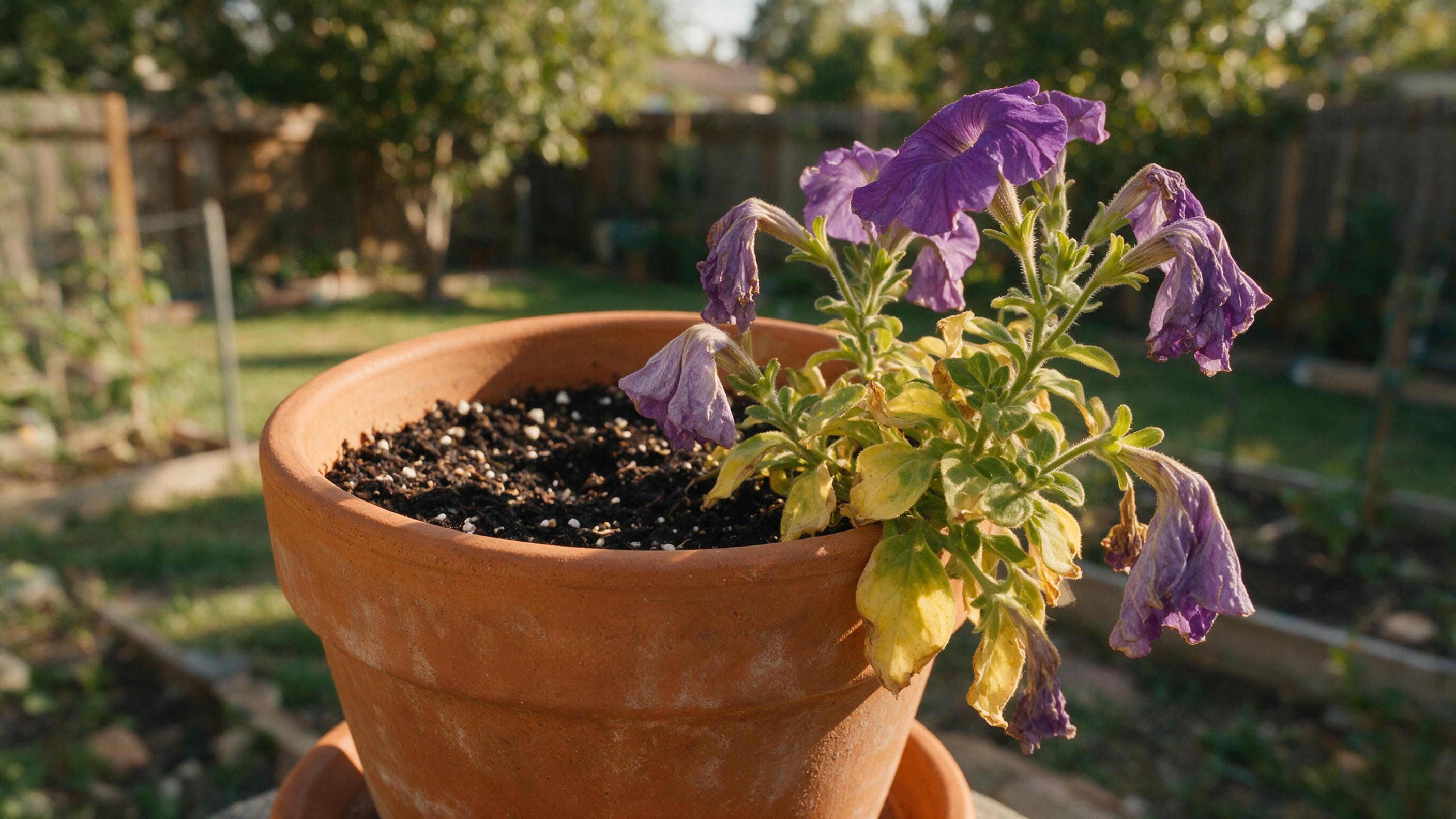
Petunias are one of the most popular flowering plants in American gardens, beloved for their bold colors and ability to bloom from spring all the way through the first frost. So when they start wilting, yellowing, or dropping their flowers, it can feel completely baffling — especially when you feel like you’ve been doing everything right.
The truth is, the answer to why your petunias are wilting and dying rarely points to just one culprit. It’s often a combination of environmental factors, cultural practices, and biological stressors. The good news is that most causes are diagnosable and fixable once you know what to look for. This guide walks you through every major reason petunias decline — and what to do about each one.
What Does It Mean When Your Petunias Are Dying?
When a petunia starts to decline, it’s communicating that something in its environment or care routine is off. Observing your petunia closely reveals early signs of distress. Common indicators include wilting foliage (limp, droopy leaves and flowers), yellowing leaves (sometimes with green veins, known as chlorosis), or browning and crispy leaf edges suggesting dehydration or nutrient issues. Other signs are stunted growth, a leggy appearance with spindly stems and sparse foliage, or reduced blooms.
Each symptom points toward a different root cause. A plant that’s wilting despite wet soil is telling a very different story than one with crispy brown edges and bone-dry soil. Reading those signals correctly is the first step toward saving your plant.
Pro Tip: Before doing anything else, stick your finger about two inches into the soil. The moisture level you find there will immediately narrow down the most likely cause of your petunia’s decline.
Is Dying in Petunias Always a Sign of a Problem?
Not always. Sometimes what looks like a dying petunia is simply a plant going through its natural life cycle. Annual petunias are seasonal, meaning they will only last one year and die off in the winter. Perennial varieties, however, can survive multiple seasons if taken care of properly.
There’s also the matter of natural bloom cycles. Within 12 hours after pollination, ethylene production rises and may cause petunia flowers to wilt and die. When the petunias’ natural life cycle is through or they have been pollinated, cutting off the spent blooms helps shift the plant’s energy toward new development.
That said, if your petunias are wilting, yellowing, or dropping leaves during the active growing season — typically late spring through early fall across most of the US — something is wrong and worth investigating. Don’t assume it’s normal die-off if your plants are only a few weeks old or if the decline is rapid.
Watering Issues Causing Petunia Dying
Watering mistakes are the number one cause of decline. Both overwatering and underwatering can lead to problems. The tricky part is that both conditions can produce similar symptoms — drooping, wilting, and yellowing — which is why checking the soil first is so important.
Overwatering
Petunias like well-drained soil and can suffer if their roots are constantly sitting in water. Overwatering can lead to root rot, a condition where the plant’s roots become waterlogged and begin to decay. This makes it difficult for the plant to absorb nutrients, causing yellowing leaves and wilting flowers.
Root rot is caused by overwatering or poorly drained soil, which creates a consistently wet environment that suffocates petunia roots and encourages the growth of harmful fungi. As the roots begin to rot, they turn brown or black and mushy, losing their ability to absorb water and nutrients — this leads to yellowing leaves, wilting, and eventual plant collapse. Petunias are especially vulnerable to root rot when grown in heavy clay soil or containers without proper drainage holes.
Underwatering
Underwatering can leave petunias dehydrated, leading to shriveled leaves and flowers. During hot summer months, petunias may require more frequent watering as the soil dries out more quickly. If the soil becomes bone dry, your petunias will begin to droop, shrivel, and die.
This is especially common in hanging baskets or containers where the root system is confined and the soil dries out faster than in the ground. In those cases, you may need to water daily during summer heat waves.
Pro Tip: To test whether your petunias are ready to be watered, stick your finger down into the soil to the depth of your first knuckle. If it feels dry, it’s time to water. Always water at the base of the plant — never overhead — to keep foliage dry and reduce fungal risk.
Light Conditions Behind Petunia Dying
Petunias need at least 5 to 6 hours of direct sunlight daily, and they perform best with 6 to 8 hours of full sun. More sun produces more flowers, tighter growth, and healthier roots. In very hot climates they can take light afternoon shade, but deep shade causes leggy stems and few blooms.
Light plays a vital role in petunia growth. Inadequate light results in leggy growth and fewer blooms, whereas excessive light can cause scorched leaves and faded colors. A plant getting too little sun will stretch toward the nearest light source, producing weak, spindly stems that are more vulnerable to pests and disease.
On the flip side, sunlight is key for petunias, but too much can cause problems. These flowers love full sun, but too much can harm them. It’s important for gardeners to know how to handle sun exposure. Too much sun can burn petunias, scorching leaves and reducing flowers. To fix this, provide afternoon shade, more in summer.
A practical way to check: if new growth is compact and heavily budded, sun is adequate. If stems stretch with wide gaps between leaves, if color washes out pale green, or if the plant blooms only on the side facing the sun, it needs a brighter position. You can learn more about choosing the right placement for light-sensitive plants in our guide to the best houseplants for low-light areas.
Soil, Nutrients, and Root Health Causing Petunia Dying
Soil quality directly affects how well petunias can absorb water and nutrients. Petunias enjoy a light, fertile, well-draining soil. A premium potting mix is ideal for growing petunias in hanging planters or pots. Petunias love soil that drains well and is full of organic matter. The best soil pH for them is slightly acidic to neutral, around 6.0 to 7.0.
Heavy or poorly-draining soil will hold on to too much water and actually start to drown your plant. Without the added air around the roots that good soil allows, the plant has difficulty drawing in water properly. If you’re growing in clay-heavy soil common in parts of the Midwest and Southeast, mix in compost or perlite before planting.
Nutrient Deficiencies
Petunias are vigorous growers that require a steady supply of energy. If you notice the leaves yellowing (chlorosis) before the plant wilts, it is often a sign of nutrient starvation. If your petunias aren’t flowering as much as they should, or the blooms are smaller than usual, it could be a sign of a phosphorus deficiency. Phosphorus is a critical nutrient that plays a key role in flower and root development, and when it’s lacking, you’ll often notice fewer blooms, stunted growth, and an overall dull appearance in your plants. This is especially common in container-grown petunias or beds where the soil has been depleted over time.
Petunias are heavy feeders and benefit from regular fertilization throughout the growing season. Incorporate a balanced slow-release fertilizer into the soil at planting time and supplement with a water-soluble fertilizer every two weeks or as the manufacturer recommends. This helps promote vigorous growth and continuous blooming.
Be careful not to overdo it, though. Petunias are heavy feeders, so fertilize them every few weeks during the growing season with a balanced, water-soluble fertilizer. Over-fertilizing can be harmful, causing more foliage growth at the expense of flowers, so it’s critical to follow the recommended rates on the product label.
Pro Tip: When grown in containers, petunias need to find all of their nutrients within the confines of the container instead of having the luxury of seeking it out further in the ground. Plus, each time you water your containers, traces of fertilizer are flushed out the drainage holes. That’s why it is extra-critical to feed petunias growing in containers.
Environmental Stress Triggering Petunia Dying
Even a perfectly cared-for petunia can struggle when environmental conditions turn hostile. Two main stressors affect American gardeners most often: extreme heat and cold temperatures.
Heat Stress
Petunias thrive in full sun, but they have their limits. When temperatures consistently exceed 90°F, even healthy petunias may show signs of stress. During a heatwave, provide your containers with afternoon shade. Heat stress can cause petunias to flop midday, particularly if they dry out faster than you can water. Afternoon shade and increased watering during heatwaves often correct the issue.
Daytime temperatures between 70 and 85°F are ideal for petunias. If you garden in the Deep South, the Southwest desert, or other regions with prolonged summer heat, look for heat-tolerant varieties and plan to give plants some afternoon protection from July onward. You can also explore drought-tolerant plants for Florida for companion planting ideas that hold up in tough conditions.
Cold and Frost Sensitivity
Petunias are not frost-tolerant plants. Plant outside only after the danger of frost has passed, and once the first frost of the season strikes, their growing season has ended. If you plant too early in spring — a common mistake for eager gardeners in USDA zones 4 through 7 — a late frost can wipe out your plants overnight.
Petunias are sensitive to frost. Plant them outdoors only after the last expected frost date in your area. If a late frost is forecast after you have planted, cover your plants overnight, uncovering as soon as the temperature is warming with the heat of the sun.
Ethylene Exposure
Petunia flowers are highly sensitive to ethylene, a naturally-occurring plant hormone that causes petunia flowers to wilt and die prematurely. Ethylene is a colorless and odorless gas produced within the flower or may be present in the air. Providing good airflow around the plant by distancing it from other plants will be a good option to help eliminate the exposure to ethylene gas.
Pests and Disease Leading to Petunia Dying
Various pests can attack petunias, damaging their leaves, stems, buds, and flowers, often leading to stunted growth, reduced blooms, and even plant death if left untreated. The most common culprits include aphids, caterpillars, and spider mites.
Common Pests
- Aphids: Aphids are small, soft-bodied insects that feed on the sap of tender petunia stems, buds, and undersides of leaves, which can cause new growth to appear twisted, curled, or stunted. On petunias, aphids are especially problematic in early spring or during periods of rapid growth, when they cluster in large numbers on fresh flower buds and inhibit blooming. In addition to weakening the plant, aphids excrete a sugary, sticky substance called honeydew that attracts sooty mold, which can block sunlight and further reduce the plant’s vigor.
- Spider Mites: Tiny arachnids that thrive in dry conditions, causing stippling or yellowing on leaves, often with fine webbing. Check the undersides of leaves for webbing and treat with neem oil weekly until clear.
- Caterpillars/Budworms: Budworms are caterpillars that chew holes in foliage and flower buds. Budworms require Bacillus thuringiensis (Bt) or spinosad-based sprays — standard insecticides often don’t work on them.
- Thrips: Slender insects feeding on flower and leaf tissues, causing white spots, distorted blooms, and papery leaves.
If you’re unsure what’s attacking your plants, our guide to the best iPhone apps for identifying plants includes tools that can also help with pest identification. Android users can check out the best Android apps for identifying plants as well.
Common Diseases
Petunias are also susceptible to various fungal diseases, which can cause wilting, discolored leaves, and stunted growth. The most common fungal issues affecting petunias are powdery mildew, botrytis blight, and root rot.
- Powdery Mildew: If you notice a white, powdery coating on the leaves, stems, or buds of your petunias, you may be dealing with powdery mildew. It usually starts as small white or gray spots that gradually spread into a soft, dusty layer covering the plant. Infected leaves may yellow, curl, and eventually drop, and the plant may produce fewer blooms. Powdery mildew can be treated with neem oil, but you should also correct the conditions allowing this disease to get a foothold.
- Botrytis Blight (Gray Mold): Fuzzy gray mold on flowers, leaves, and stems, leading to wilting and rotting in cool, damp environments. Remove affected material immediately and improve air circulation around plants.
- Verticillium Wilt: Verticillium wilt causes an overall decline in plant vigor, often causing older leaves to wilt before younger ones, or only part of a plant to die at first. There is no cure for verticillium wilt, so pull your plants and try again in pots.
How to Diagnose Why Your Petunias Are Dying
Diagnosing a struggling petunia is a process of elimination. Work through these steps in order before reaching for any treatment.
- Check the soil moisture first. If the soil is bone dry, your petunias are suffering from dehydration — this is common in hanging baskets or containers where the root system is confined and the soil dries out faster than in the ground. If the soil is soggy, you are likely dealing with overwatering. Persistent moisture leads to root rot, a fungal condition that turns roots black and mushy, effectively killing the plant from the bottom up.
- Assess the sunlight. Count how many hours of direct sun the plant receives. Move container plants to a location receiving at least six hours of direct sunlight daily if they’re falling short. If plants are in full blazing sun all day in a hot climate, afternoon shade may help.
- Inspect for pests. Check the undersides of the leaves for tiny insects or webbing. Identifying issues early is key. Look for sticky residue, fine webbing, or tiny white insects for pests. For diseases, watch for white spots, orange or yellow spots, dark spots, or rapid wilting.
- Evaluate recent fertilization. If you haven’t fed the plant in weeks and it’s mid-summer, nutrient starvation may be contributing. If you fertilized heavily recently, foliage-heavy but bloom-sparse growth may indicate over-fertilization.
- Consider recent weather. Solving the mystery of why your petunias are wilting comes down to observation. By checking your soil, monitoring for pests, and adjusting your watering to match the current weather, you can usually reverse the decline.
Key Insight: A plant showing wilting even when the soil is wet is often a sign of root rot. When roots are damaged by constant saturation, they lose the ability to absorb water, making the plant appear thirsty even when the soil is wet. This is one of the most misread symptoms in petunia care.
How to Fix a Petunia That Is Dying
The fix depends entirely on the cause, but here’s a practical action plan for the most common scenarios.
Fix Overwatering and Root Rot
To prevent root rot, ensure your soil is well-drained by amending with compost or perlite and avoid watering until the top inch of soil feels dry. If your petunias are already affected, remove the plant, inspect the roots, and discard any that are mushy or foul-smelling. Repot into fresh, well-draining mix and hold off on watering for a few days.
Fix Underwatering
For underwatered plants, provide thorough, deep watering until the soil is fully saturated but not waterlogged. Then establish a consistent watering schedule based on soil feel rather than a fixed calendar. Petunias planted in pots, window boxes, or hanging baskets will dry out more quickly and therefore will need more frequent watering than those planted in the ground.
Fix Nutrient Deficiencies
To address nutrient deficiencies, apply a balanced liquid fertilizer (such as 10-10-10 or 20-20-20) every two to three weeks. For iron deficiency, adjust soil pH or apply an iron chelate fertilizer. If you haven’t tested your soil pH, consider doing so — if you are unsure of your soil quality or pH, visit your local extension office with a soil sample. The experts will break down what kind of soil you have and give suggestions on what soil amendments are necessary for peak growing performance.
Fix Pest Infestations
For pests like aphids or spider mites, a strong water spray can dislodge minor infestations. For persistent issues, use insecticidal soap or neem oil as directed. Encouraging natural predators like ladybugs can also help keep these pests in check.
Fix Leggy, Overgrown Plants
Prune about a third of the plant midsummer to promote new growth and denser blooms. Deadheading — removing spent flowers — prevents the plant from diverting energy into seed production and encourages continuous blooming. Remove the entire flower stalk, including the small green seed pod beneath the bloom.
Deadheading means removing spent flowers including the small stem and seed pod below the bloom, not just pinching the petal tube. Many gardeners make the mistake of only pulling the petal, leaving the seed pod behind — which tells the plant it has already reproduced and slows new bloom production. For more on general plant care strategies, browse our overview of types of plants to better understand which varieties suit your garden.
How to Prevent Petunia Dying Going Forward
Prevention is far easier than recovery. Build these habits into your routine from planting day forward and your petunias will stay healthier all season long.
- Choose the right location. Petunia plants are warm-season annual plants that crave sunshine. Plant petunias in full sun so that they receive a minimum of 6 to 8 hours of direct sunlight per day. They will tolerate partial shade but will likely not produce blooms as profusely.
- Start with good soil. When planting petunias in the ground, amend your native soil with plenty of organic matter and well-decomposed compost. Petunia plants grow best when the soil is slightly acidic, with the target being 6.0 to 6.5 on the pH scale. In containers, use a lightweight potting mix with 15 to 20% perlite.
- Water correctly from the start. Petunias require regular watering to moisten the soil but not waterlog it. Avoid overhead watering, as wet foliage can lead to fungal diseases. Water at the base of the plant in the morning or early evening to minimize evaporation and allow foliage to dry before nightfall.
- Feed consistently. Keep petunias blooming profusely throughout the summer months by adding a monthly feeding of fertilizer or a slow-release granular type upon planting. Plants that are confined to containers may require more frequent fertilization than in-ground plants, as the regular watering can wash away lots of soil nutrients.
- Ensure proper drainage. Ensure your pots have adequate drainage holes; never let a plant sit in a saucer of standing water.
- Monitor plants regularly. Regular inspection of plants is key to early detection of diseases. A quick look at leaf undersides and stem joints once or twice a week takes only a minute and can catch problems before they become serious.
- Space plants well. Adequate air circulation deters fungal diseases, so space plants appropriately. Crowded petunias trap moisture and warm air between foliage — the perfect conditions for botrytis and powdery mildew.
- Deadhead and prune regularly. Promptly deadhead spent blooms to encourage continuous flowering and prune leggy stems for bushier growth. Mid-season, all plants will likely benefit from pruning midway through the summer months. This will help all varieties to become fuller and more abundant bloomers. Cut back branches about halfway all around to bring the plants renewed vibrancy.
If you’re also thinking about companion planting to support your petunias, check out our articles on plants to grow with tomatoes and best wind-tolerant plants for ideas on building a more resilient garden bed. For gardeners dealing with wildlife pressure, our guides on deer-tolerant plants and plants that repel wasps may also be useful for planning around your petunias.
FAQ
Why Are My Petunias Wilting Even Though the Soil Is Wet?
This is almost always a sign of root rot. Fungal issues like Phytophthora can also cause sudden wilting. If the plant wilts even when the soil is damp and there are no visible pests, a soil-borne pathogen may be attacking the vascular system of the plant. Reduce watering immediately, check the roots, and repot in fresh soil if roots appear brown and mushy.
Why Are My Petunia Leaves Turning Yellow?
Yellowing leaves in petunias can be caused by various factors, such as nutrient deficiencies or pests. This may indicate nutrient deficiencies or overwatering. Fertilize if it has been a while and/or cut back on watering to allow the soil to dry out. Also check for aphids and spider mites, both of which cause yellowing through sap loss.
Can Petunias Come Back After Dying?
Petunias can come back after dying, depending on the cause. If the problem is caught early — particularly with watering issues, nutrient deficiencies, or mild pest infestations — recovery is very possible. Severe root rot, verticillium wilt, or viral infections are harder or impossible to reverse, and starting fresh with new plants is often the better path.
How Often Should I Water My Petunias?
Petunias are fairly heat-tolerant, so you shouldn’t have to worry about watering them frequently. A thorough watering once a week should be sufficient unless there are prolonged periods of drought in your area. The spreading types of petunias and those in containers will require more frequent watering than those planted in the ground. Always let the top inch or two of soil guide your schedule rather than a fixed timetable.
Why Are My Petunias Not Blooming?
Ensure your petunia plants are receiving adequate sunlight and are properly fertilized. Reduced blooming can also occur if you are not deadheading those varieties that require it. Leggy, under-lit plants divert energy into stem growth rather than flowers — move them to a sunnier spot and cut them back by about a third to encourage a fresh flush of blooms.
What Should I Do at the End of the Season?
As fall comes, petunias start to slow down. Cut back on watering and fertilizing. In areas with frost, they won’t survive outside. Bring containers inside or take cuttings for new plants in spring. Annual varieties grown in the ground can simply be pulled and composted once frost arrives — there’s no need to try to overwinter them outdoors in most US climates.