Cucumber Leaves Curling: Why It Happens and How to Fix It

September 1, 2026
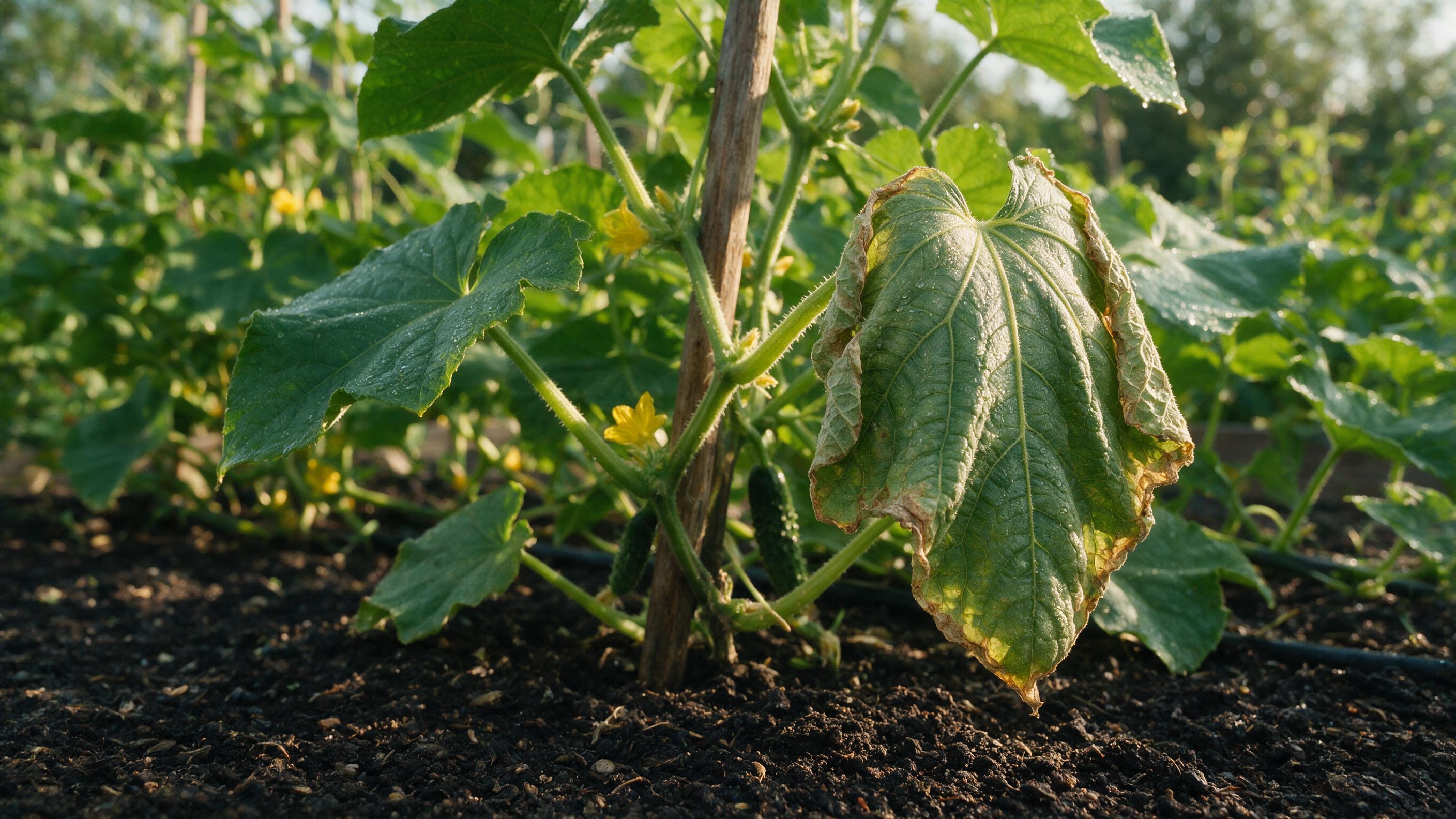
Stepping out to your garden and spotting your cucumber leaves curling into tight scrolls or folding inward is one of those “something is definitely wrong” moments every home gardener knows. The good news is that curling leaves are your plant’s way of communicating — and once you understand the message, fixing the problem is usually straightforward.
Cucumbers (Cucumis sativus) are warm-season vegetables that thrive with consistent care, but they’re also quick to show stress through their foliage. Cucumber leaves curling is an early indicator that something isn’t right and your cucumber harvest is at risk. The sooner you identify the cause, the better your chances of saving the plant and protecting your yield.
This guide walks you through every major cause of cucumber leaf curl — from watering habits and light conditions to pests, disease, and nutrient gaps — along with clear steps to diagnose and fix the problem at home. Whether you’re growing in raised beds, containers, or in-ground rows across the US, these solutions apply to your garden.
What Does It Mean When Your Cucumber Leaves Are Curling?
Leaf curling in cucumbers is a physical stress response. When something disrupts the plant’s normal function — whether that’s too much water, too little light, a pest feeding on the foliage, or a viral infection — the leaves change shape as a survival mechanism. Seeing the leaves of these plants curl up can be alarming. Leaf curling is not merely an aesthetic problem; it signals underlying issues that, if not addressed, can severely impact plant health and yield.
The direction and pattern of the curl can actually tell you a lot. Cucumbers are amazing in that they basically tell you what the problem is by the direction and shape their leaves curl. By inspecting the leaves, you will get a pretty good idea of the problem, which is at least halfway to fixing the issue.
- Curling upward: Often linked to heat stress, underwatering, or potassium and calcium deficiency
- Curling inward: Frequently caused by overwatering, nutrient deficiency, or root stress
- Curling downward: Associated with viral infections like cucumber mosaic virus or magnesium deficiency
- Curling at the edges: Can point to potassium deficiency, low humidity, or herbicide drift
Cucumber foliage curling may result from a combination of biological, environmental, and chemical factors. These causes include pests, viral infections, environmental stressors, herbicide drift, and poor soil conditions. Rarely is there just one culprit — multiple stressors often overlap, which is why a systematic approach to diagnosis matters.
Is Curling in Cucumbers Always a Sign of a Problem?
Not every curled leaf means your plant is in crisis. Some very slight leaf movement is normal, especially during the hottest part of the afternoon when cucumbers temporarily fold their leaves to reduce sun exposure and water loss. This is a natural, temporary response and the leaves typically flatten out again once temperatures drop in the evening.
Not every curled leaf is a cry for help; some variation is natural. But when you spot leaves that stay persistently curled, show signs of discoloration, or have a brittle texture, it’s time to spring into action.
The key distinction is persistence and accompanying symptoms. If the curling resolves on its own within a few hours — and the leaves look otherwise healthy, green, and firm — you likely don’t have a problem. If the curling continues overnight, spreads to new leaves, or comes with yellowing, spots, sticky residue, or wilting, something needs your attention.
Pro Tip: Check your plants in the early morning before temperatures peak. If leaves are still curled at 7–8 a.m., that’s a reliable sign the curl is stress-related rather than a normal midday heat response.
Watering Issues Causing Cucumber Leaves to Curl
Water is the most common trigger for cucumber leaf curl, and both extremes — too much and too little — cause the same visual symptom. That’s what makes it tricky to diagnose at first glance.
Overwatering
Overwatering is the most common cause of curling inward. Cucumber leaves curl quickly, letting you know you’ve been a bit too overzealous with your watering. Just like humans, plant roots need to breathe. They respire, taking in oxygen and expelling carbon dioxide. However, when they’re drowning in water, this respiration process is inhibited. This stress on the roots can manifest as a visible sign in the plant’s leaves, causing them to curl up.
With overwatering, you’ll typically also notice the soil staying soggy for days, lower leaves yellowing first, and a general wilted look despite wet soil. Root rot can develop quickly in these conditions and is much harder to reverse once established.
Underwatering
Underwatering can also lead to root stress, causing cucumber leaves to curl. When a cucumber plant doesn’t receive enough water, its roots dehydrate. In response, leaves start to curl as a survival mechanism, reducing their surface area in an attempt to minimize water loss through transpiration.
If your cucumber leaves are curling and the soil is dry to the touch, it might be a sign that your plants are thirsty and it’s time to water. Underwatered plants also tend to look dull, with leaves that feel thin or papery rather than firm.
Inconsistent Watering
Inconsistent watering can cause a host of problems — one of which is cucumbers curling. If the soil alternates between being bone dry and then soggy, the cucumber fruits may develop unevenly, leading to curly cucumber fruit. The same boom-and-bust moisture pattern stresses the foliage too.
The fix is straightforward: aim for deep, even moisture. Deep, consistent watering helps cucumbers develop healthy root systems and prevents moisture stress. Consider using mulch to retain soil moisture and water at the base of the plant to keep leaves dry and reduce the risk of disease. A 2–3 inch layer of straw mulch around the base of each plant works well in most US growing zones. You can also explore drought-tolerant companion planting strategies if you garden in a region prone to dry spells.
Pro Tip: Stick your finger 2 inches into the soil near the base of the plant. If it feels dry at that depth, it’s time to water. If it’s still damp, hold off another day and check again.
Light Conditions Behind Cucumber Leaf Curling
Light is just as important as water when it comes to cucumber health, and the wrong amount — in either direction — can cause the leaves to curl.
Cucumbers need a minimum of 6–8 hours of sunlight a day. Without enough sunlight, the plants can become weak and produce deformed fruits, including cucumbers curling into odd shapes. Leaves may turn pale, and vines become spindly. If your cucumber patch is shaded by a fence, taller crops, or a structure for much of the day, that lack of light is likely contributing to the problem.
On the flip side, too much intense, direct sun — especially during summer heat waves in the South and Southwest — can trigger heat stress that causes leaves to curl upward and edges to scorch. Heat stress is a common culprit, manifesting as leaves curling upwards and wilting. The ideal temperature range for healthy growth is between 70°F to 85°F (21°C to 29°C).
Make sure your cucumber plant is growing in full sun, and avoid overcrowding with other vegetables like tomatoes that might shade them out. If you’re growing cucumbers in pots, move them to the sunniest spot you have. For gardeners pairing cucumbers with other crops, check out this guide on plants that grow well with tomatoes to plan a garden layout that gives each plant adequate light.
If intense afternoon sun is the problem rather than a lack of light, a shade cloth rated at 30–40% can reduce leaf temperature without starving the plant of the light it needs for photosynthesis. Position it so it blocks the harshest western sun between 2–5 p.m.
Soil, Nutrients, and Root Health Causing Cucumber Leaves to Curl
What’s happening underground directly affects what you see above it. Poor soil structure, compacted ground, and nutrient imbalances are all common reasons cucumber leaves curl — and they’re often overlooked because the damage isn’t immediately visible at the root level.
Potassium Deficiency
One common deficiency causing cucumber leaves to curl is a lack of potassium. It’s a key nutrient responsible for growth and development, and is involved in various plant processes such as protein synthesis, photosynthesis, and water uptake. Potassium also plays a significant role in the regulation of stomata — small openings in the leaf surface that control water loss and gas exchange.
The curling caused by potassium deficiency usually starts at the edges of the leaf, which may also turn yellow or brown. If your cucumber plants are displaying these symptoms, it could be a sign that they need a boost in potassium. Consider adding a natural, organic source of potassium, such as composted banana peels, to your soil.
Magnesium Deficiency
Another nutrient that’s crucial to plant health is magnesium. This mineral is a key component of chlorophyll, the pigment that gives plants their green color and plays a central role in photosynthesis. When a plant doesn’t get enough magnesium, it can interfere with the plant’s ability to produce energy through photosynthesis. The leaves may start to curl down, looking wilted and unhappy. You might also notice interveinal chlorosis, a condition where the spaces between the leaf veins turn yellow while the veins remain green.
Nitrogen and Calcium
Nitrogen shortage often leaves foliage pale and yellow, while potassium scarcity can cause leaf edges to yellow or brown and curl. Calcium deficiency leads to crinkled and distorted leaves. Excess nitrogen can also be a problem — it pushes lush green growth but weakens the plant’s overall structure, sometimes causing leaves to curl under.
Soil pH and Root Health
It’s important to regularly test the soil and adjust nutrient levels as needed. Most cucumbers prefer a soil pH between 6.0 and 6.8. Outside that range, nutrients become locked out even when they’re physically present in the soil. A simple soil test kit from your local garden center or a university extension service can give you an accurate reading. Adjust soil pH to unlock micronutrients, and consider foliar sprays for immediate relief.
| Deficiency | Curl Direction | Other Symptoms | Quick Fix |
|---|---|---|---|
| Potassium | Edges curl up or inward | Yellow/brown leaf edges | Potassium-rich fertilizer or wood ash |
| Magnesium | Curls downward | Interveinal chlorosis (yellow between green veins) | Epsom salt foliar spray (1 tbsp per gallon) |
| Nitrogen | Curls under | Pale, yellowish overall color | Balanced NPK fertilizer or compost top-dress |
| Calcium | Crinkled, distorted | Tip burn, stunted new growth | Lime amendment or calcium foliar spray |
Environmental Stress Triggering Cucumber Leaf Curling
Cucumbers are sensitive plants that don’t handle sudden environmental shifts well. Temperature swings, wind, low humidity, and overcrowding are all environmental stressors that can push leaves into a curl.
Temperature Extremes
Cucumbers prefer a warm but stable climate. When exposed to extremely high or low temperatures, they may experience stress, which can cause the leaves to curl in an attempt to conserve moisture. This response is particularly common during heatwaves or sudden cold snaps. In much of the US, late-July and August heat events are a common trigger, especially in states like Texas, Arizona, and the Southeast.
Wind and Low Humidity
Low humidity can cause leaf edges to curl and dry out, while high humidity may lead to fungal issues that exacerbate leaf curl. Strong, dry winds — common in the Plains states and the West — pull moisture from leaves faster than the roots can replace it, causing the edges to curl and crisp. A simple windbreak using garden fabric or a row of taller companion plants on the windward side can make a meaningful difference. For wind-hardy plant options, see this list of best wind-tolerant plants.
Overcrowding
Give these climbers room to breathe — 12 inches apart for vertical growth and 24 inches for horizontal sprawl. This spacing ensures good air circulation, reducing the risk of disease. When cucumbers are planted too close together, they compete for light, water, and nutrients. The resulting stress shows up as curled, yellowing leaves, and the poor airflow also makes fungal disease much more likely.
Herbicide Drift
One often-overlooked cause of leaf curl — particularly in suburban and rural US gardens near lawns or farm fields — is herbicide drift. If a neighbor applies a broadleaf herbicide on a windy day, even trace amounts landing on your cucumber plants can cause dramatic, twisting leaf curl. The pattern tends to affect multiple plants at once and appears suddenly after a spray event. There’s no fix once exposure has occurred, but new growth should come in normally if the exposure was minor.
Pests and Disease Leading to Cucumber Leaf Curling
Insects and pathogens are among the most damaging causes of cucumber leaf curl because they can spread rapidly and cause compounding harm if not caught early.
Common Pests
Aphids, whiteflies, and spider mites are some of the most common culprits that feed on cucumber foliage, causing it to curl. Aphids, thrips, mites, cucumber beetles, and whiteflies feed on cucumber leaves, stems, and blossoms, sometimes causing deformation and a curled shape in both the fruit and foliage. Pests like these also transmit viruses that directly affect plant tissues, resulting in curly cucumber fruit. Keep an eye out for sticky residue, stippling, or distorted leaves — these are signs of pest activity.
Cucumber beetles are like tiny vandals, spreading bacterial wilt and munching on seedlings. The striped cucumber beetle is especially problematic in the eastern and midwestern US. Aphids are small, soft-bodied insects that suck sap from the underside of leaves. The feeding of aphids alone can cause the leaves to curl.
Fungal Diseases
If the leaves of your cucumber plant are curling inward, Alternaria leaf blight might be to blame. Caused by the fungus Alternaria cucumerina, the disease starts as brown spots on the leaves near the plant’s crown, gradually becoming bigger. Leaves that are severely infected turn brown, curl and die. Alternaria leaf blight tends to be a problem when the weather is warm and humid.
Powdery mildew makes leaves look like they’ve been dusted with flour, and it’s not a pretty sight. Leaves curl outward due to many diseases — most often due to powdery mildew. Additionally, a whitish bloom can be found on the surface of the leaves.
Viral Infections
Viral diseases are another major cause of curling in cucumber foliage. Two of the most problematic viruses are the cucumber mosaic virus (CMV) and the zucchini yellow mosaic virus (ZYMV). CMV is spread by aphids and other insects. Infected plants often exhibit symptoms such as curling, mottled patterns, and stunted growth. The leaves may develop a distinctive yellowing and wrinkled appearance, which reduces the plant’s photosynthetic capacity.
Zucchini yellow mosaic virus causes severe curling and deformation of cucumber leaves. It may also result in yellow streaks or mosaic-like patterns on the foliage, significantly impacting the plant’s vigor. ZYMV is typically spread by aphids or infected seeds. There is no cure for viral infections — affected plants should be removed and disposed of in the trash (not compost) to prevent spread.
Important Note: Always sanitize pruning shears and garden tools between plants when working in a garden where viral disease is suspected. The virus can travel on blades and spread to healthy plants within minutes.
How to Diagnose Why Your Cucumber Leaves Are Curling
A systematic look at your plant and its environment will almost always point you toward the cause. Work through these steps before reaching for any treatment.
- Observe the curl direction. Upward curling often points to heat or underwatering. Downward curling suggests viral infection or magnesium deficiency. Inward curling typically indicates overwatering or nutrient deficiency. Edge curling can signal potassium issues or herbicide exposure.
- Check the soil moisture. Push a finger 2 inches into the soil. Soggy soil points to overwatering or poor drainage. Dry, crumbly soil means underwatering. Use a moisture meter for a more precise reading.
- Inspect the undersides of leaves. Regular monitoring is essential. Inspect the undersides of leaves for signs of pests and act quickly if you spot an infestation. Look for tiny moving dots (spider mites), small soft-bodied clusters (aphids), or white powdery patches (powdery mildew).
- Look for patterns across the plant. Differentiate between pest and disease-related curling. Pest-related symptoms often include sticky residue, visible insects, and webbing, while disease-related symptoms may show spots, wilting, and overall plant decline.
- Assess light and temperature. Assess the environmental conditions affecting growth. Use a thermometer and hygrometer to check temperature and humidity levels, and evaluate soil moisture to ensure there’s no overwatering or poor drainage.
- Review recent events. Did you fertilize heavily last week? Was there a nearby lawn spray? Did temperatures spike? A timeline of recent changes often reveals the cause quickly.
If you’re struggling to identify the pest or disease on your own, a plant identification app can be a helpful starting point. Check out the best iPhone apps for identifying plants or the best Android apps for identifying plants for tools that can help you get a faster diagnosis.
How to Fix a Cucumber Plant That Is Curling
Once you’ve identified the cause, treatment is usually targeted and manageable. Here’s how to address each major issue.
Fixing Watering Problems
If overwatering is the issue, stop watering immediately and let the soil dry out to a depth of 2 inches before watering again. Improve drainage by loosening compacted soil around the plant or adding perlite to container mix. If root rot has set in, gently remove the plant, trim blackened roots, and repot in fresh, well-draining soil.
For underwatering, water deeply and slowly at the base of the plant. Water your cucumbers deeply but infrequently to encourage strong root development and avoid the dreaded leaf curl. A drip irrigation system can be your best friend here, targeting the roots without turning the leaves into a fungal fiesta.
Fixing Nutrient Deficiencies
Start with a soil test to confirm which nutrients are lacking before adding anything. Use a balanced, complete organic fertilizer and amend the soil with compost for strong, healthy vines. Watch for signs of deficiency — yellowing leaves for nitrogen, weak stems for potassium or phosphorus — and adjust accordingly.
For a quick magnesium boost, dissolve 1 tablespoon of Epsom salt in a gallon of water and apply as a foliar spray in the early morning. For potassium, a top-dress of wood ash or a liquid potassium fertilizer works well. If you’ve overdone it with fertilizer, flush the soil with water to remove excess nutrients.
Fixing Pest Infestations
If aphids are causing your cucumber leaves to curl, you can try to eliminate them with soapy water. Make sure to rinse the leaves with clean water afterward. You can also use insecticidal soap to get rid of them. Beneficial insects, like ladybugs, help to keep aphids in check, so avoid using pesticides that can harm these predators, which can make an aphid infestation worse.
Hand-pick bugs and remove eggs from the undersides of leaves. For larger infestations, insecticidal soap or neem oil can be effective. Apply neem oil in the early morning or evening — never in full midday sun — to avoid burning the foliage.
Fixing Disease Problems
Keeping the leaves dry when watering your cucumbers can go a long way when it comes to preventing fungal diseases, like Alternaria leaf blight. You should also avoid handling cucumber plants when they are wet. For existing fungal infections, remove and dispose of heavily affected leaves, improve air circulation by thinning crowded growth, and apply a copper-based fungicide or neem oil spray according to label directions.
For viral infections, there is no treatment. If a plant is severely infected, remove and dispose of it to prevent the disease from spreading to healthy plants.
Fixing Environmental Stress
Shade cloth, windbreaks, and consistent watering schedules are your main tools against environmental stress. For heat stress, water in the early morning so plants are well-hydrated before temperatures climb. Protect cucumbers from harsh winds and scorching sun. A little shade cloth or windbreak can go a long way.
If overcrowding is the issue and your plants are still young, thin them to the recommended spacing. If they’re established, carefully prune lower leaves and secondary vines to open up airflow without removing too much foliage at once. Removing too many leaves can send your cucumber plant into a protective frenzy, causing the remaining leaves to curl.
How to Prevent Cucumber Leaf Curling Going Forward
Prevention is far easier than treatment, and most of it comes down to consistent, attentive care from the start of the season.
- Choose resistant varieties. Choosing the right variety of cucumber can be a game-changer in preventing leaf curling. Some cultivars have a natural resilience against environmental stressors that typically cause leaves to curl. Look for varieties labeled as CMV-resistant at your local nursery or seed supplier. If you’d like to explore your options, this overview of types of cucumbers can help you choose a variety suited to your climate and growing style.
- Practice crop rotation. Many of the pathogens that can cause cucumber leaves to curl can also linger in the soil for a long time. Therefore, you should wait at least three years before growing cucumbers in the same soil where related vegetables were planted, such as watermelons, squash and pumpkins.
- Use clean seeds and tools. Alternaria leaf blight is often spread by infected garden tools. Sanitize shears and stakes between plants and seasons. Buy seeds from reputable sources to reduce the risk of introducing viruses from the start.
- Manage aphid populations proactively. Control aphid populations to minimize the risk of disease transmission. Introduce beneficial insects like ladybugs and lacewings early in the season. Avoid broad-spectrum pesticides that kill these natural predators.
- Mulch consistently. A 2–3 inch layer of straw or wood chip mulch stabilizes soil moisture, moderates root temperature, and reduces the splash-back of soil-borne pathogens onto lower leaves.
- Water at the base, not the foliage. Drip irrigation can help keep nasty pathogens at bay. Wet foliage is an open invitation for fungal disease.
- Space plants properly. Keep air circulating around your plants to reduce humidity and deter fungal growth. Proper spacing from the start eliminates one of the most common preventable stressors.
- Test your soil annually. A soil test every spring gives you a baseline to work from and prevents both deficiencies and over-fertilization before they become visible problems.
If you enjoy growing a range of plants and want to build a more resilient garden overall, browsing this guide to types of plants can help you think about companion planting and garden design in a way that supports your cucumbers’ health long-term.
Pro Tip: Keep a simple garden journal noting watering dates, fertilizer applications, temperatures, and any symptoms you observe. When problems arise, a written record makes diagnosis dramatically faster — especially for issues that build gradually over weeks.
FAQ
Why are my cucumber leaves curling up at the edges?
Edge curling most often points to potassium deficiency, low humidity, or heat stress. Check the leaf edges for yellowing or browning — if present, a soil test can confirm a potassium shortage. If the edges are simply drying out without discoloration, consider whether temperatures have been extreme or wind has been pulling moisture from the foliage.
Why are my cucumber leaves curling downward?
A cucumber plant’s leaves may curl downward if it is infected with cucumber mosaic virus. This virus is often transmitted by aphids, which are small, soft-bodied insects that suck sap from the underside of leaves. Magnesium deficiency can also cause downward curling, and the two are distinguished by the presence or absence of mosaic-like yellowing patterns on the leaf surface.
Can overwatering cause cucumber leaves to curl?
Yes — overwatering is one of the most common causes of inward leaf curl. When roots are waterlogged, they can’t take in oxygen, which stresses the entire plant and causes leaves to curl as a distress signal. Let the soil dry out between waterings and ensure your planting area or container has adequate drainage.
What pests cause cucumber leaves to curl?
Aphids and spider mites suck the life out of leaves, causing them to curl and distort. Whiteflies, thrips, and cucumber beetles are also common culprits. Always check the undersides of leaves — that’s where most of these pests hide and feed.
How do I know if my cucumber has a viral infection?
Viral infections like cucumber mosaic virus typically cause a combination of leaf curling, mosaic-like yellowing or mottling, and stunted growth. Infected plants often exhibit symptoms such as curling, mottled patterns, and stunted growth. The leaves may develop a distinctive yellowing and wrinkled appearance, which reduces the plant’s photosynthetic capacity. Unlike pest or nutrient issues, viral infections don’t respond to treatment — removal of the affected plant is the recommended step.
Will curled cucumber leaves recover?
In many cases, yes. If the curl is caused by a correctable issue — watering imbalance, nutrient deficiency, heat stress, or a manageable pest infestation — leaves can recover once the underlying problem is addressed. Severely damaged leaves won’t uncurl fully, but healthy new growth will come in normally. Leaves affected by viral disease will not recover.
How often should I water cucumbers to prevent curling?
Ensure you provide enough water regularly. Deep, consistent watering helps cucumbers develop healthy root systems and prevents moisture stress. Most gardeners in average US summer conditions find that watering deeply once or twice per week — depending on heat and soil type — keeps cucumbers healthy. Always check soil moisture before watering rather than watering on a fixed schedule regardless of conditions.