Can You Freeze Vegetable Oil? Storage Tips, Shelf Life, and More

November 12, 2026
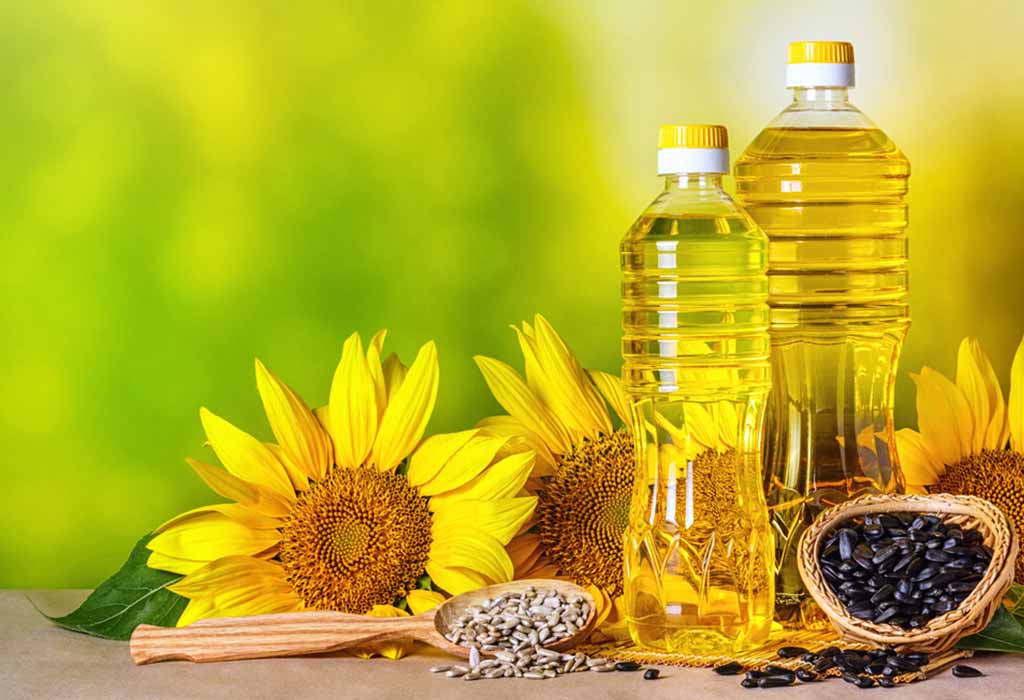
If you bought vegetable oil in bulk or simply haven’t cooked through a bottle as fast as expected, you may be wondering whether the freezer is a safe option. The short answer is yes — you can freeze vegetable oil, and it won’t ruin it.
What actually happens is a bit more interesting than a simple yes or no. Oil doesn’t freeze in one go the way water does. Instead, the bottle gradually changes — first becoming thicker and more viscous, then turning gel-like, and eventually solidifying. Understanding that process helps you store and use it correctly every time.
This guide covers everything you need to know about freezing vegetable oil: what happens to it, how to do it right, how long it lasts, and how to tell when it’s gone bad.
Can You Freeze Vegetable Oil?
Freezing vegetable oil is a great option for making the most of your supply. Because of the ingredients and the makeup of vegetable oil, it does not truly freeze but is preserved by the freezing temperatures. That’s an important distinction from freezing water-based foods.
The freezing point of vegetable oil is too low for it to freeze completely in the average home freezer. Blended cooking oils, commonly known as vegetable oils, can be less predictable since their freezing point depends on the mix of base oils like soybean, canola, and others. Most bottles you buy at an American grocery store are a blend, so behavior in the freezer will vary slightly by brand.
Refined oils go through a process called “winterization” — an essential step in manufacturing sunflower oil, corn oil, and other vegetable oils. This process exposes the oils to cold temperatures to separate and remove natural waxes and impurities. Apart from extending the shelf life, this process also ensures they stay clear and liquid for longer, even in cold temperatures.
Pro Tip: If you buy vegetable oil in large jugs from warehouse stores like Costco or Sam’s Club, divide it into smaller containers before freezing. You’ll be able to thaw only what you need without waiting for the whole jug to come to room temperature.
Does Freezing Change the Texture or Taste of Vegetable Oil?
This is where most people have questions, and the answer depends on what you’re looking for. The integrity and texture of vegetable oil is not affected by freezing. Once it warms back up, it performs exactly the same in the pan or in a recipe.
Vegetable oil that has been in a freezer might appear cloudy at first. It might look like it contains particles or granules. Frozen oil won’t be solid like ice, but it might be thicker and appear lumpy or textured-looking. None of that is a sign of spoilage — it’s just the oil’s natural response to cold.
You might notice the compounds separating in the freezer, but this does not affect the oil’s quality. When you decide to use it, it will work perfectly. The visual changes are cosmetic, not chemical. Heating the oil melts the clumps and restores the oil’s consistency. The vegetable oil will work the same as it did before you put it in the freezer.
Taste is a slightly different story. Cooking oil does not spoil when it freezes; in fact, freezing can even prolong its shelf life. However, it is important to understand that the texture and flavor of the oil will undergo changes. For plain vegetable oil used in everyday cooking — frying, baking, sautéing — any subtle flavor shift is generally unnoticeable once it’s heated and used in a dish. If you’re using a more delicate oil like extra virgin olive oil, the difference may be more apparent, but standard vegetable oil holds up well.
How to Freeze Vegetable Oil the Right Way
Freezing vegetable oil is one of the more straightforward food storage tasks. Freezing vegetable oil is simple. There are no complicated freezing steps required. Still, a few habits make a real difference in quality over time.
To freeze unopened vegetable oil, put the sealed container in the freezer as-is. Since the oil doesn’t freeze solid, it won’t expand the way other liquids like water or milk will when they freeze and risk splitting the container. That means you don’t need to worry about the bottle cracking.
For an open container, the process takes one extra step. To freeze an open container, check to ensure the seal is tight before putting it in the freezer. You don’t need to decant the oil or use other storage containers. However, you might want to freeze it in smaller portions to make it easier to use.
Oil can thicken up enough in the freezer to the point where you can’t pour it from its bottle. Unless you plan to thaw the entire container when you need some, freezing oil in small portions for cooking will let you remove what you need without waiting for the whole bottle to come to room temperature.
If you’re portioning the oil into separate containers, follow these steps:
- Choose clean, airtight glass jars or freezer-safe plastic containers.
- Sterilize containers with hot water beforehand and let them dry completely.
- Portion the oil, leaving a small amount of headspace.
- Label the containers with the date.
- Seal tightly and place in the freezer away from strong-smelling foods.
Pro Tip: An ice cube tray works well for portioning vegetable oil into single-use amounts. Once frozen (or semi-solid), transfer the cubes to a labeled freezer bag. Each cube holds roughly one to two tablespoons — perfect for sautéing or adding to a recipe without thawing a full bottle.
How Long Can You Freeze Vegetable Oil?
One of the biggest advantages of freezing is the shelf life extension. An unopened bottle of vegetable oil will be usable for one to two years, though it could last longer in ideal conditions. Once opened, that window shrinks.
Frozen oil can last two to three years or more, especially if your freezer is humidity-controlled. That’s a meaningful difference compared to pantry storage, particularly if you cook infrequently or buy in large quantities.
Here’s a quick comparison of storage methods and expected shelf life:
| Storage Method | Container Status | Estimated Shelf Life |
|---|---|---|
| Pantry (cool, dark) | Unopened | 1–2 years |
| Pantry (cool, dark) | Opened | Up to 1 year |
| Refrigerator | Opened or unopened | 1–2 years |
| Freezer | Opened or unopened | 2–3+ years |
Heat, light, and prolonged exposure to air all speed up oxidation, which is why oils last longest when stored in tightly sealed containers away from sunlight in a cool, dark place. The freezer checks all of those boxes, making it the best long-term option if you have the space.
Vegetable oil is a pantry staple used across many traditional cuisines and everyday American cooking alike, so having a reliable long-term storage strategy pays off whether you cook daily or occasionally.
How to Thaw Frozen Vegetable Oil
Thawing is where most mistakes happen, and the method you choose matters more than you might think. When it comes to chances of spoiling, what matters isn’t the freezing but how you thaw the oil afterward. The easiest method is simply to move the bottle into a warm room or leave it in your pantry, allowing it to return naturally to its liquid state.
If you’re in a hurry, you can place the container in a pan of warm (not boiling) water and let the gentle heat do the work. Avoid blasting frozen oil in the microwave, as your oil will heat unevenly, making it harder to control cooking temperatures.
Avoid exposing the oil to excessive heat or direct sunlight, as this can accelerate oxidation and degrade its quality. A countertop or pantry shelf at room temperature is all you need. Most vegetable oil will return to a pourable consistency within a few hours, depending on how thick it became in the freezer.
Key Insight: If your thawed oil looks cloudy or slightly separated, that’s normal. You might note that your vegetable oil has cloudy drops or some separation. You should not panic. This mostly happens because of the cold temperatures and the oil will work perfectly regardless.
Can You Refreeze Vegetable Oil After Thawing?
Technically, you can refreeze vegetable oil, but it’s not a good habit to develop. While freezing oil doesn’t spoil its quality, repeatedly freezing and thawing oil can shorten its shelf life. Each temperature shift increases the chance of condensation forming inside the bottle, and if even a little water mixes with the oil, it creates a risk of bacterial growth through contamination.
The other factor to watch out for is oxidation. Oxidation happens when oils are exposed to oxygen, triggering a chemical reaction similar to how metal rusts. In oils, this process — called rancidification — breaks down fats and creates new compounds, including free radicals. Each freeze-thaw cycle slightly increases exposure risk.
The smarter approach is to freeze in single-use portions from the start. That way, you only thaw what you need and never have to put the same oil back in the freezer. Never freeze used cooking oil or one that has been defrosted before. Only freeze cooking or frying oil in bigger batches if you intend to use it all at once after it has thawed.
How to Use Frozen Vegetable Oil (Best Uses After Freezing)
Once your frozen vegetable oil has thawed and returned to its normal consistency, you can use it exactly as you would fresh oil. Freezing your vegetable oil will not alter its usefulness or consistency. It may appear to have a different consistency when stored in the freezer, but when you heat the oil, it becomes exactly the same and works the same way.
Here are the best ways to put thawed vegetable oil to work:
- Pan-frying and sautéing: Works exactly as normal. Heat it in the pan and cook as usual.
- Deep frying: Thawed vegetable oil performs well at high temperatures. Its neutral flavor makes it a go-to for fried chicken, French fries, and doughnuts.
- Baking: Cakes, muffins, and quick breads that call for oil won’t taste any different when made with previously frozen vegetable oil.
- Salad dressings and marinades: Once fully liquid again, it blends easily into vinaigrettes and marinades.
- Herb oil cubes: Top ice cube trays of chopped herbs with a thin layer of neutral-flavored oil, such as vegetable oil, light olive oil, or grapeseed oil. You can also use extra-virgin olive oil or avocado oil if you prefer — it will just have a stronger flavor. Drop a cube directly into a hot pan for instant flavor.
Vegetable oil’s neutral flavor makes it one of the most versatile cooking fats in an American kitchen. It pairs well with everything from everyday weeknight dinners to the bold spices found in traditional Pakistani cooking or the rich dishes of German cuisine. If you’re focused on heart-healthy cooking, pairing a quality oil with the right ingredients matters — see this guide on superfoods for a healthy heart for ideas.
For non-cooking uses, thawed vegetable oil also works well as a wood conditioner, a lubricant for squeaky hinges, or a skin moisturizer — vegetable oil is not simply a pantry staple. It is also a common ingredient in processed foods, a preserving agent, and a beautifying elixir.
Signs That Frozen Vegetable Oil Has Gone Bad
Vegetable oil doesn’t spoil the way meat or dairy does, which makes it harder to spot when it’s past its prime. You can’t tell that cooking oil has gone bad from looking at it most of the time. It typically does not grow mold or rot like many foods.
Here’s what to watch for instead:
- Rancid smell: The easiest way to tell if oil has gone bad is the smell. It will have a strong, bitter odor if the oil is rancid.
- Off taste: If the oil tastes sour, bitter, or stale when you cook with it, it has oxidized and should be discarded.
- Unusual color after thawing: A slight cloudiness right after freezing is normal and clears up as it warms. However, if the oil remains dark, murky, or discolored after fully thawing, that’s a warning sign.
- Chunks that don’t dissolve: Some thickening in the freezer is expected. If the oil has solid chunks or a gummy texture that don’t melt away at room temperature, the oil may have degraded.
Important Note: Freezing vegetable oil can make it hard to determine if the oil is rancid when ready to use. Always smell and taste a small amount after thawing, especially if the oil has been frozen for more than a year. When in doubt, throw it out — rancid oil isn’t just unpleasant; the free radicals produced by rancidification can damage cells in the body and promote inflammation, which has been linked to chronic diseases such as heart disease and cancer.
Curious about how the foods you cook with affect your health long term? This overview of nutrients and foods that fight cancer and this look at foods you may want to limit are worth a read alongside your pantry habits.
Frequently Asked Questions
Does Vegetable Oil Actually Freeze Solid?
Vegetable oil doesn’t freeze in the usual way, but freezing vegetable oil preserves the oil for long-term storage. It doesn’t freeze like other liquids because the freezing point of vegetable oil is too low for it to freeze completely in the average home freezer. You’ll typically end up with a thick, semi-solid consistency rather than a hard block.
Is It Safe to Freeze Used Cooking Oil?
Freezing used cooking oil is a terrible idea. It can be reused three to four times after filtering out the crumbs, but it should not be refrozen. It has already started to oxidize, and bacteria can spread due to food residue in it. Store used oil in a sealed container at room temperature and use it within a few months.
Can You Freeze Vegetable Oil in a Plastic Bottle?
Yes. To freeze unopened vegetable oil, put the sealed container in the freezer as-is. Since the oil doesn’t freeze solid, it won’t expand the way other liquids like water or milk will when they freeze and risk splitting the container. The original plastic bottle is fine as long as the cap seals tightly.
Does Freezing Vegetable Oil Affect Its Nutritional Value?
Freezing does not significantly degrade the nutritional content of vegetable oil. The main risk to nutrition comes from oxidation and rancidity — both of which freezing actually helps prevent. Freezing doesn’t spoil oil. In fact, it can even help extend its shelf life. The fatty acids and fat-soluble vitamins in the oil remain stable when kept cold and away from air.
Should You Store Vegetable Oil in the Fridge Instead?
You can freeze vegetable oil if you want to store it out of the light and heat in the freezer, but you don’t need to. The oil’s already long shelf life means it’s unlikely to go rancid in your pantry. To avoid the inconvenience of defrosting oil every time you need it, it’s best to store vegetable oils in a cool (but not too cold), dark place, away from extreme temperatures, so it’s ready to use anytime. The fridge is a solid middle-ground option that extends shelf life without making the oil difficult to pour.
What Other Oils Can You Freeze?
Most cooking oils respond well to freezer storage. The how-to guidance for freezing is suitable for peanut, canola, olive, sunflower, and any other vegetable oil or cooking oil blend. Oils higher in saturated fat, like coconut oil, solidify even at room temperature and behave differently in the freezer than unsaturated oils like canola or sunflower. Regardless of the type, the same rules apply: use airtight containers, label with a date, and thaw gradually at room temperature. If you’re interested in how different oils and fats support your overall diet, this guide on whole plant-based foods covers healthy fat sources worth knowing about.