Can You Freeze Live Mussels? What You Need to Know Before You Try

November 12, 2026
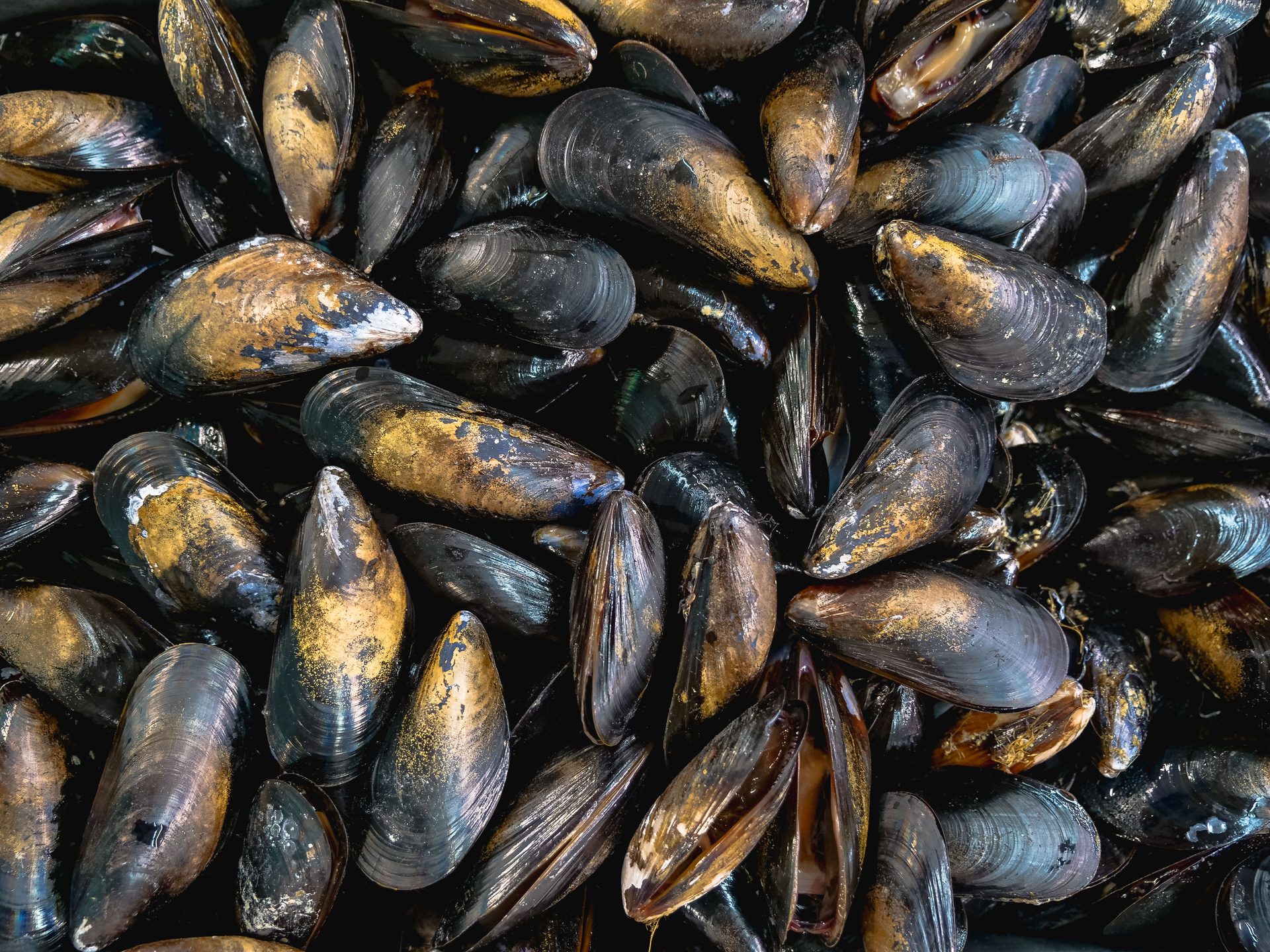
Mussels are one of the most affordable and flavorful shellfish you can buy at an American seafood counter or grocery store — but they come with a short clock. When it comes to shelf life, shellfish are a delicate food, and if they are not frozen, there is a short window of time between when they are caught and when they start to go bad. That makes proper storage a real priority.
So can you freeze live mussels? The short answer is yes — but with some important caveats. Freezing them alive is possible, though cooking them first typically gives you better texture and a longer freezer life. Either way, knowing the right technique keeps your mussels safe and delicious rather than rubbery and risky.
This guide walks you through everything: how freezing affects quality, the exact steps for doing it right, how long frozen mussels last, and how to tell when they have gone bad. If you enjoy the pros and cons of eating seafood, understanding proper mussel storage is a skill worth having.
Can You Freeze Mussels?
You can freeze mussels, but it must be done carefully. There are two routes: freeze them live (in the shell, before cooking) or cook them first and then freeze. Both work, but they produce different results and have different storage timelines.
If you intend to freeze the mussels before cooking them, it is important to freeze them within a day or two to maintain freshness. Waiting too long before freezing live mussels defeats the purpose — you want them as fresh as possible when they go into the freezer.
Freezing live mussels will kill the shellfish. That is normal and expected. The goal is to halt bacterial growth and lock in freshness at the point of freezing, not to keep them alive through the process. What matters is that they were alive and healthy before you froze them.
Pro Tip: If you have the time, cooking mussels before freezing is the better option for most home cooks. The benefit of cooking mussels before freezing is that it cuts down on time when you go to reheat them, and it allows you to store them in the freezer for a longer period of time.
Live mussels freeze for up to three months, while cooked mussels can also be frozen for up to six months. Choosing which method to use often comes down to how soon you plan to use them and what dishes you have in mind.
Does Freezing Change the Texture or Taste of Mussels?
Freezing does affect mussels — there is no way around it. The ice crystals that form during freezing break down the delicate muscle fibers in the meat, which can make thawed mussels slightly softer or chewier than fresh ones. The degree of change depends heavily on how well you freeze and thaw them.
Live mussels frozen raw tend to experience more textural change than mussels that were cooked first. Cooking sets the proteins before freezing, which helps the meat hold its structure better through the freeze-thaw cycle. For dishes where texture is front and center — like steamed mussels served in the shell — fresh is always preferable.
Flavor holds up reasonably well when mussels are frozen correctly. They should always smell fresh, like the ocean, both before freezing and after thawing. Any off-smell after thawing is a sign of quality loss, not just freezing. Freezer burn is the biggest flavor threat: it causes dry, discolored patches and a stale taste that no amount of sauce can fully mask.
For soups, chowders, pasta sauces, and other cooked dishes, frozen mussels perform very well. The sauce or broth environment compensates for any softness in texture, making them nearly indistinguishable from fresh in the finished dish. If you enjoy traditional Greek foods or other Mediterranean-style seafood recipes, frozen mussels are a practical pantry staple.
How to Freeze Mussels the Right Way
Proper prep before freezing makes all the difference. Whether you freeze them live or cooked, start with healthy, freshly purchased mussels and follow these steps carefully.
Freezing Live Mussels (Raw, in the Shell)
- Sort and inspect. Before freezing live mussels, discard any mussels with cracked shells and any mussels that are already open. Tap the shell before discarding — if it closes by itself, the mussel is still alive.
- Clean the shells. Fill a large bowl or container with cold water. Unlike clams, mussels do not require salt, but adding a tablespoon of flour or cornmeal can help encourage them to expel grit. After 15 minutes, remove the mussels from the cold water, being careful not to agitate the bowl and risk getting the expelled sand back into the mussels.
- Remove the beards. Pull out any beards — the fibers sticking out of the shell — by holding a mussel in one hand and pulling the beard from the hinged end with your other hand. De-bearding the mussels will kill them, so once prep is done, freeze them immediately.
- Pack for freezing. Place the cleaned mussels in an airtight freezer bag. Double up on the bags to ensure that the mussels do not get freezer burn. Squeeze out as much air as possible before sealing.
- Label and freeze. Write the date on the bag and place it in the coldest part of your freezer. Mussels frozen at home should be maintained at 0°F.
Freezing Cooked Mussels
- Clean the mussels using the steps above, then cook them in your preferred method. When boiling or steaming mussels, use small pots to ensure even cooking. After shells open, boiling should continue for 3 to 5 minutes.
- You can tell the mussels have been cooked when they open up. If any mussels do not open during the cooking process, they should be tossed out.
- Drain the mussels and allow them to cool completely at room temperature before packing.
- Mussel meats frozen at home should be stored in a tight container or freezer bags containing the liquid of the mussels. You can freeze your mussels covered in broth and use it as a base for soups and chowders.
- Label with the date and freeze immediately.
Important Note: Bacteria grow rapidly at temperatures between 40°F and 140°F; mussels should be discarded if left out for more than 2 hours at room temperature. Never let cleaned or cooked mussels sit on the counter before freezing.
How Long Can You Freeze Mussels?
Storage time depends on whether the mussels were frozen raw or cooked. Here is a quick reference for keeping frozen mussels at peak quality:
| Mussel Type | Freezer Storage | Refrigerator Storage |
|---|---|---|
| Live (raw, in shell) | Up to 3 months | 1–2 days |
| Cooked (in shell or shucked) | Up to 4–6 months | Up to 4 days |
| Shucked raw meat | 3–6 months | 3–5 days |
Mussels frozen at home can be stored for as long as three months and should be maintained at 0°F. For cooked mussels, you can store frozen mussels in the freezer for up to four months before they go bad, though some sources note up to six months for cooked, shucked meat stored in broth.
To further extend the shelf life of raw mussels, place them in the freezer before the number of days shown for refrigerator storage has elapsed. In other words, do not wait until day two of refrigerator storage to decide to freeze them — freeze on day one for the best results.
Always label your freezer bags with the date. Mussels all look the same once frozen, and it is easy to lose track of how long they have been in there. Keeping an organized freezer also reduces the risk of accidentally eating shellfish that has been stored too long — a habit worth building if you regularly stock up on shellfish from sources like Fulton Fish Market .
How to Thaw Frozen Mussels
Thawing mussels safely is just as important as freezing them correctly. Rushing the process or thawing at room temperature creates conditions where bacteria multiply quickly.
The safest method is to transfer the frozen mussels from the freezer to the refrigerator, allowing them to thaw slowly, generally overnight. Plan ahead — this method requires 12 to 24 hours but gives you the best texture and the lowest food safety risk.
For quicker thawing, place them in a sealed bag and submerge in cold water. Change the water every 30 minutes to keep it cold. Never use warm or hot water, which raises the surface temperature of the mussels into the bacterial danger zone before the center has thawed.
If you freeze fresh shellfish in their shells, as they thaw, their shells should open. This applies to clams, mussels, and oysters. This is typically because the muscle keeping them closed starts to relax as it thaws. If they do not open, they are still safe to eat as long as the shell was closed prior to freezing.
Defrosted mussels can keep fresh in the fridge for up to 2 days, so cook them immediately and never refreeze. Once thawed, treat them like fresh mussels and use them as soon as possible. Knowing how to handle perishable foods properly is part of maintaining a safe and healthy kitchen — the same mindset applies to foods that support your liver function and overall wellness.
Can You Refreeze Mussels After Thawing?
No — refreezing mussels after they have been thawed is not a good idea, and most food safety authorities advise against it. Fulton Fish Market does not recommend refreezing shellfish that was previously frozen.
If you have thawed raw mussels that were previously frozen, it is not advised to refreeze them due to the risk of deteriorating quality and potential food safety issues. For quality purposes, cooked mussels that have been thawed should also not be refrozen.
Each freeze-thaw cycle damages the cell structure of the mussel meat further, making it progressively mushier and more prone to bacterial contamination. The safest approach is to portion your mussels before freezing so you only thaw what you need for a single meal. Use small freezer bags — one to two pounds per bag — rather than one large batch.
Pro Tip: Freeze mussels in meal-sized portions before they go into the freezer. That way, you pull out exactly what you need and never have to deal with leftovers you cannot refreeze.
How to Use Frozen Mussels (Best Uses After Freezing)
Frozen mussels are a versatile ingredient that works well in a wide range of American and international dishes. Because freezing softens the texture slightly, they shine brightest in recipes where they are cooked in liquid or sauce.
- Chowder and bisque. Freezing cooked mussels is convenient because you will have mussels ready for your favorite chowder or pasta dish down the road. New England-style mussel chowder is a natural fit.
- Pasta dishes. Toss thawed, cooked mussels into a white wine garlic sauce or a tomato-based marinara. The sauce masks any textural softness and the briny flavor comes through beautifully.
- Seafood soups and stews. Add thawed mussels to bouillabaisse, cioppino, or any brothy seafood stew in the last few minutes of cooking — they are already cooked and just need to warm through.
- Rice and grain dishes. Stir thawed mussels into paella, risotto, or a simple seafood rice bowl. The mussel broth you saved from cooking adds an extra layer of flavor to the base.
- Steamed in the shell. If you froze them raw in the shell, you can steam them directly from frozen or after thawing in the refrigerator. Cook all shellfish after freezing and do not consume raw.
Mussels pair well with garlic, white wine, butter, lemon, fresh herbs, and tomatoes. If you enjoy exploring global seafood traditions, frozen mussels work well in recipes inspired by traditional South African food or German seafood dishes. They are also a heart-healthy food choice, rich in omega-3 fatty acids, protein, and essential minerals.
Signs That Frozen Mussels Have Gone Bad
Even properly frozen mussels can go bad if they were not fresh to begin with, if your freezer temperature fluctuates, or if they have simply been stored too long. Knowing the warning signs protects you from a serious case of shellfish food poisoning.
| Warning Sign | What It Means | What to Do |
|---|---|---|
| Strong fishy or ammonia smell | Spoilage or bacterial growth | Discard immediately |
| Freezer burn (dry, discolored patches) | Oxidation from air exposure | Discard or trim heavily affected areas |
| Slimy or mushy texture after thawing | Breakdown of mussel tissue | Discard |
| Cracked or broken shells | Possible contamination before freezing | Discard |
| Unusual discoloration of the meat | Quality degradation or spoilage | Discard |
Thawed mussels should have a distinct oceanic smell. If the mussels smell funky, it is a sign that they have gone bad. A fresh, briny ocean scent is what you want — anything that smells sour, sulfurous, or strongly fishy is a red flag.
Discard mussels if they have broken shells, an unusually slimy texture, or discoloration. If your shellfish has gotten freezer burn, taken on a strange color, or smells off, it is always better to discard it rather than risk getting sick. When in doubt, throw it out — shellfish food poisoning is not worth the risk. Understanding which foods to handle with care is as important as knowing which foods to avoid for long-term health.
Frequently Asked Questions
Can You Freeze Live Mussels Still in the Shell?
Yes. Place live mussels in heavy-duty freezer bags, seal the bags tightly, and label them. Clean and de-beard them first, freeze immediately after prep, and use within three months for the best quality.
Do Mussels Need to Be Cooked Before Freezing?
No, but cooking first is recommended when possible. You may opt to cook your live mussels prior to freezing them. The benefit of cooking mussels before freezing is that it cuts down on time when you go to reheat them. Cooked mussels also last longer in the freezer.
How Long Do Mussels Last in the Fridge Before Freezing?
After mussels are purchased, they may be refrigerated for 1 to 2 days. Mussels in the shell should be refrigerated between 32°F and 45°F. Do not wait until the end of that window to freeze them — freeze on day one for the best outcome.
Can You Freeze Mussels Without the Shell?
Yes. Shucked mussel meat can be frozen in an airtight container or freezer bag. Mussel meats frozen at home should be stored in a tight container or freezer bags containing the liquid of the mussels. This saves freezer space and makes it easier to add mussels directly to soups and sauces.
Is It Safe to Eat Mussels That Did Not Open After Cooking?
If any mussels do not open during the cooking process, they should be tossed out. Dead mussels are not considered safe for consumption. This rule applies whether you are cooking fresh mussels or mussels that were frozen raw in the shell.
How Should Mussels Be Stored in the Fridge Before Freezing?
Store live, raw mussels in the refrigerator in an open container and cover with damp cloths or paper towels. Do not store mussels in airtight containers, plastic bags, or in water while they are still alive — they need airflow to survive until you are ready to freeze or cook them.
Can Frozen Mussels Be Used in Clam Chowder?
Absolutely. Thawed, cooked mussels work well in any chowder recipe that calls for shellfish. You can freeze your mussels covered in broth and use that broth as a base for soups and chowders. The reserved mussel liquid adds a rich, briny depth that store-bought broth cannot replicate. For more ideas on nutritious cooking, explore whole plant-based foods that pair well with seafood-based meals.