
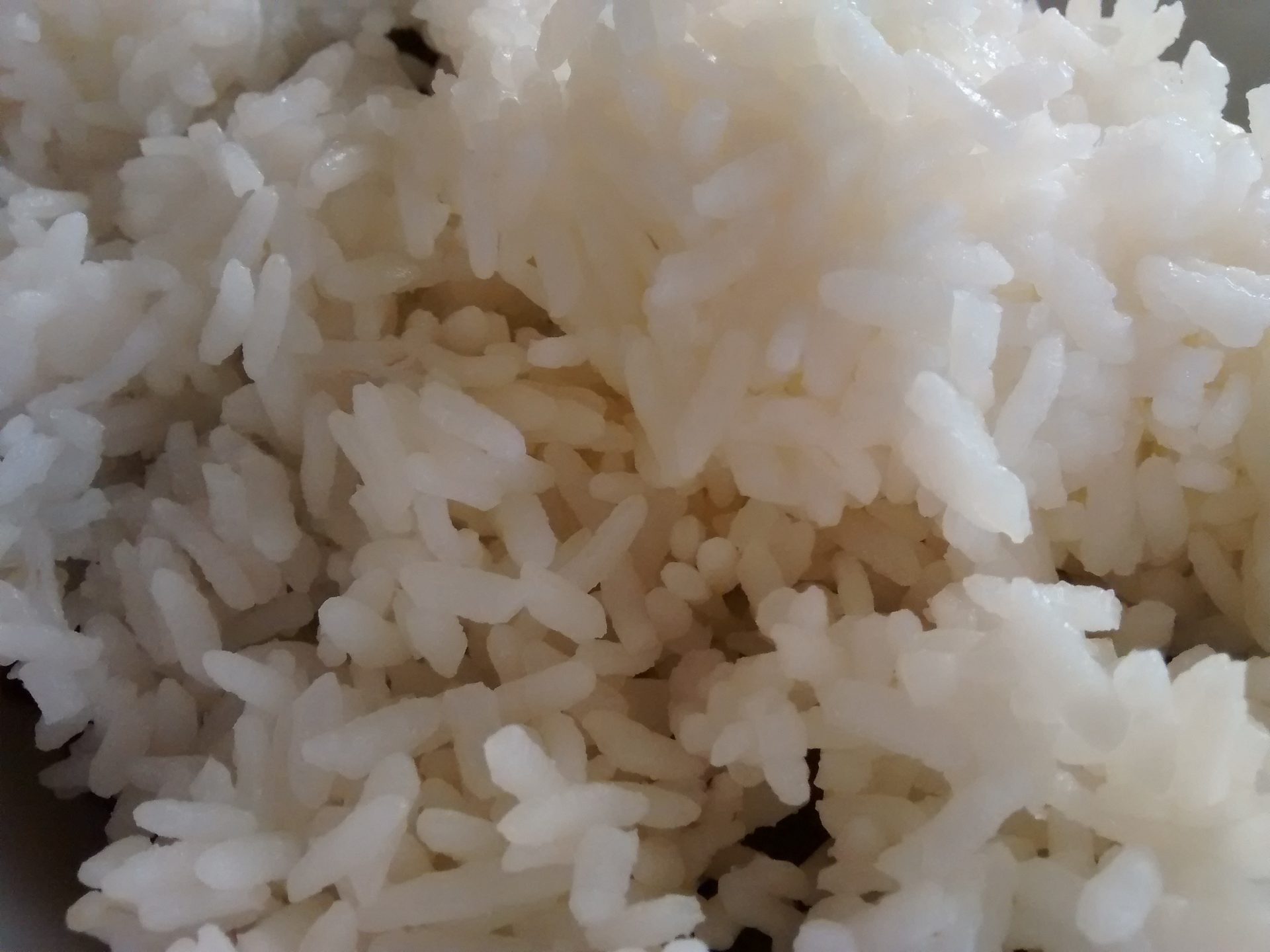
Cooked rice is one of the most common leftover foods in American kitchens — and one of the most mishandled. Whether you made too much white rice for taco night, have extra brown rice from meal prep, or brought home a takeout container that’s now sitting in your fridge, the question is always the same: what do you do with it before it goes bad?
The good news is that freezing cooked rice is not only possible, it’s one of the smartest things you can do with leftovers. Done correctly, it saves time, cuts food waste, and gives you a ready-to-go base for dozens of meals throughout the week. This guide walks you through everything — from food safety basics to the best ways to use frozen rice once it’s thawed.
Can You Freeze Cooked Rice?
You can easily freeze cooked rice, which is great if you’ve made too much or got a surplus delivered with your takeout. This applies to virtually every variety you cook at home. There are so many varieties of rice now — you can have your pick of color, flavor, length of grain, or texture — and every single one of them can be frozen.
You can even freeze rice that has other ingredients mixed in, including veggies or meat. So whether you’re dealing with plain jasmine rice, a batch of cilantro-lime rice, or a fully loaded fried rice, the freezer is a viable option. The key is following the right steps to keep it safe and flavorful.
One important food safety note: rice can contain a bacteria called Bacillus cereus, which can survive the cooking process and may lead to food poisoning. Since the bacteria thrive at room temperature, cooling rice as soon as possible after cooking is the safest policy. This is why how you freeze rice matters just as much as whether you freeze it.
Pro Tip: Freeze rice in individual portions (about 1/2 cup per serving) so you only thaw what you need. This saves freezer space and keeps you from reheating more than once.
Does Freezing Change the Texture or Taste of Cooked Rice?
Freezing does affect cooked rice to some degree, but the change is manageable — and for certain dishes, barely noticeable. It is perfectly safe to freeze cooked rice, but the texture will change after it’s been frozen, as the food does not hold up upon reheating. This is because the cell walls of rice break down upon thawing, causing your perfectly cooked, fluffy grains to become slightly softer or drier than fresh rice.
The science behind this comes down to starch behavior. When rice is left unattended after cooking, its taste deteriorates markedly due to retrogradation, and its high starch and moisture content causes it to be spoiled. Freezing halts this process, but repeated freeze-thaw cycles do cause progressive textural changes. Research published in Food Chemistry found that repeated freeze-thaw treatment induced a progressive reduction in hardness and stickiness of all cooked rice.
In practical terms, rice frozen once and reheated properly still tastes very good. Properly frozen rice reheats to nearly the same quality as fresh. The key is freezing it while still relatively fresh (within a day of cooking) and in thin, flat portions for even reheating. The main thing to keep in mind is that frozen, reheated rice can dry out more easily than freshly steamed rice. To prevent frozen rice from drying out while reheating it, add a splash of water to the pot or bowl.
How to Freeze Cooked Rice the Right Way
Getting cooked rice into the freezer safely requires a few deliberate steps. Rushing this process — or skipping it altogether — can lead to spoiled rice or a mushy texture when you reheat it. Follow these steps every time.
- Cool the rice quickly. By making sure rice goes in the freezer within an hour of cooking, you will stop bacteria multiplying and producing a toxin. Spread the rice in an even layer on a baking sheet to help it cool faster. Putting it in a container while steaming hot can cause condensation, which creates an environment where bacteria thrive.
- Portion it out. When the rice has cooled completely, portion it out into resealable plastic freezer bags or airtight containers. You can freeze a batch of rice in one container, but it can be handy to freeze individual servings (about 1/2 cup of cooked rice) so you only have to thaw as much rice as you need.
- Remove the air. Gently flatten the rice and push as much air out of the bag as possible. Stacking flat bags saves room in the freezer. An airtight container is your best defense against losing quality, so vacuum sealing is great if you have that tool in your kitchen.
- Label everything. Label the bags with the contents, date, and number of cups of rice. This makes it easy to rotate your stock and use the oldest portions first.
- Freeze flat. If your refrigerator has a “Quick Freeze” function, using it will freeze the rice faster and preserve its quality even better. Lay bags flat until solid, then stack them upright to save space.
If you’re freezing a rice casserole or dish with other ingredients, the same rules apply. Just like with plain, cooked rice, be sure the rice dish is cooled before putting it in an airtight container or zip-top bag. Chill casseroles to make them easier to cut, then divide them into individual portions for freezing.
Key Insight: Freezing rice in a thin, flat layer inside a zip-top bag speeds up both the freezing and thawing process significantly. Aim for no more than 1/2 inch thick.
How Long Can You Freeze Cooked Rice?
Storage timelines for frozen cooked rice vary slightly across sources, but the general consensus points to a quality window of one to six months, depending on the type of rice and how it’s packaged.
| Rice Type | Best Quality Window | Safe to Eat Beyond That? |
|---|---|---|
| Plain white rice | Up to 6 months | Safe but quality declines |
| Plain brown rice | Up to 6 months | Safe but may turn dry |
| Fried rice | Up to 3 months | Texture and flavor degrade faster |
| Rice casseroles | Up to 3 months | USDA recommends 3-month limit |
Cooked rice can be frozen for 4–6 months when packaged properly. The key is removing as much air as possible and using freezer-safe containers or bags. After that, it loses flavor and dries out but won’t be unsafe to eat.
For rice casseroles and mixed dishes, rice casseroles will last for up to 3 months in the freezer, according to the USDA. For dishes like rice casseroles, a shorter time frame of up to three months is recommended to maintain the best texture and flavor.
Always label your containers with the freeze date. Frozen rice keeps for 4–6 months at 0°F. It is safe indefinitely when frozen but quality declines after 6 months.
How to Thaw Frozen Cooked Rice
The good news about frozen rice is that you often don’t need to thaw it at all before reheating. You can reheat rice from frozen in the microwave or on the stovetop — no need to defrost first. That said, there are several effective methods depending on how you plan to use it.
Microwave (most common): Transfer frozen rice to a bowl, add a few teaspoons of water, and cover the bowl with a loose-fitting lid. Microwave on high for 1 to 3 minutes, until hot. Fluff with a fork halfway through.
Stovetop: You can thaw the rice on the stovetop by placing it in a saucepan with a couple of tablespoons of water. Cover the pan and cook on low heat, stirring occasionally and adding more water as needed to prevent sticking.
Oven: You can also place frozen rice in a covered casserole with a sprinkle of water and thaw it in the oven at 300°F for 30 to 40 minutes. This works especially well for rice casseroles.
Fridge overnight: The best way to defrost rice is in the fridge. Once defrosted, use within 24 hours. Thawing frozen rice at room temperature is not recommended, as it can enter the “danger zone” of 40°F to 140°F (4°C to 60°C), where bacteria can multiply quickly.
Cold water bath: Submerge the freezer container or bag in a large bowl filled with cold tap water. Change the tap water every 15 minutes, or until rice is thawed. Cook immediately after using this method.
No matter which method you choose, cooked rice should be reheated to an internal temperature of 165°F (74°C) to ensure food safety.
Can You Refreeze Cooked Rice After Thawing?
This is one of the most important food safety questions around cooked rice, and the answer is straightforward: you should not refreeze cooked rice after it has been thawed. It’s crucial to only reheat frozen rice once. Avoid refreezing or reheating it again as this can create conditions for bacteria growth. Any leftovers after reheating should be discarded to ensure safety.
The concern goes back to Bacillus cereus. If not cooled properly or left at room temperature, the spores can grow into a toxin. What’s unique about this toxin is that it is heat resistant — which means that no matter how long or hot you cook the food when reheating, you can’t kill it.
Refreezing is not recommended due to Bacillus cereus food safety concerns with rice. The safest approach is to freeze rice in single-serving portions from the start, so you only take out exactly what you need. This eliminates the temptation to refreeze and keeps every portion fresh and safe. You can learn more about how freezing affects other foods on our site as well.
Important Note: If you thaw rice and then cook it into a new dish (like a fried rice or soup), that dish can be frozen once. The new cooking cycle resets the clock — but you still cannot refreeze the thawed plain rice as-is.
How to Use Frozen Cooked Rice (Best Uses After Freezing)
Frozen rice is genuinely one of the most useful meal-prep tools in your kitchen. Once you have a stash in the freezer, weeknight dinners become much faster. After freezing, rice works perfectly for fried rice, stir-fries, rice bowls, burritos, soups, and casseroles.
One of the best applications is fried rice. Frozen rice is actually better than fresh for making fried rice. The freezing process dries out the grains slightly, which is exactly what you want. Make extra rice, freeze it in portions, and you have perfect fried rice ready any night. When you’re making stir-fried rice, you need to start with cold, very firm rice — anything else would turn to mush in your skillet or wok. Therefore, these dishes are a perfect way to use frozen leftover rice.
Soups and stews are another excellent destination. Another great use for frozen cooked rice is adding it to soups and stews. Thawed rice can be stirred into a comforting chicken soup with vegetables, enhancing the heartiness of the dish without requiring additional cooking time. The same goes for chili, minestrone, or any other stew that could benefit from a bit of added texture and substance.
Here are more ideas for putting frozen rice to work:
- Burrito bowls: Reheat directly from frozen and layer with beans, protein, salsa, and avocado for a fast weeknight meal.
- Rice casseroles: Use as a base for cheesy baked casseroles — the slightly drier texture after freezing actually holds up better in the oven.
- Stuffed peppers: Mix thawed rice with ground beef or turkey, tomato sauce, and cheese, then stuff into bell peppers and bake.
- Rice pudding: Plain white rice works well in stovetop rice pudding — just reduce the cooking time since the rice is already cooked.
- Side dish: Reheat with a splash of broth instead of water for extra flavor alongside grilled chicken or seafood.
If you’re building a healthy, balanced plate, frozen rice pairs well with a wide range of ingredients. Check out these superfoods for a healthy heart and foods for healthy skin to round out your meals with frozen rice as the base.
Signs That Frozen Cooked Rice Has Gone Bad
Even in the freezer, rice can eventually deteriorate — especially if it wasn’t stored properly. Knowing what to look for before you reheat it protects you from foodborne illness. If you notice any changes in smell, taste, or texture, or signs of mold growth or bugs in dry or cooked rice, discard it right away.
Here are the main warning signs to check before reheating frozen rice:
- Off smell: Fresh frozen rice has a neutral or slightly starchy scent. A sour, musty, or otherwise unpleasant odor is a red flag.
- Slimy or gooey texture: Unlike safe rice, which is fluffy, expired rice appears slimy and gooey. This is a clear sign to throw it out.
- Visible mold: Any fuzzy growth — white, green, or black — means the rice must be discarded immediately, no exceptions.
- Freezer burn: After the 6-month mark, rice loses flavor and dries out. Severe freezer burn shows up as white, icy patches on the surface of the rice. The rice is technically safe to eat but will taste unpleasant.
- Unusual color: Rice that has turned gray, yellow, or brown in the freezer has likely been affected by oxidation or bacterial activity.
If you’re unsure whether the rice is safe to eat, it’s best to err on the side of caution and discard it to avoid foodborne illness. The cost of a bag of rice is far less than a trip to urgent care.
Proper storage from the start is your best prevention. Rice dries out easily when exposed to air, and poor sealing leads to a dry, crumbly texture. High airtightness also prevents the rice from absorbing odors from other foods in the fridge. Always use airtight containers or well-sealed freezer bags, and label everything with the freeze date.
For more on building a food-safe, health-conscious kitchen, explore our guides on whole plant-based foods and foods that support liver function.
Frequently Asked Questions
Can You Freeze Cooked White Rice?
Yes. White rice freezes exceptionally well and is one of the easiest varieties to freeze and reheat. Doing so helps maintain its fluffy texture and bright appearance, making it convenient for future meals. Store it in flat, airtight bags and use within 4–6 months for best results.
Can You Freeze Cooked Brown Rice?
Yes, you can freeze cooked brown rice. Freezing helps preserve its slightly chewy texture and nutty flavor, making it a convenient option for quick meals. Brown rice freezes just as well as white rice, ensuring it remains fresh and ready to use whenever needed.
Can You Freeze Fried Rice?
Freezing fried rice is a great option. Freezing helps maintain the flavors and texture of the dish, including the mix of vegetables, meat, and seasonings. When properly stored, frozen fried rice keeps its quality and remains a convenient option for quick meals. Aim to use it within 3 months for best flavor.
How Long Does Cooked Rice Last in the Fridge Before You Need to Freeze It?
Leftover rice is only safe to store in the refrigerator for four days, and it will keep far longer in the freezer. If you know you won’t eat it within that window, freeze it as soon as it cools — don’t wait until day three or four.
Can You Cook Frozen Rice Without Thawing It First?
Yes, in most cases. If added straight to a soup or chili, the rice will defrost as it cooks in the hot soup, so there’s no need to defrost it beforehand. For stovetop or microwave reheating, you can go straight from freezer to heat with a splash of added water.
Is It Safe to Eat Rice That Was Left Out Before Freezing?
The United States Department of Agriculture says that cooked food should not be left at room temperature for more than two hours — this is especially true with starchy foods such as rice because of the Bacillus cereus pathogen. Rice left out longer than two hours (or one hour if your kitchen is above 90°F) should be discarded, not frozen.