Can You Freeze Vichyssoise? Storage Tips to Keep It Silky and Fresh

November 11, 2026
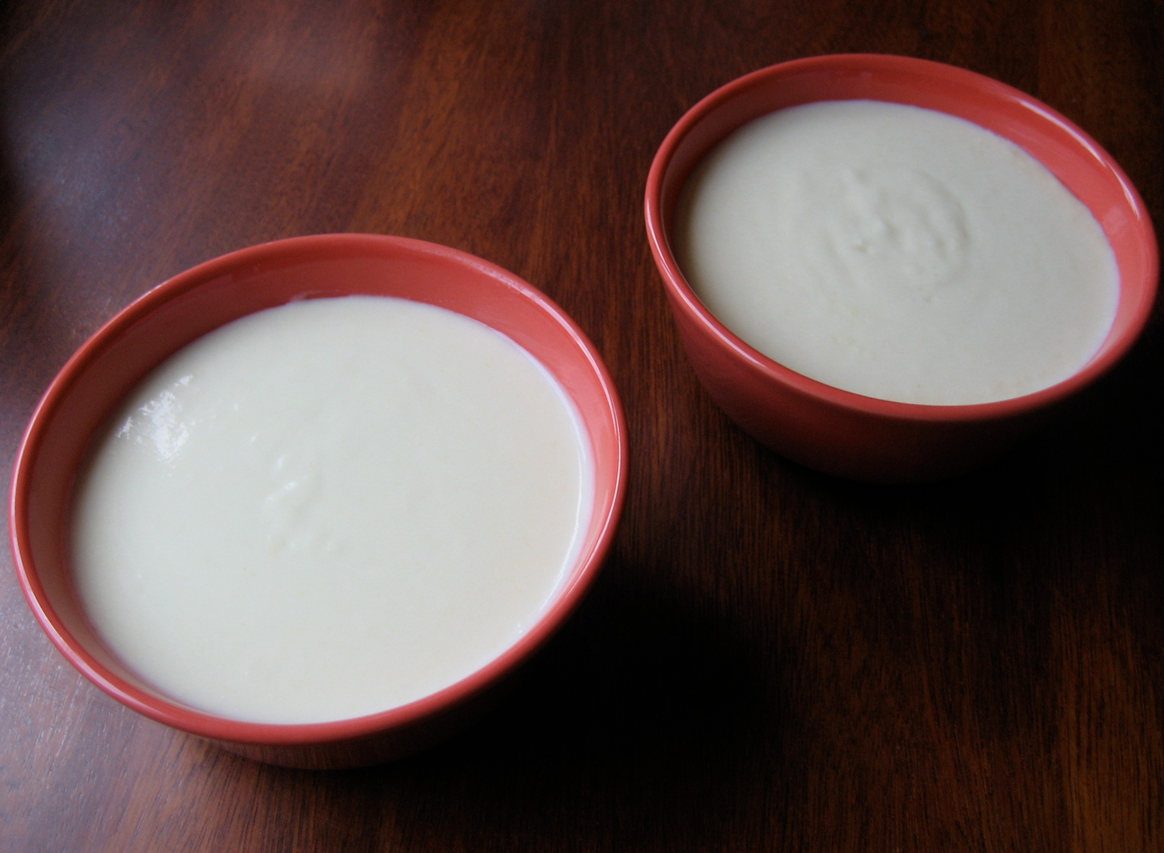
Vichyssoise is one of those soups that seems almost too elegant to stash in the freezer. It’s a chilled French soup made from puréed leeks, potatoes, onions, chicken stock, and cream — traditionally served cold, typically between 38–42°F. But what happens when you make a big batch and can’t finish it in a few days?
The short answer is yes — you can freeze vichyssoise. Freezing can alter the texture, and certain ingredients are more susceptible to these changes, so proper preparation and handling are important for maintaining the soup’s creamy character. With the right approach, you can pull a container from your freezer weeks later and still end up with a satisfying bowl.
This guide walks you through everything you need to know: what freezing does to vichyssoise, how to pack it properly, how long it keeps, and how to bring it back to life after thawing.
Can You Freeze Vichyssoise?
The short answer is yes, you can freeze vichyssoise, but with some caveats. Freezing can alter the texture, and certain ingredients are more susceptible to these changes, so proper preparation and handling are important for maintaining the soup’s creamy elegance.
Opinions among cooks do differ on this one. Some recipe developers advise against freezing entirely because of texture loss, while others freeze it routinely and simply re-blend before serving. It freezes well — just thaw it and give it a whirl in the blender to blend it nicely before serving. The key is understanding what causes problems in the first place so you can take steps to prevent them.
One practical workaround worth knowing: you can freeze vichyssoise for up to two months if needed. Pour the cooled soup — without cream — into freezer-safe containers, leaving a little headspace. When ready to enjoy, thaw overnight in the refrigerator and stir in the cream fresh before serving. Freezing with cream may affect the velvetiness, so always add it after reheating for best texture.
Pro Tip: If you know in advance that you’re planning to freeze a batch, hold back the cream entirely before freezing. Add it fresh after thawing for the smoothest, most consistent result.
Does Freezing Change the Texture or Taste of Vichyssoise?
Freezing does affect vichyssoise — the question is how much, and whether you can fix it. Water expansion during freezing can rupture cell walls in potatoes and leeks, leading to a grainy texture. Dairy, a cornerstone of vichyssoise, can separate and curdle. Fat, another component, can oxidize, causing off-flavors.
The cream is the most vulnerable ingredient. The fat in cream tends to separate during freezing, leading to a grainy or slightly oily texture. The flavor can change slightly, and freezing can sometimes dull the delicate flavors of leeks and other aromatics.
Texture changes are usually fixable. While vichyssoise freezes well, the texture can become slightly grainy after thawing. Re-blending with an immersion blender can restore smoothness. Flavor loss is trickier — adjusting seasoning after thawing is a good idea, as flavors can mellow during freezing.
The bottom line: expect some texture degradation, but know that most of it is correctable with a blender and a taste adjustment. If you’re serving vichyssoise at a dinner party, make it fresh. If you’re meal-prepping for weeknight lunches, freezing works fine.
How to Freeze Vichyssoise the Right Way
Getting the freeze right takes a few deliberate steps. Rushing any of them increases the chance of a grainy, separated soup on the other end.
- Cool the soup completely before freezing. Hot soup will raise the temperature of your freezer, potentially affecting other foods. Set the pot in an ice bath to speed up cooling, then transfer to containers once it reaches room temperature.
- Consider freezing without the cream. Freeze the soup without the cream for the best texture. Store in freezer-safe containers for up to 2 months. Add the cream fresh when you serve it.
- Slightly undercook the potatoes. Cook your vichyssoise as usual, but err on the side of slightly undercooking the potatoes. This prevents them from becoming mushy upon reheating.
- Use the right containers. Airtight containers are essential to prevent freezer burn. Glass jars with tight-fitting lids or heavy-duty plastic freezer containers are ideal choices, as they minimize air exposure. Avoid using thin plastic bags or containers that may crack at low temperatures.
- Leave headspace. Leave about an inch of headspace to allow for expansion as the soup freezes.
- Portion for single use. When portioning vichyssoise for freezing, consider your typical serving size to avoid repeated thawing and refreezing. For most households, freezing in 1- to 2-cup portions works well, allowing for easy reheating without waste.
- Label every container. Write the date and contents on each container so you know exactly when it was frozen.
- Set your freezer to the right temperature. Ensure your freezer is set to 0°F (-18°C) or lower. This will help to freeze the soup quickly and maintain its quality.
Pro Tip: Speed is your friend when it comes to freezing. The faster the soup freezes, the smaller the ice crystals that form, leading to a smoother texture upon thawing. Spreading the soup in a shallow layer before freezing helps it freeze faster.
How Long Can You Freeze Vichyssoise?
Properly frozen vichyssoise can be stored for up to 2–3 months without significant loss of quality. After that, it will still be safe to eat, but the texture and flavor may begin to deteriorate.
For refrigerator storage (no freezing), the window is shorter. Store leftover vichyssoise in an airtight container in the refrigerator and consume it within 3 to 4 days for the best taste and quality.
| Storage Method | How Long It Keeps | Quality Notes |
|---|---|---|
| Refrigerator (airtight container) | 3–4 days | Best texture and flavor; stir before serving |
| Freezer (with cream) | 1–2 months | Texture may be slightly grainy; re-blend after thawing |
| Freezer (without cream) | 2–3 months | Best results; add fresh cream after thawing |
How to Thaw Frozen Vichyssoise
Thawing vichyssoise demands precision to maintain its signature creamy texture and freshness. Improper thawing can lead to separation or bacterial growth. The key lies in gradual, controlled temperature changes — avoiding shortcuts like room-temperature thawing, which can enter the “danger zone” (40°–140°F) where bacteria thrive.
You have three options depending on how much time you have:
- Refrigerator (best method): Transfer the frozen vichyssoise from the freezer to the refrigerator. Allow 12–24 hours for a 1-quart container to thaw completely. This slow method ensures even warming without risking bacterial growth.
- Cold water bath (faster): For faster results, submerge the sealed container in cold water, changing the water every 30 minutes. A 1-quart batch typically thaws in 2–3 hours. Avoid hot water, as it can cook the soup unevenly.
- Microwave (quickest, use with care): If time is critical, use the microwave’s defrost setting in 2-minute intervals, stirring between each to prevent overheating. This method requires immediate reheating to ensure safety.
Once thawed, gently whisk the soup to recombine any separated ingredients and taste and adjust seasoning as needed. If you’re serving it the traditional cold way, simply chill it again after thawing.
If you want to serve it warm, reheat the vichyssoise gently over medium-low heat, stirring constantly to prevent scorching. Aim for 165°F internally to kill any potential bacteria. Avoid boiling, as it can curdle the dairy base.
Can You Refreeze Vichyssoise After Thawing?
It is generally not recommended to refreeze vichyssoise, as each freeze-thaw cycle further degrades the texture and can increase the risk of bacterial contamination.
This is exactly why portioning before freezing matters so much. When you freeze in single-serving or meal-sized portions, you only thaw what you need. Consider your typical serving size to avoid repeated thawing and refreezing, which can degrade quality.
If you thawed the soup in the refrigerator and it never got above 40°F, food safety guidelines generally allow refreezing — but the texture will suffer noticeably. For a soup as texture-dependent as vichyssoise, it’s better to use what you thawed and discard any uneaten portion rather than refreeze it.
Important Note: Never refreeze vichyssoise that was thawed using the cold water bath or microwave method, as those methods bring the soup through the temperature danger zone and make refreezing unsafe.
How to Use Frozen Vichyssoise (Best Uses After Freezing)
Thawed vichyssoise is versatile. Even if the texture isn’t quite as silky as a freshly made batch, there are several ways to use it well.
- Serve cold as a starter. Taste and adjust seasoning as needed. Vichyssoise is traditionally served cold, so simply chill it again after thawing. Garnish with fresh chives, a drizzle of cream, or a few thin cucumber slices right before serving.
- Serve warm as a potato leek soup. If you prefer to serve it warm, heat it gently over low heat, stirring frequently to prevent scorching. Avoid boiling the soup, as this can further alter its texture. This is a great option when the cold version isn’t what you’re in the mood for.
- Use as a sauce base. Thawed vichyssoise makes a rich, savory base for pasta or gnocchi. Thin it slightly with stock and warm it gently for a quick weeknight sauce.
- Re-blend for the smoothest result. If the texture seems slightly grainy, a quick blitz with an immersion blender can help restore smoothness. You can also stir in a splash of fresh cream or milk to revive the body of the soup.
- Pair it with crusty bread. Crusty bread, light salads, smoked salmon, and French-inspired dishes pair very well with this chilled soup.
For more ideas on how different foods affect your health and nutrition, check out this guide to whole plant-based foods or explore superfoods for a healthy heart to round out a balanced meal.
Signs That Frozen Vichyssoise Has Gone Bad
Even properly frozen soup can go bad. Before reheating or serving thawed vichyssoise, run through these checks:
- Off smell: Fresh vichyssoise has a mild, savory, slightly sweet aroma from the leeks. A sour, rancid, or otherwise unpleasant smell is a clear sign to discard it.
- Unusual color: The soup should be pale ivory or cream-colored. Yellowing, browning, or any visible mold means it should go in the trash.
- Severe separation that won’t re-blend: Some separation after thawing is normal and fixable with a whisk or blender. If the soup looks curdled and won’t come back together after blending, the dairy has broken down beyond recovery.
- Freezer burn: Ice crystals on the surface or a dried-out, discolored top layer indicate freezer burn. Airtight containers are essential to prevent freezer burn, which can compromise both taste and consistency. A thin layer of freezer burn on top can sometimes be scraped off, but if it’s throughout the soup, the flavor will be flat and unpleasant.
- Stored too long: If the soup has been in the freezer beyond 3 months, the safety risk is low but the quality will have declined significantly. When in doubt, throw it out.
Good food storage habits matter beyond just soup. If you’re interested in how nutrition and food quality connect to overall wellness, you might find value in reading about powerful nutrients and foods that fight cancer or foods that can help enhance your liver function.
Frequently Asked Questions
Can You Freeze Store-Bought Vichyssoise?
Commercially canned or jarred versions of vichyssoise-style soup can generally be frozen after opening, following the same guidelines above. Check the packaging for any specific storage instructions. Note that authentic vichyssoise has not been widely available in US grocery stores for decades — it vanished from U.S. grocery shelves after 1971 due to food safety concerns, though homemade versions remain a summer staple.
Can You Freeze Vichyssoise With Cream Already Added?
Yes, you can, but the higher the cream content, the more likely the texture will change upon thawing. The fat in cream tends to separate during freezing, leading to a grainy or slightly oily texture. Re-blending after thawing usually fixes this. For the best results, freeze the base without cream and add it fresh when serving.
How Do You Fix Grainy Vichyssoise After Freezing?
If the thawed vichyssoise has a slightly grainy texture, you can often restore its smoothness by briefly blending it with an immersion blender or in a regular blender. You can also whisk in a small amount of fresh heavy cream or a splash of whole milk to help the emulsion come back together. Taste and re-season after blending.
Can You Eat Vichyssoise Warm After Freezing?
Yes. While vichyssoise is traditionally a cold soup, if you prefer to serve it warm, heat it gently over low heat, stirring frequently to prevent scorching. Avoid boiling the soup, as this can further alter its texture. Many people enjoy the leek and potato base as a hot soup, especially in cooler months.
How Long Does Vichyssoise Last in the Fridge?
You can keep leftover vichyssoise in the fridge for up to 4 days in an airtight container. An airtight container is recommended so that odors from the refrigerator do not meld with the soup. Give it a good stir before serving, as the creamy base can separate slightly while chilling.
Is Vichyssoise Safe to Freeze for Meal Prep?
Yes, and it’s a practical option for meal prep. Many cooks make a double batch, planning half for the freezer. Since milk doesn’t freeze well, freezing just the stock-potato-leek mixture and saving room for the dairy is a smart approach. Portion it into individual servings before freezing so you can thaw exactly what you need without waste. For more meal-planning ideas, explore foods for healthy skin and fibroid healing foods to build a well-rounded weekly menu.