Can You Freeze Nacho Cheese Sauce? (What You Need to Know)

November 10, 2026
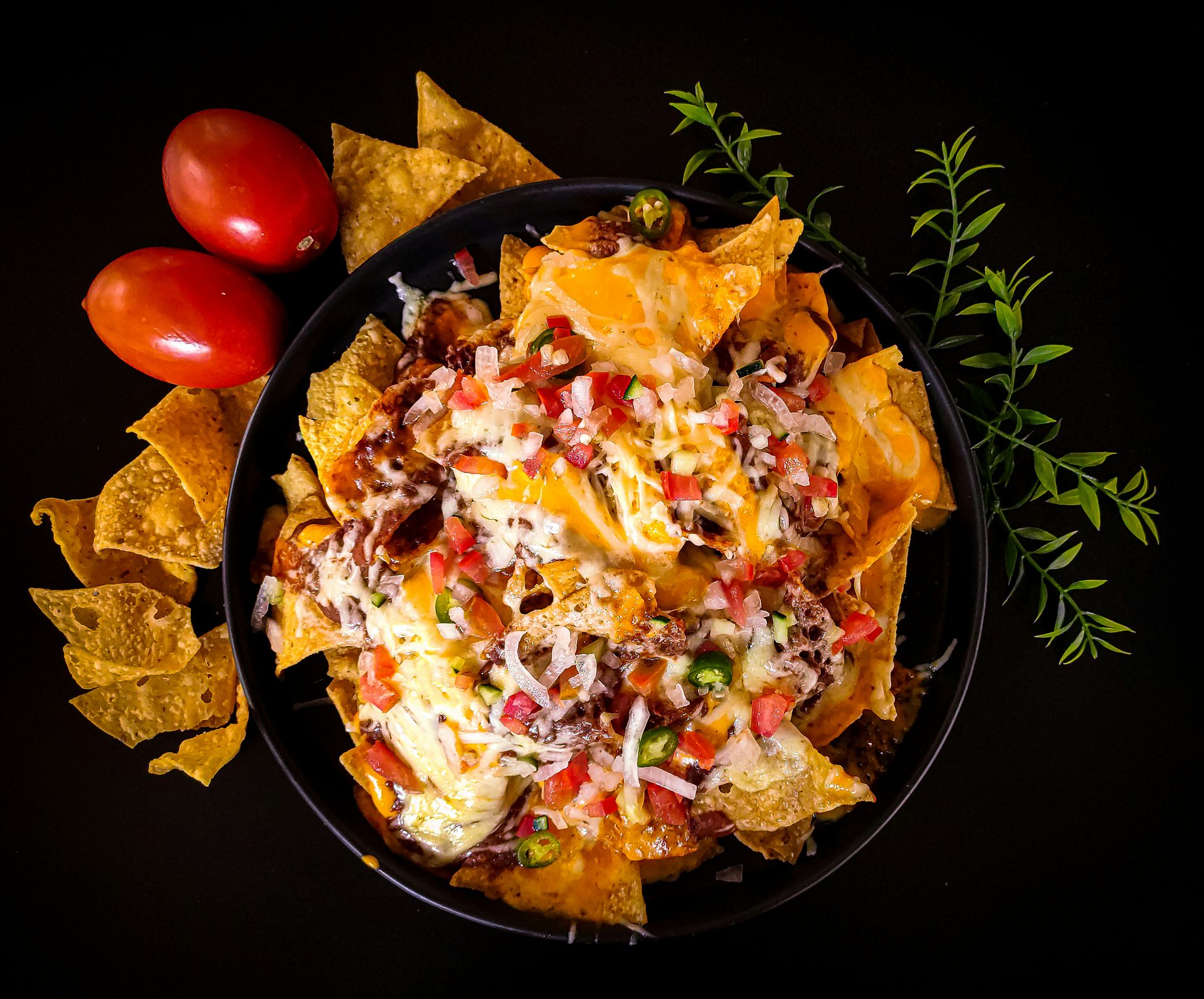
Leftover nacho cheese sauce is one of those fridge items that always seems to disappear too fast — or, more often, go bad before you get around to using it again. If you just made a big batch for game day or cracked open a large jar for a movie night, you may be wondering whether the freezer is a reasonable option.
The short answer is yes, you can freeze nacho cheese sauce. It will lose some of its consistency upon freezing, but it can be brought back to normal with a few tips. This guide walks you through everything you need to know — from how freezing affects the sauce to the right way to store, thaw, and use it.
Can You Freeze Nacho Cheese Sauce?
Freezing nacho cheese sauce is entirely possible and a great way to make sure it all gets used. However, it is really only recommended with homemade nacho cheese sauce and not with store-bought sauce. That said, store-bought versions are not completely off the table — they just require a little extra attention.
If you try to freeze store-bought sauce, the ingredients will break down once you thaw it, and this will impact the taste and texture of the sauce. A homemade sauce thaws better since there are not as many additives. Store-bought nacho cheese sauce often contains stabilizers that help it hold its shape on the shelf, but those same stabilizers can behave unpredictably in the freezer.
Dairy products are quite tricky to freeze and nacho cheese sauce is no exception. When done the wrong way, the end product is a runny, unappetizing mess. But when done right, you can enjoy the cheese sauce for months. The good news is that the right method is straightforward once you know what to do. You can also pair your frozen sauce with frozen nacho chips for a ready-to-go snack anytime.
Pro Tip: Never freeze nacho cheese sauce that already has chips dipped into it or toppings mixed in. Chip crumbs and salsa can compromise both the texture and safety of the sauce after thawing.
Does Freezing Change the Texture or Taste of Nacho Cheese Sauce?
Freezing does change nacho cheese sauce — there is no getting around it. The texture and flavor may change depending on the ingredients and freezing methods used. Cheese sauce is an emulsion of fats, proteins, and liquids, and freezing can cause the water content to form ice crystals that disrupt this delicate balance.
During the thawing process, the milk fats can clump together, turning the cheese sauce into a watery and congealed mess. To fix this, use a whisk to incorporate the separated ingredients back together. The good news is that this separation is cosmetic — the sauce is still safe to eat and can usually be rescued with heat and stirring.
Nacho cheese sauce tends to separate when frozen and thawed, so it may not be as smooth as it was before freezing. The flavor of nacho cheese may also change slightly after being frozen and thawed. Most people find the change subtle, especially if the sauce is reheated slowly and stirred well.
To help minimize any texture changes, use sharp cheddar cheese and avoid overcooking the sauce. Harder cheeses such as cheddar, Parmesan, or Swiss tend to freeze better because their lower moisture content helps maintain a smoother texture. Choosing the right base cheese before you even start cooking makes a real difference in how well the sauce holds up after freezing.
| Sauce Type | Freezes Well? | Main Challenge | Fix |
|---|---|---|---|
| Homemade (roux-based) | Yes | Some separation | Whisk while reheating |
| Homemade (Velveeta-based) | Yes | Slight texture change | Stir in a splash of milk |
| Store-bought (jar or can) | With caution | Ingredient breakdown | Stir vigorously; add milk if needed |
| Processed cheese (Velveeta queso) | Reasonably well | Texture softens | Reheat low and slow |
How to Freeze Nacho Cheese Sauce the Right Way
Proper preparation before the sauce goes into the freezer is what separates a sauce that comes back creamy from one that turns grainy and watery. Follow these steps carefully and you will get the best possible result.
- Cool the sauce completely. Let the cheese sauce cool down to room temperature before freezing it. Putting warm sauce in the freezer raises the internal temperature and can cause ice crystals to form faster, worsening separation.
- Keep it clean. Make sure the sauce does not have any other food mixed in. It is not a great idea to freeze leftover sauce that has had nacho chips dipped into it over and over again.
- Portion it out. Defrosting a massive slab of nacho cheese sauce can be impractical unless you are throwing a huge party. To save yourself the hassle, divide the cheese sauce into serving portions prior to freezing.
- Use ice cube trays for small portions. Place the cheese sauce into an airtight container, a silicone ice cube tray, or a baby food mold. Fill the individual slots with your leftover nacho cheese sauce and let it freeze overnight. Once frozen, take them out of the molds and place the frozen cubes in a Ziploc bag.
- Seal out the air. Use an airtight container or freezer bag to seal it properly. This helps to prevent freezer burn, which can affect the texture and flavor of the sauce.
- Label and date everything. Label your containers with the date and contents of the sauce so you can keep track of how long it has been in the freezer.
- Do not freeze store-bought sauce in its original container. The container may not be designed for freezing and could crack or break in the freezer.
Pro Tip: A vacuum sealer removes far more air than squeezing a bag by hand. These devices fully take out the air and perfectly seal the bag, which means your sauce will keep for longer in the freezer and will not have an altered flavor.
How Long Can You Freeze Nacho Cheese Sauce?
With proper storage, frozen nacho cheese sauce can last up to six months. However, for best results, consume it within three months. Quality declines the longer the sauce sits in the freezer, even if it remains technically safe to eat.
Cheese sauce can be frozen to extend its shelf life, but for the best flavor and texture, it is recommended to use it within two to three months. Beyond this period, while the sauce may still be safe to eat if properly stored, its quality — including taste and creaminess — can decline noticeably.
If you are not planning to freeze the sauce and just need short-term storage, you can simply place it into the refrigerator if you plan to use it within five days. Homemade nacho cheese sauce can only hold up for three to four days when refrigerated, so the freezer is a smart move any time you know the sauce will not be used within that window.
| Storage Method | Shelf Life | Best Quality By |
|---|---|---|
| Refrigerator (homemade) | 3–4 days | Within 3 days |
| Refrigerator (store-bought, opened) | Up to 1 week | Within 5 days |
| Freezer (any type) | Up to 6 months | Within 2–3 months |
How to Thaw Frozen Nacho Cheese Sauce
Thawing nacho cheese sauce correctly is just as important as freezing it correctly. Rushing the process with high heat tends to make the separation worse and can leave you with a grainy, broken sauce.
Refrigerator method (recommended): The best way to thaw nacho cheese sauce is to place it in the fridge overnight. Allow the cheese to thaw in the refrigerator for several hours or overnight. When cheese freezes, the fat separates from the water, causing a change in color and texture. This can be brought back to normal by stirring the thawed nacho cheese sauce thoroughly to mix everything back together.
Stovetop method: Place a few of the cubes in a small saucepan over low heat. Stir it until it has reached your desired texture and temperature. Low heat is the key here — high heat will cause the fats to break further and make the sauce grainy.
Microwave method: Place the cubes into a microwave-safe bowl and microwave them for 30-second intervals on high heat. Stir between each interval to encourage even reheating and to work out any lumps.
Quick method: If you are in a hurry, you can thaw the nacho cheese sauce by placing it in a bowl of warm water. This is faster than the fridge but slower and gentler than the microwave.
Pro Tip: Reheat slowly, stirring constantly, and add a splash of milk or cream if needed to bring the sauce back together. This trick works especially well when the sauce looks broken or grainy after thawing.
Can You Refreeze Nacho Cheese Sauce After Thawing?
Refreezing nacho cheese sauce is not recommended. If you do not use nacho cheese sauce often, consider freezing it in smaller, single-serving quantities since it is not recommended to refreeze previously frozen sauce. Each freeze-thaw cycle pushes the emulsion further apart, making the texture noticeably worse each time.
For best results, use previously frozen nacho cheese sauce within two to three days. Keep unused nacho cheese sauce in the refrigerator and do not refreeze it. Portioning the sauce before the first freeze is the most practical way to avoid this problem entirely — you only thaw what you need, and the rest stays frozen and untouched.
This is also why the ice cube tray method works so well for American households that do not go through large quantities of cheese sauce at once. You pull out two or three cubes for a quick snack without committing to the whole batch. If you enjoy freezing condiments and dips, you might also find it helpful to read about freezing applesauce or freezing shop-bought applesauce for similar storage strategies.
How to Use Frozen Nacho Cheese Sauce (Best Uses After Freezing)
Thawed nacho cheese sauce is perfectly good for a wide range of uses, even if the texture is not quite as silky as it was fresh. The key is to match it to dishes where the sauce is heated and stirred into other ingredients, which hides any minor texture imperfections.
- Classic nachos: The most obvious use. Reheat the sauce, drizzle it over a fresh plate of tortilla chips, and top with jalapeños, sour cream, and pico de gallo.
- Cheesy taco casserole: Recipes using nacho cheese sauce include enchiladas, cheesy taco casserole, Tex-Mex pizza, an alfredo sauce thickener, and even queso.
- Baked potato topping: Pour thawed and reheated sauce over a baked potato with broccoli for a quick weeknight dinner.
- Pretzel dip: Soft pretzels and nacho cheese sauce are a natural pairing at ballparks and county fairs across the US. Frozen sauce works just as well here once reheated.
- Mac and cheese booster: Stir a cube or two into homemade mac and cheese for extra creaminess and depth of flavor.
- Chili topping: Spoon reheated nacho cheese sauce over a bowl of chili for a Frito pie-style dish.
- Breakfast burritos: Mix thawed sauce into scrambled eggs or pour it over a breakfast burrito filled with potatoes, eggs, and sausage.
Pro Tip: Thawed nacho cheese sauce works best in cooked dishes where it will be heated through. Avoid using it as a cold dip straight from the fridge — the texture after thawing is much better when warm.
Signs That Frozen Nacho Cheese Sauce Has Gone Bad
Even in the freezer, nacho cheese sauce can go bad — especially if it was not stored properly or has been sitting for longer than six months. Knowing what to look for will help you avoid a food safety issue.
If you are wondering whether that leftover nacho cheese is still good, use your senses. First, take a look. If you see any mold or discoloration, that is a bad sign and your cheese sauce has likely gone bad.
Next, give it a good sniff. If it has an off smell, similar to sour milk, it is time to toss it out. A sharp, rancid, or fermented odor is a clear indicator that the sauce has spoiled.
If the texture has changed — say it is too runny, lumpy, or has separated in a way that does not come back together with stirring — it is best to discard that cheese. If you are in any doubt, throw it out.
- Freezer burn: White or grayish patches on the surface of the sauce indicate freezer burn. The sauce may still be safe to eat, but the flavor and texture will be noticeably degraded.
- Off color: The sauce may appear oddly colored, but this is normal — when freezing cheese sauce, the oils can separate causing an odd appearance. However, if the color is green, black, or pink, that points to mold growth and the sauce should be discarded.
- Unpleasant taste: If the sauce tastes sour, bitter, or otherwise off after reheating, do not eat it.
- Sauce that will not come back together: Some separation is normal and fixable. But if vigorous stirring and a splash of milk still leave you with a broken, watery mess, the sauce is past its prime.
Do not freeze nacho cheese sauce that has been sitting out at room temperature for more than two hours. This can increase the risk of foodborne illness. When in doubt about how long the sauce sat out before freezing, it is safer to discard it.
Frequently Asked Questions
Can you freeze store-bought nacho cheese sauce from a jar?
Store-bought nacho cheese sauce is often sold in sealed glass bottles or jars, so you have to transfer the product to a freezer-safe container prior to freezing. Once transferred and sealed properly, it can be frozen, though the texture may be more affected than homemade versions due to the additives in commercial sauces.
Can you freeze Velveeta-based nacho cheese sauce?
Yes. Velveeta and processed cheese products actually hold up reasonably well in the freezer because of their higher emulsifier content. If you prefer a smoother, creamier texture, using processed cheeses like Velveeta is a good option. Reheat low and slow and stir frequently for the best result.
How do you fix grainy nacho cheese sauce after thawing?
Once thawed, using a spoon or a mini-whisk, stir the sauce vigorously to bring back the original consistency. If it is still grainy, transfer it to a saucepan over very low heat and stir in a tablespoon of whole milk or heavy cream. Continue stirring until the sauce smooths out.
Can you freeze nachos with the cheese sauce already on them?
No, you cannot freeze leftover nachos. The toppings and chips will become soggy and lose their texture once frozen. It is best to consume leftover nachos within a day or two. Always freeze the cheese sauce separately.
What is the ideal freezer temperature for nacho cheese sauce?
The ideal temperature for a home freezer is 0°F (-18°C). It is essential to set your freezer to this temperature. Otherwise, your nacho cheese sauce may not freeze solid and could thaw and refreeze, negatively impacting its flavor and texture.
Can you freeze nacho cheese sauce mixed with jalapeños or salsa?
Yes, you can freeze nacho cheese sauce that has been mixed with jalapeños or salsa. The sauce will still freeze and thaw safely, though the added moisture from salsa may make the texture slightly looser. Thaw and reheat gently, and stir well before serving.
For more food storage tips and ideas for what to eat and how to store it, check out our guides on whole plant-based foods and superfoods for a healthy heart. If you are curious about how certain foods affect your body, our articles on foods that support liver function and foods that promote healthy eyesight are worth a read.