Can You Freeze Rice and Beans? Everything You Need to Know

November 6, 2026
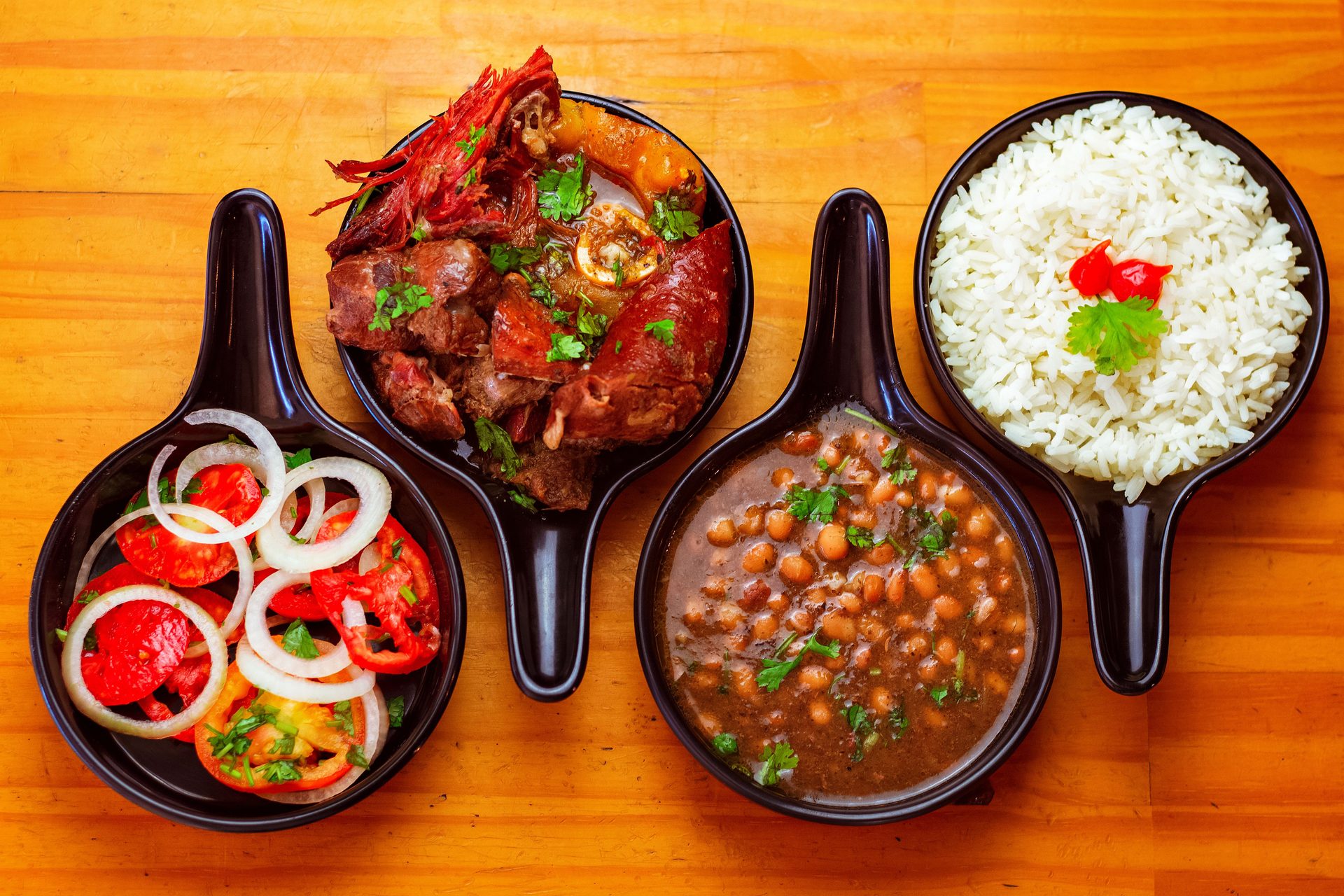
Rice and beans are a staple in American kitchens — budget-friendly, filling, and endlessly versatile. Whether you make a big pot of red beans and rice on Sunday or batch-cook black beans for the week, you’ve probably wondered if you can freeze the leftovers instead of eating the same meal four days in a row.
The short answer is yes — you can freeze rice and beans, and doing it correctly makes a real difference in what you get when you reheat them. This guide walks you through everything: how freezing affects taste and texture, the right way to pack and store them, how long they last, and how to spot when something has gone wrong.
Can You Freeze Rice and Beans?
You can freeze all varieties of rice and beans quite easily. That includes white rice, brown rice, jasmine, basmati, black beans, pinto beans, kidney beans, chickpeas, and everything in between. There are so many varieties of rice — you can have your pick of color, flavor, length of grain, or texture, and every single one of them can be frozen.
Freezing works for both cooked rice and beans stored together as a combined dish, or separately if you prefer more flexibility when building meals later. You can freeze cooked rice-based dishes, such as Spanish rice and beans, just as you would plain cooked rice. The same logic applies to classic American combinations like red beans and rice, black bean rice bowls, or seasoned pinto beans served over white rice.
Consider making a double batch of rice the next time you’re making your favorite variety so you always have cooked rice at a minute’s notice. Freezing a big batch now saves you real time on busy weeknights.
Pro Tip: Freeze rice and beans in meal-sized portions — typically ½ to 1 cup — so you only thaw what you need and avoid repeated freeze-thaw cycles.
Does Freezing Change the Texture or Taste of Rice and Beans?
Freezing has a different impact on rice than it does on beans, so it’s worth understanding both.
While the freezing process has no way of drastically altering the taste or composition of beans, it can affect rice in unfavorable ways. The biggest issue that can arise when freezing rice is the rice clumping together and becoming mushy. While this does not necessarily alter or ruin the taste of the rice, the mushy texture does have a tendency to be less than optimal for most people.
The good news is that this is largely preventable. Cooked rice freezes like a dream — provided you store and reheat it correctly. So long as you know the proper technique for freezing rice, it tastes just as good reheated as it did the day you made it.
For beans specifically, the flavor typically remains intact when stored properly. Frozen beans, whether homemade or canned, can taste just as good as fresh beans if they’re stored correctly. One thing to watch: frozen, reheated rice can dry out more easily than freshly steamed rice. It will still be safe to eat, but you might need to add extra water to the bowl or saucepan when reheating.
Brown rice needs a little extra attention. It’s more prone to drying out, so be sure to cook it until fully tender and then add a splash of water when reheating so it doesn’t get crumbly or mealy.
How to Freeze Rice and Beans the Right Way
Freezing rice and beans is a pretty straightforward process as long as you know the right steps to follow. Follow these steps and you’ll avoid the most common problems — mushy rice, freezer burn, and clumping.
- Cool completely first. Let the rice and beans cool completely before transferring to containers. This improves texture and supports resistant starch formation. You can lay the dish onto a baking tray in an even layer. It will take about 30 minutes for the dish to cool down completely.
- Don’t put hot food in the freezer. If you place food into the freezer while it is still hot, it will cause the temperature inside the freezer to change and increase the risk of freezer burn occurring in other foods.
- Portion into serving sizes. Divide into ½-cup or 1-cup portions so you can grab exactly what you need. Freeze portions for up to 3 months. Smaller portions thaw faster and more evenly.
- Use airtight freezer bags. Put the divided portions of rice into airtight freezer bags such as Ziploc bags or vacuum sealer bags. Once all the rice and beans are in the bag, flatten the bag out to create a thin, even layer. Gently flatten the rice and push as much air out of the bag as possible.
- Label every bag. Label each bag with the contents and the amount inside. Also add the date of storage. When you take out the rice and beans to reheat them, it will help you determine how long the dish has been in your freezer and how many servings you have.
- Freeze flat. Lay the bags flat on a freezer shelf so they freeze into thin, stackable slabs. Once solid, you can stand them upright to save space.
Pro Tip: Freeze food as fast as possible to maintain its quality. Rapid freezing prevents undesirable large ice crystals from forming throughout the product because the molecules don’t have time to form into the characteristic six-sided snowflake.
How Long Can You Freeze Rice and Beans?
Most sources agree on a practical window for best quality, though the exact timeframe depends on whether the rice and beans are stored together or separately, and how well they’re sealed.
| Food | Best Quality (Frozen) | Safe to Eat (If Stored at 0°F) |
|---|---|---|
| Cooked rice and beans (combined) | Up to 3 months | Up to 6 months |
| Cooked rice (plain) | Up to 6 months | Beyond 6 months, quality drops |
| Cooked beans (plain) | Up to 3–6 months | Up to 6 months |
| Dry, uncooked beans | Indefinitely in freezer | Indefinitely |
Frozen rice can be kept in the freezer for up to 6 months and still be tasty. After that it loses flavor and dries out but won’t be unsafe to eat. For a combined rice and beans dish, use frozen beans and rice within three months for the best taste, even though it can be safe to consume for up to six months.
For dry, uncooked beans stored in the freezer, most dried beans and lentils can last indefinitely and won’t spoil if stored correctly in airtight containers and under optimal conditions. The USDA’s Food Safety and Inspection Service confirms that because freezing keeps food safe almost indefinitely, recommended storage times are for quality only.
You can pair frozen rice and beans with dishes from around the world — check out ideas from traditional South African food or traditional Greek foods for inspiration on how to use your frozen stash in globally inspired meals.
How to Thaw Frozen Rice and Beans
How you thaw rice and beans matters just as much as how you freeze them. Slow thawing at room temperature is the one method to avoid — it leads to mushy, waterlogged rice.
Safe ways to thaw leftovers include the refrigerator, cold water, and the microwave oven. Refrigerator thawing takes the longest but the leftovers stay safe the entire time. After thawing, the food should be used within 3 to 4 days or can be refrozen.
The fastest option is to reheat directly from frozen. Reheat from frozen by microwaving covered for 2–3 minutes, stirring halfway, or thaw overnight in the fridge first for best texture. On the stovetop, you can reheat in a saucepan by adding a splash of water, covering, and warming over low heat.
- Microwave method: Place in a microwave-safe bowl, cover with a damp paper towel, and heat on high for 2–3 minutes, stirring halfway through. Add a tablespoon of water if the rice looks dry.
- Stovetop method: Add the frozen portion to a skillet or saucepan with a splash of water or broth. Cover and warm over medium-low heat, stirring occasionally, until heated through.
- Fridge thaw method: Move the bag from the freezer to the refrigerator the night before. Reheat the next day using either method above.
Pro Tip: The best method of defrosting and reheating rice and beans simultaneously is to reheat it in a frying pan directly. A splash of water or broth keeps the rice from drying out and adds flavor at the same time.
Can You Refreeze Rice and Beans After Thawing?
This is one of the most common questions around frozen food, and the answer depends on how you thawed them.
According to the USDA Food Safety and Inspection Service , it is safe to refreeze any food remaining after reheating previously frozen leftovers to the safe temperature of 165°F as measured with a food thermometer. So if you thaw your rice and beans and then fully reheat them, any portion you don’t eat can go back in the freezer.
If a large container of leftovers was frozen and only a portion of it is needed, it is safe to thaw the leftovers in the refrigerator, remove the needed portion, and refreeze the remainder of the thawed leftovers without reheating it.
That said, refreezing does affect quality. Refreezing can affect texture and taste, and it may also increase the risk of bacterial growth. Instead, freeze only what you need in individual portions to avoid waste. Portioning before you freeze in the first place is the simplest way to sidestep this issue entirely.
How to Use Frozen Rice and Beans (Best Uses After Freezing)
Frozen rice and beans are one of the most flexible ingredients you can keep on hand. Because they’re already cooked and seasoned, they go from freezer to table in minutes.
Some of the best ways to use them after freezing include:
- Burrito bowls and wraps: Reheat and layer with salsa, shredded cheese, sour cream, and grilled chicken or steak.
- Soup and stew base: Stir frozen rice and beans directly into simmering broth for a quick, hearty soup. No thawing needed.
- Stuffed peppers: Use reheated rice and beans as a filling for bell peppers, top with cheese, and bake.
- Grain bowls: Serve as a complete meal — pair with a protein, add veggies, and finish with a sauce or dressing for balance and flavor.
- Fried rice remix: Frozen rice that’s been thawed is actually ideal for fried rice because it’s drier and won’t clump in the pan.
- Side dish: Reheat with a pat of butter and a pinch of cumin or garlic powder for a quick, flavorful side.
For serving ideas, check out what goes well alongside these dishes — our guides on what to serve with red beans and rice and what to serve with rice and beans are full of practical pairing ideas. Rice and beans also make a great base for whole plant-based meals, since when combined, rice and beans create a complete protein profile containing all nine essential amino acids.
If you’re interested in the broader health benefits of this combination, our article on superfoods for a healthy heart covers how legumes and whole grains contribute to cardiovascular health.
Signs That Frozen Rice and Beans Have Gone Bad
Frozen food doesn’t spoil the way refrigerated food does, but that doesn’t mean it lasts forever or is always safe to eat. Here’s what to look for before you reheat.
Cooked beans and rice should be thrown away if they smell sour, look slimy, or have any signs of mold. Once thawed, apply the same judgment you’d use for any cooked leftovers.
For food still in the freezer, watch for these warning signs:
- Freezer burn: Food that has experienced freezer burn is still 100% safe to eat. The only effect that freezer burn has on food is taste — the food will taste drier and thus more bland and flavorless. You can still eat it, but the quality won’t be great.
- Off smell after reheating: If the dish has been frozen but smells or tastes off after it has been thoroughly heated, it’s safer to discard it.
- Unusual color: The dulling of color in frozen vegetables and cooked foods is usually the result of excessive drying due to improper packaging or over-lengthy storage. Dull, grayish rice or discolored beans that look nothing like when you froze them are a sign the quality has dropped significantly.
- Ice crystals inside the bag: Large ice crystals or a thick layer of frost inside the packaging suggest the food has gone through temperature swings — meaning it partially thawed and refroze at some point. The food may still be safe, but the texture will likely suffer.
- Slimy texture after thawing: Any sliminess on cooked beans or rice after thawing is a clear sign to discard the batch.
Important Note: The key to keeping cooked rice fresh is to cool it quickly and never leave it at room temperature for more than 2 hours. If cooked rice is left at room temperature for more than 2 hours, a bacteria called Bacillus cereus can produce a toxin that causes food poisoning. This applies before freezing too — don’t let your rice and beans sit out while you decide whether to freeze them.
Frequently Asked Questions
Can You Freeze Uncooked Rice and Dry Beans?
Yes. You can freeze uncooked rice in a freezer bag to preserve its shelf life. Dry beans also store well in the freezer. Beans stored in a pantry and airtight containers such as mason jars will stay fresh for up to 3 years. In the freezer, they can last indefinitely. The main reason to freeze dry goods is to kill any insect eggs that may have come in the packaging before long-term pantry storage.
Can You Freeze Canned Beans?
Yes, but not in the can. Drain and rinse the beans first, then transfer to a freezer-safe bag or container. Cook beans according to package directions, just until they are done, then package them in quart-sized freezer bags, about two cups per package. Flatten them as much as possible and stack on a baking sheet to freeze. When frozen, you have a stock of beans you can use just like canned, but for a lot less money.
Can You Freeze Red Beans and Rice?
Yes. Red beans and rice freeze well — savory beans with smoky sausage and fluffy rice retain flavor and texture when stored airtight for up to 3 months. Let the dish cool completely, portion it out, and seal it tightly before freezing. For serving ideas, see our guide on what to serve with red beans and rice.
How Long Does Cooked Rice Last in the Fridge Before Freezing?
Store in an airtight container in the fridge for up to 2 days. If you know you won’t eat the rice and beans within 2 days of cooking, move them to the freezer right away rather than waiting. Freshness and quality at the time of freezing affect the condition of frozen foods. If frozen at peak quality, thawed foods emerge tasting better than foods frozen near the end of their useful life.
Is Frozen Rice and Beans Still Nutritious?
Yes. The freezing process itself does not destroy nutrients. Rice and beans remain a solid source of plant-based protein, fiber, and complex carbohydrates after freezing. The great thing about beans and legumes is they won’t lose their protein and mineral value over time. However, after two years, they may lose some of their vitamin properties. For cooked and frozen rice and beans used within 3–6 months, nutritional loss is minimal. Learn more about legumes and their health benefits in our article on mung beans and their nutritional profile.
What Is the Best Container for Freezing Rice and Beans?
An airtight container is your best defense against losing quality, so vacuum sealing is great if you have that tool in your kitchen. Flat, zip-top freezer bags work well for most households because they save space and thaw quickly. While freezing rice in plastic zip-top bags is convenient, reheating in glass or ceramic is preferable to avoid heating food in plastic containers.