Can You Freeze Rice and Peas? Storage Tips, Shelf Life, and More

November 6, 2026
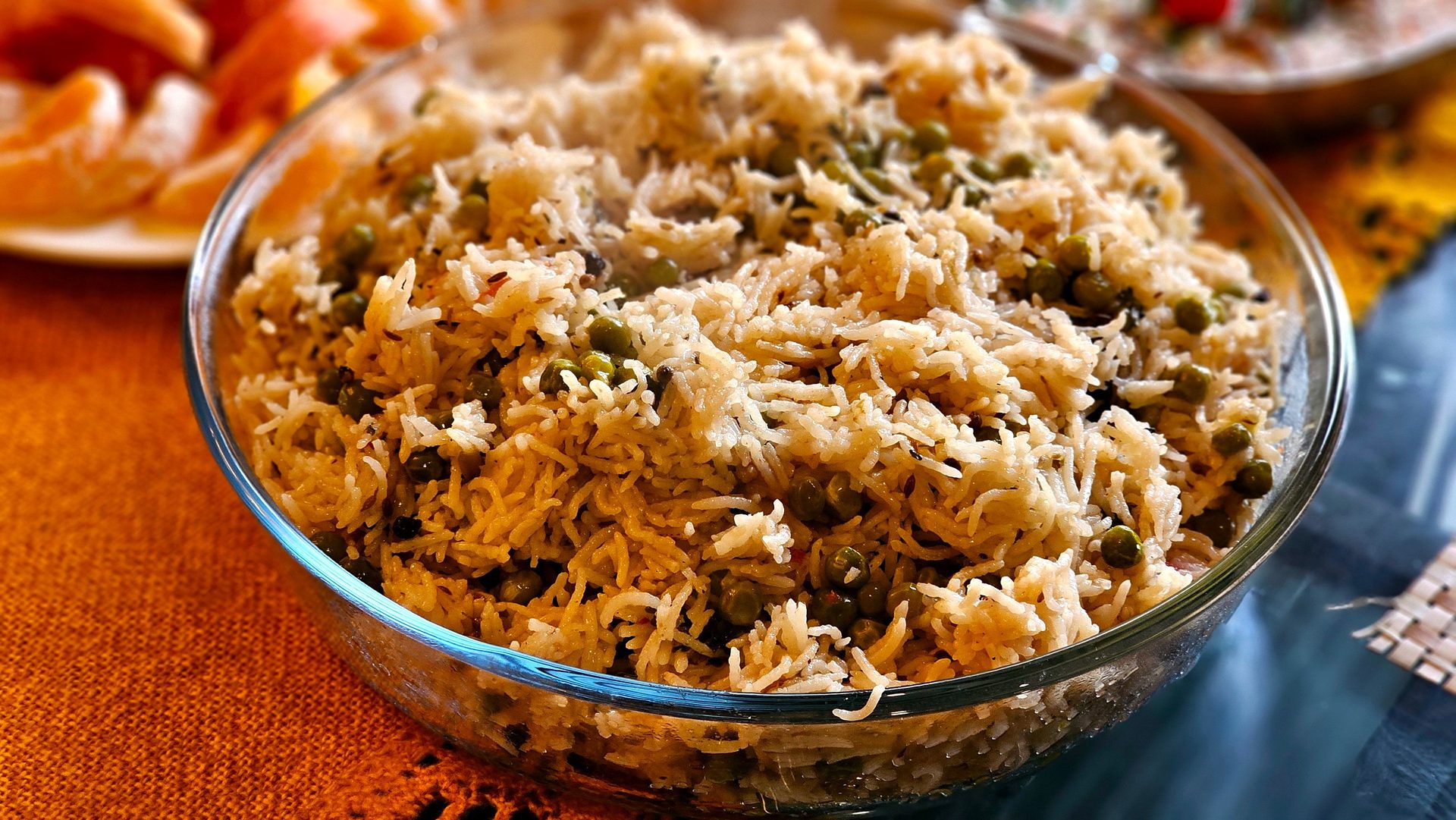
If you’ve ever cooked a big pot of rice and peas only to end up with more than you can eat, you’ve probably wondered whether the freezer is a safe option. The good news is that yes, you can absolutely freeze rice and peas — and when done right, the results hold up well in both taste and texture.
Whether you’re meal prepping for the week, cutting down on food waste, or just want a ready-made side dish on standby, freezing rice and peas is one of the most practical kitchen habits you can build. This guide walks you through everything you need to know, from prep and packaging to thawing and reheating safely.
Can You Freeze Rice and Peas?
Rice and peas freeze well. They make a great freezer staple for meal preppers because they give you a ready-to-go side dish that works well alongside a range of meals. That applies whether you’re working with plain cooked white rice mixed with green peas, or a more seasoned dish like rice cooked with coconut milk and kidney beans (the Caribbean-style “rice and peas”).
There are many varieties of rice, and every single one of them can be frozen. The same goes for peas — green peas, black-eyed peas, and kidney beans all freeze without issue when combined with rice. Rice and peas freeze well because the dish has a relatively low moisture content, so it’s rare that the food will become independently freezer-burned.
One important food safety note: rice can contain a bacteria called Bacillus cereus, which can survive the cooking process and may lead to food poisoning. Since the bacteria thrive at room temperature, cooling rice as soon as possible after cooking is the safest policy. Sticking rice in the freezer stops potential bacteria growth in its tracks, which makes freezing a safer option than refrigeration.
Pro Tip: Freeze your rice and peas in single-serving portions. That way, you only thaw what you need and never have to refreeze leftovers.
Does Freezing Change the Texture or Taste of Rice and Peas?
It’s often believed that you can’t freeze rice without ruining its flavor or texture — however, this is false. Your frozen rice will taste good provided you handle it well while freezing and don’t allow it to stay for too long in the freezer.
That said, some varieties do respond slightly differently. Longer-grained varieties, such as jasmine and basmati rice, tend to dry out a bit. Reheating them with extra water or broth, or simply freezing them for a little less time, helps address this. Chewy, nutty brown rice freezes well too, keeping its hearty texture even after a couple of months. Stored properly, frozen rice lasts for up to three months in the freezer.
Peas behave a little differently from rice. Peas are typically blanched before freezing, which helps preserve their color and nutrients. However, this process also alters their texture and flavor slightly, making them taste sweeter and more vibrant when heated. If you’re freezing a rice-and-peas dish where the peas were already cooked in, expect them to soften slightly after reheating — this is normal and doesn’t affect safety or flavor in any meaningful way.
Freshness and quality at the time of freezing affect the condition of frozen foods. If frozen at peak quality, thawed foods emerge tasting better than foods frozen near the end of their useful life. So freeze your rice and peas sooner rather than later for the best results.
How to Freeze Rice and Peas the Right Way
Proper technique makes the difference between rice and peas that reheat beautifully and a clumped, freezer-burned mess. Follow these steps to get it right every time.
- Cool the rice and peas quickly. Cooked rice shouldn’t be left on a counter or in a pot on the stove. If it’s been sitting at room temperature for more than 2 hours, throw it out. Ideally, as soon as rice is done cooking, it should either be eaten or put uncovered in the fridge to cool rapidly.
- Spread it out to cool evenly. Spread the cooked rice on a baking sheet in an even layer. Cool the rice in the refrigerator until it’s completely cool. This prevents steam from building up inside your storage containers.
- Portion into serving sizes. Divide the rice into freezer-safe containers. Remember that rice should only be reheated once, so freeze it in quantities that you and your family can eat in one sitting.
- Seal out the air. Gently flatten the rice and push as much air out of the bag as possible. For containers, seal each container as tightly as possible. This ensures that the rice and peas don’t get touched by frost too quickly in your freezer, leading to better long-term storage conditions.
- Label everything. Label the bags with the contents, date, and number of cups of rice. This makes it easy to rotate older batches to the front.
- Store in the center of the freezer. Freeze the rice and peas in the center of your freezer, where the food will be as far as possible from the frost front at the edge. This allows it to avoid freezer burn for as long as possible.
Pro Tip: When freezing starchy carbohydrates like rice, avoid having sauces or other liquids in the container with the food. Sauces make freezer burn more likely. If your dish includes a sauce, store it separately and combine when reheating.
How Long Can You Freeze Rice and Peas?
Sources vary slightly on the exact window, but the general consensus is clear: quality matters more than safety when it comes to how long you keep frozen rice and peas.
| Food | Best Quality Window | Maximum Safe Duration |
|---|---|---|
| Cooked rice (plain or with peas) | 1–3 months | Up to 6 months |
| Rice with coconut milk or sauce | 1–2 months | Up to 3 months |
| Fresh green peas (blanched) | 6–9 months | Up to 12 months |
Frozen rice can be kept in the freezer for up to 6 months and still be tasty. After that, it loses flavor and dries out but won’t be unsafe to eat. For dishes that include coconut milk, cream, or broth, rice casseroles last for up to 3 months in the freezer, according to the USDA.
Store all foods at 0°F or lower to retain vitamin content, color, flavor, and texture. A freezer thermometer is a simple, inexpensive tool that takes the guesswork out of this. You can learn more about the nutritional benefits of green peas and why they’re worth preserving carefully.
How to Thaw Frozen Rice and Peas
You have three reliable options for thawing frozen rice and peas, and the right one depends on how much time you have.
In the refrigerator (best method): Safe ways to thaw leftovers include the refrigerator, cold water, and the microwave oven. Refrigerator thawing takes the longest but the leftovers stay safe the entire time. Move your container from the freezer to the fridge the night before you plan to eat it.
In the microwave (fastest method): There is no need to thaw the rice before reheating in the microwave. Break frozen rice into chunks and place in a microwave-safe bowl. Cover with a lid or plastic wrap and microwave on high until just hot. Time will vary depending on the amount of rice and the microwave used.
On the stovetop: Add the frozen rice and peas directly to a saucepan with a splash of water or broth. Heat over medium-low, stirring occasionally, until warmed through. Add a tablespoon of water or broth per cup of rice to restore moisture and prevent the grains from drying out.
Important Note: Never thaw food at room temperature, such as on the countertop. Food must be kept at a safe temperature during thawing. Leaving rice and peas on the counter to defrost creates the warm conditions that allow bacteria to multiply rapidly.
Once thawed in the refrigerator, the food should be used within 3 to 4 days or can be refrozen.
Can You Refreeze Rice and Peas After Thawing?
This is a common question, and the answer depends on how you thawed the food in the first place. Once food is thawed in the refrigerator, it is safe to refreeze it without cooking, although there may be a loss of quality due to the moisture lost through thawing.
However, refreezing comes with trade-offs. You will likely notice a decrease in quality over repeated refreezing, meaning that the food probably shouldn’t be refrozen too many times if you hope to maintain its quality. For peas specifically, it’s not a good idea to refreeze cooked peas. They will lose their texture and become mushy. You can keep cooked peas in the refrigerator and reheat them within a few days for best results.
Do not refreeze any foods left outside the refrigerator longer than 2 hours — or 1 hour in temperatures above 90°F. This is especially important during hot US summers when kitchen temperatures climb quickly. The safest approach is to portion your rice and peas before freezing so you only ever thaw exactly what you need. For more on how food choices affect your overall health, see our guide on whole plant-based foods.
How to Use Frozen Rice and Peas (Best Uses After Freezing)
Frozen rice and peas are one of the most versatile ingredients you can keep on hand. Once reheated, they work in dozens of weeknight meals without much extra effort.
- Side dish: Reheat and serve alongside grilled chicken, fish, or pork. A squeeze of lime and some fresh cilantro take it from basic to fresh-tasting in seconds.
- Fried rice: Frozen rice keeps perfectly ready to go for skillet dishes and rice pilafs. Day-old or previously frozen rice actually works better for fried rice than freshly cooked rice because the grains are drier and won’t clump.
- Stuffed peppers: Use thawed rice and peas as a filling base for bell peppers. Mix with ground turkey, diced tomatoes, and your preferred spices before baking.
- Rice bowls: Top reheated rice and peas with a fried egg, sliced avocado, and hot sauce for a fast, filling meal.
- Soups and stews: Stir thawed rice and peas directly into a simmering pot of broth, tomatoes, or beans to bulk up a soup without any extra cooking time.
- Burritos and wraps: Frozen rice and peas reheat quickly enough to fill a burrito on a busy weeknight. Add cheese, salsa, and your protein of choice.
Consider making a double batch of rice the next time you’re making your favorite variety so you always have cooked rice at a minute’s notice. This habit alone can dramatically cut down your weeknight cooking time. For recipe inspiration that puts nutritious ingredients to work, check out our article on superfoods for a healthy heart or explore the powerful nutrients and foods that fight cancer.
Signs That Frozen Rice and Peas Have Gone Bad
Frozen food doesn’t spoil the same way refrigerated food does, but it can degrade in quality — and in rare cases, become unsafe. Here’s what to look for before you reheat a container.
Freezer burn: Freezer burn is a common factor as to why food may go bad while in the freezer. It occurs primarily when too much air reaches the products, which ends up drying them out and damaging them. On rice, this shows up as dry, chalky white patches. On peas, you’ll see shriveled, grayish-brown spots. Freezer-burned food is safe to eat but tastes noticeably bland and dry.
Clumped peas: In a normal frozen process, each pea should be frozen individually within the package. But if you find a chunk of peas clumped together, this could be a sign that they’ve been refrozen. Clumping suggests the food partially thawed and refroze at some point, which affects both texture and safety.
Off smell after thawing: After 1 to 2 days of being thawed, odd odors may appear. Sour or fermented smells from peas are a red flag. If your rice and peas smell off after thawing, discard them — don’t taste-test to find out.
Unusual discoloration: The dulling of color in frozen vegetables and cooked foods is usually the result of excessive drying due to improper packaging or over-lengthy storage. Some color change is normal, but a significant yellowing of rice or a gray-green tinge on peas warrants caution.
Slimy or mushy texture: If your rice and peas feel slimy after thawing — not just soft, but actually slick — that’s a sign of bacterial activity. Discard the batch without reheating it.
Key Insight: Label everything with the date — freezer memory is unreliable. A piece of masking tape and a marker takes five seconds and saves you from ever having to guess how old something is.
For a broader look at how your food choices support long-term health, explore our guides on fibroid healing foods, foods that enhance liver function, and foods for healthy skin.
Frequently Asked Questions
Can you freeze rice and peas that were made with coconut milk?
Yes, but the quality window is shorter. Dishes made with coconut milk or cream tend to separate slightly after freezing and reheating. Stir well while reheating and use within 1 to 2 months for the best texture. Avoid freezing versions with a lot of added liquid, as sauces and other liquids in the container make freezer burn more likely.
Is it safe to freeze rice that has been sitting in the fridge for a few days?
Leftover rice is only safe to store in the refrigerator for four days. If your rice and peas are within that window and have been stored properly, you can transfer them to the freezer. Beyond four days in the fridge, discard the batch rather than freezing it.
Can you freeze uncooked rice?
You can freeze rice both cooked and uncooked, depending on your needs. Freezing uncooked rice extends its shelf life significantly and is especially helpful for brown rice, which contains natural oils that can cause it to spoil faster than white rice at room temperature.
Do you need to thaw frozen rice and peas before reheating?
No. There is no need to thaw the rice before reheating it in the microwave or on the stove. You can reheat it straight from frozen — just add a small splash of water, cover the container, and heat until steaming throughout.
Can you use frozen rice and peas in recipes without reheating first?
You don’t need to thaw peas for rice recipes. If you’re adding frozen rice and peas to a soup, stew, or skillet dish, you can stir them in directly and let the heat from the dish do the work. This is one of the most convenient ways to use frozen rice and peas on a busy weeknight.
How do you prevent frozen rice from drying out?
Reheated rice can dry out quickly. It’s a good idea to use it right away, or add a little water during the reheating process to deal with this issue. A damp paper towel placed over the bowl before microwaving also helps trap steam and keep the grains moist.
For more food storage tips and healthy eating ideas, browse our guides on the pros and cons of eating seafood and cancer-causing foods you need to avoid.