Can You Freeze Oysters in the Shell? What You Need to Know

November 6, 2026
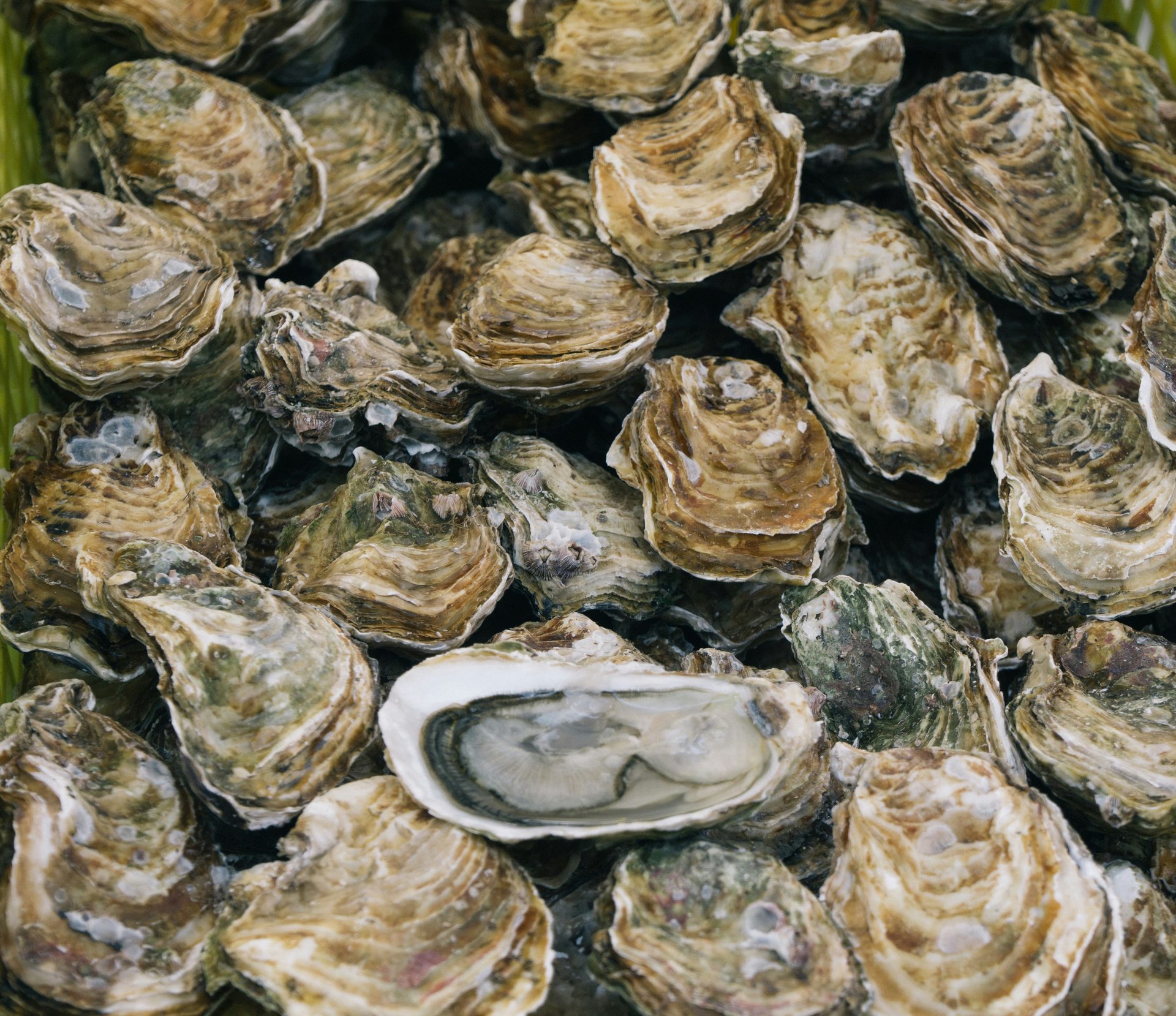
If you ended up with more oysters than you can eat before they go bad, freezing them is a smart move — but only if you do it correctly. Oysters are highly perishable shellfish, and the wrong approach can cost you both quality and safety.
The good news is that freezing oysters in the shell is entirely possible. You can freeze oysters safely, whether they’re in the shell or already shucked. The catch is that the process requires a few important steps, and your frozen oysters won’t work the same way fresh ones do. This guide covers everything you need to know — from how to prep and freeze them to how long they last, how to thaw them safely, and what to cook once they’re defrosted.
Can You Freeze Oysters?
Oysters that are still in the shells should only be frozen live. That single rule is the foundation of the entire process. Freezing a dead oyster is a food safety risk, not a storage solution.
A live oyster will keep its shell tightly closed or will close it when tapped. If you tap an oyster and the shell stays open, discard it before you freeze anything else in that batch. This quick check takes only a few seconds and protects the whole lot.
Freezing oysters is a safe, effective way to extend their shelf life for several months. It’s especially useful if you bought a large quantity at a seafood market, received a mail-order delivery of Gulf Coast or Pacific Northwest oysters, or have leftovers from a backyard oyster roast. Just know going in that frozen oysters are a cooking ingredient, not a substitute for the fresh raw experience.
Pro Tip: Always freeze oysters as soon as possible after purchase. The fresher they are when they go into the freezer, the better the quality when they come out.
Does Freezing Change the Texture or Taste of Oysters?
Yes — and being honest about this upfront will save you disappointment. Freezing does change the texture and flavor of oysters. Understanding exactly how it changes them helps you use them well.
When oysters are frozen, the oyster meat can undergo changes in texture. Ice crystals form within the meat, which can lead to a slightly different mouthfeel when thawed. The delicate firmness that makes a raw oyster so satisfying on the half shell simply doesn’t survive the freeze-thaw cycle intact.
On the flavor side, that unique ocean flavor will remain intact if you freeze them correctly. The briny, saline character holds up well in cooked dishes. What tends to suffer most is texture — not taste — which is why frozen oysters can still shine in the right recipes.
Oysters may be frozen, but once thawed, the texture of the meat becomes softer and the oysters are generally not suitable for raw consumption. Frozen oysters, however, are quite acceptable when they are cooked. The Interstate Shellfish Sanitation Conference is clear on this point, and it’s a guideline worth following.
| Quality Factor | Fresh Oysters | Frozen & Thawed Oysters |
|---|---|---|
| Texture | Firm, plump, tender | Softer, slightly mushy |
| Flavor | Briny, sweet, complex | Briny, slightly more fishy |
| Raw suitability | Yes | Not recommended |
| Best use | On the half shell, raw bars | Soups, stews, bakes, fries |
How to Freeze Oysters in the Shell the Right Way
You have two main options: freeze them whole in the shell, or shuck them first and freeze the meat with their liquor. Both methods work, but they serve different purposes and have different trade-offs.
Method 1: Freezing Whole in the Shell
This is the simpler of the two methods. Oysters can be frozen directly in their shells if done properly. Thoroughly clean the oysters, taking care to remove sand and mud from the shells. Tap on the oyster shell to see if it closes or tightens. Any that do not close are no longer alive and should be discarded.
Once you’ve confirmed all your oysters are live, here’s how to proceed:
- Scrub each shell under cold running water with a stiff brush to remove grit and debris.
- Pat the shells dry with a clean towel to reduce excess moisture and minimize ice crystal formation.
- Place the oysters in a single layer on a baking sheet. Arrange them in a way that prevents them from touching each other, as this can cause them to stick together during freezing. Carefully transfer the baking sheet to the freezer. Allow them to freeze solid, which typically takes a few hours. Once frozen, remove the baking sheet from the freezer and transfer the oysters into airtight, freezer-safe containers or bags.
- Label with the freezing date and place the packaged oysters in the coldest part of the freezer, ideally at a temperature of 0°F (-18°C) or lower.
The downside of this method is that you will have to shuck the oysters after thawing them. On the plus side, it requires almost no prep work upfront.
Method 2: Shucking Before Freezing
If you want to save freezer space or plan to use the oysters in cooked recipes, shucking before freezing is the better route. Shuck oysters into a strainer (save the liquor) and remove any pieces of shell or sand. If necessary, the oysters can be rinsed to remove any sand. Place oysters and liquor in a plastic container or freezer bag, leaving ½-inch headspace, seal and freeze. This is the method recommended by the National Center for Home Food Preservation .
Rapid freezing results in smaller ice crystal formation and less tissue damage. To achieve this, oysters should be frozen quickly at a temperature of 0°F or lower. Place them in the back of the freezer, away from the door, where temperatures stay most stable.
Pro Tip: Never skip saving the liquor. That briny liquid protects the oyster meat from freezer burn and carries a significant portion of the flavor you want to preserve.
How Long Can You Freeze Oysters?
The answer depends on whether you’re prioritizing safety or peak quality — and those are two different timelines.
For best eating quality, most sources agree on a window of three to six months. For shucked oysters, freeze them in their natural liquor to preserve flavor and use within 3–6 months. For best quality, use frozen oysters within three months of freezing.
From a strict food safety standpoint, the window is longer. Properly stored, frozen oysters will maintain best quality for about 12 months in the freezer, although they will usually remain safe to eat after that. Frozen oysters that have been kept constantly frozen at 0°F will keep safe indefinitely, as long as they have been stored properly and the package is not damaged.
The practical takeaway: aim to use them within three months for the best flavor, and don’t push past six months if you want a result worth cooking with. As a general rule, the less time shellfish is frozen, the more it will retain its original quality. Shellfish that have only been frozen for a week will probably taste better than frozen shellfish that are nearing their expiration date.
| Storage Method | Best Quality Window | Safe Limit |
|---|---|---|
| In-shell (whole, frozen) | Up to 3 months | Up to 12 months at 0°F |
| Shucked in liquor | 3–6 months | Up to 12 months at 0°F |
How to Thaw Frozen Oysters
Thawing is just as important as freezing. Get it wrong and you can ruin oysters that were perfectly stored. It is essential to thaw frozen oysters in the refrigerator rather than at room temperature to maintain safety and quality.
The Interstate Shellfish Sanitation Conference recommends that oysters should always be thawed in the refrigerator and at least 24 hours should be allowed for thawing. Plan ahead — this isn’t a same-day process if you’re starting from frozen.
If you’re short on time, a cold-water bath is an acceptable alternative. For quicker thawing, place the sealed bag in cold water, changing the water every 30 minutes until thawed. Never use warm or hot water, as this promotes bacterial growth and causes uneven thawing that damages the meat further.
- Do not thaw oysters on the counter at room temperature.
- Do not use the microwave to thaw oysters you plan to cook whole.
- Do cook them promptly — shellfish should be cooked within 24 hours of thawing.
One thing to expect when thawing in-shell oysters: if you freeze fresh shellfish in their shells, as they thaw, their shells should open. This applies to clams, mussels, and oysters. This is typically because the muscle keeping them closed starts to relax as it thaws. That’s normal and doesn’t mean the oysters are bad.
Can You Refreeze Oysters After Thawing?
No. This is one rule with no exceptions. Oysters should never be refrozen.
Freezing oysters is possible, but it’s not advisable to refreeze them once thawed. Refreezing alters texture, resulting in mushiness and flavor loss. It can also raise the risk of bacterial growth, impacting food safety.
The practical solution is simple: only thaw the amount of oysters needed. If you froze a large batch, divide them into smaller portions before freezing so you can pull out only what you’ll use in one cooking session. Label each bag with the date and approximate quantity so there’s no guesswork later.
Important Note: Freezing kills live oysters, which is why thawed oysters must always be cooked — never eaten raw. Refreezing compounds this safety concern by giving any surviving bacteria additional opportunity to multiply during the second thaw cycle.
How to Use Frozen Oysters (Best Uses After Freezing)
Once you accept that frozen oysters are a cooking ingredient rather than a raw delicacy, a wide range of delicious dishes opens up. Oysters can be enjoyed in a variety of cooked preparations including steamed, stewed, roasted, baked, broiled, sautéed, poached, and fried.
The best applications are those where the softer post-freeze texture either doesn’t matter or actually helps the dish. Here are the top uses for American home cooks:
- Oyster stew or chowder: These oysters may be best used in casseroles or stews, according to the National Center for Home Food Preservation. The broth absorbs the oyster flavor beautifully, and the softer texture blends right in.
- Fried oysters: A Southern staple from the Gulf Coast to the Chesapeake Bay. Dredge thawed oysters in seasoned cornmeal or flour and pan-fry until golden. The breading masks any texture change completely.
- Baked or grilled on the half shell: Place thawed oysters on the half shell, top with a mixture of breadcrumbs, Parmesan cheese, and herbs, then grill or bake until golden brown for a tasty appetizer.
- Oyster stuffing: A classic Thanksgiving or holiday side dish that works perfectly with frozen oysters. The soft texture integrates seamlessly into bread stuffing.
- Pasta or risotto: Fold thawed, lightly sautéed oysters into a cream-based pasta or finish a seafood risotto with them in the last few minutes of cooking.
- Oysters Rockefeller: Oysters Rockefeller can be assembled and frozen before baking. Freeze them individually on a tray, then transfer to a container.
For more ideas on how seafood fits into a health-conscious diet, see this overview of the pros and cons of eating seafood. If you’re interested in how oysters and other marine foods support your body beyond the plate, the article on superfoods for a healthy heart covers several relevant nutrients found in shellfish.
Signs That Frozen Oysters Have Gone Bad
Even properly frozen oysters can go bad if storage conditions slip or they’ve been in the freezer too long. Knowing the warning signs keeps you safe.
Freezer burn: If dry spots or discolorations have developed on the frozen oysters, freezer burn has begun to set in — this will not make the frozen oysters unsafe to eat, but it will harm the texture and taste. Heavily freezer-burned oysters are best discarded.
Off smell: A healthy oyster will have a mild, briny scent reminiscent of the ocean. A strong, offensive odor, especially one with an ammonia smell, is a sure sign of a bad oyster. Trust your nose — if something smells wrong after thawing, don’t cook it.
Unusual color: The meat of shucked oysters is usually a creamy tan color, plump, and should smell fresh and mild. Grayish, blackened, or heavily discolored meat after thawing is a red flag.
Slimy or mushy texture: The flesh of the oyster should be firm to the touch. A mushy or slimy texture suggests that the oyster is no longer fit for consumption. Note that some softening is normal after freezing — but excessive sliminess is not.
Off taste: Ideally, an oyster’s taste is mildly briny and sweet. A sour, bitter, or otherwise off taste signifies that the oyster is no longer fresh.
Consuming spoiled oysters carries significant health risks: they can cause food poisoning due to harmful bacteria such as Vibrio vulnificus. When in doubt, throw it out. No meal is worth a foodborne illness.
For more on how diet and food safety connect to long-term wellness, the guide on cancer-causing foods to avoid and the overview of nutrients and foods that fight cancer offer useful context on making smart food choices.
Frequently Asked Questions
Can You Freeze Live Oysters in the Shell?
Yes, but only if they are confirmed live before freezing. Oysters that are still in the shells should only be frozen live. A live oyster will keep its shell tightly closed or will close it when tapped. Discard any that don’t respond to tapping before you freeze the batch.
Do Frozen Oysters Open When Thawed?
If you freeze fresh shellfish in their shells, as they thaw, their shells should open. This applies to clams, mussels, and oysters. This is typically because the muscle keeping them closed starts to relax as it thaws. They may also open while being frozen or while cooking. If they don’t open they are still safe to eat as long as the shell was closed prior to freezing.
Can You Eat Frozen Oysters Raw After Thawing?
You should never eat oysters raw once they have been frozen. Freezing the oysters kills them, making them unsafe to eat without cooking them after you thaw them. Always cook thawed oysters before eating.
How Long Do Fresh Oysters Last in the Fridge Before Freezing?
Live, unopened oysters can last up to 7–10 days in the refrigerator. If you know you won’t use them in that window, freeze them as soon as possible after purchase rather than waiting until they’re close to the edge of their freshness. For proper fridge storage tips, North Coast Seafoods has a detailed breakdown on oyster refrigeration best practices.
Can You Freeze Cooked Oysters?
Yes. You can freeze oysters both raw and cooked, but they should be cooked after thawing for safety and taste. Cooked oysters — such as those from an oyster stew or baked dish — can be frozen in an airtight container and reheated later. The texture change from a second freeze is less noticeable in already-cooked preparations.
What Is the Best Freezer Temperature for Oysters?
Set your freezer to 0°F (-18°C) or below to ensure the oysters freeze quickly and thoroughly. Avoid frequent temperature fluctuations, as this can degrade quality. A dedicated freezer thermometer is a worthwhile investment if you store shellfish regularly.
Oysters are a nutritious and versatile shellfish that fit into a wide range of healthy eating patterns. If you’re exploring how different foods support specific health goals, the articles on foods that enhance liver function and whole plant-based foods offer helpful perspectives on building a balanced diet around quality ingredients like seafood.