
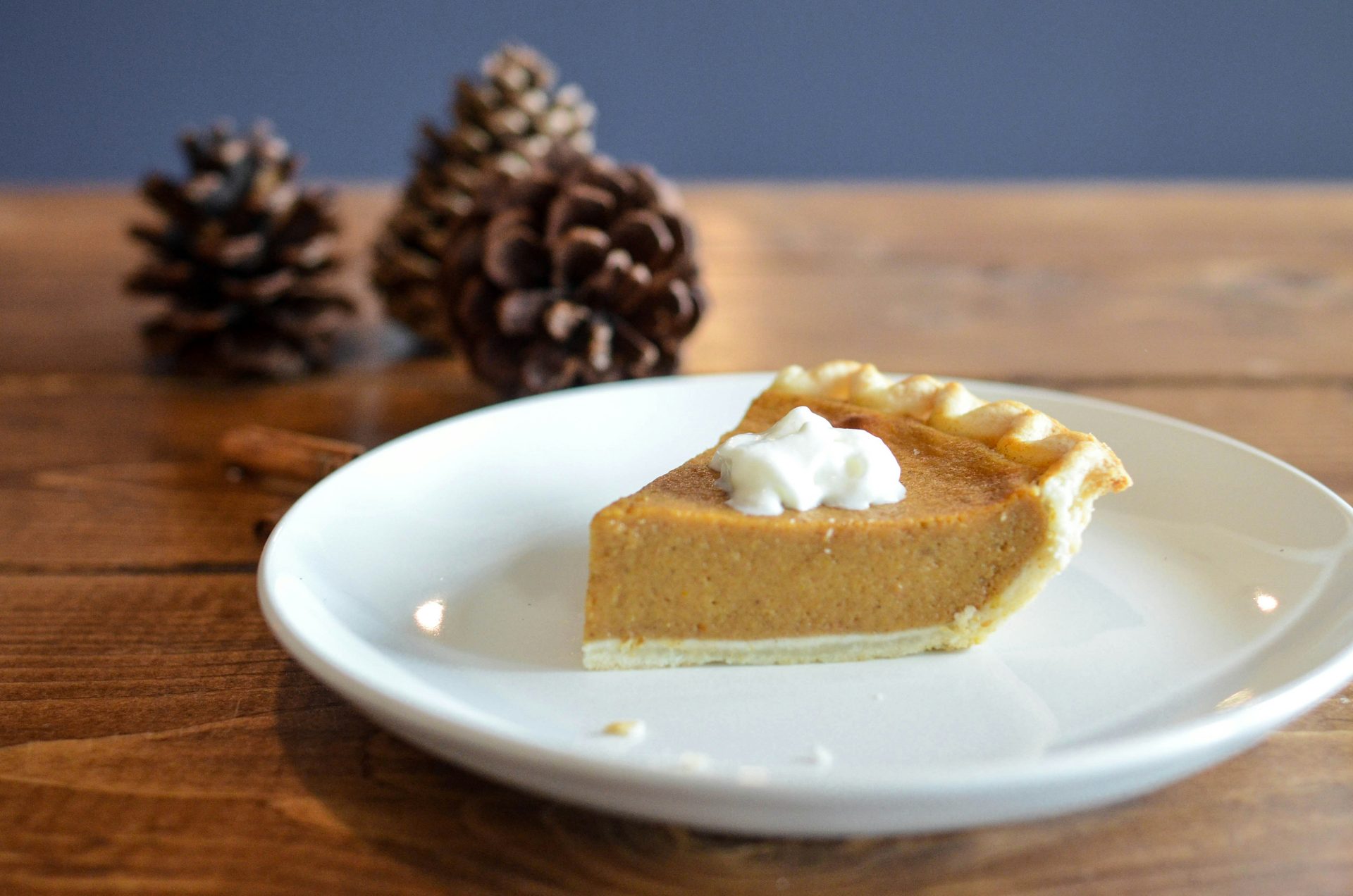
Pumpkin pie is one of those desserts that always seems to show up in larger quantities than you can finish in a single sitting. Whether you baked two pies ahead of Thanksgiving, picked up a Costco pie with the best intentions, or simply have leftover slices taking up fridge space, the question is the same: can you freeze pumpkin pie without ruining it?
The short answer is yes — and it works better than most people expect. Pumpkin pie’s custard-based filling and buttery crust are actually well-suited to freezing when handled correctly. This guide walks you through every step, from wrapping and storing to thawing and spotting spoilage, so none of that pie goes to waste.
Can You Freeze Pumpkin Pie?
Yes, you can freeze pumpkin pie. In fact, a fully baked pie crust and creamy filling freeze incredibly well. This applies to both homemade pies and store-bought versions — the process is the same either way.
According to FoodSafety.gov, pies made with eggs, like pumpkin and pecan pie, can be frozen after baking. You don’t need to use a special recipe to make a pumpkin pie that can be frozen — your go-to recipe will work.
If you picked up a pumpkin pie from the bakery section, you can freeze it just as you would a homemade pie. However, keep in mind that many store-bought pumpkin pies are made with preservatives that make them shelf-stable. This is often the case with pies purchased at large supermarkets or big-box stores, and these pies can be left on the counter and are best eaten within a few days or by the date marked on the package. If you’re buying from a local bakery, treat that pie like homemade and freeze it promptly.
Pro Tip: If you know ahead of time that you plan to freeze your pie, bake it in a disposable aluminum pie pan. Aluminum freezes faster and is less likely to develop ice crystals that can affect texture.
Does Freezing Change the Texture or Taste of Pumpkin Pie?
Freezing does affect pumpkin pie slightly, but the changes are minimal when you freeze and thaw correctly. The custard filling holds up well because of its fat content, and the crust is similarly forgiving. Most people find the pie tastes nearly identical to fresh after a proper thaw.
The main risk comes from improper preparation before freezing. Some say freezing will ruin a pie and make it taste funny, with a watery filling and soggy crust after thawing. In reality, the problem usually happened before the pie hit the freezer — when custard is overcooked, the eggs and milk start to curdle, which breaks down the custard.
This creates pockets of water in the custard. When the pie freezes, those pockets of water freeze and cause the custard to separate further. During that process, some of the extra moisture moves into the pie crust. So if your pie comes out watery after freezing, the culprit is likely overbaking, not the freezer itself.
While freezing affects the texture slightly, it is a safe and effective way to preserve the pie for later enjoyment. A small amount of moisture may form on the surface when thawing — just blot it gently with a paper towel and it won’t affect the taste at all.
How to Freeze Pumpkin Pie the Right Way
Proper wrapping is the single most important factor in how well your frozen pumpkin pie holds up. Follow these steps to get the best results.
- Cool the pie completely. “The first step is making sure that the pie is completely cool,” says Vincent J. Donatelli, pastry chef at The Green O, a five-star ranch in Montana. “This prevents condensation and ice crystals from forming during the freezing process.” Ice crystals and condensation can make the crust soggy when it thaws.
- Remove any toppings. Remove any whipped cream before freezing leftovers. Whipped cream has a high water content and does not freeze or thaw well. Add it fresh when you’re ready to serve.
- Wrap tightly in plastic wrap. Let the pie cool completely for several hours at room temperature, then wrap it tightly in several layers of plastic wrap. Make sure there are no gaps where air can get in.
- Add a layer of aluminum foil or a freezer bag. Wrap the entire thing in aluminum foil or place the pie in a freezer bag for extra protection against freezer burn.
- Freeze flat, undisturbed. Place the pumpkin pie in your freezer on a shelf by itself, with nothing on top of it, so it fully freezes.
You can also freeze individual slices rather than a whole pie. If you think you’re only going to want a portion of the pie, try freezing it in slices and double wrap those as well. This makes it easy to pull out exactly what you need without thawing the entire pie.
Pro Tip: Place a box of open baking soda in your freezer if you’re storing multiple pies or plan to freeze the pie for several weeks. It helps absorb any off-odors that can build up over time and migrate into your pie.
How Long Can You Freeze Pumpkin Pie?
How long your frozen pumpkin pie stays good depends on whether you’re prioritizing food safety or peak quality — those are two different timelines.
| Storage Method | Safe Duration | Best Quality Window |
|---|---|---|
| Freezer (whole pie or slices) | Indefinitely at 0°F or below | 1–2 months |
| Refrigerator (after thawing) | 3–4 days | Within 2–3 days |
| Refrigerator (fresh, unfrozen) | 3–4 days | Within 2–3 days |
According to the FDA, pumpkin pie is best consumed 1–2 months after freezing. The FDA does note that frozen foods are safe indefinitely as long as they are stored at 0°F or colder, but pumpkin pie is best consumed within a month or two to maintain the best taste and quality.
After 3 or 4 months, the filling may lose its creamy consistency and the crust could become too dry or soggy once defrosted. Freezing beyond this time frame is possible, but you may notice a gradual decline in quality with each passing month. Always label your pie with the freezing date so you know exactly where you stand.
For context on refrigerator storage: properly stored, homemade pumpkin pie is safe to eat for 3–4 days in the refrigerator at or below 40°F. If you know you won’t finish it within that window, get it into the freezer sooner rather than later.
How to Thaw Frozen Pumpkin Pie
Thawing is just as important as freezing. Do it wrong and you’ll end up with a soggy crust and watery filling — even if you froze the pie perfectly.
To thaw your frozen pie, transfer it from the freezer to the refrigerator at least 12 hours before serving. Do not thaw a fully frozen pumpkin pie at room temperature, as this can cause the filling to weep, leaving a soggy crust. A long, slow thaw is the way to go, so plan ahead.
You can serve your defrosted pumpkin pie straight from the fridge or let it sit at room temperature for less than two hours before you plan to serve it. If you notice a bit of surface moisture after thawing, blot it gently with a paper towel — it won’t affect the flavor.
If you want to serve the pie warm, pastry chef Donatelli recommends removing the plastic wrap and heating the pie in the oven at 300°F once it’s thawed. For individual slices, you can use the microwave in short 30-second bursts, letting the slice rest for a couple of minutes between intervals to allow heat to distribute evenly.
Important Note: Never thaw pumpkin pie at room temperature. The custard filling contains eggs and dairy, and the USDA recommends discarding any perishable food left above 40°F for more than 2 hours.
Can You Refreeze Pumpkin Pie After Thawing?
No — once your pumpkin pie has been thawed, you should not refreeze it. This is both a food safety and a quality issue.
Once it’s defrosted, keep the pie in the fridge and do not attempt to refreeze it. “Continually thawing and freezing things can let bacteria grow, and it will definitely affect the flavor and quality of your pie,” explains pastry chef Whritenour.
From a safety standpoint, refreezing causes severe ice recrystallization, rupturing protein networks and releasing water that pools upon the second thaw — creating conditions associated with bacterial growth risks documented in USDA-FSIS studies. Thawed pumpkin pie must be consumed within 3–4 days.
The practical solution: freeze your pie in individual slices from the start. That way, you only thaw what you need and never have to worry about refreezing. You can find more food handling tips that help you make smarter decisions in the kitchen.
How to Use Frozen Pumpkin Pie (Best Uses After Freezing)
A properly thawed pumpkin pie is delicious on its own, but there are several ways to use it — especially if the texture is slightly softer than fresh or the crust has lost a bit of its crunch.
- Serve as-is with fresh toppings. A generous dollop of whipped cream or a dusting of cinnamon-sugar covers any minor surface blemishes from the plastic wrap and makes the pie look and taste freshly made.
- Warm individual slices. Reheat a slice in a 275°F oven for about 20–25 minutes for the best texture retention, or use the microwave in short 30-second bursts. Avoid high heat, which can cause the egg proteins in the custard to tighten and become rubbery.
- Use thawed filling in other recipes. If the crust has gone soft but the filling is still smooth, scoop it out and use it as a base for pumpkin mousse, stir it into oatmeal, or layer it in a parfait with granola and whipped cream.
- Blend into a milkshake or smoothie. A slice of thawed pumpkin pie blended with vanilla ice cream, a splash of milk, and a pinch of cinnamon makes a simple fall-inspired treat.
- Crumble over yogurt or ice cream. If the crust is too soft to enjoy on its own, crumble the whole slice over vanilla ice cream for an easy pumpkin pie sundae.
If you’re interested in how other nutrient-rich foods store and perform in the kitchen, take a look at this guide to whole plant-based foods for ideas on building a well-stocked, versatile pantry.
Signs That Frozen Pumpkin Pie Has Gone Bad
Even in the freezer, pumpkin pie can go bad — especially if it wasn’t wrapped properly or has been stored too long. Here’s what to look for before you take a bite.
The two main indicators of spoilage include changes in texture and the presence of mold, as well as any deviation in the expected odor and flavor of the pie. When examining a pumpkin pie for spoilage, pay close attention to any alterations in texture.
- Mold. Mold is a clear indicator that the pie has spoiled. Look for fuzzy, discolored patches on the surface of the pie, particularly around the edges and crust.
- Watery or separated filling. A pie past its prime may exhibit an abnormal presence of liquid around the pie, and the filling may become runny — a common sign of decomposition.
- Off odor. Fresh pumpkin pie has a warm, spiced aroma. If it smells sour, off, or simply “wrong,” trust your nose and discard it. That said, keep in mind that appearance and smell aren’t always reliable indicators of whether food is safe to eat — many pathogens that cause foodborne illnesses don’t affect the taste, smell, or appearance of food.
- Severe freezer burn. Gray or white patches on the surface of the filling indicate freezer burn from poor wrapping. The pie is technically safe to eat but will taste dry and bland in those areas.
- Color changes. Fresh pumpkin filling should have a rich orange color. If there is any visible mold or the color has changed substantially, it should not be consumed.
The best way to tell if a pie is bad or spoiled is to inspect it visually and by smell — discard it if there is an off smell or appearance such as mold. When in doubt, throw it out. The risk of foodborne illness from a custard-based dessert is not worth a single slice.
Pumpkin is also a nutritious ingredient in its own right. If you’re curious about how foods like this support your overall health, explore this overview of powerful nutrients and foods that support long-term wellness.
Frequently Asked Questions
Can You Freeze Pumpkin Pie Filling Separately?
Yes, you can freeze pumpkin pie filling on its own. According to Libby’s, you can make the pumpkin pie filling and crust ahead of time and freeze them separately for up to a month. Store the filling in an airtight container and label it with the amount and date. When it’s time to bake, defrost the filling, pour it into the frozen pie crust, and bake as you usually would.
Can You Freeze a Store-Bought Pumpkin Pie from Costco?
Yes, you can freeze Costco’s pumpkin pie just like any other. If you’re thinking of freezing it, do so rather quickly after purchasing. A Costco pumpkin pie should last one to two months in the freezer. Any longer than that and it may start to lose its flavor and change texture.
How Long Does Pumpkin Pie Last in the Fridge Before You Need to Freeze It?
Once pumpkin pie is baked, its shelf life in the fridge is significantly shorter than when it’s frozen. In the refrigerator, your pumpkin pie will stay fresh for about 3 to 4 days. If you don’t plan to finish it within that window, freeze it as soon as possible.
Can You Freeze an Unbaked Pumpkin Pie?
It’s possible, but most baking experts recommend freezing pumpkin pie after baking rather than before. Because of their fat content, fully baked pie crusts freeze beautifully, and the rich custard fillings of pumpkin pie were practically designed to be frozen. Freezing an unbaked custard filling can cause the egg proteins to behave unpredictably during baking after thawing.
Should You Freeze Pumpkin Pie Whole or in Slices?
Pie can be frozen whole, half, or in slices. Freezing in slices is the more practical choice for most households — it lets you thaw only what you need and eliminates any temptation to refreeze leftovers. Wrap each slice individually in plastic wrap before placing them together in a freezer bag.
What Is the Best Way to Serve Thawed Pumpkin Pie?
Serve it cold from the fridge or at room temperature after letting it sit out for no more than two hours. Occasionally, the plastic wrap will leave a few blemishes on the surface of the pie, but those are easy enough to cover with a sprinkle of cinnamon-sugar or a generous dollop of whipped cream. Fresh toppings go a long way toward making a thawed pie look and taste like it just came out of the oven.