
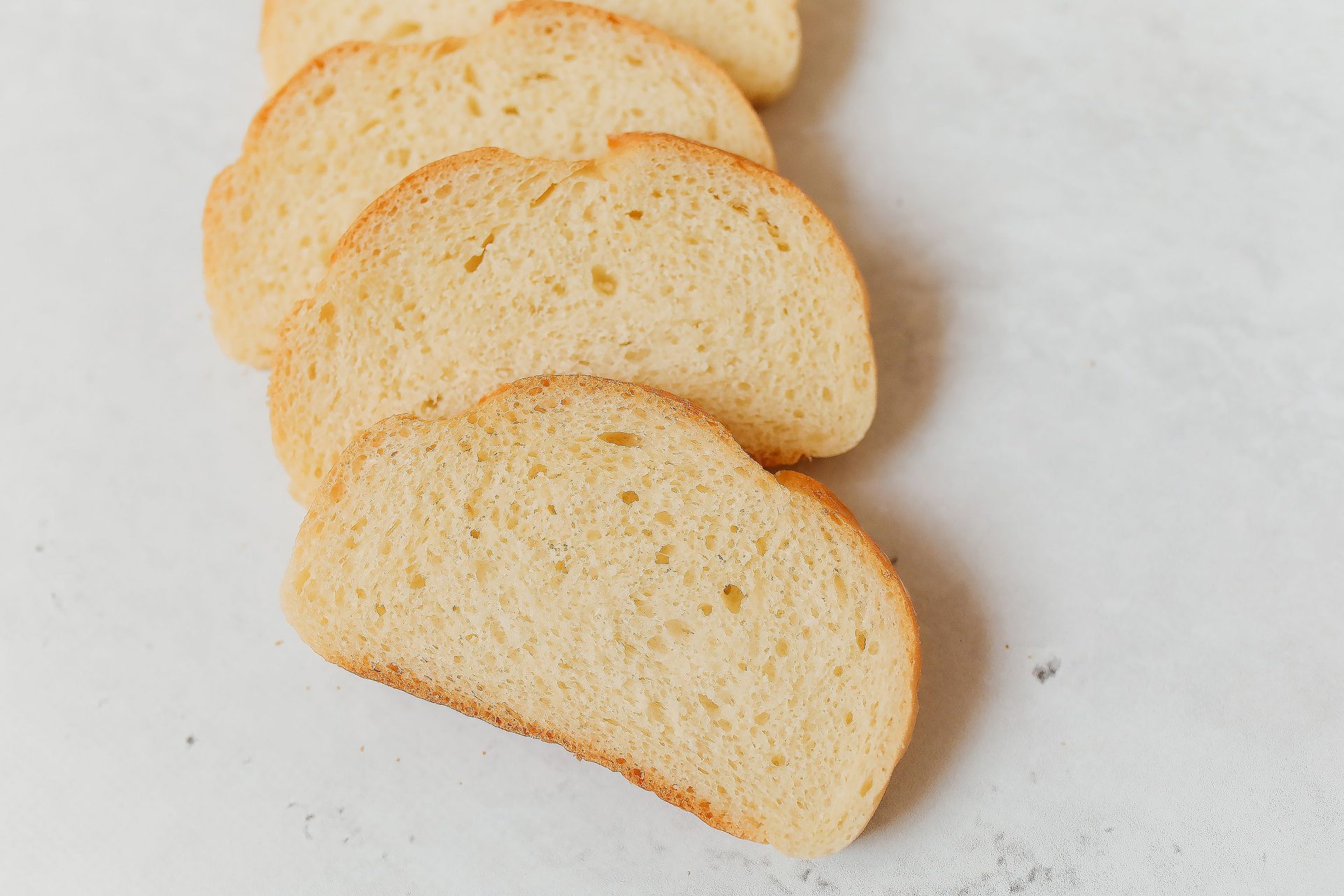
Freezing sliced bread is one of the easiest ways to cut food waste in your kitchen. Whether you bought a loaf on sale at your local grocery store, baked a fresh batch at home, or just can’t get through a whole loaf before it goes stale, the freezer is your best ally.
The good news: sliced bread freezes exceptionally well, and with the right technique, you can pull out a single slice whenever you need it without thawing the entire loaf. This guide walks you through everything — from how to wrap it properly, to how long it stays good, to what to do with it once it’s thawed.
Can You Freeze Sliced Bread?
Yes, you can absolutely freeze sliced bread. Because bread typically goes stale in a matter of days, the freezer is the best option to keep it fresh — it preserves bread at its prime. Freezing works for all common varieties, including white sandwich bread, whole wheat, sourdough, rye, and multigrain loaves.
Freezing slices individually means you can grab just what you need, whether it’s one slice or several, and pop them right in the toaster straight from the freezer. That convenience alone makes it worth doing.
One important rule: make sure the bread is as fresh as possible before putting it in the freezer — don’t let it get stale first, as the freezer dries it out even more. Freeze it the same day you buy or bake it for the best results.
Pro Tip: Store-bought sliced bread can go straight into the freezer in its original plastic bag. Just press out as much air as possible and seal it tightly before placing it in the freezer.
It’s also worth knowing that sliced bread dries out more quickly and is more prone to freezer burn than a whole unsliced loaf, so proper packaging matters more when you’re freezing individual slices. The sections below cover exactly how to do that.
Does Freezing Change the Texture or Taste of Sliced Bread?
Freezing does cause some changes to bread at a molecular level, but how noticeable those changes are depends largely on how you freeze and thaw it. Freezing bread can change texture because ice crystals form inside the crumb and shift moisture as the bread freezes and thaws. These changes are more noticeable when bread is defrosted on the counter instead of toasted.
Here’s the science in plain terms: those below-freezing temperatures cause the starch within bread to break down and become resistant starch — stopping the usual degradation process in its tracks. But that doesn’t mean your bread comes out ruined. When it’s time to reheat your bread, the warm temperatures will re-gelatinize the starch inside, causing those molecules to take on their original crystalline structure — returning the bread’s familiar fresh textures and wholesome taste.
Flavor can also shift slightly with long storage. The formation of ice crystals can cause the bread’s natural enzymes to break down, leading to a loss of flavor and aroma. The freezing process can also cause the bread’s starches to convert to sugars, which can give the bread a slightly sweeter taste. These changes are minor when bread is used within the recommended window.
Toasting frozen bread improves texture and taste significantly — it’s the single most effective way to recover that fresh-bread quality after freezing. If you plan to toast your bread anyway, you’ll barely notice any difference at all.
Heartier breads like sourdough, whole wheat, or rye tend to freeze better and retain their texture and flavor compared to softer or more delicate varieties. Delicate breads like croissants, Danish pastries, or breads with high water content may not freeze as well, as they can become soggy or develop off-flavors.
How to Freeze Sliced Bread the Right Way
Good packaging is everything when it comes to freezing sliced bread. Great freezing is 80% packaging and portioning. Air is the enemy — it causes freezer burn and dries out the crumb. Follow these steps to get it right every time.
- Start with fresh bread. Freeze bread at peak freshness for the best results. Stale bread won’t improve in the freezer.
- Separate the slices. If you put the whole loaf in the freezer, it becomes extremely difficult to break off a slice, as it all freezes together. To avoid this, quickly flip through each slice of bread to make sure they are separated before putting it in the freezer.
- Portion into groups. Divide slices into groups of two or four — or however many you may use at one time — so you don’t have to thaw the entire loaf. You could keep the slices grouped in reusable, individual bags or separate them with small squares of parchment paper.
- Double-wrap for protection. First layer: plastic wrap or a tight bread bag with the air pressed out. Second layer: a heavy-duty freezer bag or vacuum bag. This two-barrier method blocks out air and prevents ice crystals from forming on the surface.
- Label with the date. Before popping the bread into the freezer, add a label with the date. Dating each loaf helps you keep track of what to thaw and use first so you’ll always enjoy bread at its freshest. Following this first-in, first-out (FIFO) method is one of those freezer organization tips employed by restaurants and grocery stores.
- Store away from strong odors. Keep bread away from open onions, fish, or spicy items in your freezer, as bread absorbs surrounding smells easily.
Pro Tip: If you want the longest possible shelf life, vacuum sealing is the gold standard. Bread stays fresh for 1–3 months in a freezer zip-lock bag, or 6 months to 1 year if vacuum sealed.
How Long Can You Freeze Sliced Bread?
For most sliced bread, the sweet spot is within three months. Frozen bread can stay at its best for up to three months; thereafter, its flavor and consistency will start to decline. The bread remains safe to eat beyond that window, but the quality loss becomes more noticeable.
Enjoy your frozen bread within 3 months for peak quality. While it may be safe to eat beyond that, the texture and flavor might start to decline. If you vacuum seal your slices, you can push that window considerably further.
| Storage Method | Best Quality Window | Maximum Safe Storage |
|---|---|---|
| Original plastic bag (sealed) | Up to 1 month | 2–3 months |
| Freezer zip-lock bag (double-wrapped) | Up to 3 months | 3–6 months |
| Vacuum sealed | Up to 6 months | Up to 1 year |
One storage tip that surprises many people: refrigerating bread is one of the worst things you can do. While it might seem like a good way to extend shelf life, refrigeration actually accelerates staling. Skip the fridge entirely and go straight from the counter to the freezer if you won’t finish the loaf within a few days.
How to Thaw Frozen Sliced Bread
You have a few solid options for thawing frozen sliced bread, and the best method depends on how you plan to use it and how much time you have.
Toaster (Best Method for Slices): Slices should thaw in under 30 minutes at room temperature — or they can be popped directly into the toaster from the freezer. If you’re warming up one or two slices, skip the oven and pop them into the toaster. You may need to bump up the setting higher than usual, since the bread is starting ice cold, but it’s a quick, easy way to make toast for breakfast or sandwiches.
Room Temperature (Best for Soft Texture): Take the bread out of the package and wrap it in a clean kitchen towel. It will protect the bread from drying out and absorb any condensation from the bread as it thaws. If you leave it in the bag, the bread will sometimes get soggy from the condensation.
Microwave (Fastest in a Pinch): The microwave is best for defrosting a single slice or two, preferably if you plan on toasting them or using them for a grilled sandwich, as the microwave has a tendency to dry bread out. To thaw bread in the microwave, wrap each piece in a damp paper towel and microwave it for 30 seconds.
Oven (Best for Refreshing Texture): Preheat your oven to 325°F and place the frozen bread on a baking sheet. To prevent the crust from getting too hard, wrap whole loaves and rolls in foil before reheating. For individual slices, allow 5 to 10 minutes, depending on thickness.
Pro Tip: Be sure to begin the heating process as soon as the bread is removed from the freezer — the longer bread sits on your countertop, the greater the risk of staling.
Can You Refreeze Sliced Bread After Thawing?
Technically, yes — but it comes with trade-offs. You can safely refreeze breads, cookies, and similar bakery items, according to the University of Minnesota Extension. However, safety and quality are two different things.
Bread can be refrozen, but there will be a loss of quality, so it’s best avoided if you can. Bread does fine when frozen once, but it will be much worse if frozen more than once. Each freeze-thaw cycle pulls more moisture from the crumb, making the bread progressively drier and more prone to a stale or cardboard-like texture.
If you do need to refreeze, follow these guidelines:
- Bread can be refrozen if it still feels chilled with ice crystals present. Quality may dip a notch after each freeze-thaw cycle, so smaller portions are the better habit.
- If slices sat warm and damp on the counter for hours, skip refreezing and toast or crumb them instead.
- If you need to refreeze your bread, do it right away. To prevent staling, have it back in your freezer within one day, two at the absolute most.
- Double-wrap tightly with plastic wrap and a freezer bag to minimize further moisture loss.
The smartest way to avoid the refreezing dilemma altogether is to portion your bread into small groups before the initial freeze — that way, you only thaw exactly what you need each time.
How to Use Frozen Sliced Bread (Best Uses After Freezing)
Frozen and thawed sliced bread works beautifully in a wide range of everyday recipes. In many cases, the slightly denser texture that comes from freezing actually holds up better than fresh bread in cooked applications.
Toast and Sandwiches: This is the most obvious use, and it’s where frozen bread shines. Frozen slices of bread work best for those who typically toast the bread before eating it anyway — toasted sandwiches, avocado toast, toast with eggs, peanut butter toast. Just pop a slice out of the freezer and into the toaster to enjoy.
French Toast: Slightly drier, thawed bread actually absorbs the egg-and-milk custard better than fresh bread, making it ideal for French toast. Let slices thaw at room temperature, then use immediately.
Grilled Cheese: Thawing at room temperature is always preferred for the ideal texture, but for grilled cheese, you can go straight from the freezer to the skillet with a bit of extra cooking time.
Breadcrumbs and Croutons: Trimming or toasting can mask mild freezer damage; heavy freezer burn is better suited to breadcrumbs or croutons. Pulse thawed or lightly toasted slices in a food processor for homemade breadcrumbs, or cube and bake them with olive oil and seasoning for croutons.
Casseroles and Bread Pudding: Strata, egg casseroles, and bread pudding all call for bread that soaks up liquid well — thawed sliced bread fits perfectly. The firmer texture holds its shape without turning mushy.
For more ideas on how food choices can support your overall health, check out this guide to whole plant-based foods and how to incorporate more of them into your daily meals.
Signs That Frozen Sliced Bread Has Gone Bad
Frozen bread doesn’t spoil in the traditional sense while it stays frozen. Freezing stops the growth of spoilage microbes and molds, so bread held at a steady 0°F (-18°C) remains safe. That said, quality can still deteriorate — and in some cases, bread can develop problems after thawing.
Here’s what to watch for:
- Freezer burn: Freezer burn shows up as dry, gray-brown, leathery patches. It’s caused by air reaching the surface and pulling out moisture. It doesn’t make bread unsafe, but it leaves tough, flavor-faded spots that can ruin a sandwich.
- Off odors: Bread can lose moisture and pick up off aromas from the freezer over time. If your thawed bread smells like other frozen foods rather than bread, it’s past its prime.
- Mold after thawing: Freezing halts mold growth, but it doesn’t kill spores. If the loaf had hidden contamination before freezing, or if condensation wets the surface during thawing, mold can show up later. If you see mold after thawing, discard the entire loaf — bread is porous, and mold roots can spread beyond the visible spots.
- Stale or flat taste: Bread may taste flatter if stored too long. This isn’t a safety issue, but it’s a sign the bread is past its best-quality window.
- Dry, crumbly texture: A drier crumb, muted aroma, or leathery edges where air reached the surface are all signs of extended or improperly stored frozen bread.
Important Note: When in doubt, use the bread for breadcrumbs, croutons, or a cooked casserole where texture matters less — or discard it. Never consume bread that shows visible mold growth.
If you’re interested in other foods that can support your body’s natural defenses, take a look at these foods that can help enhance liver function or explore superfoods for a healthy heart.
Frequently Asked Questions
Can you freeze store-bought sliced bread in its original packaging?
Yes. The original plastic bag works fine for short-term storage of up to one month. For longer storage, transfer the bread to a heavy-duty freezer bag or add a second layer of wrapping to protect against freezer burn.
Do you need to thaw frozen sliced bread before toasting it?
No. When you take it out of the freezer, you can toast it right away — there’s no need to thaw first. Just set your toaster slightly higher than usual to account for the frozen starting temperature.
How long does sliced bread last at room temperature before you should freeze it?
Even freshly baked bread (which lacks the added preservatives of store-bought loaves) can stay delicious for up to six days when stored correctly. Store-bought sliced bread with preservatives typically lasts 5–7 days on the counter. Freeze it before it begins to stale for the best results.
Can you freeze homemade sliced bread the same way?
Yes. Homemade bread can be frozen just like store-bought loaves. The main difference is that homemade bread has no preservatives, so it benefits even more from freezing. Let it cool completely before slicing and wrapping to prevent trapped steam from creating ice crystals.
Is it better to freeze bread as a whole loaf or pre-sliced?
Both work, but pre-sliced is more convenient for daily use. Freezing sliced bread is a great way to keep the loaf fresh without thawing out more than necessary. A whole unsliced loaf is slightly less prone to freezer burn, but you’ll need to thaw the entire thing at once.
Does freezing bread affect its nutritional value?
Minimally. Freezing bread doesn’t make it lose nutrients, but it can change how people taste it after storing it in the freezer for a long time. Whole grains retain nutrients after freezing, making whole wheat and multigrain varieties a smart choice for freezer storage. For more on nutrient-dense food choices, see this guide to powerful nutrients and foods that fight cancer.
What’s the best way to prevent freezer burn on sliced bread?
Use the double-wrap method to block out air and reduce the risk of ice crystals forming. “Space allows moisture to get in, which will allow frozen crystals to form and begin to dry out the bread.” Press out all excess air before sealing, and consider using a vacuum sealer for slices you plan to store longer than a month.