
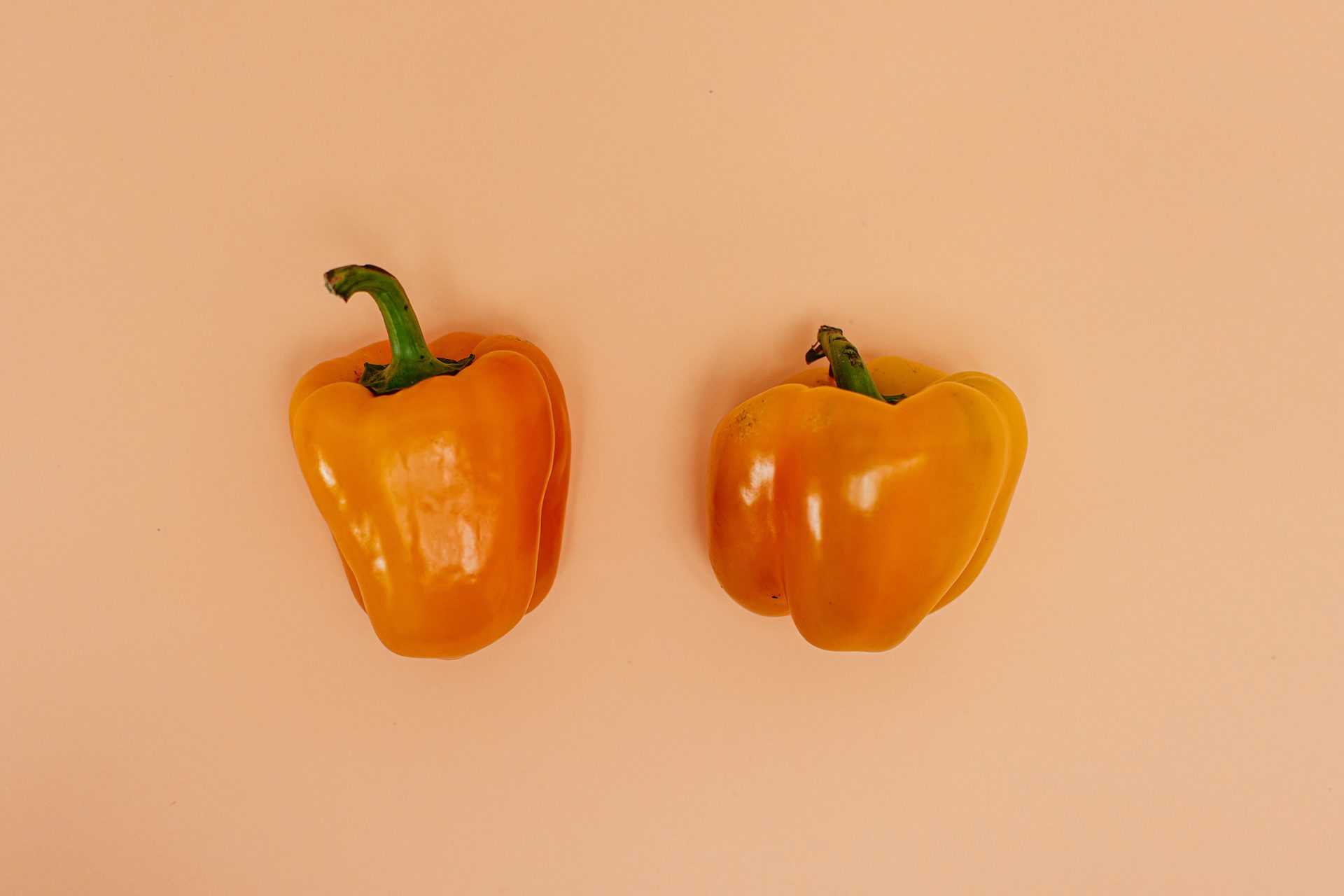
Bell peppers are one of those vegetables that always seem to pile up faster than you can use them — whether you grabbed an extra bag at the store, scored a deal at a summer farmers market, or harvested more than expected from your backyard garden. The good news is that the freezer is your friend here.
Yes, you can freeze bell peppers, and the process is easier than you might think. Unlike many other vegetables, bell peppers do not require blanching before they go into the freezer, which saves you a significant amount of prep time. This guide walks you through everything: how to freeze them correctly, how long they last, what happens to their texture, and the best ways to use them once they come out of the freezer.
Can You Freeze Bell Peppers?
Bell peppers are one of the vegetables you can quickly freeze raw without blanching first. That makes them one of the most freezer-friendly vegetables in the produce aisle. Red, yellow, orange, and green bell peppers all freeze well using the same method.
Bell peppers are one of the few vegetables that freeze well without blanching. Their cell structure holds up reasonably well, and the flavor is preserved. You can freeze them sliced, diced, in strips, or even whole — though each method works better for different uses, which we cover in detail below.
The USDA states that freezing fresh produce does not destroy nutrients, so rest assured your frozen peppers will still be high in vitamin C. That means freezing is not just a convenient option — it is also a nutritionally smart one. If you want to learn more about the benefits of keeping whole plant-based foods in your diet, bell peppers are a great place to start.
Pro Tip: Only freeze bell peppers that are firm, fresh, and free from soft spots. The better the quality going in, the better the results coming out of the freezer.
Does Freezing Change the Texture or Taste of Bell Peppers?
Texture is where freezing has the most noticeable effect on bell peppers. Freezing peppers causes them to lose their crisp texture. While fresh bell peppers are crunchy, frozen ones are not. Take this into consideration when you plan to use your frozen peppers.
While frozen peppers do lose some of their crisp texture after thawing, they keep their bright color and fresh pepper flavor. This makes them perfect for adding to cooked dishes like soups, casseroles, stir-fries, fajitas, omelets, and sauces.
Flavor holds up well in most cases, but time matters. Long-term freezing can lead to some flavor changes. Eventually, that funky freezer flavor will find its way to your bell peppers, even when using proper freezer bags. So, don’t forget they’re in the freezer and use them as soon as you can.
Peppers lose their crispy crunch after being frozen, so they work best in cooked recipes. Despite the texture change, they still pack a peppery punch. Add thawed peppers to soups, sauces, salsas, casseroles, and other bell pepper recipes.
How to Freeze Bell Peppers the Right Way
The method you use depends on how you plan to use the peppers later. Here are the two main approaches: sliced or diced (the most versatile option), and whole (best for stuffed pepper recipes).
Method 1: Freeze Sliced or Diced Bell Peppers
This is the most practical approach for everyday cooking. Bell peppers can be frozen in three easy steps: first, wash and slice the peppers in the desired way, either in long strips or diced. Next, par-freeze the bell peppers for an hour, spread on a parchment-lined baking sheet. Last, transfer to a freezer bag and store until you’re ready to use.
- Wash and dry thoroughly. Rinse your bell peppers well and pat them completely dry with a towel. Moisture is the enemy of good freezer storage — wet peppers will clump and form icy crystals later.
- Remove stems and seeds. Cut out stems and cut peppers in half. Remove seeds and membrane. Save time by using a melon baller or the tip of a spoon to scrape out seeds and membrane.
- Cut into your preferred shape. The longer strips are good for fajitas and stir-fries; the diced pieces are better for omelets. Cut based on how you plan to cook with them later.
- Flash freeze on a baking sheet. Freeze peppers in a single layer on a clean cookie sheet with sides, about an hour or longer until frozen. This method is referred to as “tray freezing.”
- Transfer to freezer bags. Transfer to a freezer bag when frozen, excluding as much air as possible from the bag. The peppers will remain separated for ease of use in measuring out for recipes.
Pro Tip: Skip the flash-freeze step only if you plan to use the peppers all at once — otherwise, they will stick together in one big clump and become difficult to portion out later.
Method 2: Freeze Whole Bell Peppers
Freezing whole bell peppers is a practical option when you plan to make stuffed peppers down the road. If you want to freeze bell peppers for stuffed peppers, you should freeze them whole. To do this, trim off the tops of each pepper and remove the seeds. Place the whole peppers on a baking sheet, flash freeze for an hour or until frozen solid, and transfer to freezer bags.
Keep in mind that if you freeze them whole, you would need to thaw them to chop and use them. This will turn them to mush. So whole freezing works specifically when the pepper shape matters — like for stuffed peppers — not for general cooking use where you need pieces.
A Note on Blanching
It is not necessary to blanch peppers before freezing them. Blanching will reduce the flavor and color, therefore it’s best to skip the blanching method altogether. That said, most people prefer to freeze peppers raw because they retain their texture, flavor, and nutritional value quite well without the need for blanching. However, blanching is still an option if you want to take an extra step to retain the bright color in bell peppers.
How Long Can You Freeze Bell Peppers?
Storage time depends on how well you package the peppers and how consistently cold your freezer stays. Keep the temperature of the freezer at 0 degrees Fahrenheit or below.
| Storage Method | Recommended Quality Window | Maximum Safe Duration |
|---|---|---|
| Sliced or diced, airtight freezer bag | 3–6 months (best flavor) | Up to 12 months |
| Whole peppers, airtight freezer bag | 3–6 months (best texture) | Up to 12 months |
| Poorly sealed or thin bags | 1–2 months | Risk of freezer burn |
Bell peppers can be frozen for 8–12 months when packaged properly. The key is removing as much air as possible and using freezer-safe containers or bags.
Bell peppers can last in the freezer for up to six months. However, using them within three months is recommended. They will taste fresher and have a better texture if used sooner rather than later. Always label your bags with the date so you know exactly what you are working with. Keeping your freezer stocked with nutrient-rich vegetables like bell peppers is one of the simplest ways to support a healthy diet year-round.
How to Thaw Frozen Bell Peppers
Here is the most important piece of advice when it comes to thawing: in most cases, you should skip thawing entirely. Probably the most important tip is that you don’t thaw peppers when you want to use them — you just cook them straight from frozen. If you thaw peppers overnight in the fridge or on the counter, they will be a wet, mushy mess. Peppers are quick-cooking and can be added frozen to a skillet or right on a pizza.
If you do need to thaw them — for example, when making stuffed peppers — you do not need to thaw frozen whole peppers if you are using them to make stuffed peppers. You can fill and bake them directly from frozen, adding a few extra minutes to your cook time.
When thawing is necessary for other recipes, place the peppers in a bowl in the refrigerator overnight. Avoid thawing on the counter at room temperature, as this pushes the peppers into the bacterial danger zone. Once thawed, use them promptly and do not let them sit in the refrigerator for more than a day or two.
Pro Tip: If your recipe calls for sautéed peppers, toss them straight from the freezer into a hot skillet over medium-high heat. The moisture evaporates quickly and you get a better result than if you had thawed them first.
Can You Refreeze Bell Peppers After Thawing?
Technically, refreezing bell peppers is possible under the right conditions, but it comes with trade-offs in both quality and safety. According to the University of Minnesota Extension , to safely refreeze, the thawed product must have been kept cold at 40 degrees Fahrenheit or below for no more than 3–4 days. Put the food in the coldest part of the freezer, mark it with the date, and use it within 2 to 3 months.
Many vegetables are safe to refreeze. However, they lose much of their texture, flavor, and appearance even if ice crystals are present in the package. You may want to cook the thawed vegetables and eat them right away, or add to soup or stew and freeze the soup to eat later.
If food is completely thawed, warmed to room temperature, or left out of the refrigerator for more than 2 hours, throw the food out for safety’s sake. The safest and most practical approach is to portion bell peppers into meal-sized amounts before freezing so you only pull out what you need each time.
How to Use Frozen Bell Peppers (Best Uses After Freezing)
Frozen bell peppers work in any recipe where the peppers will be cooked. Frozen peppers should be added to hot dishes instead of recipes that use them raw. This is because they can get mushy when they thaw. To prevent soggy dishes, only use frozen peppers in hot recipes like soups, stir-fries, casseroles, and sautéed vegetables.
Here are some of the best ways to use frozen bell peppers in everyday American cooking:
- Fajitas and tacos: Add a big handful of frozen pepper slices and onions (fresh or frozen) to a skillet for chicken fajitas or ground beef fajita tacos.
- Stir-fries: Drop frozen strips directly into a hot wok or skillet with your protein and sauce of choice.
- Pizza: Frozen bell pepper slices work great on homemade pizza. No thawing required — they cook right on top.
- Soups and chili: Use the frozen peppers to make stir-fries and quick fajitas, or dice them into smaller pieces while still frozen and add to soups and chilis.
- Omelets and scrambled eggs: Toss a small handful directly into a pan with your eggs for a quick, nutrient-packed breakfast.
- Stuffed peppers: If you froze whole peppers, fill them with a rice and meat mixture and bake straight from the freezer.
- Pasta sauces and casseroles: Frozen bell peppers have a softer texture once they’re thawed, so it’s best to use them in hot dishes. They work well in the bases of soups, chili, rice dishes, spaghetti sauce, and stir-fries.
Bell peppers are also a smart addition to health-focused meals. They pair well with foods that promote healthy skin and complement a wide range of anti-inflammatory eating plans. Their vitamin C content remains intact through freezing, making them a reliable nutritional staple in your freezer.
Signs That Frozen Bell Peppers Have Gone Bad
Frozen bell peppers do not last forever, and knowing when to toss them saves you from a disappointing meal. Here is what to look for before you cook with them:
- Heavy freezer burn: Large ice crystals may indicate freezer burn, which can affect the texture and flavor of the food but does not necessarily make it unsafe to eat. However, excessive freezer burn can make the food unpalatable. Small patches are fine; large dry, discolored areas mean the quality has deteriorated significantly.
- Off smell: Once thawed, give the peppers a sniff. A sour or unpleasant odor is a clear sign they have spoiled and should be discarded.
- Slimy or unusual texture: Touch the food to assess its texture. A slimy or sticky texture is a sign of spoilage. This is different from the normal softness that comes with thawing.
- Significant discoloration: Some color fading is normal after many months in the freezer, but brown or gray patches that were not there before are a red flag.
- Past the 12-month mark: Using frozen bell peppers within a year is best. They are still edible past a year, but they will get frosty and possibly freezer-burned over time.
Important Note: Always label your freezer bags with the date you froze the peppers. Without a date, it is easy to forget how long they have been stored, and guessing is never a reliable food safety strategy.
If you are ever unsure whether a frozen vegetable is still good, it is safer to discard it than risk a foodborne illness. This applies especially to low-acid vegetables like bell peppers, which may spoil without having a distinct odor. If refrozen and cooked, they could be dangerous. Do not try to save these foods.
For more guidance on eating well and making smart food choices, check out this resource on powerful nutrients and foods that support your overall health, or explore foods that can help enhance your liver function.
Frequently Asked Questions
Do you need to blanch bell peppers before freezing?
Unlike other vegetables, you don’t need to blanch the peppers first. They freeze wonderfully when they’re raw. Blanching is optional and mainly helps preserve color, but most home cooks skip it without any noticeable downside.
Can you freeze bell peppers without cutting them?
Yes, but with an important caveat. You can also freeze whole peppers — just remove seeds and membranes before freezing. Whole frozen peppers work well for stuffed pepper recipes but are not practical for general cooking use since thawing makes them too soft to chop cleanly.
How do you keep frozen bell peppers from sticking together?
Partially freezing the peppers while they’re separated from each other will prevent you from ending up with a giant frozen clump of frozen peppers all stuck to each other and hard to cook with. The flash-freeze step on a baking sheet is what makes this possible.
Can you freeze cooked bell peppers?
Yes. Bell peppers that have already been cooked — sautéed, roasted, or stir-fried — can be frozen in an airtight container. They will be softer than raw frozen peppers once reheated, but they work well in soups, casseroles, and pasta sauces. Cool them completely before freezing to avoid condensation and ice crystals.
Can you freeze other types of peppers the same way?
These freezing methods can be applied to many other types of peppers beyond the sweet bell pepper, such as poblano peppers, cubanelle peppers, jalapeños, and many other hot pepper varieties. The same prep and flash-freeze steps apply across the board.
Are frozen bell peppers as nutritious as fresh ones?
The USDA states that freezing fresh produce does not destroy nutrients, so rest assured your frozen peppers will still be high in vitamin C. Freezing locks in the nutritional profile at the time of harvest, making frozen peppers a solid choice when fresh ones are out of season or more expensive. You can read more about foods that promote healthy eyesight — bell peppers, rich in vitamin A and C, make that list too.
How long do thawed bell peppers last in the refrigerator?
Once thawed in the refrigerator, use bell peppers within one to two days for best quality. Do not leave them sitting at room temperature, and do not refreeze them unless they have been kept below 40°F the entire time. To safely refreeze, the thawed product must have been kept cold at 40 degrees Fahrenheit or below for no more than 3–4 days.