
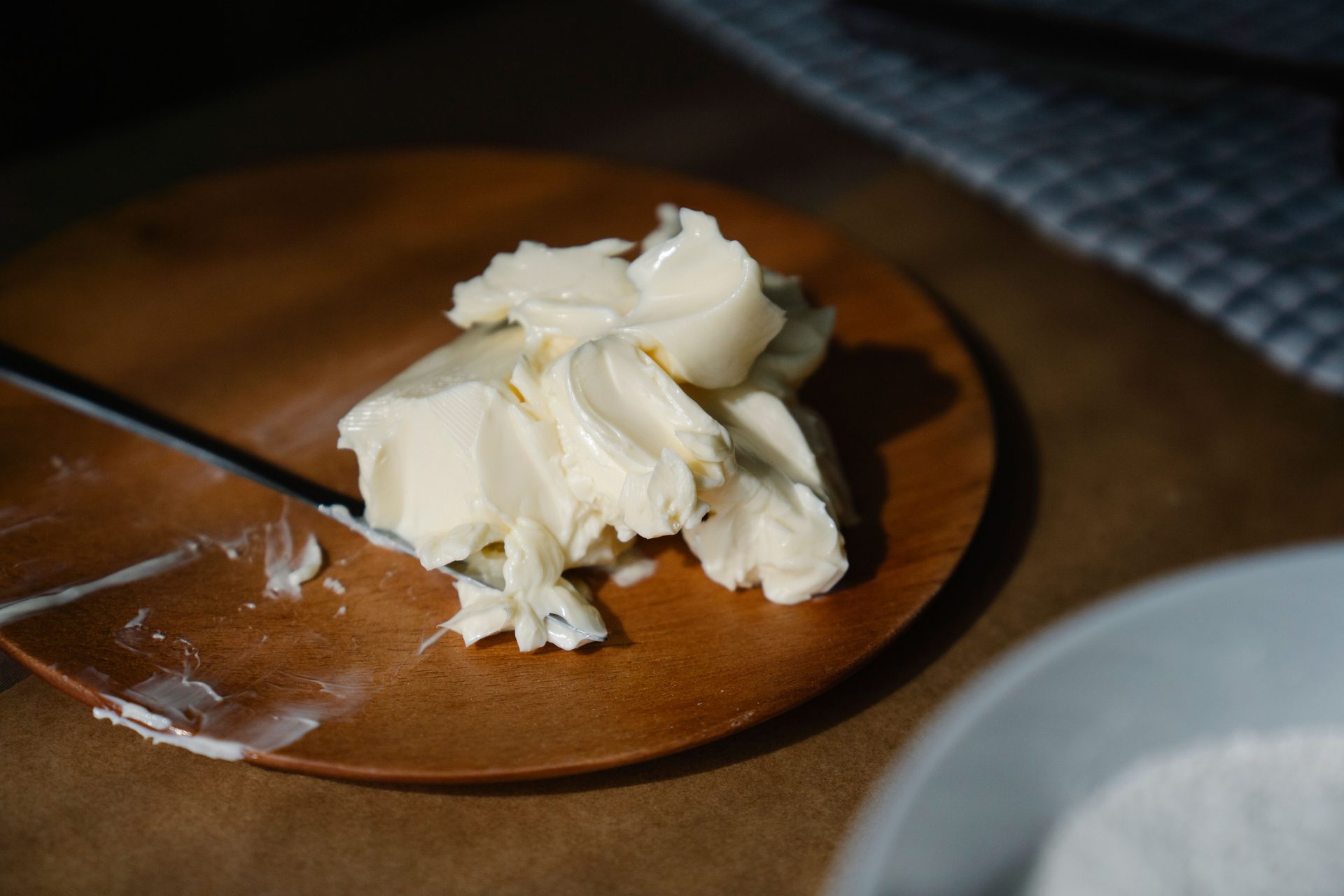
Margarine is one of those pantry staples that American home cooks reach for constantly — for buttering toast, sautéing vegetables, or baking a batch of cookies. But if you’ve ever stocked up during a sale or found yourself with more margarine than you can use before it turns, you’ve probably wondered whether the freezer is a viable option.
The short answer is yes — you can freeze margarine effectively. Whether you have stick margarine or tub margarine, the freezer can extend its usable life well beyond what the fridge alone can offer. This guide walks you through everything you need to know, from how freezing affects quality to the safest way to thaw and use it.
Can You Freeze Margarine?
Margarine can be frozen with great results, and it is very easy to freeze. Margarine contains around 80% vegetable oil, meaning it freezes efficiently and easily. That high fat content is what makes it so freezer-friendly compared to other spreads.
That said, not all margarine is created equal when it comes to freezing. Place stick margarine in a resealable freezer bag, freeze before the expiration date on the package, and store frozen for up to six months. For tub margarine, Land O’Lakes does not recommend freezing, as it may affect the quality of the product.
Whipped margarine is generally not recommended for freezing. The aeration process can cause it to separate and become unusable after thawing. Stick to standard stick or tub varieties for the best freezer results.
Pro Tip: If you regularly bake with margarine, freeze stick margarine in bulk when it goes on sale. Sticks hold up better in the freezer than tubs and require less prep work before freezing.
Does Freezing Change the Texture or Taste of Margarine?
Freezing does affect margarine to some degree, though the changes are minor for most cooking and baking applications. When you freeze margarine, it becomes hard and loses its smooth texture. When it is thawed, it may separate and become grainy.
The reason comes down to what margarine is made of. Unlike butter, which contains milk solids that stabilize during freezing, margarine relies on emulsifiers like lecithin to maintain its structure. When frozen, these emulsifiers can weaken, especially in lower-quality brands with fewer stabilizers.
On the flavor side, the news is generally good. The freezing process also affects flavor differently than with butter. Margarine’s plant oils don’t develop rancidity as quickly as dairy fats, but they can absorb freezer odors more readily. Double-wrapping your margarine before freezing prevents this from becoming a problem.
You can freeze margarine, and the texture can change a little bit with freezing, but as it’s usually used for baking this shouldn’t be too much of a problem. For spreading on toast, however, you may notice a slightly grainier feel after thawing.
How to Freeze Margarine the Right Way
The method you use depends on whether you’re freezing stick or tub margarine. Both work, but they require slightly different approaches to protect quality.
Freezing Stick Margarine
- Keep the original wrapper. Leave each stick in the original wax paper wrapper — it’s already food-safe and grease-resistant. Place the wrapped sticks in a heavy-duty freezer bag, push out the air, seal it, and write the date on the outside.
- Store at the back of the freezer. Store flat at the back of the freezer — the most stable temperature is there, furthest from the door.
- Freeze before the use-by date. Margarine will last for six to eight months in the freezer providing it was frozen before its use-by date and it is well wrapped or sealed to prevent freezer burn.
Freezing Tub Margarine
- Transfer out of the original tub. Remove the margarine from the plastic tub it came in. These are often not suitable for use in the freezer and could break and become damaged, leaving you with bits of plastic in your margarine.
- Press cling film onto the surface. Press cling film directly onto the surface of the margarine before closing the lid. This eliminates the air gap above the fat. Then place the whole tub in a freezer bag.
- Portion it out if possible. You can also cut up the margarine into smaller blocks and place each in a sealable plastic freezer bag. This way you can take out small bits at a time for baking or cooking without having to defrost a whole block.
- Label with the date. Always label anything going into the freezer — this means you’ll be able to see what it is with ease, and adding a date means you’ll know when it needs to be consumed by.
Pro Tip: For an even more convenient option, grate stick margarine before freezing and flash-freeze the shreds on a baking sheet. Once frozen, place the grated margarine into a sealable freezer bag. Flash freezing beforehand means that the grated margarine will not stick together, and you can grab a handful whenever you need to without having to defrost the whole lot. Grating the margarine also allows it to thaw quicker.
How Long Can You Freeze Margarine?
Freezer life varies depending on the form of margarine you’re storing. Here’s a quick reference based on storage type:
| Margarine Type | Freezer Life | Notes |
|---|---|---|
| Stick margarine (unopened) | Up to 12 months | Best quality within 6 months |
| Tub margarine | 3–6 months | Minor texture change after thawing |
| Whipped margarine | Not recommended | Separation likely after thawing |
| Partially used margarine | Up to 3 months | Wrap tightly; use promptly after thawing |
The USDA recommends 0°F for frozen food storage and confirms that at this temperature, frozen food remains safe indefinitely — the 12-month window is about quality, not safety. That means your margarine won’t become unsafe after 12 months, but the flavor and texture will start to decline.
Margarine’s shelf life in the freezer generally ranges between 3 to 6 months without significant loss of quality. After this period, off-flavors may develop due to fat oxidation, despite freezing slowing down this process considerably. Aim to use frozen margarine within this window for the best results.
How to Thaw Frozen Margarine
How you thaw margarine matters almost as much as how you freeze it. Rushing the process can cause texture problems that make the margarine harder to use.
Thawing margarine is a crucial step in using it after being frozen, as it can affect the taste and texture of the final dish. The best practice for thawing margarine is to transfer it from the freezer and put it in the refrigerator, allowing it to defrost slowly. Plan for at least 8 hours of fridge thawing — overnight works best.
If you need it faster, you can thaw margarine by placing it in a bowl and allowing it to sit at room temperature. The margarine will need to defrost for around 4 hours.
Margarine can also be thawed in the microwave, but this method requires caution and close monitoring to avoid melting the margarine. Use the defrost setting in short 10–15 second bursts, checking frequently.
After thawing overnight in the fridge, the emulsion may have partially separated — water and fat coming apart. Stir it back together. It performs normally in everything cooked or baked.
Pro Tip: If you froze your margarine in grated form, you can skip thawing entirely for baking. Frozen margarine can be used just like fresh margarine in most baking recipes. For best results, grate or cut the frozen margarine into small pieces before mixing it into your batter for even distribution.
Can You Refreeze Margarine After Thawing?
Refreezing margarine is not a practice most food storage experts recommend. Refreezing margarine after it has thawed is not recommended, as this can compromise the quality and freshness of the product.
The general rule of thumb for all foods is that no item should be frozen twice. Freezing food twice means there is a risk of bacteria growing, which could cause the food to spoil. For this reason, it is best to freeze the margarine in smaller blocks cut from the larger stick and freeze them separately.
The best way to avoid needing to refreeze is to portion your margarine before the first freeze. Freeze in amounts you’ll actually use in one go — whether that’s a single tablespoon for sautéing or a full stick for baking. This approach keeps waste low and quality high. For more food storage strategies, check out this guide on whole plant-based foods and how to keep them fresh longer.
How to Use Frozen Margarine (Best Uses After Freezing)
Once thawed, frozen margarine can be used just like fresh margarine. It’s suitable for spreading, cooking, and baking. That said, some uses are better suited to previously frozen margarine than others.
Best Uses for Thawed Margarine
- Baking: Cookies, cakes, muffins, and quick breads are all excellent uses. Any minor texture changes in the margarine become invisible once it’s baked into a recipe. Stick margarine made from vegetable oil can be used just like butter in most types of baking. Margarine is soft right from the refrigerator, so you don’t need to bring it to room temperature before using it in a recipe. Like butter, margarine will produce high-quality baking results.
- Sautéing and pan-frying: Thawed margarine melts cleanly in a hot pan and works well for cooking eggs, vegetables, or proteins.
- Sauces and gravies: One of the popular ways to use frozen margarine is to make gravy. You can thaw it by placing it in a bowl, allowing it to soften, and then blending or stirring until smooth and creamy, adding different spices and seasonings as needed.
- Toast and sandwiches: After full thawing, margarine spreads well enough for everyday use on bread, though the texture may be slightly softer than fresh.
Uses to Approach with Caution
- Delicate pastry recipes: While frozen margarine can be used for some baking applications, it’s best to use fresh margarine for delicate recipes where texture is crucial. Think pie crusts, croissants, or laminated doughs.
- Candy and boiled sugar recipes: Land O’Lakes does not recommend using margarine for pastry recipes or candy made from a boiled syrup. This applies to fresh margarine as well, so frozen margarine is doubly unsuitable here.
Margarine is a popular ingredient in many heart-conscious American kitchens. If you’re interested in how fats and spreads fit into a healthy diet, take a look at this overview of superfoods for a healthy heart or learn more about foods that can help enhance your liver function.
Signs That Frozen Margarine Has Gone Bad
Even in the freezer, margarine can eventually degrade. Knowing what to look for saves you from using spoiled margarine in a recipe — or worse, eating it.
What actually finishes margarine isn’t bacteria — it’s rancidity. When the vegetable oils oxidize, they produce aldehydes and ketones, compounds with an unmistakable sharp, waxy, crayon smell. Your nose is your most reliable tool here.
Here are the key signs to check before using frozen margarine:
- Rancid or paint-like smell: A margarine that gives off an off, paint-like, or chemical smell has turned rancid. While eating rancid margarine won’t necessarily make you sick, it’s definitely not advisable.
- Discoloration: Margarine that has spoiled will be discolored, being light on the inside and darker on the outside, which you will notice when you cut the margarine in half. The surface becoming darker is a classic sign of oxidation. If the layer of yellowness is paper-thin, you can scrape it off, but if it’s much thicker, it’s better to get rid of the container or tub.
- Visible mold: While mold isn’t a typical sign of spoilage for fats, you know that margarine is no good if you notice any.
- Soapy or chemical taste: If the spread looks and smells okay, it’s time for a flavor test. If the flavor reminds you of soap or old paint, that margarine is rancid. Get rid of it.
- Watery separation that won’t recombine: Also check for widespread yellowing beyond the cut edges, visible mold, or a watery layer that won’t stir back together. That last one in isolation — without the smell — is usually just freeze-thaw separation, not spoilage.
Important Note: The FDA’s safe food handling guidance is explicit that product dates are quality indicators set by manufacturers — not safety deadlines. Margarine stored correctly often remains good a month or more past the printed date. Always rely on smell and appearance rather than the date stamp alone.
Margarine’s plant-based composition means it behaves differently from dairy products when it comes to spoilage. If you’re curious about how different foods affect your health, the articles on foods that promote healthy eyesight and powerful nutrients and foods that fight cancer are worth a read.
Frequently Asked Questions
Can You Freeze Stick Margarine in Its Original Wrapper?
Yes. Leave each stick in the original wax paper wrapper — it’s already food-safe and grease-resistant. Just place the wrapped sticks inside a heavy-duty freezer bag for an extra layer of odor protection before sealing and dating.
Can You Freeze Margarine That Has Already Been Opened?
Yes, you can freeze partially used margarine. Just ensure it’s tightly wrapped and stored in a freezer-safe container. The key is minimizing air contact before it goes into the freezer.
Does Salted Margarine Freeze Better Than Unsalted?
Salted margarines generally freeze better because salt acts as a preservative and stabilizer. Unsalted varieties may experience more textural changes but remain safe to consume after freezing when stored correctly.
How Long Does Margarine Last in the Fridge After Thawing?
If margarine has been kept in the freezer and defrosted, it can be kept for up to 3 months in the fridge. Keep it sealed tightly and away from strong-smelling foods like garlic and onions, since margarine absorbs fridge odors easily and should be stored away from garlic, onion, or anything with a strong smell.
Can You Use Frozen Margarine Directly Without Thawing?
In some baking recipes, yes. Some recipes even call for frozen margarine to be used. A good way to do this is to grate the frozen margarine into small pieces to mix in with the rest of the ingredients. For spreading or stovetop cooking, full thawing is necessary.
Is Margarine a Healthy Fat to Keep in the Kitchen?
Margarine has a much lower saturated fat content than butter and therefore contains no cholesterol. Whether it fits your diet depends on the brand and your health goals. If you’re evaluating the role of fats and plant-based ingredients in your meals, the guide to whole plant-based foods and the article on foods for healthy skin offer helpful context. You might also find the overview of cancer-causing foods to avoid useful when evaluating processed spreads.
What Margarine Brands Freeze Best?
Premium margarines with higher oil content, like Earth Balance, freeze more successfully than budget varieties, maintaining their spreadability for up to 6 months when properly stored. For stick margarine specifically, brands like Land O’Lakes are designed to freeze well in their original packaging. Different margarine brands will have different instructions and information regarding freezing, so it’s important to take note of these to ensure you’re freezing them in the best way possible to retain their quality and flavor.