
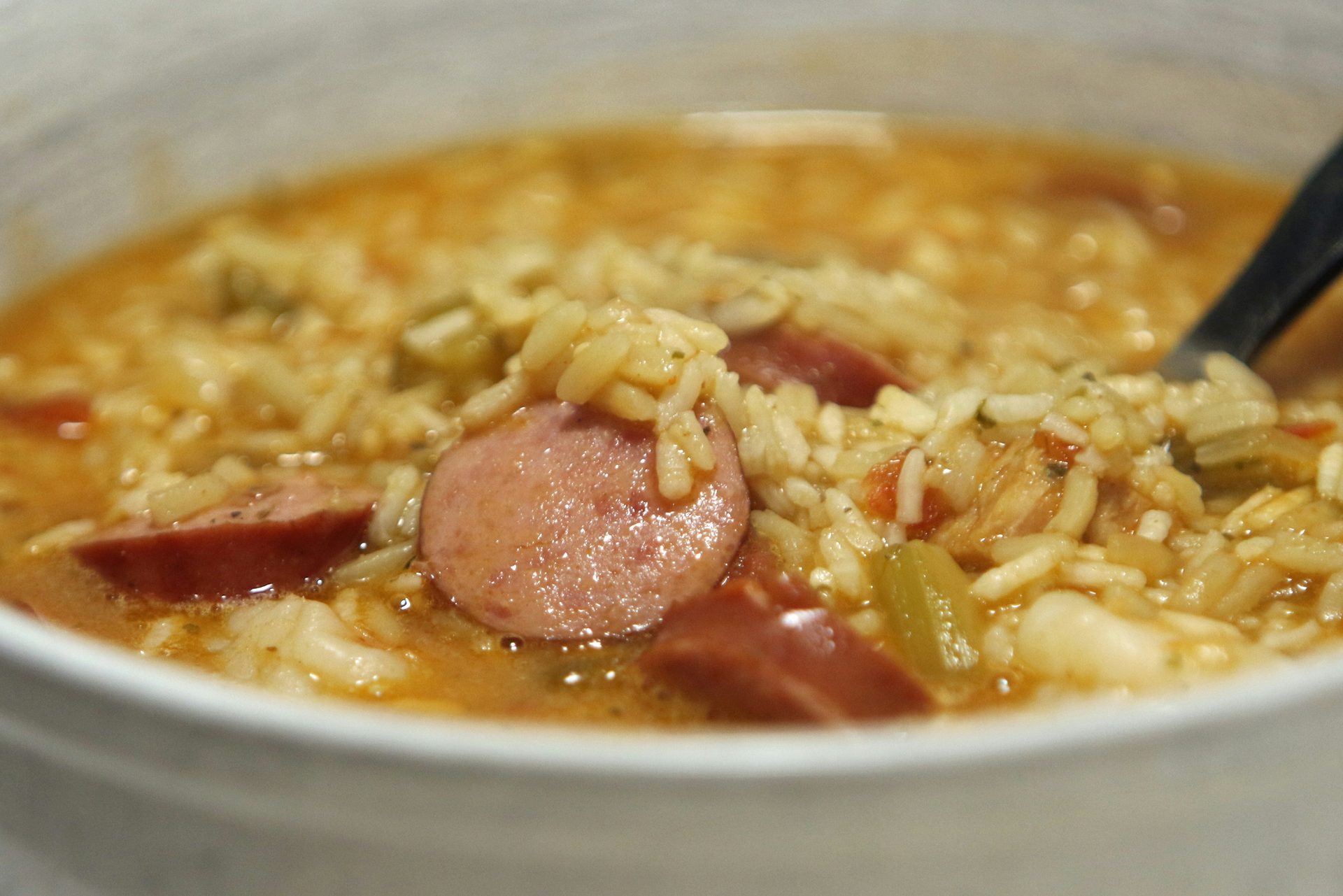
Gumbo is one of those dishes that takes real effort — a dark roux stirred with patience, the holy trinity of onion, celery, and bell pepper, and a long simmer to bring everything together. So when you’ve made a big pot, the last thing you want is for it to go to waste.
The good news: whether you have leftovers or decide to make an extra batch, you can freeze gumbo to enjoy later. Since the roux has incorporated itself into the liquid, this stew freezes into a cohesive liquid — and because there are no starchy ingredients like pasta or potatoes, it keeps its taste and texture intact once you thaw it.
That said, a few ingredients — namely shrimp, rice, and eggs — need special handling before they go into the freezer. This guide walks you through everything: what changes after freezing, how to pack it correctly, how long it lasts, and how to tell when it has gone bad.
Can You Freeze Gumbo?
Yes, you can freeze gumbo for 3 to 6 months, depending on whether it contains seafood. The roux-based broth holds up well to freezing, making gumbo a better candidate for the freezer than many other cooked dishes.
Once frozen and reheated, gumbo will not taste exactly as it did when freshly prepared. However, it is still a great way to save a large batch, and it will taste good once the time comes to eat it.
The main variables that affect how well your gumbo freezes are the proteins you used and whether rice is mixed in. Two ingredients that are tricky to freeze are rice and shrimp, both of which are common in gumbo. Rice can become mushy and unpleasant once reheated, and there are ways to prevent this. Shrimp tends to turn soft or become rubbery, and while reheating will change its texture, following the right steps can reduce that change.
Pro Tip: Always freeze your gumbo and rice in separate containers. Mixing them before freezing results in a soggy, broken-down texture when reheated.
Does Freezing Change the Texture or Taste of Gumbo?
For the base of the dish — the roux, broth, vegetables, and sausage — the changes are minimal when you freeze and thaw properly. Chicken and andouille hold up well. The broth may thicken slightly in the freezer, but that is easy to fix.
Depending on what type of gumbo you have, you might end up with a slightly softer version when you defrost it. Softer vegetables like potatoes and leeks can turn quite mushy, especially if cut into small pieces. The flour in the gumbo may also make it thicker when defrosted, so you may need to add more liquid while reheating — water, stock, or cream all work.
Shrimp tends to turn soft or become rubbery when frozen. Reheating it will change the texture, but following the right steps can help reduce that change. It is still perfectly fine to freeze gumbo with shrimp, especially if you have a large amount left over that you do not want to go to waste.
If practical, remove hard-boiled eggs from the gumbo before freezing. Eggs can go rubbery when frozen and defrosted, so depending on how many you added, you may want to make fresh ones when you reheat the gumbo.
One texture concern that trips up first-time gumbo makers: if your recipe includes okra, its naturally slimy texture when cooked can be confused for spoilage — but that sliminess is normal and does not mean the gumbo has gone bad.
How to Freeze Gumbo the Right Way
Getting the process right from the start protects the flavor and prevents freezer burn. Follow these steps before anything goes into the freezer.
- Cool it down first. The gumbo needs to cool to room temperature before going into the freezer. This prevents condensation inside the container and stops the hot gumbo from raising the temperature in the freezer, which could lead to bacteria growth. Do not leave it out for more than two hours.
- Separate the rice. You can freeze gumbo with rice, but it is recommended to freeze them in separate containers. Freezing the rice mixed into the gumbo causes it to break apart and become mushy, resulting in a soggy meal.
- Choose the right containers. Use airtight containers or heavy-duty freezer bags and remove as much air as possible before sealing. Portioning gumbo into smaller containers reduces air exposure each time you open one.
- Leave room for expansion. When pouring the gumbo into a container, leave about half an inch of space at the top. This allows the gumbo to expand during freezing and prevents the container from cracking.
- Label everything. Label the container so you know when you froze it. Include the date and the type of gumbo — seafood gumbo has a shorter freezer life than chicken or sausage gumbo.
- Flatten freezer bags. If you are using a zip bag to store gumbo, fill it and place it on a baking sheet to freeze. Once frozen, remove the baking sheet — you now have a flat bag that is easy to store instead of a bulky frozen block.
Pro Tip: Freezing roux separately is a smart move since making it is one of the most time-consuming steps in the recipe. Pour finished roux into an ice cube tray so you have individual portions ready to use whenever you need them.
If you enjoy cooking large batches of nutrient-dense soups and stews, you might also find value in exploring whole plant-based foods that pair well with hearty dishes like gumbo.
How Long Can You Freeze Gumbo?
How long your frozen gumbo stays good depends primarily on what proteins it contains.
| Gumbo Type | Recommended Freezer Life | Notes |
|---|---|---|
| Chicken or sausage gumbo | Up to 6 months | Best quality within 3 months |
| Seafood gumbo (shrimp, crab, etc.) | Up to 3 months | Aim to eat within 1–2 months for best texture |
| Mixed gumbo (chicken, sausage, and seafood) | Up to 3 months | Follow the shorter window for seafood |
Gumbo, like most soups and chilis, can stay frozen indefinitely, but the USDA recommends freezing it for up to 3 months because after that, the texture of the gumbo will decline.
Seafood gumbo should be frozen soon after cooking to maintain quality. Seafood texture can suffer from long freezing times, so aim to consume it within one to two months for the best results.
When stored in the refrigerator rather than the freezer, gumbo has a much shorter shelf life. In the fridge, gumbo lasts for 3 to 4 days. If you are not going to finish it within that window, move it to the freezer right away.
For more on the health benefits of seafood, take a look at the pros and cons of eating seafood — especially useful if you are deciding whether to include shrimp or crab in your next batch.
How to Thaw Frozen Gumbo
How you thaw gumbo matters just as much as how you freeze it. There are three reliable methods depending on how much time you have.
Refrigerator thaw (best method): Remove the frozen gumbo from the freezer and place it in the fridge. This is the best method because it allows the gumbo to thaw evenly and prevents it from reaching temperatures that may cause bacteria growth. Let it sit for about 3 to 4 hours, or overnight for larger portions.
Water bath (faster method): Take the frozen gumbo from the freezer and place it in a bowl of lukewarm water. Let it sit for about 10 minutes, then change the water. After about 30 minutes, the gumbo should be thawed. Do not let it sit at room temperature for too long — if it has been an hour or more, bacteria will start to grow, which could cause food poisoning.
Microwave (quickest method): If you need it quickly, use the microwave’s defrost function, but reheat thoroughly afterward to eliminate any bacteria.
Once thawed, reheat gumbo on the stovetop over medium-low heat. Reheat gently on the stove over medium-low heat, stirring frequently to prevent sticking and promote even heating. Add a little broth or water to help restore the original consistency. Avoid boiling, as this can toughen the seafood and break down vegetables.
Also, reheat gumbo thoroughly to an internal temperature of 165°F (74°C) before consuming it.
Pro Tip: If the broth looks thicker than you remember after thawing, stir in a splash of chicken stock or water while reheating. The roux can tighten up during freezing, so a little extra liquid brings it right back.
Can You Refreeze Gumbo After Thawing?
You cannot refreeze gumbo once it has been defrosted, so make sure to only defrost what you plan to eat. This is exactly why portioning before freezing is so important.
You should not refreeze gumbo if you have already left it to defrost or heated it up. Every time you change the temperature from cold to hot and back again, you risk encouraging harmful bacteria to develop, which could potentially cause an upset stomach.
Refreezing gumbo is generally not recommended because each freeze-thaw cycle degrades the quality, texture, and flavor. If you must refreeze, ensure the gumbo was thawed in the refrigerator and not at room temperature, and refreeze only once.
Safety is as important as quality here. If the gumbo has been at room temperature for more than two hours, do not refreeze it to avoid bacterial growth.
To avoid this situation entirely, freeze gumbo in individual or family-sized portions before you ever thaw it. Portioning out the gumbo before freezing is especially helpful if you will only be reheating one or two portions at a time — it saves you from defrosting the whole batch.
How to Use Frozen Gumbo (Best Uses After Freezing)
Thawed gumbo is just as versatile as fresh. Here are the best ways to use it once it comes out of the freezer.
- Serve over freshly cooked rice. Freeze the gumbo separately from the rice to preserve texture and prevent sogginess, then cook a fresh batch of white rice when you are ready to eat.
- Serve with crusty bread. Crusty bread works great for dipping, sopping, and dunking into reheated gumbo. It is a classic Southern pairing that holds up well even with frozen-and-thawed batches.
- Use as a soup base. If the thawed gumbo has thinned out slightly, add a handful of fresh or frozen okra and simmer for 10 minutes. The okra will thicken it back up and add fresh flavor.
- Add fresh protein. If the shrimp from your original batch turned rubbery, stir in a handful of fresh shrimp during the last 5 minutes of reheating. Adding shrimp during the last 10 to 15 minutes, depending on size, prevents them from overcooking.
- Meal prep in portions. Freezing gumbo in single-serving portions makes reheating easier and ensures you always have a quick meal on hand. This works especially well for weeknight dinners.
If you love Southern and regional cooking, you might also enjoy reading about food festivals in Texas — many of which celebrate the Cajun and Creole traditions that gave gumbo its roots.
Signs That Frozen Gumbo Has Gone Bad
Even with proper storage, frozen gumbo can go bad — especially if it was stored too long, improperly sealed, or exposed to temperature fluctuations. Here is what to look for before you reheat it.
Smell: Fresh gumbo has a savory aroma from its spices, meats, and seafood. If your gumbo emits a sour or rancid odor instead, it is time to toss it out.
Appearance: Common visual signs of spoilage include ice crystals on the surface of the gumbo, which can indicate freezer burn; discoloration such as dark or white spots that were not there before freezing; and signs of mold, which could appear as fuzzy or slimy spots of varying colors. If you notice any of these, err on the side of caution and discard the gumbo.
Texture after thawing: The scent and taste of thawed gumbo can also signal spoilage. A sour or off smell that does not go away after the gumbo has fully thawed, or any flavors that seem unusual compared to when the gumbo was fresh, are warning signs. A quick smell test can often confirm your suspicions.
How long it has been frozen: If gumbo appears overly watery or grainy after being stored for longer than three months in the freezer, do not take chances — discard it.
Important Note: To ensure gumbo stays fresh in the refrigerator, make sure it is stored in an airtight container and that the refrigerator temperature is set at or below 40°F (4°C). In the freezer, a consistent temperature of 0°F or lower is critical for preserving gumbo’s quality.
If you are interested in how diet and food choices connect to overall health, the foods that support liver function and superfoods for a healthy heart are worth exploring — many of the vegetables in gumbo, like celery and bell peppers, appear on both lists.
Frequently Asked Questions
Can you freeze gumbo with shrimp?
Yes, it is perfectly fine to freeze gumbo with shrimp, especially if you have quite a bit left over that you do not want to go to waste. Just be aware that the shrimp texture will change slightly, and aim to eat seafood gumbo within 1 to 3 months.
Can you freeze gumbo with okra?
Yes. Okra freezes well as part of the gumbo. It may become slightly softer after thawing, but it will still thicken the broth. The natural sliminess of cooked okra is normal and is not a sign of spoilage.
Can you freeze gumbo with rice already mixed in?
You can freeze gumbo with rice, but you may not want to freeze the two in the same container. If you freeze the rice mixed in with the gumbo, it will become mushy and break apart, making the whole meal soggy. Freeze them separately and cook fresh rice when serving.
How long does gumbo last in the fridge?
In the fridge, gumbo lasts for 3 to 4 days. Store it in an airtight container and keep the refrigerator at or below 40°F. If you are not going to finish it within that window, freeze it right away.
Can you freeze the roux separately?
Yes — freezing roux separately is a great idea since making it is one of the most time-consuming steps. Pour it into an ice cube tray so you have individual portions ready whenever you need them. Note that freezing roux does decrease its thickening power, so freeze it for no more than 2 months.
Can you freeze duck gumbo?
Duck gumbo can be frozen for up to 3 to 6 months. For the best flavor and texture, try to consume it within 3 months of freezing. Follow the same cooling, portioning, and sealing steps as you would for any other gumbo.
Does gumbo taste better after freezing?
Gumbo is one of those dishes that tastes better as it sits, which means the leftovers are often the best. Freezing and reheating allows the flavors to meld further, so a well-frozen batch can taste richer than the day it was made — as long as the seafood is handled carefully.