Can You Freeze Tropicana Orange Juice? Everything You Need to Know

November 4, 2026
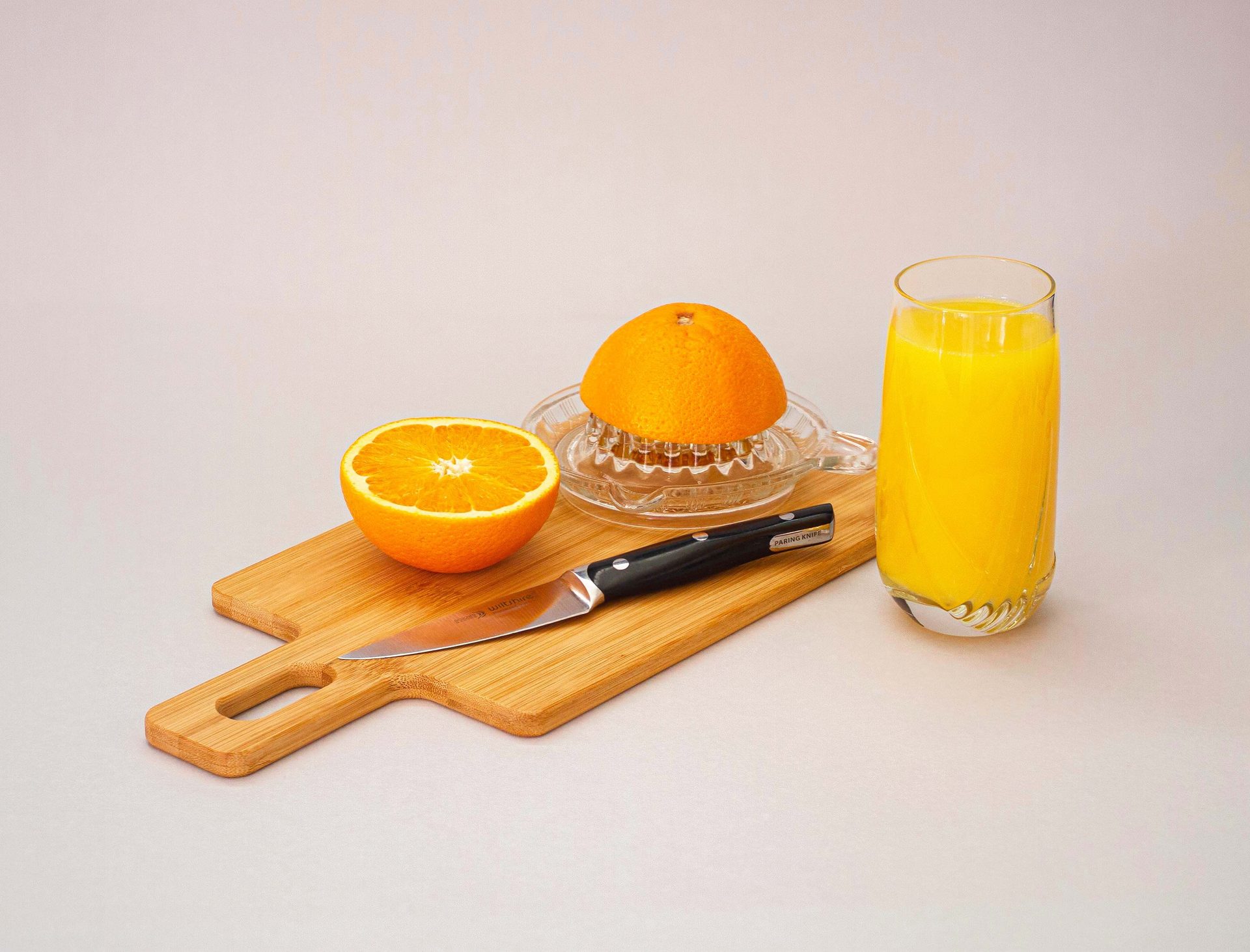
If you have a half-open carton of Tropicana sitting in your fridge and you know you won’t finish it before it turns, you’re probably wondering whether the freezer is a real option. The good news: yes, you can freeze Tropicana orange juice, and it’s one of the most practical ways to cut down on waste without losing out on a morning staple.
That said, freezing juice isn’t quite as simple as tossing the carton in the freezer and calling it done. A few key steps make the difference between juice that thaws well and juice that’s watery, grainy, or flat. This guide walks you through every stage — from whether it’s worth freezing in the first place, to how long it lasts, how to thaw it safely, and the best ways to put it to use after it comes out of the freezer.
Can You Freeze Tropicana Orange Juice?
Yes, you can freeze Tropicana orange juice for longer storage. Freezing is a viable option if you have opened a container and won’t consume it within the recommended refrigeration time. The same applies to an unopened carton you bought in bulk or caught on sale.
Once opened, Tropicana orange juice can typically last about 7 to 10 days in the refrigerator. This may vary slightly depending on the juice’s freshness at the time of purchase and how well it is stored. It’s always best to consume the juice within this timeframe to enjoy it at its best quality and taste. If you’re not going to make that window, the freezer is your best alternative.
Tropicana or any store-bought orange juice can be frozen safely. This is a good way to preserve the juice and collect stock for future use. It is a much better alternative to other orange juice varieties, as store-bought orange juice can last a long time due to the presence of preservatives. Tropicana’s pasteurization process also gives it a head start over fresh-squeezed juice when it comes to freezer performance.
Pro Tip: If you regularly buy Tropicana in bulk at warehouse stores like Costco or Sam’s Club, freeze extra cartons before the best-by date. You’ll always have OJ on hand without any waste.
Does Freezing Change the Texture or Taste of Tropicana Orange Juice?
Freezing does affect orange juice — but not dramatically, and mostly in ways you can manage. Freezing has an impact on the juice’s quality, with the biggest changes typically occurring in texture and flavor. Freezing causes water molecules in the juice to form ice crystals, which can disrupt the structure of the juice when it thaws. This can lead to slight separation of the pulp and liquid, as well as a potential change in mouthfeel, with the juice feeling less smooth than fresh juice.
On the flavor side, the flavor of frozen orange juice generally remains good, but some subtle changes can occur due to the breakdown of certain compounds during freezing. Citrus fruits like oranges have volatile compounds responsible for their fresh, tangy taste, and freezing can cause a slight dulling of these flavors.
Most vitamins, including vitamin C, are generally stable during freezing but may degrade slowly over prolonged storage. So nutritionally, you’re not losing much — especially if you use the juice within a few months. The texture might change after freezing, and it might need a good shake or stir to restore a better consistency. Still, the flavor and nutritional qualities will largely remain intact, making freezing a worthwhile option for long-term storage.
If your Tropicana is the pulp-free variety, it will freeze and thaw with noticeably better results. The less pulp, the better — pulp tends to sink and clump during freezing, which makes the texture after thawing more uneven. You can also pair frozen OJ with other orange-colored foods known for their vitamin C content to round out your daily nutrition.
How to Freeze Tropicana Orange Juice the Right Way
The method you choose depends on how much juice you have and how you plan to use it later. There are three reliable approaches, and each one works well for different situations.
Method 1: Airtight Container or Mason Jar
This is the best option when you have a large amount of juice to freeze. Pour the juice into an airtight container, leaving some space at the top for expansion. Use airtight containers — glass is ideal — to prevent the juice from absorbing freezer odors. Leave a little space at the top, since the liquid will expand as it freezes. Mason jars work well here, but make sure to use wide-mouth jars and never fill them to the brim.
Method 2: Freezer Bags
Pour your orange juice solution into a hole-free zip-lock bag and pop it in the freezer. Only fill the bag two-thirds of the way full to leave some space, because orange juice expands when frozen. Remove the extra air to prevent inconsistency before making sure it’s tightly zipped. Lay the bag flat while it freezes to save space in your freezer.
Method 3: Ice Cube Trays
If you are not sure what you will be using your store-bought Tropicana for, it is best to opt for freezing the juice in ice cube trays. This method provides you with cubes of orange juice that can be used for various purposes. Once frozen solid, transfer the cubes into a freezer bag so you get your ice cube tray back.
Pro Tip: Always label your container with the date you froze the juice. It takes about two minutes and saves you from guessing whether that frozen OJ is still good three months from now.
One rule applies to all three methods: any liquid, especially those that contain some level of water, will expand when frozen. This is why you need to leave a small air gap in any containers that you freeze orange juice in. Skipping this step is the most common reason cartons crack or containers leak in the freezer. If you’re interested in the broader health benefits of what you’re preserving, check out these reasons why you should take an orange every day.
How Long Can You Freeze Tropicana Orange Juice?
Orange juice holds up well in the freezer for a meaningful stretch of time, though quality does decline the longer it sits. The freezer shelf life of orange juice can vary depending on several factors, including the type of juice (fresh or store-bought), how well it’s sealed, and the freezer’s temperature. Generally, frozen orange juice can last anywhere from 4 to 12 months when stored properly in a deep freezer set at 0°F (-18°C). Although frozen juice will technically remain safe indefinitely, the quality tends to degrade over time.
After about 3 to 4 months, you may notice changes in flavor and texture, especially if the juice is exposed to air or improperly sealed. The best taste and texture are typically achieved within the first 3 months of freezing. To get the most out of your frozen orange juice, try to use it within this window for a fresh, flavorful taste.
| Storage Method | Estimated Shelf Life | Best For |
|---|---|---|
| Refrigerator (opened) | 7–10 days | Drinking straight |
| Freezer (airtight container) | Up to 12 months | Large batches, cooking |
| Freezer (ice cube tray) | Up to 12 months | Smoothies, cocktails, portions |
| Freezer (original carton) | Up to 3 months | Short-term bulk storage |
Keep your freezer set at or below 0°F (-18°C) for best results. Pour the juice into your chosen container, seal it tightly, and place it in the coldest part of your freezer. Ideally, you want to keep your freezer at or below 0°F (-18°C) to ensure the juice freezes quickly and stays frozen, maintaining its quality and safety.
How to Thaw Frozen Tropicana Orange Juice
Thawing orange juice safely is straightforward, but there’s one method you should avoid. When you’re ready to drink your orange juice, thaw it in the refrigerator for several hours or overnight. Avoid thawing at room temperature, as this can lead to bacterial growth. Room-temperature thawing creates conditions where bacteria multiply quickly, especially once the outer layer of juice warms up while the center is still frozen.
The easiest way is to transfer the OJ into the refrigerator the night before you need it. The whole defrosting process takes between two hours for small cubes to 8+ hours for large containers, so plan accordingly. For a full carton or large container, overnight thawing in the fridge is the safest and most reliable approach.
Once thawed, give the juice a good stir or shake. After your juice is thawed, give it a good shake or stir to mix any separated components. Frozen and thawed orange juice may have a slightly different texture or taste compared to fresh juice, but it’s still packed with all the goodness and makes for a refreshing drink.
Thawed juice should be consumed within 2–3 days for the best quality and safety. Some sources suggest up to 5–7 days is acceptable if the juice was properly frozen and thawed in the refrigerator, but drinking it sooner gives you the best flavor. If you’re pregnant and wondering about OJ safety more broadly, this guide on drinking orange juice while pregnant covers what you need to know.
Pro Tip: If you’re using frozen OJ cubes in a smoothie, you don’t need to thaw them at all. Drop them straight into the blender — they act as both the juice and the ice.
Can You Refreeze Tropicana Orange Juice After Thawing?
This is one of the most common questions about frozen juice, and the answer depends on how the juice was thawed. Yes, as long as you thawed it in the fridge. The idea of refreezing being unsafe is essentially a myth — the real risk comes from juice that was thawed at room temperature, which can allow bacteria to grow before it goes back in the freezer.
That said, refreezing is not a great idea for quality reasons. Refreezing can further degrade nutrients, alter texture, and reduce flavor. Only freeze quantities you plan to use once thawed. The best way to avoid the refreezing question entirely is to freeze in portions from the start — ice cube trays and small containers let you thaw only what you need.
Once thawed, do not refreeze your orange juice. Refreezing can lead to loss of flavor and potential bacterial contamination. If you froze your juice in small portions, this is easy to manage. Orange juice is rich in nutrients that support overall wellness — learn more about superfoods for a healthy heart and how citrus fits into that picture.
How to Use Frozen Tropicana Orange Juice (Best Uses After Freezing)
Thawed Tropicana works well in most situations where you’d use fresh OJ, and frozen OJ cubes open up even more options. Here are the best ways to put it to work:
- Smoothies: You can use OJ cubes instead of ice cubes, or thaw the liquid and add it as you do with fresh juice. This is one of the most popular uses for frozen orange juice.
- Baking and cooking: Some pies and cakes need a bit of OJ to add flavor. Frozen and thawed OJ usually works just as well as fresh. It also works in marinades, glazes, and salad dressings.
- Cocktails and mocktails: Frozen orange juice is great for mocktails and cocktails, especially if you have made ice cubes. You can substitute regular ice cubes for orange juice ice cubes.
- Ice pops: You can definitely freeze orange juice to make ice pops. Popsicles made from orange juice are a healthy alternative to ice cream and you can make them in the comfort of your own home. Just pour your orange juice into the popsicle molds and wait a few hours for a refreshing treat.
- Flavored water: Add a cube or two to a glass of water on a warm day, or use instead of ice cubes in a drink or cocktail.
- Baked goods: Use thawed orange juice as an ingredient in baked goods like muffins, cakes, or bread. It can add a subtle citrus note and moisture without overpowering the flavor.
If the texture after thawing feels slightly off for drinking straight, redirect it to one of the cooking or baking uses above — you won’t notice any difference once it’s blended into a recipe. Orange juice is also worth keeping around for its broader nutritional value; see how it fits into a list of powerful nutrients and foods that fight cancer and foods for healthy skin.
Signs That Frozen Tropicana Orange Juice Has Gone Bad
Freezing halts bacterial growth, but it doesn’t make juice last forever. Freezing halts microbial growth, but does not kill bacteria. Once thawed, the juice should be treated like fresh juice and consumed quickly. Before drinking thawed OJ, take a moment to check for these warning signs.
- Off smell: Look for any signs of spoilage, such as an off smell, unusual color, or changes in texture. Sour, fermented, or “off” odors are a clear signal to discard the juice.
- Unusual color: Fresh Tropicana is a consistent orange-yellow. Browning or a dull, grayish tint after thawing can indicate oxidation or spoilage.
- Fizzing or bubbling: Signs such as a sour taste, fizzing, or changes in texture indicate fermentation or bacterial contamination. Fizzing in juice that was never carbonated is a serious red flag.
- Slimy texture: Spoiled juice may feel slimy or thick, particularly if mold has begun to form. This sliminess is caused by microbial activity and is a clear sign of spoilage.
- Excessive ice crystals: If you notice any off smells, unusual color, or ice crystals forming in the container, it’s best to discard the juice, as these are signs it may have deteriorated in quality.
When in doubt, throw it out. The risk of foodborne illness from spoiled juice is not worth it, especially for children, older adults, or anyone with a compromised immune system. For more on how food choices affect your overall health, explore these foods that can help enhance your liver function and fibroid healing foods.
Frequently Asked Questions
Can You Freeze Tropicana Orange Juice in the Original Carton?
Yes, you can freeze orange juice in the carton it came in. However, this does mean you’ll need to defrost the whole carton. If you don’t think you’ll use the whole carton, consider freezing it in portions. Cardboard can be frozen, but you need to be aware that orange juice expands when it freezes and if the carton is too full it may burst from its packaging. To avoid this, you could pop it into a container or put it in a freezer bag.
Does Frozen Orange Juice Lose Its Vitamin C?
Ascorbic acid (vitamin C), a key nutrient in orange juice, degrades rapidly when exposed to heat and air, but refrigeration can retain up to 90% of its potency for 5–7 days. Freezing slows this degradation further, so most of the vitamin C is preserved — especially if you use the juice within 3 months of freezing. For more on how vitamin-rich foods support your health, see this guide on foods that promote healthy eyesight.
How Long Does It Take for Orange Juice to Freeze Solid?
Orange juice can be frozen and will take two to twelve hours to completely solidify, depending on the volume and container used. Small ice cube portions freeze in about two hours, while a full quart container may take closer to eight to twelve hours.
Can You Freeze Tropicana Orange Juice With Pulp?
You can, but it’s not ideal. If your orange juice has pulp, it is worth straining it before freezing to avoid the grainy texture when you thaw it out. As the juice cools down in the freezer, the heavy pulp will fall towards the bottom of the container. Then, once it freezes, the bottom of the ice will be flaky and less consistent than the more pure upper layer. Straining first gives you a much cleaner result after thawing.
Is It Safe to Freeze Tropicana Orange Juice That Has Already Been Opened?
Yes, as long as the juice is still fresh and has been stored properly in the refrigerator since opening. One of the most important things to be sure of when freezing anything is making sure that it’s not already gone bad. If the juice smells fine and is within its 7–10 day refrigerator window, it’s safe to freeze. Don’t freeze juice that already shows signs of spoilage — freezing won’t fix it. You might also want to learn about cancer-causing foods to avoid as part of a broader approach to food safety and healthy eating.