
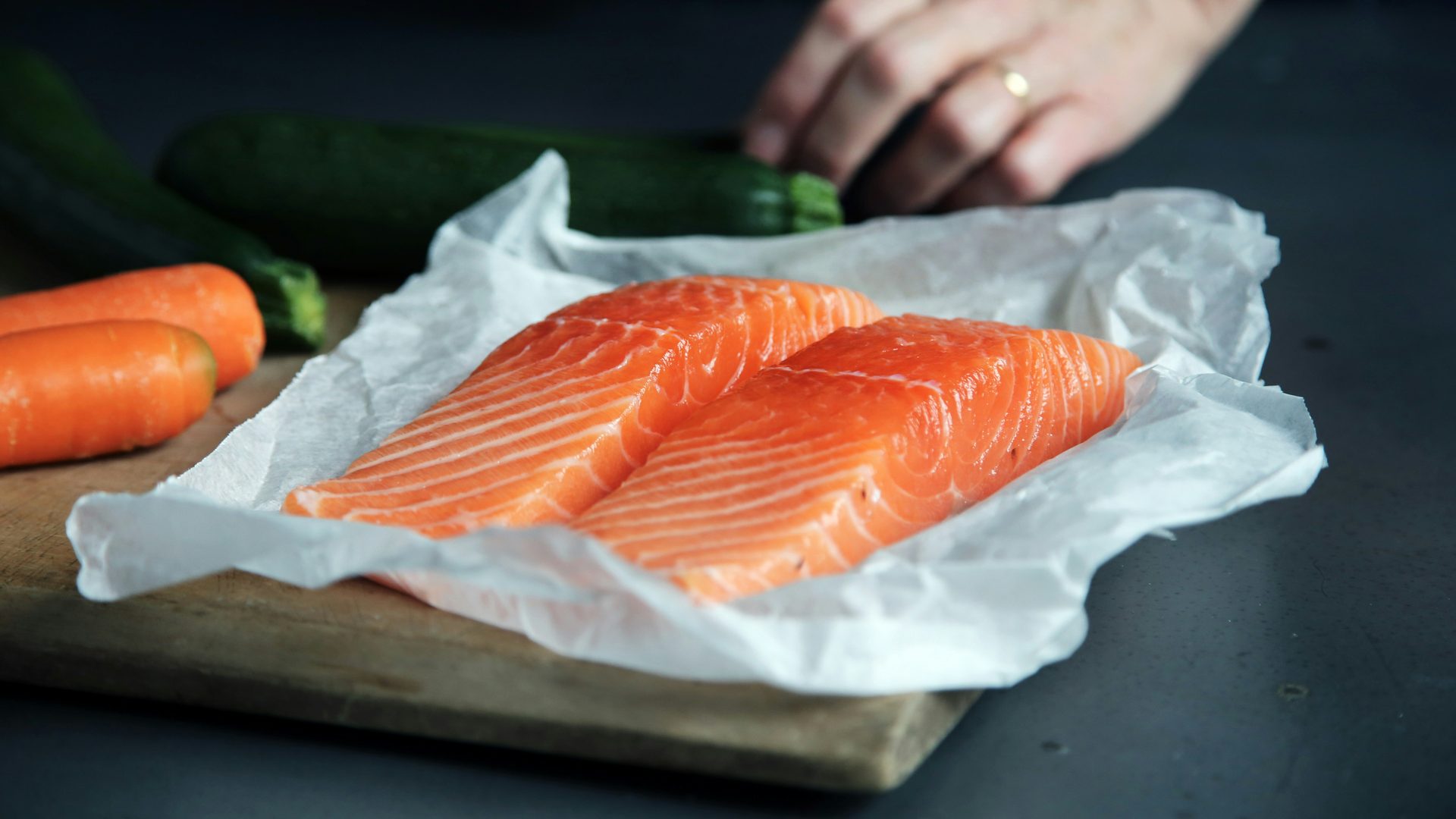
Salmon is one of the most popular fish in the United States — and for good reason. It’s rich in protein, packed with omega-3 fatty acids, and works with just about every cooking method you can think of. But what happens when you buy more than you can cook in a day or two? That’s where the freezer comes in.
Yes, you can absolutely freeze salmon, whether it’s raw, cooked, or smoked. It’s a safe and effective way to make it last longer, and if you can’t eat salmon within a few days, freezing it will help it stay fresh and tasty. The difference between salmon that comes out of the freezer tasting great and salmon that tastes like cardboard almost always comes down to how you store it. This guide walks you through everything — from wrapping to thawing to knowing when to toss it.
Can You Freeze Salmon?
If you’re not going to be using your salmon right away, freezing it is a great way to extend its shelf life. This applies to raw fillets, cooked leftovers, and even smoked salmon. The key is acting quickly — if you buy fresh salmon and don’t plan to cook it in the next two days, it’s best to freeze it.
Not all types of salmon freeze equally well, though. Salmon with a high fat content, like King salmon, tends to freeze better than leaner fish. The intramuscular fat acts as a buffer against the drying effects of the cold, and these varieties remain succulent even after a few months in storage. Leaner salmon varieties are delicious and healthy, but they require even more care when freezing. Because they have less fat to protect the muscle fibers, they are more susceptible to becoming “stringy” if kept in the freezer too long — for these, try to stick strictly to the two-month window.
You can also freeze smoked salmon. Yes, you can freeze smoked salmon slices — freezing smoked salmon in a resealable zipper-lock bag for up to 2 months is recommended. Cooked salmon freezes well too, though it’s best used within about a month for peak quality.
Pro Tip: Check the pros and cons of eating seafood regularly before making salmon a weekly staple — our guide to the pros and cons of eating seafood covers everything you need to weigh.
Does Freezing Change the Texture or Taste of Salmon?
Freezing does affect salmon, but how much depends on how carefully you do it. When you freeze salmon, water in its cells turns into ice crystals. If the freezing process is slow or if the temperature fluctuates, these crystals grow larger and can puncture the cell walls of the fish. When the fish eventually thaws, the moisture escapes through these damaged cells, resulting in a texture that can be mushy or excessively dry.
There may be small changes in taste and texture when you freeze raw or cooked salmon. If you don’t store salmon the right way, it can become dry or rubbery. Most of the time, changes in taste are caused by air or freezer burn — if you store salmon the right way, you won’t even notice a difference.
Salmon is an oily fish. While these oils — specifically the omega-3 fatty acids — are what make the fish so healthy, they are also prone to oxidation over time, even in sub-zero temperatures. That’s why airtight packaging matters so much. Poor sealing allows oxidation of fats, leading to off-flavors often described as “fishy.” Vacuum sealing minimizes this risk.
Salmon is also a nutritional powerhouse worth protecting. Rich in protein, vitamins, and minerals, salmon is among the foods considered a “super food,” and its high levels of omega-3 fatty acids are known to reduce heart disease and contribute to overall joint and brain health. If you want to learn more about how salmon supports your body, see our article on super foods for a healthy heart.
How to Freeze Salmon the Right Way
Good results start with good preparation. Pat the salmon dry using paper towels to gently blot away any moisture — the less water on the surface, the fewer ice crystals will form. Unless you’re planning to cook a whole fillet later, divide the salmon into portions so you can defrost only what you need.
Here’s a straightforward step-by-step process:
- Pat dry: Blot each portion with paper towels to remove surface moisture.
- Wrap tightly: Cover the salmon first with plastic wrap, then with aluminum foil to block air.
- Bag it: Place it in a resealable freezer bag and remove as much air as possible to prevent freezer burn.
- Label: Label the bag with the date so you can keep track of your freeze stock.
- Freeze flat: Place salmon flat on a baking dish if needed to freeze it evenly. Once solid, you can stack bags to save space.
- Set your freezer: Freeze your salmon at 0°F (-18°C) or below for optimal results.
If you freeze salmon regularly, a vacuum sealer is worth the investment. Vacuum-sealed salmon can retain good quality for 6 to 12 months when kept at 0°F. Without one, double-wrapping in plastic wrap and foil before bagging is the next best option.
Pro Tip: Before freezing, you can give your salmon a quick dip in a solution of cold water and ascorbic acid (vitamin C) for about 20 seconds. This simple treatment helps prevent oxidation and preserve the fish’s natural color — think of it as a protective shield that keeps your salmon looking and tasting fresher when thawed.
For cooked salmon, there’s one extra step to keep in mind. Allow the fish to cool to room temperature (or even cool it in the refrigerator) before moving it to the freezer. If you don’t, the steam coming off the warm food will turn into ice crystals and create freezer burn. Also, don’t freeze any foods left outside the refrigerator longer than 2 hours, or food left out 1 hour in temperatures above 90°F.
Never freeze salmon in original store packaging — it’s not airtight. That thin grocery store wrap is designed for display, not long-term freezer storage.
How Long Can You Freeze Salmon?
How long frozen salmon stays good depends on how it’s packaged and what type of salmon it is. Here’s a quick reference:
| Salmon Type | Storage Method | Best Quality Window | Safe to Eat Until |
|---|---|---|---|
| Raw fillet (standard wrap) | Plastic wrap + freezer bag | Up to 3 months | 6–8 months at 0°F |
| Raw fillet (vacuum sealed) | Vacuum sealer bag | 6–12 months | Up to 12 months at 0°F |
| Cooked salmon | Airtight container or bag | Up to 3 months | 3 months |
| Smoked salmon | Resealable zipper-lock bag | Up to 2 months | 2 months |
| Canned salmon (opened) | Freezer-safe container | Up to 3 months | 3 months |
From a strictly scientific and safety-oriented perspective, food kept constantly at 0°F is safe to eat indefinitely — at this temperature, bacterial growth is essentially paused. However, “safe to eat” does not mean “pleasant to eat.” The recommendation from Wild Alaskan Company is to enjoy the salmon within 6 months ideally — beyond that, the quality may diminish, but it is safe to eat indefinitely.
For best quality, try to use salmon within 2–3 months. It’s still safe to eat beyond that, but the flavor and texture may start to fade. The fresher it was when you froze it, the better it’ll be later.
How to Thaw Frozen Salmon
Thawing salmon safely is just as important as freezing it correctly. The wrong method can put you in the food safety “danger zone.” It’s critical, when thawing any piece of fish, to keep the cut out of the temperature range between 40°F and 140°F, where bacteria grow most rapidly — simply leaving the salmon out on the counter to defrost is not a great idea.
You have three reliable options:
- Refrigerator (best method): The safest and most reliable method is to thaw your salmon overnight in the refrigerator. Place your frozen salmon on a plate or shallow dish to catch any liquid, and allow approximately 8–12 hours for a typical fillet to thaw completely. While this method requires planning, it’s the best way to maintain your salmon’s texture and prevent uneven thawing.
- Cold water (faster method): If you’re starting with salmon in vacuum-sealed packaging, remove the fish and place it into a resealable, leak-proof plastic bag. Submerge the new bag in a bowl of very cold water. Check your fish every 30 minutes to see if it’s thawed; change out the water every 30 minutes. Cook it immediately after using this method.
- Cook from frozen (in a pinch): If you’re in a pinch, you can cook salmon straight from the freezer. It’s totally safe, easy, and works with so many different cooking methods, like the oven, air fryer, and Instant Pot.
Never thaw salmon on the counter at room temperature or use hot water to speed up the process — these methods can create ideal conditions for bacterial growth.
Also, make sure you take any frozen seafood out of its vacuum-sealed packaging before thawing. Vacuum-sealed packaging can harbor anaerobic bacteria when the fish begins to warm, so transferring it to a new bag before the cold water method is a smart safety step.
According to the FDA, fish should always be thawed at temperatures below 40°F to avoid contamination. Once thawed, cook thawed salmon within 1 to 2 days for the best flavor and safety.
Can You Refreeze Salmon After Thawing?
The short answer is: it depends on how you thawed it. You can refreeze raw salmon safely if it has been “slow” thawed in the refrigerator. It is NOT safe to refreeze salmon that has been “quick-thawed” in a bowl of cold water.
Even when refreezing is technically safe, quality takes a hit. Refreezing raw salmon will impact its quality due to loss of moisture. There will always be some loss of moisture when ice crystals form and then melt, leaving the seafood a little less succulent each time and damaging the texture of the protein itself.
For the best balance of safety and quality, it’s recommended to refreeze salmon only once. While refreezing more than once isn’t inherently dangerous if the fish has been handled properly, the texture and flavor degrade noticeably with each cycle.
Pro Tip: To avoid multiple freezes, consider portioning your salmon into individual servings before freezing so you only thaw what you need. This is the single easiest way to protect quality over the long run.
Cooked salmon is slightly more forgiving than raw salmon. Once cooked, it can be frozen and thawed again, but repeated cycles will still affect its taste and moisture content. If you do refreeze cooked salmon, always cook refrozen salmon to an internal temperature of 145°F to kill any potential bacteria.
How to Use Frozen Salmon (Best Uses After Freezing)
Thawed salmon works beautifully in dishes where it’s paired with bold sauces, flavorful glazes, or mixed into other ingredients. Salmon is an amazing blank canvas that takes well to so many flavor profiles, from a pesto sauce to a garlic brown sugar glaze — use a quick sauce to amp up the flavor of your frozen salmon.
Here are some of the best ways to use salmon after freezing:
- Baked salmon: One of the most forgiving cooking methods after freezing. Season with lemon, garlic, and herbs, and bake at 400°F until the flesh flakes easily.
- Sheet pan dinners: Pair thawed salmon with vegetables like broccoli, asparagus, or cherry tomatoes for an easy weeknight meal.
- Salmon fried rice: Flaked thawed salmon works perfectly folded into fried rice with soy sauce, sesame oil, and scallions.
- Salmon patties or cakes: Thawed salmon that’s slightly softer in texture is ideal for mixing with breadcrumbs, egg, and seasoning into pan-fried patties.
- Pasta and grain bowls: Flaked salmon adds protein to pasta, quinoa bowls, or salads without needing a perfect fillet presentation.
- Tacos: Seasoned, flaked thawed salmon works great in tacos with slaw and a citrus crema.
Cooking salmon from frozen will often yield less beautiful results, so save your truly impressive cuts for proper thawing and a special meal. Use frozen salmon cooking techniques for nights when you forgot to take anything out and need dinner on the table fast.
When cooking directly from frozen, cooking frozen fish is safe to do as long as it has reached a safe internal temperature. The USDA recommends an internal temperature of 145°F for salmon. According to USDA guidelines, salmon should be cooked to an internal temperature of 145°F, which can be checked with an instant-read thermometer.
Salmon’s nutritional profile makes it a smart choice for health-focused meals. If you’re looking for more ways to work nutrient-dense foods into your diet, see our article on powerful nutrients and foods that fight cancer and our guide to foods that can help enhance your liver function.
Signs That Frozen Salmon Has Gone Bad
Even properly frozen salmon can go bad — or it may have been poor quality before it went into the freezer. Knowing what to look for keeps you safe. Spotting spoiled salmon early can prevent foodborne illness.
Check for these warning signs before cooking:
- Smell: According to the USDA, one way you can tell if salmon is bad is by smelling it. Uncooked spoiled seafood can smell sour, rancid, fishy, or like ammonia. These odors become stronger after cooking — if you pick up any of these scents in cooked salmon, whether faint or potent, don’t eat it.
- Color: The flesh should be bright pink or orange and moist. Avoid salmon that looks dull, grayish, dry, or has mold or discoloration.
- Texture: Fresh salmon should feel firm and spring back when pressed. If it feels slimy, sticky, or mushy, it’s likely spoiled.
- Freezer burn: Large ice formations indicate freezer burn, affecting taste and texture. Freezer-burned salmon is safe to eat but will taste dry and bland. Trim affected areas if the rest of the fillet looks fine.
- Taste: Salmon that’s spoiled will also have a change in appearance different from when it was first defrosted, such as a change in color, or a visible change in its texture — and if you taste it, it will have an off or sour taste.
When in doubt, it’s safer to throw salmon away than risk getting sick. No meal is worth a bout of food poisoning.
Proper storage habits also support your overall dietary goals. If you’re focused on eating well for skin, eye health, or whole-body wellness, check out our guides on foods for healthy skin, foods that promote healthy eyesight, and whole plant-based foods.
Frequently Asked Questions
Can You Freeze Fresh Salmon From the Grocery Store?
Yes. Freezing fresh salmon is a practical way to preserve its quality, flavor, and nutritional value beyond its short refrigerated shelf life of 1–2 days. Just make sure to repackage it — never freeze salmon in original store packaging, as it’s not airtight.
Can You Freeze Cooked Salmon?
Cooked salmon is good for 3 days when stored in an airtight container in the refrigerator. Cooked salmon will last up to 3 months when stored in the freezer. Let it cool fully before freezing, and store it in a tightly sealed container or bag.
Is It Safe to Cook Salmon From Frozen Without Thawing?
Yes, fish can be cooked directly from frozen — just adjust the cooking time and use methods like baking or steaming. Pan-frying from frozen works too, but you’ll need to par-cook the fish first to let the ice melt off before searing. Always verify the internal temperature reaches 145°F.
How Do You Know If Frozen Salmon Is Still Good?
After thawing, check for a mild ocean scent, bright pink or orange flesh, and a firm texture. Discard salmon that has an off odor, slimy texture, or a grayish-brown color. If it passed those checks before freezing and has been stored properly, it should be fine within the recommended time windows.
Does Freezing Salmon Kill Parasites?
Yes. The FDA recommends freezing fish intended for raw consumption at -4°F (-20°C) for at least 7 days (or -31°F for 15 hours) to kill parasites. A standard home freezer set to 0°F is not cold enough to meet the FDA’s parasite-kill standard, so salmon you plan to eat raw or lightly cured should come from a source that has already been commercially frozen to the appropriate temperature. For fully cooked salmon, this is not a concern as long as it reaches 145°F internally.
Can You Freeze Smoked Salmon?
Yes, you can freeze smoked salmon slices. Freezing smoked salmon in a resealable zipper-lock bag for up to 2 months is recommended. Make sure you label the bag so you know what it is and how long it’s been in the freezer.