Can You Freeze Sliced Mushrooms? Everything You Need to Know

November 3, 2026
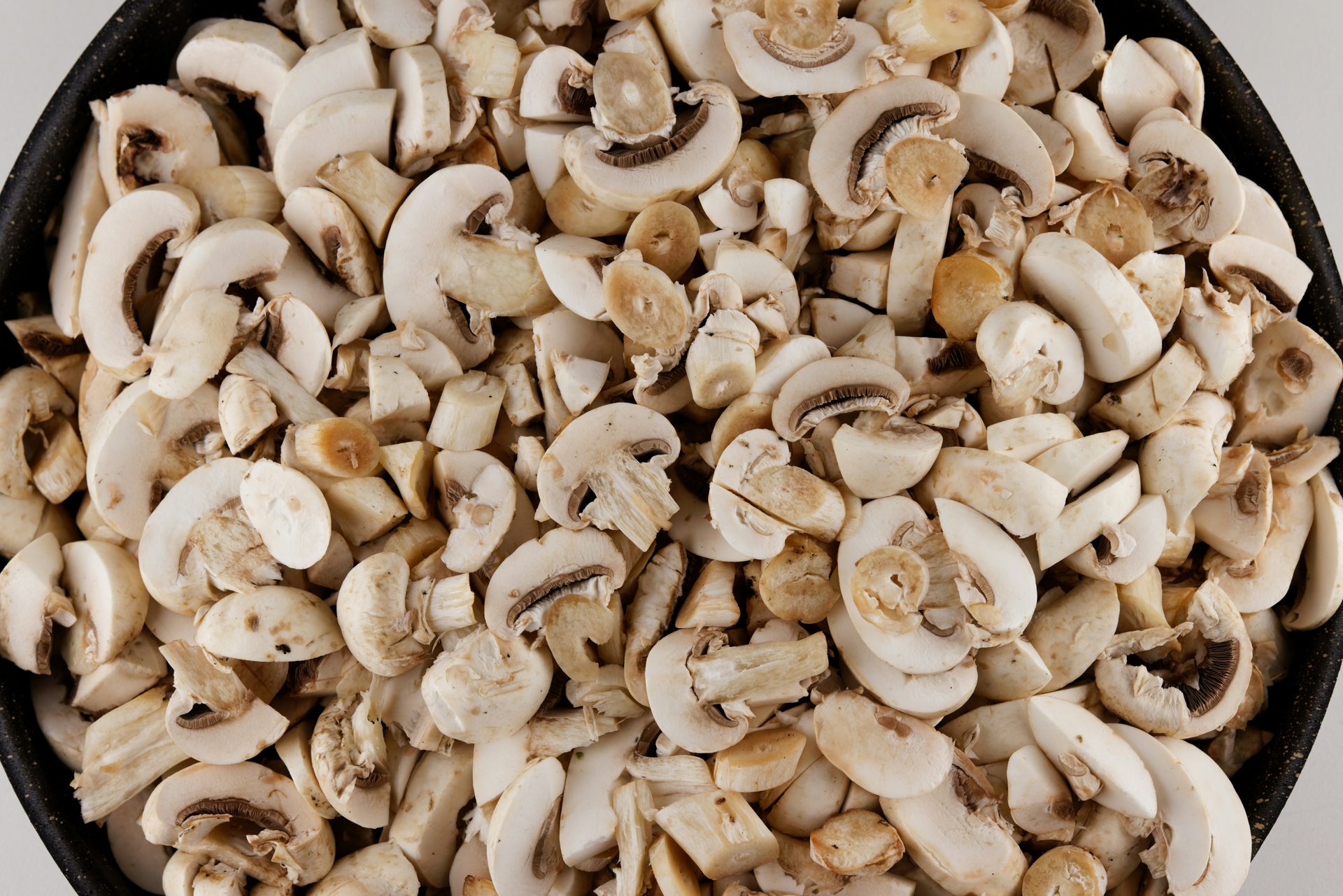
Sliced mushrooms have a frustratingly short shelf life. You can store sliced mushrooms in an airtight container in the refrigerator, but in the best case scenario they last only up to five days — and they’re much more prone to spoilage than whole ones. If you bought a big pack on sale or sliced more than you needed for dinner, the freezer is your best option for keeping them usable.
The short answer is yes — you can absolutely freeze sliced mushrooms. But how you prepare them before they go into the freezer determines whether you pull out something genuinely useful months later or a soggy, watery disappointment. This guide walks you through every step, from the right prep method to how to spot mushrooms that have gone bad in the freezer.
Can You Freeze Sliced Mushrooms?
You can freeze mushrooms that are cooked, sliced, or sautéed, depending on your plans for them. The real question is whether you should freeze them raw or cook them first — and that choice has a big impact on quality.
Mushrooms are made up of nearly 80–90% water. When frozen without preparation, ice crystals form inside and damage their structure, resulting in a soggy texture once thawed. That said, freezing sliced mushrooms is still one of the smartest ways to cut down on food waste and always have them ready for weeknight cooking.
There are real benefits to freezing your fresh fungi, including reducing waste when you can’t eat all the mushrooms you purchased, and cost savings — buying mushrooms in bulk typically means money saved, and you can stock up during a sale and stash a few frozen bags away. If you want to explore the full nutritional picture of mushrooms before you freeze them, check out this overview of different types of mushrooms to understand what each variety brings to the table.
Pro Tip: Freeze mushrooms while they’re still fresh, not when they’re already on the edge. The quality you put in is the quality you get out after thawing.
Does Freezing Change the Texture or Taste of Sliced Mushrooms?
Yes — and it helps to know exactly what to expect so you’re not caught off guard. Ice crystals burst the cell walls, water leaks out on thawing, and what comes out of the bag is soft and grey. A quick sauté or steam before freezing solves that problem almost entirely — it drives off excess water, locks in flavor, and gives you something that reheats cleanly in a sauce, stew, risotto, or stir-fry.
Expect a softer texture after thawing, especially if the mushrooms were frozen raw. The flavor, however, stays earthy and still works well with sauces and vegetables. If you pre-cook before freezing, the texture difference is much less noticeable once the mushrooms are incorporated into a hot dish.
Freezing doesn’t affect the calorie, fiber, or mineral content of mushrooms, but it can reduce the content of water-soluble vitamins like riboflavin, niacin, and folate. Freezing retains most nutrients well — a little vitamin B is lost during the initial cook, but the core profile including fiber, protein, and minerals holds up. That’s a reasonable trade-off for months of extended shelf life.
How to Freeze Sliced Mushrooms the Right Way
There are three approaches: sautéing, steam blanching, and freezing raw. Sautéing gives you the best flavor; blanching preserves more color and texture; raw freezing is fastest but produces the softest result. Here’s how to do each one correctly.
Step 1: Start with Clean, Fresh Mushrooms
Whichever method you choose, start the same way: clean your mushrooms. Wipe them with a damp paper towel or give them a very quick rinse and pat them dry. Don’t soak them — mushrooms are sponges and will absorb extra water you’ll just have to freeze out later. Trim woody stem ends before freezing, and note that sliced mushrooms freeze faster and are simpler to use once frozen.
Method 1: Sauté Before Freezing (Best for Flavor)
For best results, briefly sauté mushrooms in a hot pan for 2–3 minutes before freezing. This removes some moisture and actually improves the final texture. Let them cool completely before freezing. You can use a little butter or olive oil, or go dry for a more neutral result that works in any dish.
After cooking, arrange the mushrooms in a single layer on a baking sheet, not touching, and freeze for a few hours. Then transfer them into a freezer bag or airtight container, and squeeze out excess air or use vacuum sealing to prevent freezer burn. Always label with the freeze date and type — for example, “sautéed baby bella.”
Method 2: Steam Blanch Before Freezing (Best for Color and Texture)
Steam blanching is a quick cooking process that helps preserve produce before it’s frozen by destroying enzymes that can increase how quickly foods spoil. An added benefit is that it inactivates Listeria and Salmonella, two common foodborne bacteria, improving the safety of the mushrooms prior to freezing.
To prevent discoloration during the blanching process, first soak your fresh mushrooms in a mixture of 2 cups (480 mL) of water and 1 teaspoon (5 mL) of lemon juice for 5–10 minutes. Then steam sliced mushrooms for 3 minutes. Immediately transfer them to a bowl of ice water to stop the cooking, then drain well and pat dry. Pack into airtight freezer bags, remove as much air as possible, label, and freeze flat.
Method 3: Freeze Raw (Fastest, Lowest Quality)
Freezing raw is the fastest option and it’s perfectly safe — it just gives you the softest result. Raw frozen mushrooms are best when you’ll be cooking them into something where texture doesn’t matter much, like soups, stews, stocks, or blended sauces.
Use an airtight container or freezer bag to flash freeze sliced mushrooms in a single layer on a baking sheet before transferring them to a storage bag. This prevents them from clumping into one frozen block.
Pro Tip: Keep your freezer at 0°F or below for consistent results. Temperature fluctuations create ice crystals that damage texture, so avoid placing mushroom bags near the freezer door where temperatures vary most.
How Long Can You Freeze Sliced Mushrooms?
For optimal texture and flavor, use frozen mushrooms within 6–8 months. They remain usable for 10–12 months, though texture may degrade. After 12 months they are still safe to eat, but quality will be poor. The National Center for Home Food Preservation at the University of Georgia recommends sealing and freezing mushrooms in airtight containers to maximize their freezer life.
The preparation method also affects how long they hold up. Cooked and properly frozen mushrooms stay at their best for around twelve months and remain safe to eat for longer if the freezer has stayed at a steady temperature, but flavor and texture slowly drop off. Steamed mushrooms tend to outlast sautéed mushrooms in storage, which is why steaming suits larger batches.
| Preparation Method | Best Quality Window | Maximum Safe Storage |
|---|---|---|
| Sautéed before freezing | 6–8 months | Up to 12 months |
| Steam blanched before freezing | 8–12 months | Up to 12 months |
| Frozen raw | 1–3 months | Up to 12 months |
For context, most fresh mushrooms last for about 1 week in the refrigerator before they start showing signs of nearing their expiration date, such as becoming soft, brown, or even slimy. Freezing dramatically extends that window. Mushrooms are also a nutrient-dense food — if you’re interested in how they fit into a broader healthy diet, this guide to superfoods for a healthy heart covers several ingredients that pair well with mushrooms in everyday cooking.
How to Thaw Frozen Sliced Mushrooms
The best news about frozen sliced mushrooms is that most of the time, you don’t need to thaw them at all. For most cooked dishes, you don’t need to thaw mushrooms. Add them directly to soups, sauces, or stir-fries during cooking — they’ll thaw and heat through quickly. This also helps you avoid the extra moisture that releases during thawing.
If you move your frozen mushrooms to the fridge for a few days or leave them out on the counter at room temperature for a few hours, they may not fare well. During the thawing process, mushrooms naturally release water, which translates to soggy mushrooms once they defrost.
When you do need to thaw them — for blended burgers or similar preparations — place your mushrooms in the fridge for up to 24 hours before making the meal. Any longer and you may compromise their texture, taste, or freshness. When defrosting in the fridge, you can place some paper towels under the mushrooms to soak up any excess water.
Important Note: Never thaw mushrooms at room temperature — always do it safely in the refrigerator or by cooking them directly from frozen. Room-temperature thawing can encourage bacterial growth.
Can You Refreeze Sliced Mushrooms After Thawing?
No — and this is one of the clearest rules in mushroom storage. Refreezing previously frozen mushrooms is something to avoid. Once thawed, they should go into a dish and be eaten, not returned to the freezer.
The reason comes down to both texture and safety. Each freeze-thaw cycle causes more ice crystal damage to the cell walls, leaving you with mushrooms that are even more watery and soft than they were after the first thaw. Avoid refreezing thawed mushrooms. Inspect after thawing: if you detect off-odors, sliminess beyond the expected softened texture, or freezer burn affecting taste, discard them.
The practical fix is simple: freeze the cooked mushrooms in a single layer on a tray for an hour first, then tip them into a bag. You can pull out a handful at a time straight from frozen, which is ideal for weeknight cooking. Portioning before freezing means you never have to thaw more than you need.
How to Use Frozen Sliced Mushrooms (Best Uses After Freezing)
Frozen sliced mushrooms shine in cooked dishes where their softer texture blends seamlessly into the recipe. Frozen mushrooms are great in pasta, stews, casseroles, and sauces. They’re also a smart addition to dishes you’re already making — you can drop them in straight from the freezer with no extra prep.
Here are the best ways to use them:
- Soups and stews: Raw frozen mushrooms work especially well in long, wet cooks like soups, stews, and stocks where texture is less critical.
- Pasta and grain dishes: You can add frozen mushrooms to dishes like pasta, rice, or quinoa by adding them to the grain while it boils and cooks.
- Stir-fries and sautés: Cook at higher heat initially to help evaporate excess moisture, and season at the end since frozen mushrooms can dilute flavors.
- Pizza and omelets: Use your ready mushrooms to top pizza, include them in omelets, and add them to quesadillas — these foods cook quickly, which is just enough time for the mushrooms to thaw and warm up with the rest of the food.
- Mushroom stock: Frozen mushrooms make excellent stock — this is one of the best uses for mushrooms that have been in the freezer longer and may have lost some texture.
- Blended burgers: Thaw in the fridge for up to 24 hours, then dice finely and mix with ground beef for a lower-calorie, nutrient-boosted patty.
Avoid putting thawed mushrooms in salads or meals that are eaten fresh — the softened texture won’t hold up, and the excess moisture will make other ingredients soggy. For more ideas on building nutritious meals around ingredients like mushrooms, the guide on whole plant-based foods offers solid inspiration. You can also explore how mushrooms contribute to overall wellness in this roundup of powerful nutrients and foods that support long-term health.
Signs That Frozen Sliced Mushrooms Have Gone Bad
Even frozen mushrooms can go bad, especially if they weren’t stored properly or have been in the freezer too long. Here’s what to look for before you use them.
Visual Signs
The first thing to check is appearance. Freshly frozen mushrooms typically have a firm texture and a natural, earthy color. If you notice any discoloration, such as dark spots, mold, or a slimy film, it’s a clear sign that the mushrooms have started to spoil.
Freezer burn is another visual cue. It occurs when mushrooms are exposed to air in the freezer, causing moisture to evaporate and form ice crystals. This results in a dry, discolored, and tough texture. While freezer-burned mushrooms are still safe to eat, they may have a less appealing taste and texture.
Smell and Texture After Thawing
The best way to confirm mushrooms have gone bad is to smell and look at them: if they develop an off odor, flavor, or appearance, or if mold appears, they should be discarded. A mild softness after thawing is completely normal. What you’re watching for is a strong sour or ammonia-like smell, excessive sliminess, or fuzzy mold growth.
If the mushrooms are difficult to separate or have a sticky consistency, this could be a sign of spoilage. Additionally, if they release a lot of water or have a watery texture after thawing, it may indicate they have been stored for too long.
What to Avoid Before Freezing
If you try freezing nearly expired mushrooms, they may become slimy when thawed. Or, if you don’t sauté them prior to freezing, they could take on a rubbery texture post-freezer. Always freeze mushrooms at peak freshness — the freezer preserves quality, it doesn’t restore it. For more guidance on foods that support a healthy body, this article on foods that enhance liver function and this one on fibroid healing foods offer useful context on how diet choices add up over time.
Frequently Asked Questions
Can You Freeze Raw Sliced Mushrooms Without Cooking Them First?
Yes, but the result will be noticeably softer after thawing. Mushrooms can be stored in the freezer, but they should ideally be cooked first by sautéing or blanching to maintain texture and flavor. If frozen raw, they tend to become soft after thawing due to their high moisture content. Raw-frozen mushrooms still work fine in soups, stews, and sauces.
How Do You Keep Frozen Mushrooms from Getting Soggy?
Always remove as much moisture as possible before freezing. Excess water is the main reason mushrooms lose their texture, and using paper towels or air-drying them after cleaning can make a noticeable difference in quality. Sautéing before freezing is the most effective way to drive off that moisture. Also, store at a consistent temperature — keep your freezer at 0°F or below.
Can You Freeze Mushrooms That Have Already Been Cooked in a Dish?
Yes. Leftover mushrooms from a cooked dish — pasta, stir-fry, casserole — can be frozen along with the dish itself. Mushrooms that are frozen raw, steamed, or cooked work well in cooked dishes like casseroles, stir-fry, and stews. Just make sure the entire dish is cooled before freezing and stored in an airtight container.
Do Frozen Mushrooms Need to Be Thawed Before Cooking?
Unlike many other foods, mushrooms do not always need to be thawed before cooking. You can add frozen mushrooms directly to soups, sauces, or stir-fries. If needed, thaw mushrooms slowly in the refrigerator to reduce moisture loss.
How Long Do Thawed Mushrooms Last in the Fridge?
Mushrooms thawed in the fridge last not usually more than a day. Mushrooms that have been defrosted in the fridge can be kept for an additional 3 to 4 days in the refrigerator before using — but mushrooms that were thawed in the microwave or in cold water should be used immediately. Plan your thawing around when you actually intend to cook.
What Types of Mushrooms Freeze Best?
Cooked mushrooms tend to retain a firmer texture after freezing, especially varieties like shiitake or portobello, although slight softening still occurs. Portobello mushrooms and wild mushrooms hold their shape better when frozen cooked. Button mushrooms and cremini are the most common to freeze in American kitchens and work well with either the sauté or blanch method. For a deeper look at the varieties available at most US grocery stores, the guide to different types of mushrooms is worth a read. You can also learn more about mushrooms and long-term health in this article on foods for healthy skin and this one on foods that promote healthy eyesight.
Freezing sliced mushrooms is one of the most practical food storage habits you can build. With the right prep — a quick sauté or steam blanch, a flash freeze on a baking sheet, and a well-sealed bag — you can have ready-to-cook mushrooms on hand for months. The key is to start with fresh mushrooms, remove as much moisture as possible before freezing, and cook them straight from frozen whenever you can. Do that, and you’ll rarely waste a mushroom again.