Can You Freeze Oranges and Lemons? Everything You Need to Know

November 3, 2026
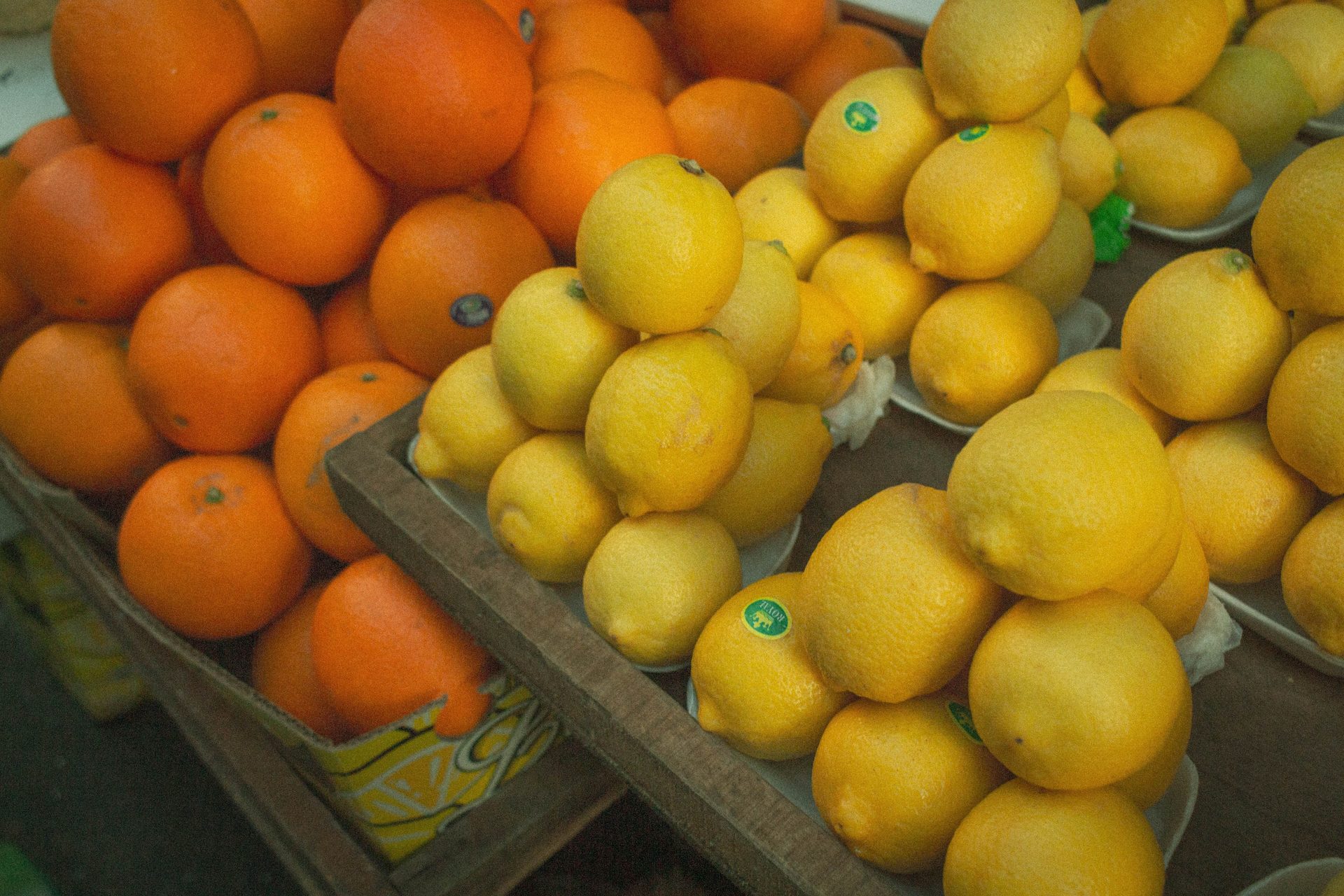
Buying a bag of lemons or a bulk pack of oranges at the store makes financial sense — until half of them start shriveling in your fridge before you get to them. If you have ever tossed citrus that went bad before you could use it, freezing is the straightforward fix you have been overlooking.
The short answer is yes: you can freeze both oranges and lemons, and doing so is easier than most people expect. The key is knowing which method matches how you plan to use the fruit later, whether that is juicing, zesting, baking, or dropping slices into drinks. This guide walks you through every step — from prep to thawing to spotting spoilage — so nothing goes to waste.
Can You Freeze Oranges and Lemons?
Yes, you can freeze oranges, lemons, limes, and grapefruits to save money and reduce waste. Both fruits hold up well in the freezer when packaged properly, and they remain safe to eat indefinitely as long as they stay frozen solid.
Citrus fruits keep for only about two weeks in the refrigerator, according to the Clemson Cooperative Extension, so it makes sense to freeze the ones you will not use right away. Freezing extends that window significantly — giving you months of usable citrus instead of days.
There is one important caveat for orange lovers: according to the University of California’s Division of Agriculture and Natural Resources, Navel oranges do not freeze well. A very bitter compound called limonin develops in Navel oranges when they are frozen. Other orange types have less limonin, so Valencia, blood oranges, and most other varieties freeze without that bitterness problem. Lemons freeze reliably across all common varieties.
Pro Tip: Check the variety before freezing oranges. If the bag just says “Navel,” plan to use those fresh and freeze a different variety instead.
Does Freezing Change the Texture or Taste of Oranges and Lemons?
Freezing citrus does not destroy flavor — it changes structure. Citrus fruits are made up of tiny, water-filled cells. When those cells freeze, the water inside them expands into ice crystals. Those crystals rupture the cell walls, which is why thawed citrus feels softer and releases more juice.
Texture changes after thawing, but flavor remains intact. While the texture will be soft upon thawing, the flavor is preserved perfectly. This means frozen-and-thawed citrus works great for juicing, cooking, and baking — but it will not hold up as a fresh garnish or a table slice.
Frozen oranges will retain their juiciness and sweetness, but the texture will change once defrosted. For lemons, whole frozen lemons become soft when thawed but are actually easier to juice because the freezing breaks down the cell walls, releasing more juice.
One upside that surprises many home cooks: when you freeze lemons whole, it actually makes them easier to zest, and the freezing process breaks down some of the proteins in the citrus, making them super juicy when they thaw. So in some ways, freezing improves the fruit for specific uses.
Key Insight: Frozen citrus is ideal for juice, zest, smoothies, marinades, sauces, and baked goods. Skip it for fresh fruit platters, garnishes, or anything where firm texture matters.
How to Freeze Oranges and Lemons the Right Way
There are a few different ways you can freeze lemons, oranges, and other citrus fruits. No one way is right or wrong, and each method has its own pros and cons. The best approach depends entirely on how you plan to use the fruit later.
Method 1: Freeze Whole
Freezing lemons and other citrus fruits whole is the easiest and most straightforward method. Simply put the whole citrus fruit in a freezer-safe container, remove as much air as possible, and freeze for up to 6 months.
- Wash the fruit thoroughly under running water and pat completely dry.
- Place the whole fruit in a zip-top freezer bag.
- Squeeze out as much air as possible before sealing.
- Label the bag with the fruit type and the date.
- Freeze immediately.
This method works especially well if you use both the juice and the zest, since whole fruit is much easier to zest when frozen solid, and keeping them whole protects the insides from drying out as quickly.
Method 2: Freeze Slices or Wedges
If you want citrus slices ready to drop into water, cocktails, or tea, pre-slicing before freezing saves time later. To freeze slices or wedges, lay them out on a cookie sheet and set them in the freezer for a few hours. Once they are solid, collect them into a zip-top storage bag. This flash-freeze step keeps the pieces from sticking together in a clump.
Method 3: Freeze Juice in Ice Cube Trays
Juice the fruit like you normally would and freeze the juice in an ice cube tray. Most ice cube trays hold either 1 tablespoon or 2 tablespoons per cube, so measure before you freeze so you know later how much each cube is. When the tray is frozen, move the cubes to a freezer-safe container and label it.
Juice cubes are one of the most convenient formats. Frozen citrus juice cubes are versatile and can be added to beverages or recipes. Specialty cocktails, in particular, benefit from such cubes and reduce the need to store lemons or limes when out of season. Freezing the juice ensures you can enjoy freshly squeezed citrus year-round without spoilage concerns.
Method 4: Freeze Zest
Zesting frozen citrus is possible but awkward and messy. If you think you might want zest later, take it before freezing, even if you are not sure how you will use it yet. Frozen zest keeps far better than frozen peel and gives you maximum flexibility.
To freeze citrus zest, place small amounts on a plate or tray in mounds, freeze for several hours, then transfer to small freezer bags for up to 6 months. You do not need to thaw zest before use — just measure it straight from the freezer into your recipe.
Common Mistake: Skipping the flash-freeze step when freezing slices or segments. If you toss them all into a bag at once, they fuse into a solid block that is nearly impossible to separate without thawing everything.
How Long Can You Freeze Oranges and Lemons?
Storage time varies depending on the form you freeze the fruit in. The table below summarizes the quality windows you can expect:
| Form | Best Quality Window | Notes |
|---|---|---|
| Whole fruit (oranges or lemons) | 3–6 months | Lemons may develop freezer burn after 4 months if not well-sealed |
| Slices or wedges | 2–3 months | Tend to dry out faster than whole fruit |
| Juice cubes | 8–12 months | Hold up better than whole or sliced fruit |
| Zest | Up to 6 months | Use directly from frozen; no thawing needed |
According to the USDA, fruit frozen and stored at 0°F or lower will maintain high quality for between 8 to 12 months. Freezing for longer than that results in lower quality taste and texture, but it does not make the fruit unsafe to eat.
Try to use any frozen citrus within 2–3 months of freezing for whole fruit, halves, and wedges, as they tend to dry out and not taste as good after that. The juice cubes seem to hold up a little better.
For lemons specifically, frozen lemons last 3–4 months at peak quality. The juice and zest retain their flavor well. Whole lemons may develop freezer burn after 4 months.
How to Thaw Frozen Oranges and Lemons
How you thaw citrus depends on what you plan to do with it. There is no single right method — each option below suits a different use.
- For juicing whole fruit: Remove the fruit from the freezer bag and zest it while frozen solid. Once zested, thaw by microwaving for 15–20 seconds or running it under warm water. Once thawed, slice in half and squeeze — the juice should flow quite easily.
- For refrigerator thawing: Thaw frozen citrus in the refrigerator for several hours or overnight. For immediate use, place the fruit in a bowl of cold water.
- For zest: You do not need to thaw zest before use. Drop it directly into your recipe from frozen.
- For juice cubes: Add juice cubes directly to recipes from frozen. They melt quickly in hot dishes or drinks.
- For slices in drinks: Add frozen wedges to drinks instead of ice cubes. They keep iced tea or water nice and cool without watering it down, and as the wedges slowly defrost they add a nice citrus flavor.
One technique worth knowing: zest the fruit after it has thawed for a few minutes but while it is still semi-frozen. Once totally thawed, it becomes squishier and harder to zest or grate the peel.
Oranges and lemons are also excellent ingredients in health-supporting recipes. If you use frozen citrus in smoothies or wellness drinks, you may find it pairs well with ingredients covered in our guide to superfoods for a healthy heart or powerful nutrients and foods that fight cancer.
Can You Refreeze Oranges and Lemons After Thawing?
Technically, yes — but it comes at a real cost to quality. Each freeze-thaw cycle pulls out moisture and kills the flavor. Refreezing is safe, but quality drops fast.
Refreezing lemons after thawing is not typically recommended. The texture and flavor of the lemons (already affected by the first freezing and thawing) is affected even more by refreezing. Instead, freeze juice, zest, and cut lemons in small portions so you only have to thaw what you need.
Refreezing is safe but whole lemons become mushier with each cycle. The same applies to oranges. The practical solution is to freeze citrus in single-use portions from the start — one lemon per bag, or juice measured into individual ice cube slots — so you never thaw more than you need at one time.
Pro Tip: Freeze juice in 1-tablespoon ice cube portions so you can grab exactly what a recipe calls for without thawing an entire container. This also eliminates any reason to refreeze.
How to Use Frozen Oranges and Lemons (Best Uses After Freezing)
If you plan for juice, cooking, baking, or blending, frozen citrus performs beautifully. If you plan for fresh slices, it will disappoint — and that is not a failure of the method. Matching the fruit to the right application is everything.
Here are the best ways to put frozen oranges and lemons to work in your kitchen:
- Fresh juice: Thaw whole fruit and squeeze for lemonade, orange juice, salad dressings, and marinades. Frozen lemons and limes are almost easier to zest, and once thawed they release their juice more readily because freezing and thawing weakens the cell walls.
- Smoothies: Oranges freeze beautifully for use in smoothies, fresh juice, sauces, and more. Peel and quarter before freezing if smoothies are your main use.
- Baking: Use thawed lemon juice and zest in lemon bars, pound cake, muffins, and glazes. The flavor is indistinguishable from fresh in baked goods.
- Cooking: You can use defrosted lemons in any dish that is cooked on the stove or baked in the oven. Lemons become soft and squishy after heat treatment anyway, so it does not matter if they were soft or not.
- Drinks and cocktails: Frozen citrus slices are great for adding to drinks. They can double as ice cubes to chill your beverage while adding a burst of flavor.
- Sauces and dressings: Squeeze thawed lemon over fish, chicken, or roasted vegetables, or whisk orange juice into vinaigrettes and pan sauces.
Frozen citrus pairs especially well in recipes that highlight its nutritional value. Oranges and lemons are rich in vitamin C and antioxidants, which makes them a natural fit for dishes focused on fibroid-healing foods or foods that promote healthy eyesight. You can also use frozen lemon juice to brighten up recipes from our guide to foods that support liver function.
Signs That Frozen Oranges and Lemons Have Gone Bad
Food kept frozen continuously at 0°F will always be safe, but quality degrades over time. That means frozen citrus rarely becomes unsafe — but it can become unpleasant or unusable. Here is what to watch for before using frozen oranges or lemons:
- Off smell: Frozen citrus should still smell clean and citrusy. Discard it if the zest smells flat or musty, or if the juice has absorbed off-odors.
- Significant color change: Discard the fruit if the color has dulled dramatically or changed significantly. A slight deepening of color is normal, but gray or brown patches are a sign of quality loss.
- Visible freezer burn: Dry, white, or papery patches on the peel indicate moisture loss from air exposure. The fruit is still safe, but the affected areas will taste bland. Cut them away and use the rest.
- Watery or diluted taste: Syrup-packed fruit that tastes very diluted or watery has likely lost too much quality. At that point, the flavor benefit of using it is minimal.
- Ice crystals inside the bag: Excessive frost buildup inside the bag means the seal was compromised at some point. The fruit may still be usable, but check smell and color carefully before proceeding.
If you are unsure, the smell test is your most reliable tool. Fresh citrus has a bright, sharp aroma even when frozen. If that quality is gone, the fruit has passed its useful window.
Citrus fruits are also among the ingredients commonly found in whole plant-based food diets and anti-inflammatory eating patterns. Keeping a supply in the freezer makes it easy to incorporate them into daily cooking without rushing to the store. If you are exploring nutrient-dense foods more broadly, our guide to foods for healthy skin covers more citrus-friendly options.
Frequently Asked Questions
Can you freeze lemon juice?
Yes. If you have juiced more lemons than you can drink, you do not need to waste the extra. You can fill freezer-safe containers three-quarters full to allow for expansion, or freeze juice in plastic drink cups and then transfer them to freezer bags. Juice stored this way will last 8–12 months and can be thawed at room temperature.
Can you freeze orange segments for smoothies?
Use frozen orange segments in smoothies, infused water, or any recipes that require cooking or blending of the fruit. Flash-freeze the segments on a parchment-lined baking sheet first so they do not stick together, then transfer to a freezer bag.
Do Navel oranges freeze well?
No. Navel oranges become bitter when frozen because of their high limonin content, according to the University of California at Davis. Other orange types have less limonin. Stick to Valencia or other juice oranges for freezing.
Can you freeze lemon zest?
If a recipe calls for zest, grate the zest from the citrus before freezing. Place the zest in an airtight container and freeze. Frozen zest retains its flavor and can be used directly from the freezer. There is no need to thaw it first.
How do you prevent freezer burn on citrus?
Freezer burn is not about cold — it is about exposure to air. The fix is straightforward: use proper freezer bags, press out as much air as possible before sealing, and label everything with the date so you use it within the recommended window. The prime purpose of packaging is to exclude air and keep food from drying out. To retain highest quality in frozen food, packaging materials should be moisture-vapor proof.
Can you use frozen lemons in hot tea?
Yes. Drop a frozen lemon slice or a juice cube directly into your mug of hot tea. The slice will thaw quickly and release juice into the drink. This is one of the easiest ways to use pre-frozen citrus without any prep work.
Is frozen citrus as nutritious as fresh?
Citrus fruits contain significant levels of vitamin C, folate, and antioxidants that protect your cells from damage. Freezing preserves most of these nutrients well, especially when the fruit is frozen at peak ripeness. Freezing locks in the bright, zesty flavors of citrus fruits. When you freeze oranges and lemons at their peak ripeness, their taste remains vibrant for months. The main loss is textural, not nutritional. For more on citrus and overall health, see our guide to foods to avoid for cancer prevention, which also highlights the protective role of antioxidant-rich produce.