Can You Freeze Cotija Cheese? What to Expect and How to Do It Right

November 2, 2026
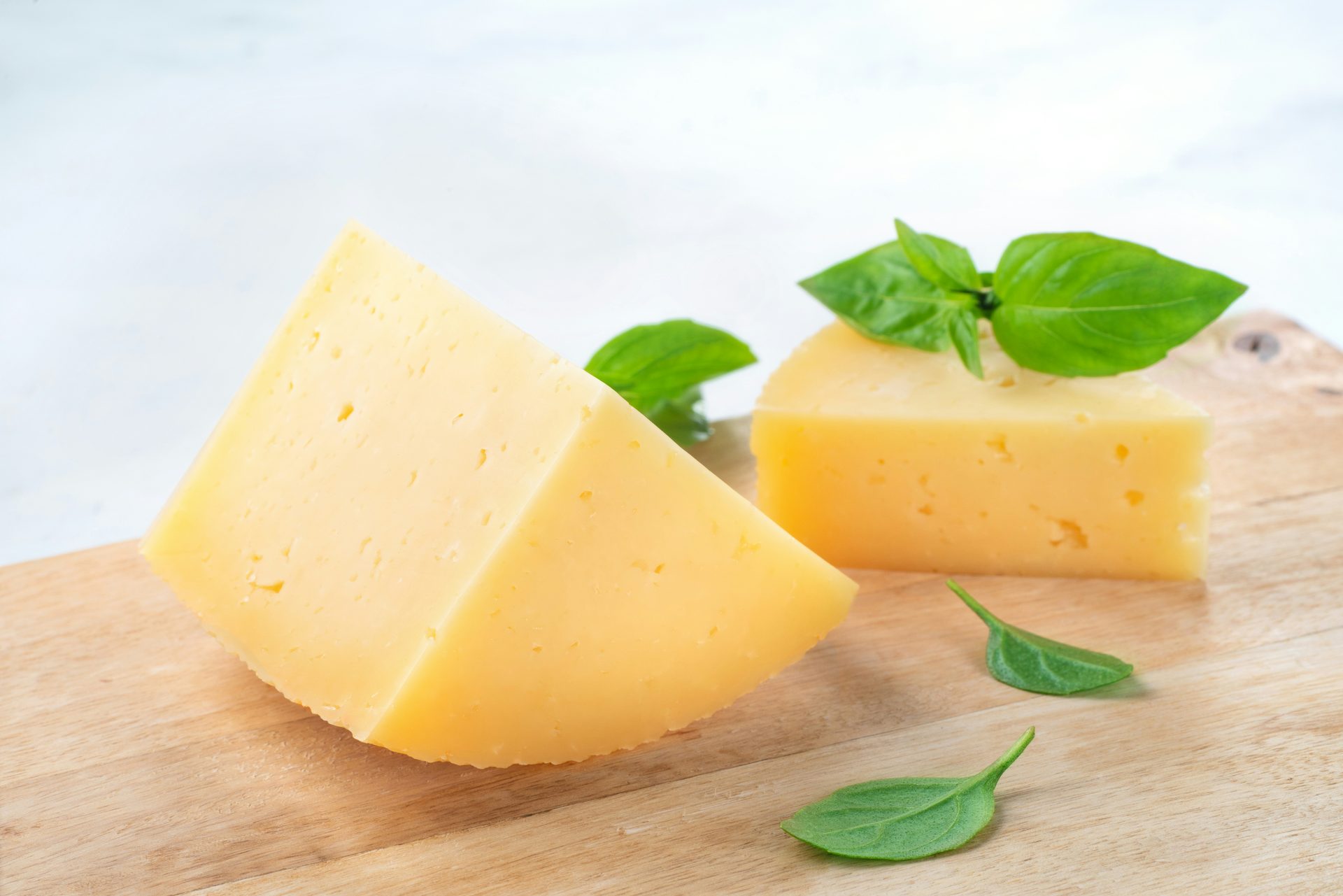
Cotija is one of those cheeses you buy for a specific recipe — elote, tacos, enchiladas — and suddenly you have half a block left with no immediate plan for it. If you’re wondering whether the freezer is a safe option, the short answer is yes. But there are a few things worth knowing before you toss it in and forget about it for six months.
This guide walks you through everything: how freezing affects cotija’s texture and taste, the right way to prep it for the freezer, how long it keeps, how to thaw it properly, and the best ways to use it once it comes out. Whether you bought too much at the store or found a great deal on a large block, you’ll know exactly what to do.
Can You Freeze Cotija Cheese?
Yes, you can freeze cotija cheese. Pronounced “co-TEE-ha,” cotija is a white Mexican cow’s milk cheese named after Cotija de la Paz, a town in Michoacán. Young cotija has a soft, crumbly texture and a mild tang similar to feta, while aged cotija (añejo) is drier, firmer, and sharper, resembling Parmesan or Romano.
Cotija can be frozen for up to 9 months. Aged cotija keeps best in the freezer. Freezing fresh or American cotija is not recommended because its higher moisture content causes ice crystals to form inside the cheese, which can damage its structure and dull its flavor. If you’re working with the standard block of cotija sold at most US grocery stores — which tends to be the fresher, semi-firm variety — freezing still works, but managing moisture is the key.
It’s recommended that you freeze cotija in a moisture-proof container with all of the air squeezed out. This ensures that it keeps its flavor and doesn’t get freezer burn or dry out. Think of the freezer as a pause button, not a preservation miracle — how well you prep it before freezing determines how usable it is when you pull it back out.
Pro Tip: If you regularly cook Mexican food at home, consider pre-crumbling or grating your cotija before freezing. You can scoop out exactly what you need without thawing the entire block every time.
Does Freezing Change the Texture or Taste of Cotija Cheese?
Like many hard cheeses, freezing does affect the texture of cotija. The drying effect is intensified during freezing, leaving the cheese drier and more crumbly than when first frozen. This happens at the structural level: once you thaw it, the cheese can become dry and crumbly because ice crystals form during freezing, disrupting the cheese’s internal structure.
Freezing cotija cheese generally does not significantly affect its taste. The characteristic salty, tangy, and slightly sharp flavor of cotija should remain largely intact after freezing. Freezing can mildly dull the cheese’s distinctive flavor — while it will still be usable, it might not have the same kick as when it was fresh. This is especially true for fresh cotija, which is known for its more delicate, creamy taste.
The bottom line: flavor holds up well, texture takes a hit. Freezing cotija is not ideal for maintaining its original texture, which will become more crumbly and dry. It’s best used for cooking applications where its texture change is less noticeable — in cooked dishes, melted into hot food, or crumbled over warm recipes.
How to Freeze Cotija Cheese the Right Way
A little preparation before freezing makes a significant difference in how well your cotija holds up. Follow these steps for the best results:
- Decide on your format. You can try grating the cotija cheese before freezing to help minimize texture changes. The smaller, grated pieces may fare better during the freezing and thawing process, retaining more of their original crumbly texture. Alternatively, you can freeze it in slices or small blocks if you prefer portioned pieces.
- Dry the surface. Ensure the cotija is as dry as possible before freezing. Excess moisture leads to ice crystal formation and affects the texture. Pat the surface gently with a paper towel before wrapping.
- Wrap tightly. Wrap it tightly in cheese paper, parchment, or wax paper, then wrap it again in plastic to prevent freezer burn. If you are wrapping individual blocks of cheese, use multiple layers of cling film and ensure that all the edges of the cheese are protected. This will prevent freezer burn or unwanted ice crystals from forming.
- Bag it up. Place the wrapped pieces of cotija cheese into a freezer bag, sealing it while removing as much air from the bag as possible.
- Use a vacuum sealer if you have one. If you have access to a vacuum sealer, this is one of the best ways to store it in the freezer. Vacuum-sealing removes all the air from the package. It can last for 12 months or more using this method.
- Label and date the bag. When frozen, cotija cheese can look like feta, cottage cheese, and even clotted cream. Write clear, legible labels for your cotija so it’s easy to grab from the freezer. Include the date so you know when to use it by.
Pro Tip: Use wax paper or greaseproof paper between slices of cotija cheese to ensure that they do not stick to each other when frozen. This makes it much easier to grab individual pieces without breaking apart the whole batch.
How Long Can You Freeze Cotija Cheese?
Cotija cheese can be kept for between 6 and 9 months in the freezer, though under perfect conditions, it could be kept longer. Most sources consistently point to 6 months as the practical target for best quality, with vacuum-sealed aged cotija potentially lasting up to 12 months.
| Storage Method | Estimated Freezer Life | Best For |
|---|---|---|
| Wrapped in plastic wrap + freezer bag | Up to 6 months | Blocks and slices |
| Pre-grated in airtight freezer bag | Up to 6–8 months | Topping and cooking use |
| Vacuum-sealed (aged cotija) | Up to 9–12 months | Long-term bulk storage |
For context on refrigerator storage: an unopened block of cotija cheese can last for up to 2–3 months when properly refrigerated. Once the cheese is opened, it is recommended to consume it within 3–4 weeks for optimal flavor and quality. Freezing makes sense when you know you won’t reach the end of a block within that window.
How to Thaw Frozen Cotija Cheese
The thawing process is just as important as the freezing process. Thawing cotija properly will help minimize any changes in texture and flavor. The safest and most recommended way to thaw cotija cheese is in the refrigerator. This slow thawing process helps to minimize moisture loss and maintain the cheese’s texture.
Here’s how to do it:
- Refrigerator thaw (recommended): Take the cotija out of the freezer and place it into the fridge overnight. This is the gentlest method and gives the cheese the best chance of retaining its quality.
- Warm water shortcut: If you are pressed for time, you can submerge the blocks of wrapped cheese in a bowl of warm water for 10–15 minutes. You can then place the partially thawed blocks of cheese into the fridge to finish defrosting before using them in your recipes.
- Room temperature — avoid it: You should never thaw cotija cheese at room temperature because it will begin to lose moisture and dry out quickly.
When defrosted, you should use cotija cheese as soon as you can — otherwise, it will dry out too much and not be pleasant to use. Once it’s thawed, treat it like freshly opened cheese and plan to finish it within a few days.
Can You Refreeze Cotija Cheese After Thawing?
It is not recommended that you refreeze cotija cheese or any cheese for that matter. The rapid changes in temperature will affect the texture of the cheese too much for it to be pleasurable to eat.
Do not refreeze cotija cheese after thawing, even if it is only slightly thawed. Each freeze-thaw cycle pushes more moisture out of the cheese and makes the texture progressively worse. The best way to avoid this situation entirely is to freeze cotija in small, single-use portions from the start.
Freeze in smaller portions so you can thaw only what you need, preventing unnecessary thawing and refreezing. Small zip-lock bags with 2–4 ounce portions work well for most home recipes like tacos, soups, or grain bowls inspired by global cuisines.
How to Use Frozen Cotija Cheese (Best Uses After Freezing)
Frozen and thawed cotija cheese is best used in cooked dishes where the change in texture is less noticeable. Because freezing makes it more crumbly and drier, it may not be ideal as a topping for salads or dishes where you want a smooth, creamy bite. Instead, consider using it in recipes where it’s mixed with other ingredients.
Excellent uses for thawed cotija include sprinkling it over tacos, enchiladas, or soups just before serving as a flavorful garnish, mixing it into cornbread batter, adding it to quesadillas, or incorporating it into sauces or dips where the texture will blend in.
Here are some practical ways to put thawed cotija to work in your kitchen:
- Tacos and enchiladas: Crumble it over the top right before serving. The warmth of the food softens any texture change and lets the salty flavor do its job.
- Soups and pozole: Stir it in or use it as a finishing garnish. Cotija is best used as a finishing cheese on dishes like Mexican soups. Since it doesn’t melt, it’s great for crumbling over hot or cold dishes.
- Elote (Mexican street corn): The extra crumbliness of thawed cotija actually works in your favor here — it clings well to corn brushed with mayo or crema.
- Cornbread and baked goods: Mix it directly into the batter where texture differences become invisible after baking.
- Pasta dishes: Cotija is frequently used on pasta in the US because of its similarity to Parmesan, and thawed cotija grates well over warm pasta.
- Quesadillas and casseroles: Any dish that gets baked or heated is a good candidate — the heat masks any textural changes from freezing.
For fresh applications — like sprinkling over a cold salad or a cheese board — fresh cotija will always outperform frozen. Save the thawed portion for cooked and spiced dishes where its bold salt and tang can shine regardless of texture.
Key Insight: Cotija’s harder consistency makes it one of the best ingredient swaps for Parmesan cheese, so thawed cotija works beautifully anywhere you’d reach for Parmesan — pasta, roasted vegetables, or grain dishes.
Signs That Frozen Cotija Cheese Has Gone Bad
Keep an eye out for any changes to your cheese while it is frozen, which may indicate it has gone bad. If the cheese becomes gritty, mouldy, or has a sour taste, it may have gone bad and should be thrown out.
Here’s what to check before using thawed cotija:
- Appearance: The most obvious sign that frozen cotija cheese has gone bad is the presence of mold. Look for any discoloration or fuzzy growth on the surface of the cheese. Discard the cheese immediately if you notice any mold, as it could be harmful to consume.
- Color: Fresh cotija is white or off-white. If you notice any green, blue, or black spots, it has definitely gone bad.
- Smell: Cotija should smell milky, slightly salty, or nutty. Any sour, rancid, or strong ammonia smell indicates spoilage.
- Texture after thawing: Check for icy patches or discolored, dried-out areas (freezer burn). After thawing, it will be more crumbly and dry than fresh. This is a quality degradation, not necessarily spoilage in the food safety sense, but it does impact usability.
- Freezer burn: If the cheese has freezer burn, it may appear dry and discolored, but this doesn’t necessarily mean it’s spoiled — although the texture may be undesirable.
When in doubt, throw it out. Spoiled dairy products can cause foodborne illness, and cotija that smells off or shows colored mold growth is not worth the risk. For more on how specific foods affect your health, the quality of what you eat always matters.
Frequently Asked Questions
Does cotija cheese freeze well compared to other cheeses?
Cotija cheese is a fantastic cheese product to freeze. Unlike softer, more delicate cheeses like mozzarella, ice crystals will not have too much of an impact on the texture or flavor of the cheese. It holds up better than fresh cheeses but not quite as well as very hard, low-moisture cheeses like aged Parmesan.
Can you freeze store-bought pre-crumbled cotija?
Yes. Pre-crumbled cotija sold in bags at US grocery stores can go straight into the freezer in its original bag, though it’s better to transfer it to an airtight freezer bag and remove as much air as possible. The crumbles are already in a format that freezes and thaws well for use as a topping or in cooked dishes.
How do you keep cotija from drying out in the fridge?
After opening, wrap cotija tightly in parchment paper or wax paper first, then in plastic wrap, or place it in an airtight container. This allows it to breathe slightly while preventing drying out and absorbing odors from other foods. Under these conditions, the remaining cheese can stay fresh for up to four weeks.
Is frozen cotija safe to eat if it’s been in the freezer longer than 9 months?
Freezer burn — discoloration, dry, icy patches — along with a significant change in texture or noticeable loss of flavor are the main concerns with long-frozen cotija. Microbial spoilage is highly unlikely in the freezer. Cheese kept beyond 9 months may be safe to eat but will likely have lost enough quality that it’s not enjoyable. Use your senses to judge.
Can you freeze cotija cheese dip?
Freezing cotija cheese dip is possible, but the texture may change slightly after thawing. Dairy-based dips tend to separate or become grainy when frozen and thawed. If you do freeze a cotija dip, stir it well after thawing and reheat gently to bring it back together.
What’s the best substitute if you don’t want to freeze cotija?
If you can’t find or don’t want to freeze cotija, try queso fresco (similar texture but milder and less salty), feta (the best non-Mexican substitute for fresh cotija), goat cheese crumbles (similar tang but softer), or Parmesan and Romano (great substitutes for aged cotija in terms of texture and saltiness). You can also explore other queso varieties that may work in your recipe.