Can You Freeze Whole Onions? What Actually Works (and What Doesn’t)

November 2, 2026
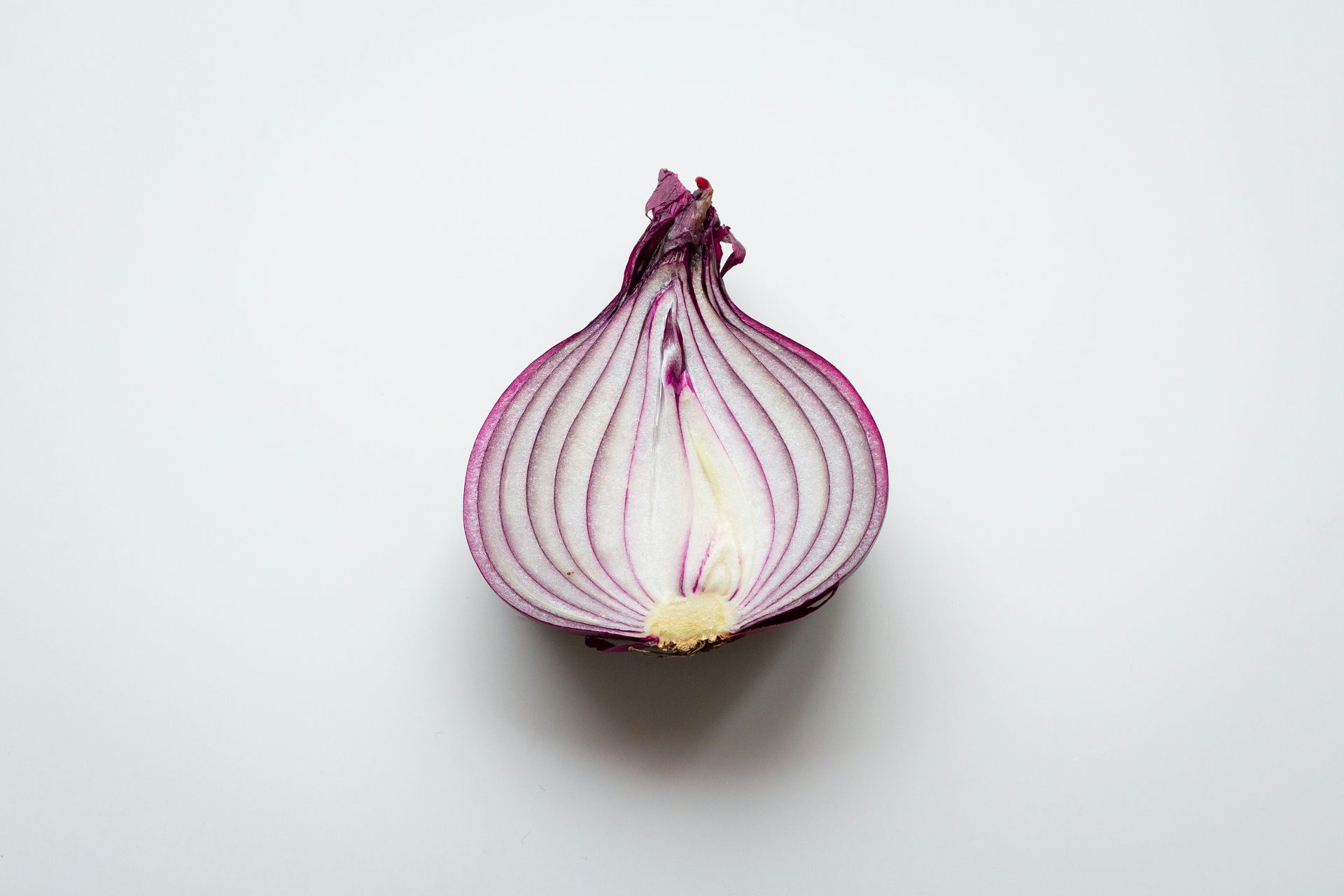
Onions are one of those ingredients you buy in bulk, use a few, and then watch the rest slowly soften in the pantry. If you’ve ever wondered whether you can freeze whole onions before they go bad, the short answer is yes — but with some important caveats that will save you a lot of frustration later.
Freezing is one of the most practical ways to extend the life of onions, cut down on meal prep time, and reduce food waste in your kitchen. Whether you scored a great deal on a large bag at the store or your garden produced more than you can use, this guide walks you through everything you need to know — from the right way to prep onions for the freezer to how long they last and exactly what to cook with them afterward.
Can You Freeze Whole Onions?
Freezing is usually not recommended for preserving whole onions, according to the National Center for Home Food Preservation . The reason comes down to practicality: you can freeze onions whole, but almost always when you use an onion, you’ll slice it in some way — and frozen onions can’t be cut. As they thaw, they soften and mush up under your knife.
That said, freezing whole onions isn’t impossible — it just requires an extra step. You must blanch when freezing whole onion bulbs, using a blanching time of three minutes for small onions and seven minutes for larger ones. For safe freezing, blanching must heat onions all the way to the center of the bulb.
There is one exception worth noting. Small (also called “pearl”) onions freeze well whole. Many home cooks peel these tiny onions and freeze them whole for adding to pot roast and beef stew. For standard yellow, white, or red onions, though, chopping or slicing before freezing is a much better approach — and the method the rest of this guide focuses on.
Pro Tip: Chill your onions in the refrigerator for 30 minutes before chopping. Cold onions release fewer fumes, which means fewer tears at the cutting board.
You can freeze any onion type — red onions, white onions, and yellow onions all freeze well. Sweet white onions are worth prioritizing since they go bad quickly because of their high sugar content. Freezing is an especially smart move if you buy onions in bulk at warehouse stores like Costco or Sam’s Club, which is common across the US.
Does Freezing Change the Texture or Taste of Whole Onions?
Yes — and it’s important to know this going in so you use frozen onions in the right dishes. Before freezing onions, it’s important to realize that freezing does change an onion. That pungent crunch that gives salads a snappy texture disappears as onions freeze.
The cell structure breaks down when the water inside the cells freezes, which is why thawed onions feel soft rather than crisp. Defrosted onions can get a little watery, so it’s best not to rely on them for caramelizing — the extra moisture content will prevent them from ever getting super sweet and golden brown.
On the flavor side, the news is better. Frozen onions retain much of their flavor, enhancing the taste of dishes without the prep work. Freezing fruits and vegetables at their peak actually preserves their nutrients, so frozen onions have the same vitamins and minerals as fresh onions.
Key Insight: Frozen onions work great in any dish where onions are cooked down — soups, stews, chili, casseroles, and sautés. Skip them for raw applications like salads, guacamole, or fresh salsa.
One more thing to keep in mind: frozen onions may cook faster than fresh onions, so keep an eye on cooking times. They can also release extra moisture, so cook them over medium-high heat to allow evaporation.
How to Freeze Whole Onions the Right Way
The most practical method is to chop or slice your onions before freezing. This saves you time later, makes portioning easy, and avoids the mushy-thaw problem that whole frozen onions create. Here’s how to do it properly.
Step-by-Step Instructions
- Peel and trim. Cut off both the stem and root ends of your onions and peel off the papery outer skins down to the more fleshy layers.
- Chop, dice, or slice. You can dice, chop, or slice your onion — having all three cuts in your freezer makes for easy meals. Think about which cuts you use most often in your cooking.
- Flash freeze for best results. Spread the onions out in a single layer on a baking sheet, pop it in the freezer, and flash freeze until frozen solid. This shouldn’t take more than 2–3 hours.
- Transfer to airtight bags. Once frozen solid, transfer the frozen onions to your preferred airtight storage container. Portioning into zip-top freezer bags and keeping a quart bag in your kitchen freezer makes them easy to grab.
- Remove as much air as possible. Squeeze out as much air as you can to prevent freezer burn and allow for as little headspace as possible.
- Label with the date. Always label your bags with the freezing date to keep track of their shelf life.
If you skip the flash-freeze step and pack onions directly into bags, pack enough that you can lay the bag flat and spread the onions out into a thin layer — when frozen in a thin layer, you can easily break the onions apart.
You also don’t need to blanch chopped or sliced onions. Onions can be frozen raw without blanching — their low enzyme activity means blanching offers no significant benefit. Blanching is only required if you’re freezing whole bulbs.
Pro Tip: Use a food processor with a pulse setting to speed up chopping large batches. Just avoid over-processing — a few pulses is all you need. Over-processing turns onions into liquid mush.
To control odor in your freezer, the key is to use high-quality freezer bags and seal them very well. You can double bag onions or place a bag in an airtight container before storing in the freezer. Placing an open box of baking soda in your freezer also helps absorb any lingering smell.
How Long Can You Freeze Whole Onions?
Storage time depends on how the onions are prepared before freezing. The table below gives you a clear breakdown by preparation method.
| Preparation Method | Best Quality Window | Safe to Eat |
|---|---|---|
| Diced or chopped (raw) | 3–6 months | Up to 12 months at 0°F |
| Sliced (raw) | 3–6 months | Up to 12 months at 0°F |
| Whole bulbs (blanched) | 3–6 months | Up to 12 months at 0°F |
| Caramelized/cooked | Up to 3 months | Up to 6 months |
Use onions within three to six months for best flavor. Storing longer won’t make them unsafe, but they will start to develop stronger flavors. Properly stored, frozen chopped onions will maintain best quality for about 12 months in the freezer, although they will usually remain safe to eat after that.
Frozen chopped onions that have been kept constantly frozen at 0°F will keep safe indefinitely, as long as they have been stored properly and the package is not damaged. That said, quality — not safety — is the real reason to use them within the recommended window. Learn more about storing whole plant-based foods for other tips on keeping produce at its best.
How to Thaw Frozen Onions
The good news: for most cooking, you don’t need to thaw frozen onions at all. Frozen onions are perfect for soups, stews, sauces, and sautés. When cooking with frozen onions, you can add them directly to the pot without thawing.
When you do need to thaw them, you have three options:
- Refrigerator method (best for texture): Transfer the needed amount to the refrigerator a few hours before cooking. This helps maintain their texture and flavor.
- Cold water method (faster): Place frozen onions in a bowl of cold water for about 30 minutes, making sure they are in a sealed bag to prevent water from getting in.
- Microwave method (quickest): Place the frozen onions in a microwave-safe dish and defrost on a low setting, checking frequently to avoid cooking them. Once thawed, pat them dry with a paper towel to remove any excess moisture.
Frozen chopped onions should be discarded if left for more than 6 hours at room temperature, as bacteria grow rapidly at temperatures between 40°F and 140°F. Never thaw onions on the counter and then refreeze them.
Can You Refreeze Whole Onions After Thawing?
Technically yes, but it comes at a cost. If you’ve thawed frozen onions and want to refreeze them, safety isn’t the main concern as long as the onions have been kept at a safe temperature and haven’t spoiled — refreezing onions is completely safe when done correctly. The key lies in how you’ve handled them between thawing and refreezing.
If onions have been left out at room temperature for over two hours (or one hour in hotter climates), discard them. But if they’ve remained refrigerated and you simply don’t need them all at once, refreezing is a practical solution — especially if the onions are destined for cooked dishes where texture isn’t as critical.
Refreezing onions multiple times is highly discouraged. Every time an onion is thawed and frozen again, it loses more moisture and flavor, and the texture worsens. Limit the number of freeze-thaw cycles to preserve quality.
Common Mistake: Freezing a large batch of onions in one bag forces you to thaw the entire bag every time you need some. Freeze in smaller, recipe-sized portions — about half a cup to one cup — so you only thaw what you need.
How to Use Frozen Onions (Best Uses After Freezing)
You can use frozen onions in the exact same way you’d use raw onions when cooking. They do lose their shape and texture slightly, but they work perfectly in casseroles, stir-fry, stews, soups, and other dishes. The key is sticking to cooked applications.
Here are the best ways to put frozen onions to work in everyday American cooking:
- Soups and stews: Drop frozen onions straight into the pot — they thaw almost instantly in hot liquid and add deep savory flavor to everything from chicken noodle soup to beef stew.
- Chili: After freezing, onions work best in soups, stews, sauces, chili, casseroles, and stir-fries. A handful of frozen diced onions goes straight into the pot with your ground beef.
- Eggs and breakfast dishes: You can use frozen onions in stir-fries, scrambled eggs, omelets, and breakfast burritos for added flavor and nutrients.
- Fajitas and Tex-Mex: Freeze onion slices with some strips of bell peppers for quick and easy fajitas. This is a great meal-prep hack for busy weeknights.
- Casseroles and slow cooker meals: Frozen onions are ideal for dump-and-go slow cooker recipes like pot roast, pulled pork, or chicken and rice.
- Caramelized onions: The texture of a fresh onion will naturally break down during the freezing process, so you won’t want to enjoy thawed onions raw — but they will be delicious sautéed, caramelized, grilled, or roasted.
You can also explore how onions and other vegetables fit into a broader healthy eating approach. Onions are a staple in many foods that support heart health and appear frequently in foods that promote liver function. For a broader look at nutrition-forward eating, see this overview of powerful nutrients found in everyday foods.
The only major difference when cooking with frozen onions is that they release more water during cooking than fresh ones. You may need to adjust cooking times to allow that extra moisture to evaporate. Cooking over medium-high heat at the start helps drive off the extra liquid faster.
Signs That Frozen Onions Have Gone Bad
Frozen onions rarely become unsafe, but they can reach a point where quality drops enough that they’ll hurt your dish rather than help it. Here’s what to look for before you cook with them.
| Sign | What It Means | What to Do |
|---|---|---|
| Dry white or grayish patches | Freezer burn from air exposure | Safe to eat but texture and taste suffer — trim affected areas |
| Sour or off smell when thawed | Spoilage or flavor degradation | Discard |
| Browning or black spots | Possible fungal or bacterial contamination | Discard |
| Slimy or mushy texture after thawing | Breakdown from improper storage or too many freeze-thaw cycles | Discard |
| Yellow or brown color shift | Quality has degraded significantly | Discard |
If dry spots or discolorations have developed on the frozen onions, freezer burn has begun to set in — this will not make the frozen onions unsafe to eat, but it will harm the texture and taste. Mild freezer burn on the edges of diced onions is common and usually fine to cook with; just trim what you can and use the rest in a long-simmered dish.
Fresh frozen onions should have a sweet, mild aroma. If they smell sour, bitter, or unpleasantly pungent, they’ve likely gone bad. When you cook with spoiled frozen onions, they can impart a bitter flavor to your dishes. When in doubt, throw them out — onions are inexpensive enough that it’s not worth risking a ruined meal.
Browning, black spots, or mold growth are clear signs of spoilage that can indicate fungal or bacterial contamination. These onions should go straight in the trash.
Frequently Asked Questions
Do you have to blanch onions before freezing them whole?
Only if you’re freezing them whole. The National Center for Home Food Preservation says blanching is not required for diced or sliced onions, but they do recommend blanching whole onions. For chopped or sliced onions, skip the blanching — it’s an unnecessary step that actually changes the texture.
Can you freeze onions that are starting to sprout or go soft?
For best flavor, freeze onions at their peak freshness. That said, if you notice some onions starting to go soft or starting to sprout, freeze them right away before they spoil. Sprouting doesn’t make onions unsafe — it just means they’re past peak. Chop and freeze them immediately and use them in cooked dishes.
Will frozen onions smell up my freezer?
The onion odor is under lock-and-key in a thick freezer-safe zip-top food storage bag or other airtight food storage container — no stinky freezer. The key is using proper freezer bags, not thin sandwich bags. Double-bagging adds an extra layer of protection.
Can you freeze cooked onions?
Yes. You can save even more time by sautéing onions to freeze for later. Cool them completely, package in small portions, and chill in the fridge before freezing. Caramelized onions freeze especially well and are a great shortcut for burgers, dips, and flatbreads. Freeze caramelized onions in ice cube trays for easy portioning.
How long do thawed onions last in the refrigerator?
If you’ve thawed frozen onions and don’t plan to use them immediately, store them in the refrigerator in a covered container to prevent moisture from accumulating — and use them within a day or two. Don’t let thawed onions sit out on the counter.
Can you freeze green onions or scallions?
Young green onions may be chopped for salads and cooking and frozen without blanching, but they will not be crisp. They work well as a cooked topping or mixed into warm dishes. Simply chop and freeze using the same method as regular onions. For more ideas on getting the most out of everyday ingredients, check out this guide to foods that support healthy skin or explore foods that promote healthy eyesight — onions appear in both categories thanks to their antioxidant content.
Is it cheaper to freeze your own onions versus buying frozen?
Oftentimes it’s cheaper to buy a bigger bag of onions than individual ones. Freezing the extras you can’t use right away lets you pay less all the way around. A 5-pound bag of yellow onions from a US grocery store typically costs far less per ounce than pre-diced frozen onions from the freezer aisle, making DIY freezing a smart budget move.