Can You Freeze Pineapple Juice? Everything You Need to Know

November 13, 2026
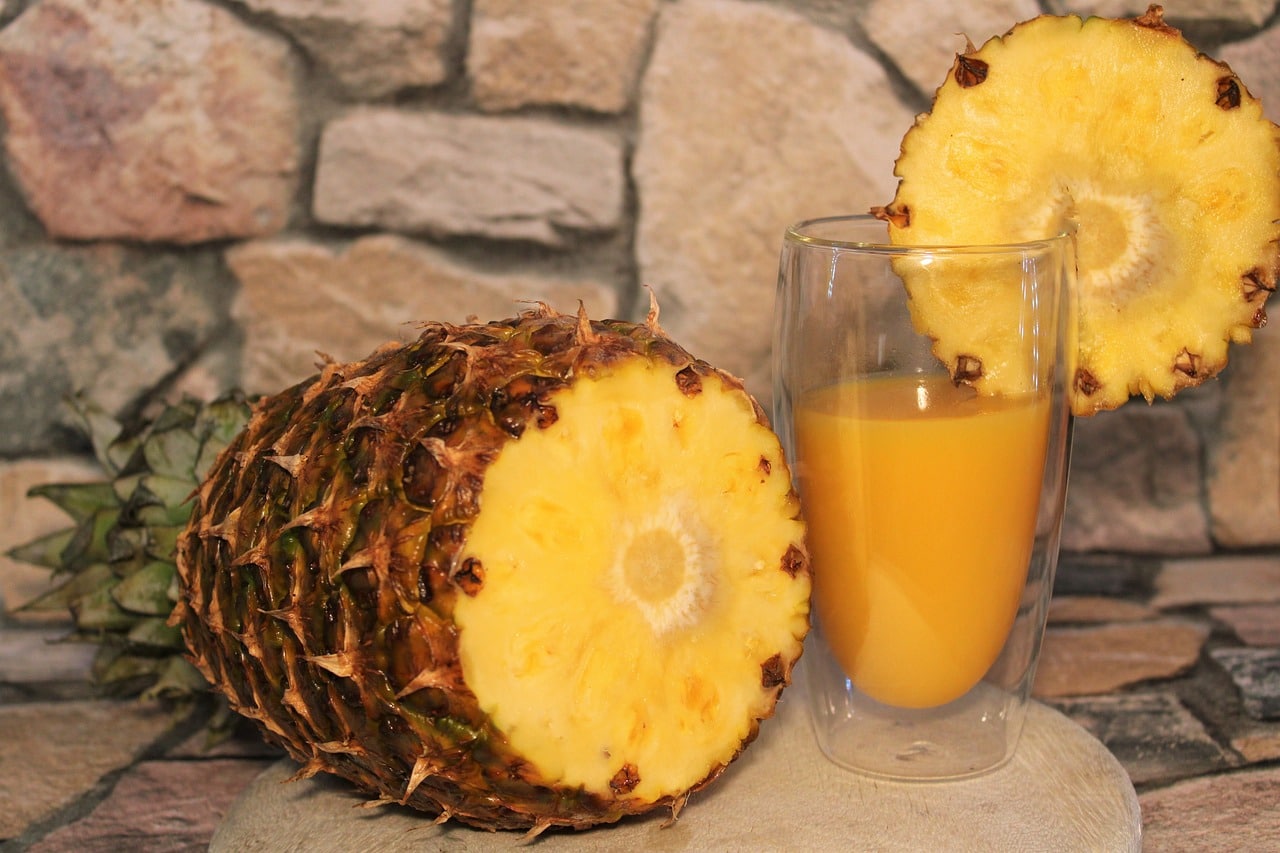
Pineapple juice is one of those pantry staples that always seems to run out at the wrong time — or leave you with more than you can use before it goes bad. When you open a carton of pineapple juice, you often have to use it all up within two days, which is not a long time. Freezing is a simple fix that most people overlook.
Whether you juiced a fresh pineapple at home, cracked open a can, or bought a carton from the grocery store, freezing gives you a practical way to preserve every last drop. This guide walks you through everything you need to know — from how freezing affects flavor and texture to the best thawing methods and smart ways to put that frozen juice to work.
Can You Freeze Pineapple Juice?
Yes, you can freeze pineapple juice, whether it’s from a tin of canned pineapples or from a carton, for between 8 and 12 months. It’s one of the easier liquids to freeze because of its natural sugar and acid content.
Pineapple juice doesn’t last as long as other juices because it has natural acids and enzymes. These enzymes, like bromelain, can break down proteins and cause the juice to spoil faster. Freezing puts that process on pause, which is exactly why it’s such a useful storage method.
Freezing pineapple juice presents several advantages, including extended shelf life — fresh pineapple juice has a limited shelf life due to its natural sugars and nutrients, and freezing can significantly extend its longevity. Having frozen pineapple juice on hand also allows you to add it to various recipes or beverages whenever you want, eliminating waste.
Pro Tip: Freeze pineapple juice in ice cube trays first, then transfer the cubes to a freezer bag. You can pull out exactly what you need without thawing an entire container.
Does Freezing Change the Texture or Taste of Pineapple Juice?
Freezing pineapple juice can slightly alter its texture and taste due to the separation of water and solids during the freezing and thawing process. The juice may appear somewhat cloudy or have a grainy texture after thawing, but the flavor generally remains intact if stored properly.
Here’s a quick breakdown of what to expect after thawing:
| Quality Factor | What Happens After Freezing | Impact on Use |
|---|---|---|
| Texture | May become slightly grainy or cloudy | Low — a stir or shake fixes it |
| Flavor | Sweet and tangy taste largely preserved | Minimal — still works great in recipes |
| Nutrition | Most vitamins and minerals retained | Negligible for short storage periods |
| Color | May appear slightly darker over time | Cosmetic only if within storage window |
The natural sugars and pulp may crystallize, leading to a slight change in mouthfeel. Pineapple juice tends to maintain its sweet and tangy flavor, although some subtle changes may occur. Freezing preserves most vitamins and minerals, though vitamin C content may degrade slowly over time.
You may notice some slight change in texture or flavor if you are thawing out the juice to drink, but for any other use, there will be no difference — and by the time it is added to your recipe, you won’t notice any changes. In other words, it works perfectly in smoothies, marinades, and cocktails even if the texture isn’t quite as smooth for drinking straight.
How to Freeze Pineapple Juice the Right Way
The method you choose depends on how you plan to use the juice later. Freezing in larger portions works well for cooking and baking, while ice cube trays give you more flexibility for everyday use.
Method 1: Freezing in Containers (Best for Large Portions)
- Choose your containers. Make sure they have lids that seal tightly. Freezer-safe bottles work well too.
- Leave headspace. Make sure you leave a good inch or two gap at the top of each container. The pineapple juice will expand when it freezes, and if you don’t leave this gap, the juice may burst out of the containers.
- Seal and label. This protects your freezer from spills and also helps keep the pineapple juice airtight and protected. Label it with the date and contents and pop the containers into the freezer.
Method 2: Freezing in Ice Cube Trays (Best for Flexibility)
- Pour pineapple juice into an ice cube tray, leaving a small gap at the top of each section for expansion.
- Put the ice cube trays carefully into the freezer. Keep them flat until the juice has frozen. Keep the pineapple juice in the freezer for two to three hours.
- Once you are sure the pineapple juice is completely frozen, take the ice cube trays out of the freezer. Transfer the pineapple ice cubes from the trays into a freezer bag. Squeeze out the air from the bag and seal it tightly. Label the bag with the date and name of the ice cubes and pop it back into the freezer.
Pro Tip: Make sure you keep your pineapple juice completely airtight in the freezer. This will protect it from losing its flavor and will also help keep it from degrading.
If you’re starting from fresh pineapple, freeze the fresh pineapple juice in portions within a large or extra-large silicone ice cube tray. That way, you can thaw just the right amount or even add it directly to a smoothie or slushy. For more ideas on getting the most from nutrient-rich foods, check out this guide to whole plant-based foods.
How Long Can You Freeze Pineapple Juice?
Consume frozen pineapple juice within 6 to 12 months for optimal taste and nutrient retention. That said, the sooner you use it, the better the quality.
It is best to consume frozen pineapple juice within 3 to 6 months for optimal taste. Beyond that window, the juice is still safe but may taste noticeably flatter. Think of the 3–6 month mark as the sweet spot for flavor, and the 12-month mark as the hard cutoff for quality.
| Storage Method | Shelf Life | Quality Notes |
|---|---|---|
| Room temperature (opened) | A few hours | Bacteria grow quickly |
| Refrigerator (fresh-squeezed) | 2–3 days | Best flavor window |
| Refrigerator (opened carton) | Up to 1 week | Check use-by date |
| Freezer | Up to 12 months | Best quality within 3–6 months |
The key factor in flavor loss is storage time and conditions. If you store your frozen pineapple juice at a consistent, very low temperature — ideally at or below 0°F (-18°C) — it can maintain its flavor for a relatively long time.
Pineapple juice is also a good source of heart-healthy nutrients like potassium and vitamin C, and freezing preserves most of those benefits within the first few months of storage.
How to Thaw Frozen Pineapple Juice
How you thaw pineapple juice matters almost as much as how you freeze it. Rushing the process can degrade both flavor and safety.
- Refrigerator (recommended): Transfer it from the freezer to the refrigerator and allow it to thaw slowly overnight. This gradual thawing helps maintain the flavor and texture of the juice.
- Cold water bath (faster option): Place the sealed container in a bowl of cold water. Change the water every 30 minutes until thawed. Use the juice immediately after.
- Microwave (quickest, use with care): If you’re in a hurry, you can use a microwave on the defrost setting, but be cautious to avoid cooking the juice.
- Room temperature (avoid when possible): Avoid thawing at room temperature, as this may lead to undesirable changes in taste and quality.
After thawing, give the juice a good shake or stir, as separation is common after freezing, and you want to ensure an even consistency before enjoying it.
Use it within 48 hours of thawing for the best results. Don’t let thawed juice sit in the fridge for days — treat it like freshly opened juice.
Can You Refreeze Pineapple Juice After Thawing?
Refreezing pineapple juice after it has been thawed is generally not recommended. Each freeze-thaw cycle can affect the juice’s texture and taste, leading to a less enjoyable flavor profile. Additionally, repeated thawing and refreezing may increase the risk of bacterial growth, especially if the juice has been left out at room temperature for too long.
This is the strongest argument for freezing in small portions from the start. Ice cube trays let you thaw only what you need, so you never end up with leftover thawed juice you can’t refreeze.
If you find yourself with leftover thawed juice, consider using it in cooking or baking recipes where the change in texture won’t be as noticeable. For example, you could add it to smoothies, marinades, or salad dressings to take full advantage of its fruity flavor without needing to refreeze it.
Important Note: Never refreeze pineapple juice that was thawed at room temperature. Room-temperature thawing accelerates bacterial growth, and refreezing does not eliminate bacteria that may have already developed.
How to Use Frozen Pineapple Juice (Best Uses After Freezing)
Frozen pineapple juice is surprisingly versatile. Whether you’re blending, cooking, or mixing drinks, it holds up well across a wide range of uses.
Smoothies and Drinks
Add frozen pineapple juice to your smoothies for an added tropical flavor. Combining it with spinach, banana, or yogurt creates a nutritious beverage. You can drop the cubes directly into the blender without thawing — they act as both the juice and the ice.
Marinades for Meat
Use pineapple juice as a marinade for meats, poultry, or seafood. Its enzymes help tenderize the proteins and impart a sweet and tangy flavor. This works especially well on pork and chicken. Pineapple juice makes a delicious marinade — you can add it to meat and refrigerate for a few hours, or add it to your slow cooker. The enzymes in the juice make your meat so tender. The bromelain enzyme responsible for this tenderizing effect is the same one linked to anti-inflammatory dietary benefits.
Cocktails and Mocktails
Frozen pineapple juice makes an excellent base for cocktails. Blend it with rum or vodka for a delightful tropical drink. Thawed pineapple juice works well in piña coladas, mai tais, and pineapple margaritas. For mocktails, mix it with sparkling water and a squeeze of lime for a refreshing non-alcoholic option.
Sauces, Glazes, and Dressings
Pineapple juice can be reduced and thickened to create flavorful sauces for grilled dishes, stir-fries, or as a glaze for roasted meats. Combine pineapple juice with olive oil, vinegar, and herbs to make a tangy and flavorful dressing for salads or grilled vegetables.
Frozen Desserts
For a refreshing dessert, blend thawed pineapple juice with coconut milk and a touch of sweetener, then freeze in a shallow dish for a few hours. Scrape with a fork to create a sorbet texture. You can also freeze pineapple juice directly in popsicle molds for a simple summer treat. For more inspiration on how tropical fruits support overall wellness, see this overview of powerful nutrients found in everyday foods.
Baking
Thawed pineapple juice adds moisture and natural sweetness to quick breads, muffins, and upside-down cakes. It pairs particularly well with coconut, ginger, and vanilla-based recipes. Use it anywhere a recipe calls for fruit juice or a splash of citrus.
Signs That Frozen Pineapple Juice Has Gone Bad
Freezing extends shelf life, but it doesn’t make pineapple juice last forever. Check for these warning signs before using anything that’s been in the freezer for a while.
- Sour or fermented smell: If it smells sour or fermented like beer or wine, it’s gone bad, and it’s best to throw it away.
- Unusual cloudiness or bubbles: Small bubbles or cloudiness in the juice are signs of fermentation and should be avoided.
- Significant color change: Over time, the color of the juice may change and become darker, which is another sign of spoilage.
- Swollen or damaged container: If the bottle is swollen or the lid pops when you open it, it’s time to throw out that juice.
- Off taste after thawing: Look for any signs of spoilage, such as strange odors, discoloration, or a change in taste. If you notice any of these indicators, it’s best to discard the juice.
- Severe freezer burn: Heavy ice crystals on the surface, combined with a dry or shrunken appearance, signal that quality has degraded beyond use. The juice is technically safe but won’t taste good.
When in doubt, trust your senses. A quick sniff and visual check before using thawed juice takes only seconds and can prevent a ruined recipe — or worse, a food safety issue. Keeping your diet full of fresh, properly stored foods is one of the pillars of healthy eating habits that show up in your overall wellness.
Frequently Asked Questions
Can you freeze store-bought pineapple juice in its original carton?
It’s not a good idea to freeze juice in its original carton. Cardboard packaging isn’t designed for freezer temperatures, and the juice will expand as it freezes, potentially splitting the container. Transfer the juice to a freezer-safe container or ice cube tray before freezing.
Does canned pineapple juice freeze the same way as fresh?
Yes — you can freeze pineapple juice whether it’s from a tin of canned pineapples or from a carton. The process and storage times are the same. Just make sure to transfer the juice out of the can first, since you should not freeze the fruit in the can, as it can swell or explode.
Will frozen pineapple juice lose its bromelain?
While freezing does alter the texture and taste of certain foods, most studies indicate that the nutritional value of pineapple juice largely remains intact. Vitamins such as C remain stable during the freezing process, although some antioxidant properties may diminish over time. Bromelain activity may decrease slightly over extended storage, so use your frozen juice within the first few months for maximum nutritional benefit. You can learn more about how bromelain and other compounds support your health in this guide to foods that support liver function.
How much headspace should I leave when freezing pineapple juice?
Leave sufficient space — around 1 inch — at the top of the container to allow for expansion as the juice freezes. For ice cube trays, fill each section about three-quarters full for the same reason.
Can you use frozen pineapple juice cubes directly in a blender?
Yes. This is actually one of the best uses for frozen pineapple juice cubes. Drop them straight into your blender with other smoothie ingredients — they function as both the juice and the ice, giving you a thicker, colder result without diluting the flavor. You can thaw just the right amount of frozen pineapple juice or even add it directly to a smoothie or slushy.
Is it safe to freeze homemade pineapple juice?
If you refrigerate fresh-squeezed pineapple juice, you have around 2 to 3 days to drink it up. Freezing it right after juicing extends that window significantly. Use freshly extracted or high-quality store-bought pineapple juice for best results — the fresher the juice going in, the better it tastes coming out. For more on how fresh tropical fruits fit into a balanced diet, take a look at this article on foods that support long-term health.