Can You Freeze Butternut Squash? Everything You Need to Know

October 29, 2026
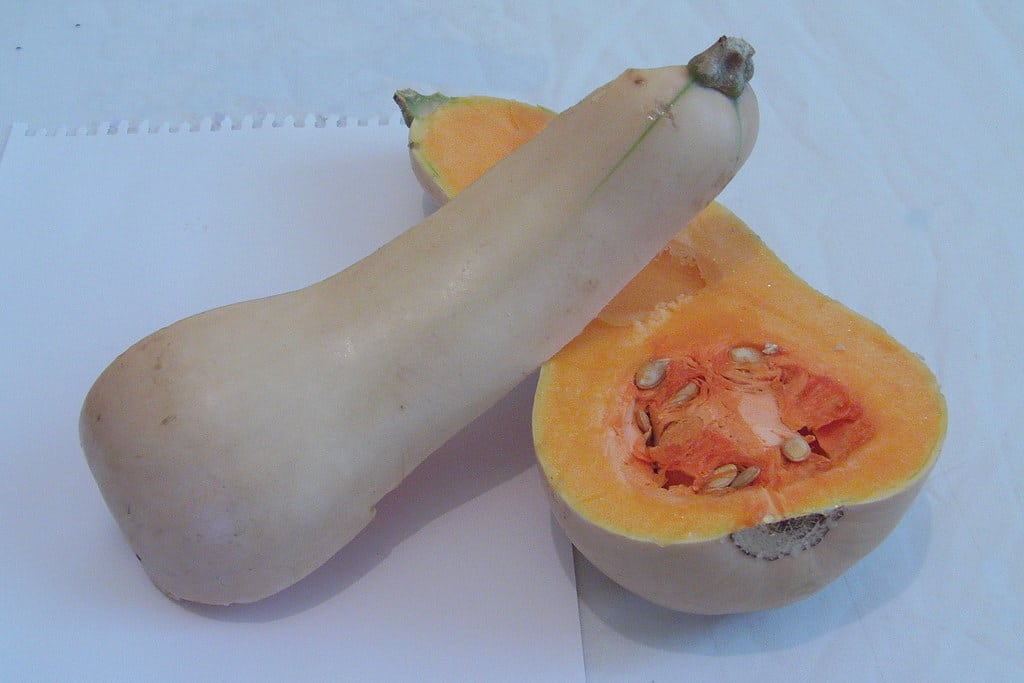
Yes, you can absolutely freeze butternut squash — and it’s one of the more freezer-friendly vegetables you’ll find in the produce aisle. Whether you picked up too many at the farmers market, scored a great deal at the grocery store, or harvested more from your garden than you can use in a week, freezing is a smart, practical way to hold on to that sweet, nutty flavor for months.
The process is straightforward, and you have a few different options depending on how you plan to use the squash later. This guide walks you through everything: how freezing affects texture and taste, the best methods for freezing, how long it keeps, how to thaw it properly, and what to cook once it comes out of the freezer.
Can You Freeze Butternut Squash?
Butternut squash freezes really well, whether raw, roasted, or puréed. Freezing allows you to enjoy its creamy texture and subtly sweet flavor even when it’s out of season or when you have an excess harvest.
You can freeze it raw, blanched, or cooked — each method has its own advantages depending on how you plan to use it. Freezing butternut squash at peak ripeness not only extends its shelf life but also locks in the nutrients and flavors, making it a convenient and healthy option for winter meals.
If you’re looking for a vegetable that rewards a little prep work with months of convenience, butternut squash delivers. It’s a staple in American kitchens for a reason — from Thanksgiving soups to weeknight grain bowls, having it ready in the freezer saves real time.
Pro Tip: Choose squash with a smooth, hard skin and no blemishes before freezing. A firm, unblemished exterior and deep tan color signal ripeness, which means better flavor after thawing.
Does Freezing Change the Texture or Taste of Butternut Squash?
Freezing can alter the texture and taste of butternut squash to some extent. After thawing, the squash may become slightly softer compared to its fresh counterpart. However, this texture change is usually not significant and can still be enjoyed in various recipes.
Freezing vegetables will begin to break down the cell walls, so the thawed squash will be softer and may leak a little. The change in texture is most noticeable in raw butternut squash. It doesn’t affect butternut soup or purees, though.
When it comes to flavor, the news is better. Freezing does not typically affect the sweetness or flavor of the butternut squash. The natural sugars in the squash remain intact, ensuring that the frozen version retains its delicious, slightly sweet taste.
The nutritional content of butternut squash remains relatively stable after freezing. However, it is important to note that some vitamins, such as vitamin C, may be slightly reduced during the freezing process.
| Form Frozen | Texture After Thawing | Flavor After Thawing | Best Use |
|---|---|---|---|
| Raw cubes (unblanched) | Softer, slightly mushy | Unchanged | Soups, stews, curries |
| Blanched cubes | Firmer, better structure | Unchanged | Roasting, stews, sides |
| Cooked puree | Smooth, no change | Unchanged | Soups, baking, baby food |
How to Freeze Butternut Squash the Right Way
You have three solid methods to choose from: raw cubes, blanched cubes, and cooked puree. The right one depends on how you plan to cook the squash later.
Method 1: Raw Cubes (Flash Freeze)
The best way to freeze raw butternut and other varieties of winter squash is in one-inch cubes, after first peeling it and removing the seeds. Peel and cut the squash into one-inch chunks. Spread the pieces in a single layer on a parchment or wax paper-lined baking sheet and place in the freezer. When completely frozen, transfer the squash to a freezer-safe bag or container with about 1/2 inch headspace to allow for food expansion.
Place the squash cubes on a parchment paper-lined rimmed baking sheet, leaving space between each cube to prevent squash from sticking together. Transfer the baking sheet to the freezer until the squash is completely frozen. Then, transfer the frozen squash cubes to a resealable plastic bag or sealed storage container, label with the date and contents, and store in the freezer until ready to use.
Method 2: Blanched Cubes
Blanching adds a few extra minutes of prep but pays off in quality, especially if you plan to store the squash for longer than a couple of months. Blanching first helps preserve texture, color, and flavor during freezing. Blanching stops enzymes that cause flavor and texture loss. It’s not required for safety, but it keeps your frozen squash tasting its best.
Blanching involves briefly boiling the squash cubes for about 2–3 minutes, then plunging them into ice water to stop the cooking process. This helps preserve the color, texture, and flavor of the squash during freezing. After draining and patting the cubes dry, flash freeze them on a lined baking sheet before transferring to freezer bags.
Method 3: Cooked Puree
When cooked, the best way to freeze winter squash is as a purée, which holds up well once thawed. The best method is to portion the puréed squash, then freeze for later. Purées can be frozen in ice cube trays, muffin tins, and in small portions (about 1/2 cup) on a parchment or wax paper-lined baking sheet.
Once you have the raw butternut squash cubed, you can roast, microwave, or steam until cooked through. It’s not recommended to season the squash at this stage, as you’ll be seasoning according to your recipes at a later date. Once pureed and portioned, freeze until solid and then transfer the pucks to labeled freezer bags.
Pro Tip: Don’t add liquid when pureeing butternut squash for freezing. Adding liquid at this stage can affect the consistency of the puree when you use it later in recipes.
Butternut squash is a whole plant-based food packed with nutrients, so preserving it well through proper freezing technique is worth the small upfront effort.
How Long Can You Freeze Butternut Squash?
When stored properly, frozen butternut squash can last in the freezer for up to 10 to 12 months. However, for the best flavor and texture, it’s ideal to use it within 6 months. Over time, frozen squash may lose some of its freshness and flavor, so try to use it within this optimal window.
Properly stored, frozen squash will maintain best quality for about 12 months in the freezer, although it will usually remain safe to eat after that. Frozen squash that has been kept constantly frozen at 0°F will keep safe indefinitely, as long as it has been stored properly and the package is not damaged.
- Raw cubes (unblanched): Best within 3–6 months for peak quality
- Blanched cubes: Up to 10–12 months in a standard freezer
- Cooked puree: Up to 3–6 months for best flavor; up to 12 months in a deep freezer
Always label your freezer bags with the date so you know exactly how long your squash has been stored. It’s important to squeeze out as much air as possible from the bags to avoid freezer burn. You can also vacuum seal the squash for optimal preservation.
How to Thaw Frozen Butternut Squash
How you thaw frozen butternut squash depends on what you’re making. You have three practical options.
In the refrigerator (best method): If you have the foresight, allow frozen butternut squash to defrost overnight in the refrigerator. This slow thawing method is gentle and helps maintain the squash’s texture.
In the microwave (quick method): If you’re pressed for time, use the microwave to defrost the frozen butternut squash, or add the frozen puree to a pan and stir over medium heat until it has thawed.
Straight from frozen (no-thaw method): If you’re using the butternut in a soup, curry, or anything similar that’s cooked on the stove, you can often skip defrosting and throw the butternut in frozen. Any liquids already in the pot or skillet will defrost the vegetable in no time. Just remember to watch it closely so that it doesn’t burn, and add a couple of extra minutes to the cooking time to adjust for defrosting the squash.
Pro Tip: When roasting thawed butternut squash, pat the cubes dry with paper towels first. Excess moisture on the surface will cause the squash to steam rather than roast, and you’ll miss out on caramelization.
Keep in mind that when you’re cooking with defrosted butternut squash, it’s already quite soft, and cooking it will take less time than cooking a raw one.
Can You Refreeze Butternut Squash After Thawing?
Technically you can, but it’s not ideal. Vegetables, particularly those like butternut squash that are high in water content, release moisture when they thaw. This moisture, when refrozen, forms ice crystals that can rupture the cells of the squash, which is what leads to the soft, mushy texture many people encounter when they thaw refrozen squash.
In addition, refreezing can cause the loss of some of the squash’s flavor. Freezing and thawing can alter the delicate balance of sugars and starches in the squash, leading to a slight loss in taste or a slight change in flavor profile. While these changes may not be noticeable in cooked dishes, the squash may not be as crisp or firm as fresh squash, making it less desirable in certain applications, such as salads or as a standalone side dish.
You can refreeze, but texture may suffer. If it’s puréed or in soup, refreezing is fine. For best results, freeze in smaller portions to avoid refreezing.
Once butternut squash is cooked and then frozen, refreezing it after it has been reheated is also ill-advised. This can introduce the possibility of bacterial growth and cross-contamination, making the squash unsafe to eat.
The simplest fix is to freeze in meal-sized portions from the start. That way, you only pull out what you need and never have to deal with the question of refreezing at all.
How to Use Frozen Butternut Squash (Best Uses After Freezing)
Frozen butternut squash is a versatile ingredient to incorporate into savory and sweet dishes. “Add it to soups and stews, either as a creamy base, or to add in some texture. It’s a great addition to stir fries, curries, frittatas, and chili,” says recipe developer Alexis DeBoschnek.
Squash can also be used for baking, in muffins, sweet loaves, or even cakes. Pureed frozen squash works as a 1:1 substitute for canned pumpkin puree in most recipes, which makes it especially handy for fall baking. You can also blend it into smoothies for a nutrient boost without much flavor impact.
Here are the best ways to use frozen butternut squash based on how you froze it:
- Raw or blanched cubes: Soups, stews, chili, roasted vegetable medleys, grain bowls, and casseroles
- Cooked puree: Butternut squash soup, pasta sauce, risotto, muffins, pancakes, and baby food
- Straight from frozen: Drop cubes directly into simmering soups, stews, or curries — no thawing needed
Butternut squash pairs well with warming spices like cinnamon, nutmeg, and cumin, and it holds up well in slow-cooker meals. If you’re looking to add more heart-healthy foods to your weekly meals, butternut squash is a strong candidate — it’s rich in potassium, fiber, and beta-carotene.
For anyone focused on foods that support healthy skin, butternut squash’s high vitamin A and antioxidant content makes it worth keeping stocked in your freezer year-round. It also appears on lists of nutrients and foods associated with cancer-fighting properties, thanks to its carotenoid content.
Pro Tip: For roasting frozen cubes, skip thawing and go straight from freezer to a 425°F oven on a well-oiled baking sheet. Space the cubes out so they roast rather than steam, and add 10–15 extra minutes to your usual cook time.
Signs That Frozen Butternut Squash Has Gone Bad
Frozen butternut squash rarely becomes unsafe to eat, but it can lose quality over time. Here’s what to look for before you cook with it.
If dry spots or discoloration have developed on the frozen squash, freezer burn has begun to set in — this will not make the squash unsafe to eat, but it will harm the texture and taste. Mild freezer burn on the edges of a few cubes is usually fine; you can cut those spots off and use the rest.
If you notice any discoloration, off smells, or frost buildup in the bag, these may be signs that the squash has suffered from freezer burn or improper storage, and it may not taste as good once cooked.
Watch for these specific signs before using your frozen squash:
- Heavy frost or ice crystals inside the bag: Signals temperature fluctuations or a poorly sealed bag
- Gray or brown discoloration: Indicates oxidation or significant freezer burn
- Sour or off smell after thawing: The squash has likely spoiled and should be discarded
- Excessively slimy texture after thawing: Normal thawed squash is soft but not slimy; sliminess means spoilage
- Unusual liquid pooling in the bag: Can indicate repeated temperature changes that have degraded the squash
Frozen squash should be discarded if left for more than 6 hours at room temperature, as bacteria grow rapidly at temperatures between 40°F and 140°F. If you thaw squash on the counter and forget about it for several hours, it’s safer to throw it out.
Proper storage from the start is the best way to avoid these issues. Airtight bags with the air squeezed out, a consistent freezer temperature of 0°F, and clear date labels go a long way toward keeping your squash in good shape. For more on anti-inflammatory and healing foods worth adding to your kitchen rotation, butternut squash fits right in alongside other nutrient-dense produce.
Frequently Asked Questions
Can You Freeze Butternut Squash Without Blanching?
When it comes to butternut squash, whether or not you blanch it before freezing is entirely up to you. Some vegetables you have to blanch, or they won’t hold up well in the freezer; butternut does just fine either way. Blanching stops or slows the enzymes that break down food, and in the case of butternut squash, blanching is more about flavor and color than food safety. If you plan to use the squash within 3 months, skipping blanching is perfectly reasonable.
Can You Freeze a Whole Butternut Squash?
While you can freeze a whole butternut squash, it’s not the best way to do it. Preparing the squash before freezing makes things easier on yourself. The result is much easier to work with when cooking, and you’ll end up with much better flavor and good color. Peeling and cubing before freezing also saves you from having to wrestle with a rock-hard frozen squash later.
Can You Freeze Butternut Squash Soup?
Yes. Put butternut squash soup into containers or freezer bags with enough room for it to expand before freezing. Soup freezes very well and is one of the best applications for frozen butternut squash puree. Thaw overnight in the fridge and reheat on the stovetop over low heat, stirring occasionally.
How Do You Know When Frozen Butternut Squash Is Done Cooking?
Frozen butternut squash cooks faster than fresh because the freezing process has already begun to soften the cell structure. When roasting, look for golden-brown edges and a fork-tender interior. When adding to soups or stews, the cubes are done when they yield easily to a spoon — usually within 10–15 minutes of simmering. When cooking with defrosted butternut squash, it’s already quite soft, so cooking it will take less time than cooking a raw one.
Is Frozen Butternut Squash as Nutritious as Fresh?
The nutritional content of butternut squash remains relatively stable after freezing. However, some vitamins, such as vitamin C, may be slightly reduced during the freezing process. The key fat-soluble nutrients like beta-carotene and vitamin A are largely preserved. For anyone focused on liver-supporting foods or foods that promote healthy eyesight, butternut squash remains a strong choice whether fresh or frozen — beta-carotene converts to vitamin A, which plays a direct role in eye health.
Can You Freeze Butternut Squash After It Has Been Cooked in a Dish?
Yes, in most cases. You can often double or triple your recipe and freeze the leftovers. It’s super convenient, as instead of defrosting an ingredient, you’re defrosting a ready-to-eat dish. Just make sure the dish has cooled completely before freezing, and store it in airtight, freezer-safe containers with a date label. Dishes like butternut squash soup, curry, and casseroles all freeze well and reheat easily on busy weeknights.