Can You Freeze Imitation Crab? Everything You Need to Know

October 29, 2026
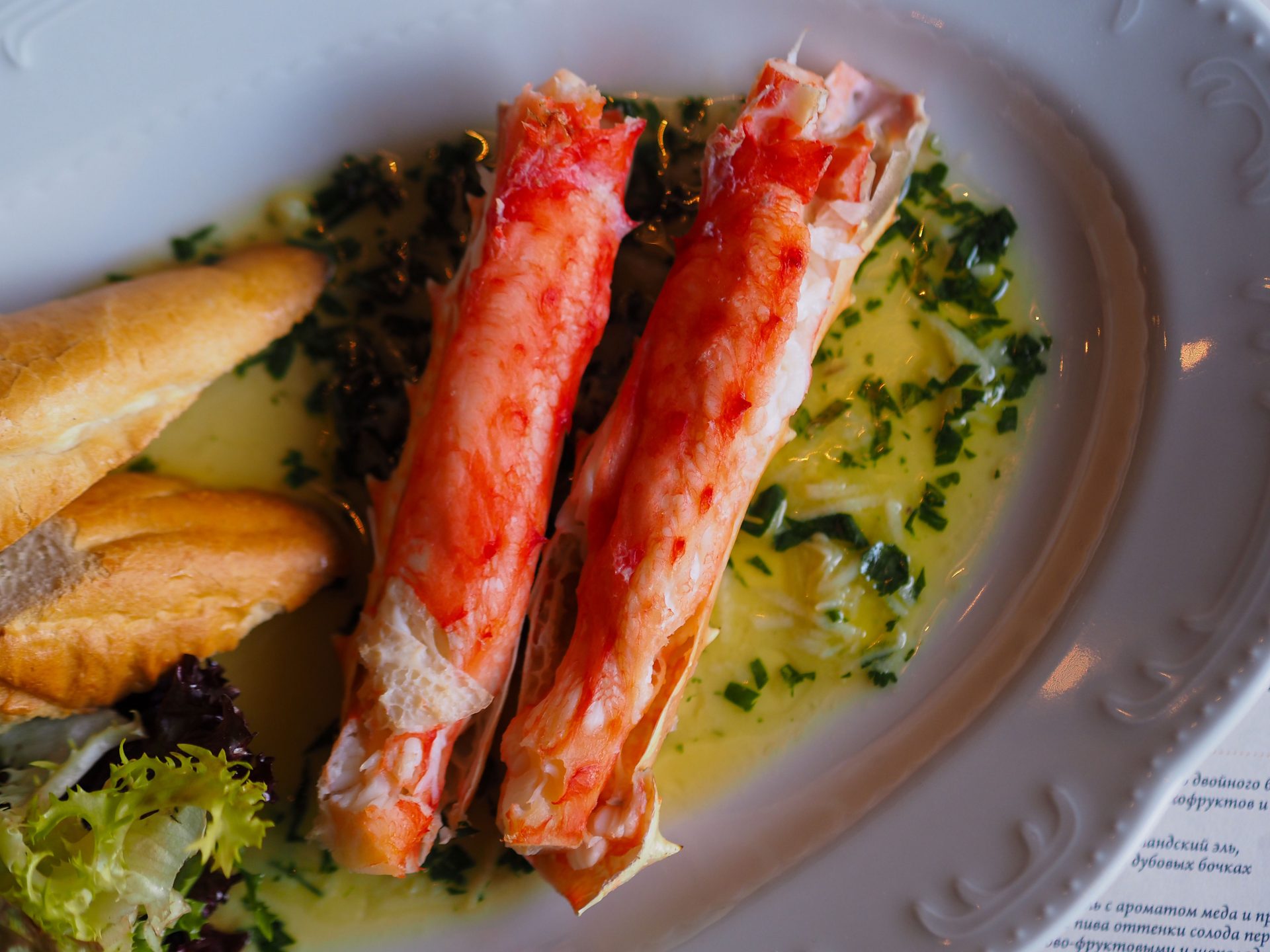
Imitation crab is one of those refrigerator staples that disappears fast — until it doesn’t. Maybe you bought a few packages on sale, or you have half a bag left after making California rolls. Either way, the question comes up: can you freeze imitation crab before it goes bad?
The short answer is yes, you can freeze it. Sometimes imitation crab is actually purchased from the store frozen, but even if you bought a refrigerated type, you can stash it in the freezer as soon as you get home, or freeze what’s left of an opened package. That said, there are a few things worth knowing before you toss it in the freezer — especially if you want it to still taste good when you pull it out weeks later.
Can You Freeze Imitation Crab?
Imitation crab meat is a Japanese seafood product made of surimi (pulverized whitefish) and starch, shaped and cured to resemble the leg meat of snow crab. Often called “surimi,” it’s made from white fish — usually Alaskan pollock — that’s processed and flavored to mimic the taste and texture of real crab.
Yes, you can absolutely freeze imitation crab. For longer storage, freezing opened imitation crab is an excellent option. Before freezing, make sure it’s properly sealed in an airtight freezer bag or container to prevent freezer burn and maintain its quality.
One important caveat: some manufacturers, like Trident Seafoods (Louis Kemp), do not recommend freezing their imitation crab products. Surimi seafood, including imitation crab and imitation lobster, is best stored in the refrigerator at a temperature between 32°F and 38°F. So while freezing is generally safe and widely practiced, it’s worth checking the label on your specific brand before you do. If the package says “do not freeze,” take that guidance seriously.
Pro Tip: If your package of imitation crab came from the refrigerated section of the grocery store, check the label for storage instructions before freezing. Some brands discourage it due to texture changes.
Does Freezing Change the Texture or Taste of Imitation Crab?
Honestly, yes — and it’s worth setting realistic expectations. If you don’t use your refrigerated imitation crab before the expiration date, it can be tempting to freeze it. However, if you do so, you should expect a flavor and textural change.
When freezing imitation crab meat, be aware that its texture will change when it’s defrosted. The surimi is a processed product made with starches and binders, and the freeze-thaw cycle causes those components to break down slightly, resulting in a softer, sometimes more watery texture than you started with.
The flavor impact is milder. The texture might slightly change after thawing, but the flavor should remain relatively intact. Freezing and refreezing can cause the flavors to become more concentrated or less distinct. Some users report a slight “off” flavor after the product has been frozen, particularly if the imitation crab wasn’t tightly wrapped or was stored for too long.
The good news: imitation crab tends to contain sugar and sorbitol to give it a sweetness like real crab and help it maintain texture during the freezing and thawing processes. It also tends to include starch like wheat or corn to help make it firmer, and a protein like eggs or soy to improve texture and appearance. Manufacturers use sugar to imitate crab’s natural sweetness and help maintain its texture during freezing. So the product is actually formulated with freezing in mind — it just doesn’t come through perfectly every time.
How to Freeze Imitation Crab the Right Way
Proper packaging makes a big difference in how well imitation crab holds up in the freezer. Follow these steps to get the best results.
- Check the package first. If you’re freezing an unopened package, you can just place that in the freezer, though it might help the quality stay better longer if you also put it in a freezer-safe bag.
- Transfer opened portions. For an opened package of imitation crab, move it to an airtight container just as you would for refrigeration. A zip-top freezer bag or a sealed plastic container both work well.
- Portion it out. It might make more sense to place it in several containers, with however much you deem a serving, so you don’t have to thaw all of it at once when you just want a little in the future.
- Remove as much air as possible. Freezer burn occurs when the surface of the food becomes dehydrated due to exposure to air, resulting in changes to both flavor and texture. Use airtight freezer bags or vacuum-seal the imitation crab to lock out air. If you’re using a bag, remove as much air as possible to minimize freezer burn.
- Label and date the bag. Use a label or marker and write the date on the container so you don’t forget how long it has been in there.
Pro Tip: Freeze imitation crab in single-serving portions. You’ll thaw only what you need, which means less waste and better texture since smaller amounts thaw more evenly.
How Long Can You Freeze Imitation Crab?
Storage timelines vary slightly depending on the source, but here’s a practical breakdown to help you plan.
| Storage Method | Recommended Timeframe | Notes |
|---|---|---|
| Refrigerator (unopened) | Until “use-by” date | Keep below 38°F; do not leave out more than 2 hours |
| Refrigerator (opened) | 3–5 days | Store in airtight container |
| Freezer (home) | Up to 6–9 months (best quality) | Quality may decline after 6 months |
| Freezer (commercial, below 0°F) | Up to 2 years | Most home freezers run warmer (~10°F) |
Imitation crab is good for up to nine months in the freezer before its quality may begin to deteriorate. If you freeze it before the use-by date, you can store it frozen for up to nine months. For practical purposes, aim to use it within six months for the best eating experience.
The product is good to eat for up to two years if stored in a commercial freezer (below 0°F). Most household freezers are not that cold (about 10°F), so Simply Surimi recommends a one-year frozen shelf life in a home freezer. And according to StillTasty , frozen imitation crab meat that has been kept constantly frozen at 0°F will keep safe indefinitely, as long as it has been stored properly and the package is not damaged — though quality is a different matter.
How to Thaw Frozen Imitation Crab
Thawing imitation crab slowly and safely keeps the texture as close to fresh as possible. Rushing the process tends to make things worse.
To thaw imitation crab, place the frozen meat in the refrigerator around 24 hours before you need it. This allows it to defrost slowly and safely. Smaller amounts of imitation crab can thaw more quickly than larger amounts, so this is another reason why you might want to freeze individual portions.
If you’re short on time, you can thaw imitation crab by placing it in your refrigerator 24 hours before you plan on using it. You can also submerge the product in lukewarm water until thawed (between 15 minutes to an hour, depending on the size of the package).
If you are planning to serve imitation crab at a dinner party this weekend, don’t be tempted to start thawing it out on Monday. Thawing out your imitation crab too early can lead to a host of problems, the biggest of which is that it goes bad before you can serve it.
Pro Tip: Never thaw imitation crab on the countertop. Frozen imitation crab meat should be discarded if left for more than 2 hours at room temperature, as bacteria grow rapidly at temperatures between 40°F and 140°F.
Once thawed, you should use the product within three days after thawing. If you warmed it or cooked it as part of a dish, treat it like any other cooked seafood and refrigerate leftovers promptly.
Can You Refreeze Imitation Crab After Thawing?
This is where most people run into trouble. Refreezing imitation crab is technically possible in some cases, but it comes with real trade-offs.
Freezing, thawing, then re-freezing fish is not usually recommended because it breaks down over time, reducing its quality; it will only degrade further with another thaw at a later time. While it’s generally okay to refreeze imitation crab, there are a few things to keep in mind to maintain its flavor and texture. Imitation crab meat, made from fish, can be a bit more delicate than other proteins, and refreezing it can sometimes lead to a change in its quality.
If you do decide to refreeze it, follow these guidelines:
- Aim to refreeze it within a few days of thawing to keep the texture and flavor from being too affected.
- Ideally, you should only refreeze imitation crab meat once. Each thawing and freezing cycle has a cumulative impact on quality.
- Make sure it was thawed in the refrigerator — never refreeze imitation crab that was thawed at room temperature.
- Use airtight freezer bags or vacuum-seal the imitation crab to lock out air. If you’re using a bag, remove as much air as possible to minimize freezer burn.
The smarter move is to freeze imitation crab in single-use portions from the start, so you never find yourself with a half-thawed bag and no plan for it. If you enjoy eating seafood regularly, building this portioning habit will save you a lot of headaches with frozen fish products in general.
How to Use Frozen Imitation Crab (Best Uses After Freezing)
Once thawed, imitation crab works best in cooked or mixed dishes where the texture change is less noticeable. If you freeze refrigerated imitation crab meat, there are a few things you can do to cover up the flavor and texture change. The key is choosing recipes where the imitation crab is combined with other ingredients rather than served as the star on its own.
Surimi seafood is fully cooked and ready to eat right from the package. Because it is already cooked, products like imitation crab and imitation lobster only need to be heated through when added to dishes such as stir-fries, soups, and casseroles. All you need to do is thaw it properly and heat it gently. If it gets too hot or heats too long or quickly, the meat’s quality deteriorates.
Here are the best ways to use previously frozen imitation crab:
- Soups and chowders — Make corn or potato chowder as usual and then mix in the chopped or flaked imitation crab a few minutes before serving.
- Casseroles and pasta bakes — A crab pasta bake with imitation crab meat, butter, cream, pasta, and Old Bay Seasoning makes a delicious casserole in no time.
- Crab rangoon and dips — Crab rangoon can be made with finely chopped imitation crab, and whether you decide to bake or fry your rangoons, they will still turn out delicious.
- Crab cakes — When mixed with breadcrumbs, egg, and seasoning, any texture softening from freezing becomes undetectable.
- Seafood salads — Mix the crab with mayo and chopped celery, add some Old Bay seasoning, squeeze a little lemon juice on top, then stuff into a hoagie roll for a quick crab salad sandwich.
- Enchiladas and chimichangas — You can use onions, garlic, cilantro, peppers, and chili powder in the recipe because they taste great with imitation crab. Keep in mind that imitation crab takes on unpleasant textures if overcooked, so be careful when making the mixture on the stovetop.
Important Note: Previously frozen imitation crab is not ideal for cold sushi rolls or fresh salads where texture is front and center. For salads, it’s best to use imitation crab chilled and straight from the package because it has the best quality — its flavor and texture will be more apparent.
For inspiration, check out these pros and cons of eating seafood and how imitation crab fits into a balanced diet. You can also explore heart-healthy foods if you’re looking to make smarter choices with your seafood meals.
Signs That Frozen Imitation Crab Has Gone Bad
Even when storing imitation crab properly, it’s important to recognize the signs that it is starting to go bad. Luckily, it’s fairly obvious when this product starts to spoil, starting with the smell as soon as you open the container.
Before using any thawed imitation crab, run through these checks:
- Smell — Fresh imitation crab has a light, slightly fishy scent that is not overpowering. Once it has begun to turn, it can develop a pungent, sour odor that smells like rotting fish. Trust your nose on this one.
- Color — Your sense of sight will also tell you when the imitation crab needs to hit the trash. It’s typically white and bright orangey-red, but when the color has begun to lose its vibrancy and go dull, even starting to go grey or brown, it’s time to discard it.
- Texture — Always visually inspect the imitation crab before consumption. Look for signs of spoilage, such as a foul odor, slimy texture, or discoloration. Any of these indicators suggests the crab has gone bad and should be discarded immediately.
- Freezer burn — If freezer burn has begun to set in, this will not make the imitation crab meat unsafe to eat, but it will harm the texture and taste. Heavily freezer-burned sections can be trimmed away, but if most of the product is affected, it’s not worth eating.
Aside from being aware of the expiration date of imitation crab meat when you buy it, you should also know that this is not the only indicator of freshness. Before you eat any kind of fish, you should always do a visual check and, obviously, the sniff test, before proceeding with your recipe.
If you’re interested in how different foods affect your health, take a look at this guide on powerful nutrients and foods that fight cancer and how seafood fits into a nutrient-rich diet. You might also find it useful to read about foods that support liver function, since processed seafood products like imitation crab can be high in sodium.
Frequently Asked Questions
Is Imitation Crab Already Frozen When You Buy It?
If you bought imitation crab as a refrigerated product, your store likely purchased it from the supplier frozen, then thawed it out and sold it as a refrigerated product. The product is good for 100 days after thawing if it is unopened and intact. The store should be putting a “use by” date on the product when they thaw it and put it out for sale.
Can You Freeze Imitation Crab That Was Already in a Dish?
Yes, but with limitations. Cooked dishes that contain imitation crab — like a casserole or soup — can generally be frozen. However, the imitation crab within those dishes will experience the same texture changes described above. Cream-based or brothy dishes tend to mask those changes better than cold, fresh preparations.
How Do You Know If Imitation Crab Was Previously Frozen at the Store?
It’s recommended that you try to find out when the store thawed the product. If they are unaware that they should be putting a use-by date on the product, you can direct them to the manufacturer’s website or have them call the brand directly. When in doubt, freeze the product promptly after purchase if you don’t plan to use it within a few days.
Does Imitation Crab Need to Be Cooked Before Freezing?
Imitation crab is typically pre-cooked during the manufacturing process, which makes it safe to eat without further cooking. You do not need to cook it before freezing — just package it properly and freeze it as-is.
Can You Microwave Imitation Crab to Reheat It?
Trident Seafoods does not recommend microwave reheating because it may produce undesired textural changes. A better option is to add it to a warm dish on the stovetop during the last few minutes of cooking, or to let it warm gently in a low-temperature oven.
What Is the White Liquid That Comes Out of Thawed Imitation Crab?
That liquid is a normal result of the freeze-thaw process. The starch and protein structure in surimi releases some moisture when it thaws. Pat the imitation crab dry with a paper towel before using it in a recipe to prevent excess moisture from watering down your dish.