
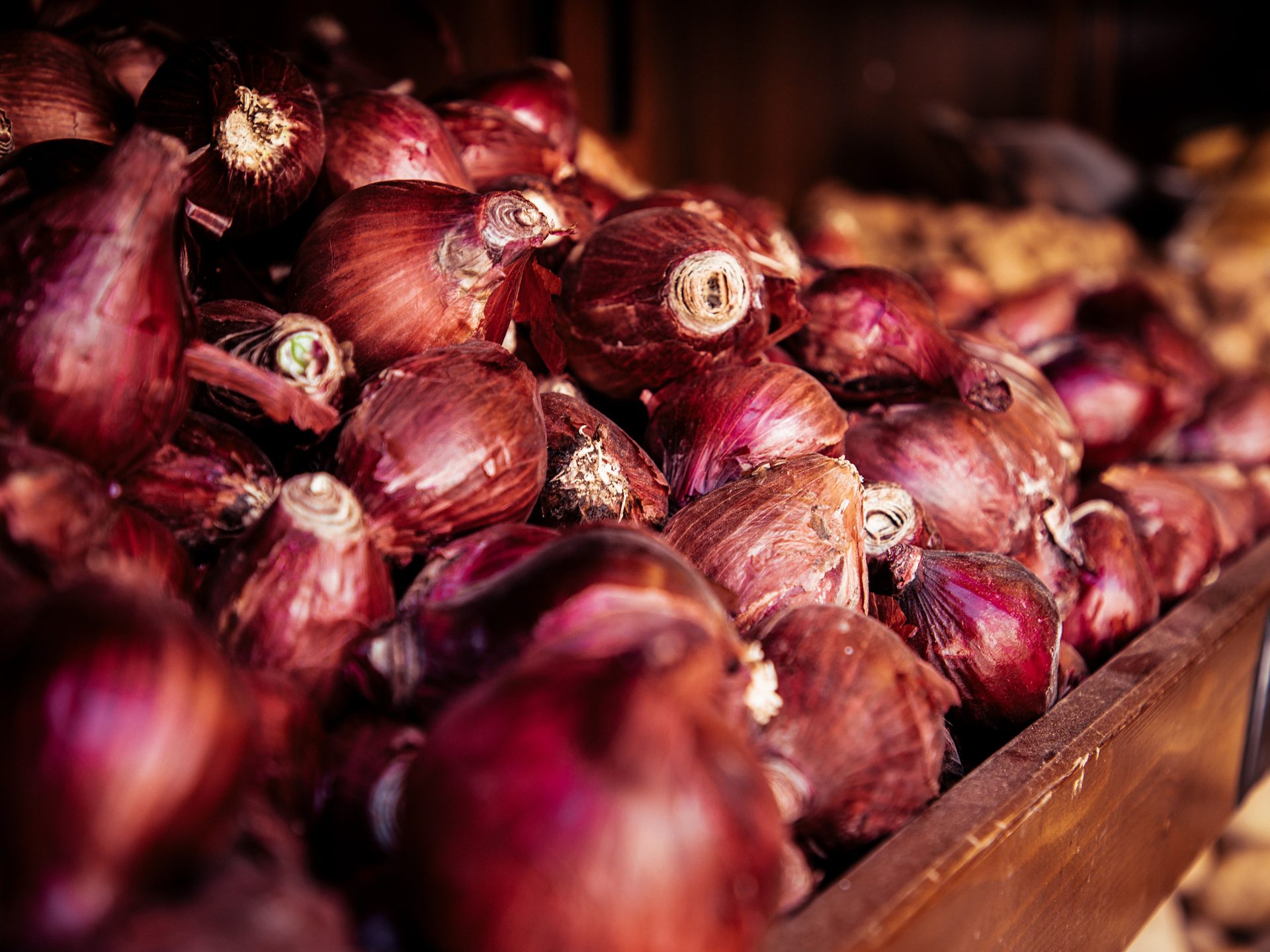
Red onions are one of those ingredients you buy with good intentions and then find yourself staring at a half-used bulb three days later, wondering what to do with it. The good news: freezing is a practical, no-fuss solution that extends their life by months.
Whether you bought a bulk bag at Costco, grew more than you can use in your garden, or just want to get ahead on meal prep, freezing red onions is worth knowing how to do correctly. This guide covers everything — from texture changes to step-by-step freezing instructions, storage times, thawing tips, and how to spot when frozen onions have gone bad.
Can You Freeze Red Onions?
Yes — any onions work frozen, including red onions, yellow onions, white onions, and even green onions, all using the same basic method. Freezing is one of the most effective ways to preserve them when you have more than you can use before they soften or sprout.
Freezing red onions can extend their shelf life from a few weeks to several months, which is especially useful for those who buy onions in bulk or have an abundance of homegrown onions. It also saves you from the tears and cleanup every time a recipe calls for a diced onion.
You can freeze onions with no need to blanch them or pre-treat them in any way. That said, how you prep them before freezing does matter for the end result — more on that in the step-by-step section below.
Pro Tip: Freeze red onions at peak freshness for the best flavor. If you notice them starting to soften or sprout, get them into the freezer right away rather than waiting until they are fully past their prime.
Does Freezing Change the Texture or Taste of Red Onions?
Texture is where freezing has the biggest impact. Frozen onions will not give you the same crispy, crunchy texture you get when eating raw onions. This is because onions have a high water content — when you freeze them, that moisture expands and pierces through the cell walls, and that water seeps out as the onions thaw, leaving them without the rigidity of freshly cut onions.
This texture change means frozen red onions are not ideal for raw applications where a snappy bite is desired, such as in salads, salsas, or as a garnish. If you were planning to top your tacos or toss them into a fresh pico de gallo, use fresh onions instead.
On the flavor side, the news is better. The flavor of red onions generally holds up well in the freezer — their distinct pungent and slightly sweet taste remains largely intact, making them perfectly suitable for dishes where they will be cooked down and softened anyway. However, freezing can make them taste slightly milder due to cell wall breakdown and the release of some volatile compounds, so when cooking with frozen onions, you might find you need to adjust seasoning slightly or use a touch more onion if a robust flavor is desired.
Flavor and texture of frozen onions will also change over time — the longer they stay in the freezer, the stronger their smell and flavor will become. This is one more reason to use them within the recommended storage window.
| Quality Factor | Fresh Red Onions | Frozen Red Onions |
|---|---|---|
| Texture | Crisp and firm | Soft and limp after thawing |
| Flavor | Sharp and pungent | Slightly milder; may intensify over time |
| Best use | Raw and cooked dishes | Cooked dishes only |
| Nutrients | Full nutritional profile | Largely preserved when frozen at peak |
How to Freeze Red Onions the Right Way
The process is straightforward, but a few small steps make a real difference in quality. The way you chop your red onions before freezing depends on how you plan to use them: dice them into uniform ¼ to ½ inch pieces for sautés, soups, and casseroles, or cut uniform slices for dishes like fajitas, stir-fries, or roasted vegetables.
Here is the full process, step by step:
- Select firm onions. Choose red onions that are firm, with no signs of mold or sprouting. Avoid onions that are too old or have been stored for too long, as they may not freeze well.
- Peel and rinse. Rinse the peeled onions under cold water to remove any dirt or residue, then pat them thoroughly dry with a clean kitchen towel or paper towels. Excess moisture can lead to more ice crystals and freezer burn.
- Chop to your preferred size. Chop or dice the onion into about ¼-inch to ½-inch pieces, or slice if that suits your recipes better. Think ahead about how you typically use red onions so the frozen portions are ready to go.
- Flash freeze on a baking sheet. Freeze the onions for two hours or so in a single layer on a shallow baking sheet before transferring them to a container. This prevents the chopped onion from forming clumps, making it easier to cook with and re-incorporate into whatever you’re cooking next.
- Transfer to airtight freezer bags. Placing packages flat in the freezer helps the onions freeze faster and makes it easier to break off sections as needed. Express out the air and place bags on cookie sheets or metal pans until onions are frozen.
- Label and date every bag. Clearly label each bag or container with the contents and the date it was frozen. This helps with inventory management and ensures you use them within their optimal timeframe.
Pro Tip: Freeze red onions in portion sizes that match your typical recipes — a quarter cup, a half cup, or one full onion’s worth. That way, you grab exactly what you need without thawing a large batch you can’t use at once.
You can also freeze red onions alongside sliced bell peppers for a ready-to-go fajita mix, or portion caramelized red onions into an ice cube tray for quick additions to burgers, flatbreads, and dips. No blanching is required for diced onions — simply pack them dry into recommended freezer bags or containers, leaving ½-inch headspace.
Red onions are also worth including in your broader approach to whole plant-based foods — they bring antioxidants, quercetin, and fiber to cooked dishes, and freezing preserves those nutrients well.
How Long Can You Freeze Red Onions?
In general, you will want to use your frozen onions within 8 to 12 months. But as long as they look good, taste good, and smell good with no signs of freezer burn, you can get away with using them past that time.
That said, quality peaks earlier. For best quality, use frozen onions within 3 months — the flavor starts to change and become stronger after that. The University of Nebraska–Lincoln Extension recommends that you keep the freezer temperature at 0°F or below, and that it is generally recommended frozen vegetables be eaten within about 8 months for best quality.
| Storage Type | Recommended Timeframe | Quality Notes |
|---|---|---|
| Diced/sliced (raw) | Up to 8–12 months | Best flavor within 3 months |
| Caramelized/cooked | Up to 3 months | Softer texture; use in cooked dishes |
| Refrozen onions | 1–2 months | Noticeably reduced texture and flavor |
How to Thaw Frozen Red Onions
The easiest approach is often no thawing at all. Use frozen onions in cooked products such as soups and stews, ground meat mixtures, and casseroles — for most dishes, frozen onions may be used with little or no thawing. Just add them directly to the pan or pot.
Frozen onions will release a lot of moisture when they hit the pan, but it evaporates pretty quickly. Adding frozen onions directly to the pot with no thawing needed is the preferred method — they release a little more moisture, which evaporates quickly.
When you do need to thaw them first — for example, if you are mixing them into meatloaf or a burger patty before cooking — you have a few options:
- Refrigerator overnight: The safest method. Place the sealed bag in the fridge the night before you need them.
- Room temperature: Simply leave them at room temperature for a few hours. Use them promptly after thawing.
- Cold water submersion: You can also thaw them quickly by submerging them in cold water. Keep the bag sealed to prevent waterlogging.
Once thawed, use the onions immediately, as they will be more prone to spoilage than fresh onions. Do not let thawed onions sit at room temperature for more than two hours before using or refrigerating them.
Pro Tip: If you thaw red onions and notice they have released liquid, do not drain it away — that liquid carries flavor. Add the whole thing, liquid included, to soups, stews, or sauces.
Can You Refreeze Red Onions After Thawing?
Technically possible, but generally not a good idea. Once thawed, you should not refreeze raw red onions — this further degrades texture and increases the risk of bacterial growth. If you thaw a large batch, cook it all and then you can freeze the cooked dish.
Refreezing onions multiple times is highly discouraged. Every time an onion is thawed and frozen again, it loses more moisture and flavor, and the texture worsens. Limit the number of freeze-thaw cycles to preserve quality.
There are also clear situations where refreezing is unsafe. Onions that were left out in the danger zone of 40°F to 140°F (4°C to 60°C) for too long should not be refrozen, as bacteria like Salmonella or E. coli can proliferate rapidly under these conditions.
The best way to avoid this situation is to freeze in small, recipe-sized portions from the start. Portion control — freezing in portions suitable for your cooking needs — helps you avoid thawing and refreezing altogether.
How to Use Frozen Red Onions (Best Uses After Freezing)
Frozen red onions work best wherever they get cooked down and softened. Their mellowed texture actually blends seamlessly into long-cooked dishes, and their flavor adds depth without requiring any extra prep time on your part.
You can buy a bag of onions in bulk, then chop and freeze them for future use in soups, stews, ground meat mixtures, and stir-fry. Here are some of the best ways to put them to work:
- Soups and stews: Add straight from the freezer — no thawing needed. They cook down quickly and add savory depth to chili, beef stew, lentil soup, and French onion soup.
- Sautés and stir-fries: Toss directly into a hot pan. The extra moisture evaporates fast, and the onions soften within minutes.
- Ground meat dishes: Mix thawed red onions into meatloaf, burger patties, or taco meat before cooking for built-in flavor.
- Casseroles and baked dishes: Use frozen onions in cooked dishes such as soup and casseroles — they integrate perfectly into anything baked or braised.
- Pasta sauces and ragù: Frozen onions are better suited to cooked dishes that are stewy, like braises or sauces, or recipes that require them to be processed, like veggie burgers.
- Roasted vegetables: Toss frozen sliced red onions with olive oil and roast at 400°F alongside other vegetables — they caramelize well in the oven.
What to avoid: Frozen onions will lose their crunchiness, so you should not use frozen onions in recipes that call for raw onions. Frozen onions are also not ideal for caramelizing on the stovetop since they will not brown as fresh onions will. The extra moisture they release prevents proper browning.
Red onions are also among the superfoods for a healthy heart — their quercetin content supports cardiovascular health, and cooking them in soups and stews is one of the easiest ways to get more of them into your diet. They also appear on lists of powerful nutrients and foods that fight cancer, thanks to their organosulfur compounds and antioxidant properties.
Signs That Frozen Red Onions Have Gone Bad
Frozen onions do not last forever, and knowing what to look for keeps you from using onions that have degraded past the point of usefulness — or worse, past the point of safety.
Check for these warning signs before using frozen red onions:
- Off smell: One of the most noticeable signs of bad frozen onions is an off smell and flavor. Fresh frozen onions should have a sweet, mild aroma — if they smell sour, bitter, or unpleasantly pungent, it is likely they have gone bad.
- Slimy texture: Fresh or properly frozen onions should be firm. If they are excessively slimy or slippery, they may have started to break down due to bacterial activity.
- Unusual color: Frozen onions typically retain their white or yellow color (or purple-red for red onions). If they have turned gray, green, or developed an unusual color, it may be a sign of spoilage — though it is important to check for other signs as well, since some minor color change can occur naturally from freezing.
- Freezer burn: Freezer burn occurs when food is exposed to air, leading to dehydration and oxidation, which results in dry, discolored spots and altered flavors. Freezer burn affects texture but not safety — you can trim the affected areas and use the rest, but the flavor in those spots will be noticeably off.
- Mold: Browning, black spots, or mold growth are clear signs of spoilage that can indicate fungal or bacterial contamination. Discard immediately.
- Extended freezer time: Onions can be frozen for up to six months without significant loss of quality — after this period, they may start to lose their flavor and texture. If yours have been in the freezer well past the 8-to-12-month mark, trust your senses before using them.
Important Note: Always label your freezer bags with the date you froze the onions. Without a date, it is easy to lose track of how long they have been stored, which is the most common reason home cooks end up using onions that are past their best.
Keeping your freezer at a consistent 0°F or below also helps. Fluctuations in freezer temperature can compromise both quality and safety. A freezer thermometer is a cheap and easy way to keep tabs on this.
For more guidance on foods that support your overall health, explore our articles on foods for healthy skin and foods that enhance liver function — red onions show up in both categories thanks to their antioxidant and anti-inflammatory compounds.
Frequently Asked Questions
Do you need to blanch red onions before freezing?
There is no need to blanch onions before freezing. You can skip this step and freeze them raw, which is what most home cooks do. Some sources suggest blanching can help preserve color and slow enzyme activity over very long storage periods, but for typical home use, it is an unnecessary extra step.
Can you freeze whole red onions?
You can freeze onions whole, but it is not recommended. Almost always if you are using an onion, you will slice it in some way — and frozen onions cannot be cut; as they thaw, they soften and will kind of mush up under your knife. Chop or dice them before freezing for much more practical results.
Can you freeze caramelized red onions?
Yes. You can freeze chopped, caramelized, or diced onions in individual ice cube trays and then put the frozen cubes into a freezer bag. This method makes it easy to portion out the onions for use later. Caramelized red onions freeze especially well and are great to have on hand for flatbreads, burgers, and dips.
Will frozen red onions make you cry when you use them?
No. One of the quiet perks of freezing onions is that the process neutralizes most of the compounds that cause eye irritation. You can toss them straight into a hot pan from the freezer with no tears involved.
Can you freeze red onions that have already been cut and stored in the fridge?
If you notice some onions starting to go soft or starting to sprout, freeze them right away before they spoil. As long as they have not developed mold, an off smell, or a slimy texture, they are still fine to freeze. The sooner you freeze them after cutting, the better the end quality will be.
Are frozen red onions nutritious?
Freezing fruits and vegetables at their peak actually preserves their nutrients — frozen onions will have the same vitamins and minerals as fresh onions. The nutritional profile holds up well, which makes freezing a smart strategy for reducing waste without sacrificing the health benefits red onions provide. You can learn more about those benefits in our guide to fibroid healing foods, where red onions are among the recommended anti-inflammatory options.
How do I prevent freezer burn on red onions?
If using freezer bags, press out as much air as possible before sealing — air is the enemy of frozen food and contributes to freezer burn. Double-bagging also helps prevent freezer burn and maintains quality for longer. Flash freezing the onions in a single layer before bagging them also reduces the surface area exposed to air inside the bag.