Can You Freeze Vanilla Beans? What Actually Happens and What to Do Instead

October 28, 2026
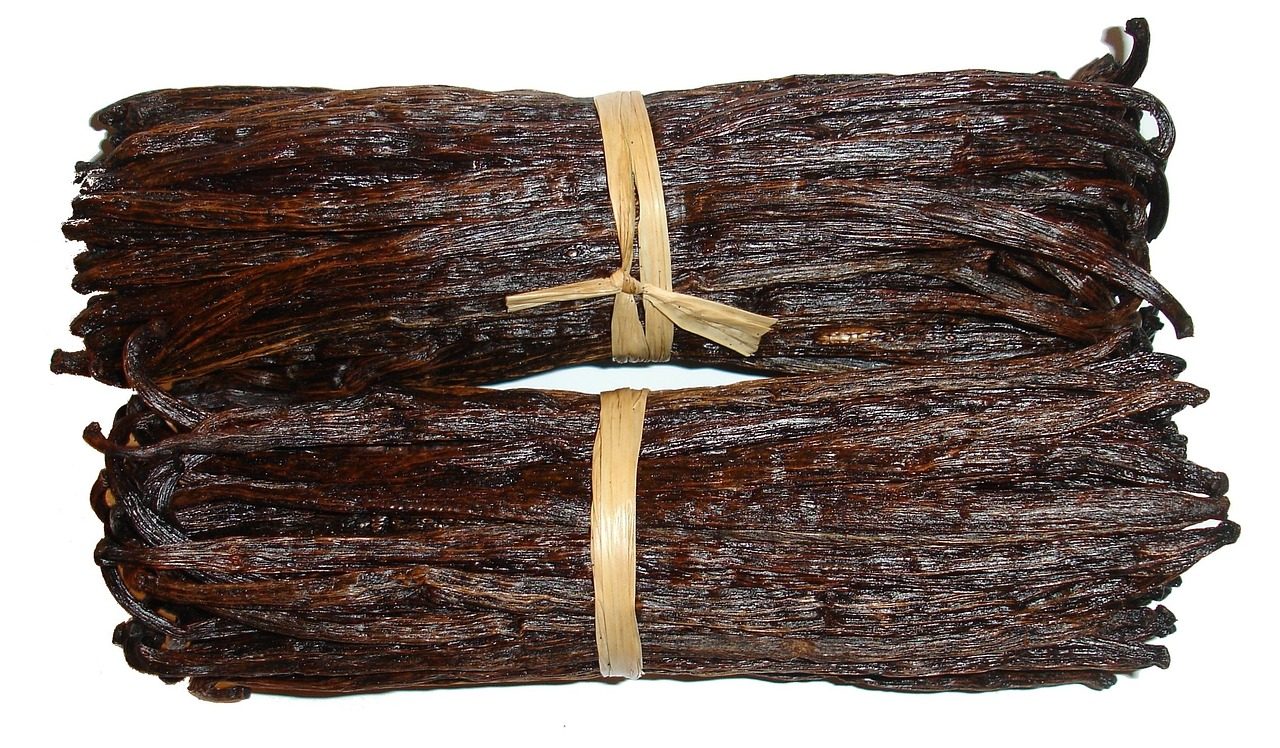
Vanilla beans are one of the priciest ingredients in any American kitchen, so when you buy a bulk pack and realize you won’t use them all in time, the freezer seems like an obvious solution. But vanilla behaves differently from most foods — and what works for chicken breasts or blueberries can actually backfire badly with these delicate pods.
The short answer is yes, you technically can freeze vanilla beans, but most baking experts and vanilla specialists recommend it only as a last resort. Understanding why — and how to do it correctly if you go ahead — can save you from turning expensive beans into brittle, flavorless sticks.
Can You Freeze Vanilla Beans?
You can freeze vanilla beans, but it’s more complicated than simply tossing them into the freezer drawer next to your frozen peas. While the answer is technically “yes,” freezing should be your last resort. If you have a vacuum sealer and no intention of using the beans for eighteen months, it can work — but for most home cooks, keeping them in a sealed glass jar in a dark cupboard is the better option.
Freezing vanilla beans is a possible preservation practice, but it’s energy-intensive and doesn’t prolong the beans much more than vacuum-packing at room temperature. That said, if you’ve scored a deal on a large batch and proper pantry storage isn’t feasible for the full quantity, freezing beats letting them dry out completely.
Pro Tip: Before reaching for the freezer, consider submerging your extra beans in 80-proof vodka or bourbon. This is arguably the best way to “preserve” vanilla indefinitely. All you need is a glass jar and some 80-proof alcohol — split the beans down the middle, put them in the jar, and submerge them completely. Not only will this keep the beans from spoiling, but you’ll also end up with a high-quality extract that beats the store-bought version.
Does Freezing Change the Texture or Taste of Vanilla Beans?
The problem with the freezer is two-fold: moisture loss and “sweating.” Freezers are notoriously dry environments. Even if you think you’ve sealed something up tight, the cold can suck the moisture right out of the bean, leaving you with something that feels more like a twig than a gourmet ingredient.
When you take a bean out of the freezer, the temperature change causes condensation. This moisture on the surface of the bean can actually lead to mold if you don’t use the bean immediately. It’s a real trade-off: you’re freezing the bean to save it, but the thawing process introduces a new set of risks.
One common concern is whether freezing affects the beans’ texture or flavor. While freezing can slightly soften the outer skin of the bean, this change is negligible and does not impact culinary performance. The internal seeds, which contain the majority of the flavor, remain intact and potent.
Storing vanilla beans in the refrigerator or freezer will take away any moisture in the beans, and can even promote the growth of a vanilla bean-specific mold. The key to avoiding both problems is thorough, airtight packaging before the beans ever enter the freezer.
How to Freeze Vanilla Beans the Right Way
If you’ve decided freezing is the right call, packaging is everything. The best way to freeze vanilla beans is by using a vacuum sealer. By removing the air, you prevent freezer burn and keep the oils locked inside the bean. Follow these steps for the best results:
- Start with dry beans. Ensure the beans are completely dry before freezing to avoid ice crystal formation, which can damage their structure.
- Use a vacuum sealer if you have one. Place the beans in a vacuum-seal bag and remove all air before sealing. This is the most reliable method.
- No vacuum sealer? Layer up. Wrap your beans tightly in plastic wrap. Then wrap that bundle in a layer of aluminum foil. Finally, put the whole thing inside a heavy-duty freezer bag and squeeze out every last bit of air before zipping it shut. The goal is to create as many barriers as possible between the bean and the harsh freezer air.
- Label the bag. Label the bag with the freezing date to track storage time.
- Store away from strong odors. Vanilla has a delicate flavor that can be easily influenced by strong odors. Store vanilla beans separately in airtight containers — and the same rule applies in the freezer. Keep them away from fish, garlic, or anything pungent.
Important Note: Freeze beans whole, not split. Splitting exposes the seeds and inner oils to the freezer environment, accelerating moisture loss and flavor degradation. Save splitting for when you’re ready to use them.
How Long Can You Freeze Vanilla Beans?
You can extend shelf life by freezing beans in sealed bags for up to 2 years. However, the quality window is narrower than that maximum. Vanilla beans can last upwards of two years if stored properly, but they’re not the type of ingredient that spoils when they expire — they tend to dry out. While the beans might still be safe to use after their shelf life, you’ll notice they have little to no taste or aroma left, because as vanilla dries or ages, its flavor compounds degrade significantly.
For best results, use fresh vanilla beans as soon as possible — preferably within 6 to 8 months — because this is their golden period when you can truly enjoy the intense, fresh vanilla flavor. If you do freeze them, plan to use them within that same 6-to-8-month window for peak quality, even though they’ll technically remain safe and usable longer.
| Storage Method | Estimated Shelf Life | Best For |
|---|---|---|
| Room temp, airtight container | 6–24 months | Regular home bakers |
| Vacuum-sealed, pantry | Up to 12+ months | Bulk buyers, moderate use |
| Frozen, vacuum-sealed | Up to 2 years | Long-term storage only |
| Submerged in alcohol (extract) | Indefinitely | Anyone wanting to preserve flavor long-term |
How to Thaw Frozen Vanilla Beans
Thawing is where most people go wrong. If you’ve frozen your beans and are ready to bake, don’t just pull the bean out and leave it on the counter. The shock of room-temperature air will cause it to “sweat.”
The right approach is a slow, controlled thaw. Move the sealed bag from the freezer to the refrigerator and let it thaw gradually over several hours or overnight. This slower transition helps minimize condensation. Once thawed, use it right away.
Alternatively, if your beans arrive frozen or you’ve just pulled them from the freezer, keep them in their vacuum-sealed pouch and let them defrost slowly at room temperature. They may form a white frost as they thaw — that is normal and will go away after several minutes to an hour, after which your beans are ready for use.
Pro Tip: If a thawed bean feels slightly stiffer than fresh, you can soak it in warm water for around 10–15 minutes to restore flexibility and make it usable in recipes. Don’t use boiling water — warm is enough to rehydrate without cooking the bean.
Can You Refreeze Vanilla Beans After Thawing?
No. Never refreeze a vanilla bean once it has been thawed. That’s a one-way ticket to a mushy, flavorless pod. Each freeze-thaw cycle breaks down the cell structure of the bean, accelerates moisture loss, and strips away the volatile aromatic compounds that make vanilla worth using in the first place.
To avoid wasting thawed beans, freeze them in individual portions from the start. Wrap each bean separately before placing them all in the outer freezer bag. That way, you can pull out exactly one or two beans at a time without disturbing the rest of the batch. If you have a surplus of vanilla beans and want to prolong their shelf life, freezing can be a viable option — but it’s essential to follow the correct procedure to prevent damage, including wrapping each bean individually.
How to Use Frozen Vanilla Beans (Best Uses After Freezing)
Frozen and thawed vanilla beans work best in applications where they’ll be heated or steeped in liquid — these methods mask any minor texture changes from freezing. Here are the top uses:
- Custards, creams, and ice cream: Even beans that have dried out slightly will rehydrate when put in a warm liquid. You can use them by heating them in cream or milk when making ice cream, custards, or puddings.
- Homemade vanilla extract: If you’re worried your beans are past their prime, one of the best solutions is to make your own vanilla extract — this is arguably the best way to “preserve” vanilla indefinitely. Use at least 35% ABV alcohol such as vodka, rum, bourbon, or brandy — approximately 0.9 oz of beans per 8 oz of alcohol. Learn more at Sally’s Baking Addiction .
- Vanilla sugar: Let the vanilla beans air dry on a clean cloth for a bit to remove excess liquid, then tuck the beans straight into a jar of sugar. Shake well, infuse for a few days, and you’re all set.
- Vanilla powder: Dehydrate the vanilla beans and grind them to powder. Vanilla powder is very versatile and great for adding concentrated flavor without added liquid, especially in baked goods.
- Infused syrups and sauces: Split thawed beans and simmer them in equal parts sugar and water to make a vanilla simple syrup for coffee drinks, cocktails, or drizzling over pancakes.
You can also explore how vanilla pairs with other whole plant-based foods in your kitchen, or use vanilla-infused sugar to enhance recipes featuring skin-supporting ingredients like berries and nuts.
Signs That Frozen Vanilla Beans Have Gone Bad
Vanilla beans won’t necessarily “go bad” in the traditional sense, but they will slowly lose moisture, flavor, and aroma. Knowing the difference between a bean that’s lost quality and one that’s genuinely spoiled saves you from discarding good beans — or worse, using bad ones.
Watch for these warning signs:
- Dry, brittle texture: Fresh vanilla beans are pliable. If the bean is dried out and snaps rather than bends, it’s past its prime.
- No scent or weak scent: Vanilla beans should have a strong, sweet aroma. No smell means no flavor.
- Fuzzy mold growth: Look for fuzzy mold, especially on the ends. Moldy beans should be discarded.
- Off odor: If your beans smell “off” — sort of like old gym socks or fermented fruit — rather than that sweet, woody vanilla scent, it’s time to toss them.
- Dull color: Bright black color indicates freshness. A faded, grayish-brown pod suggests significant degradation.
Important Note: Don’t confuse mold with vanillin crystals. Vanillin crystals mean the vanillin is migrating to the surface and crystallizing — you can tell it’s vanillin because it will look like tiny, shiny diamonds and will disappear if you rub it between your fingers. However, if the white substance looks fuzzy or dull, that’s probably mold.
Mold growth, a rancid or unpleasant odor, or a dry and brittle texture are the key indicators that vanilla beans have gone bad. Discard any beans that show these signs to avoid compromising the taste of your recipes.
Frequently Asked Questions
Is It Better to Freeze or Refrigerate Vanilla Beans?
Neither is ideal. Refrigerators either dry out your vanilla or introduce moisture through condensation, which can promote mold growth and destroy the volatile compounds responsible for that amazing vanilla scent. The freezer carries similar risks but is the lesser of two evils if you truly need long-term storage and use a vacuum sealer. Room-temperature storage in an airtight glass container in a dark pantry is always the first choice.
What Is the Best Temperature to Store Vanilla Beans?
Store your vanilla beans at room temperature, ideally between 59 and 77 degrees Fahrenheit. Extreme temperatures — whether hot or cold — are trouble for vanilla beans. Avoid storing them in rooms subjected to high levels of heat and, most importantly, refrigerators.
Can You Freeze Vanilla Bean Paste?
You can freeze vanilla bean paste, and this is particularly recommended as a storage method for it. Freezing increases shelf life and makes dosing easier — even frozen vanilla bean paste is easy to scoop out with a spoon.
How Do You Revive Dried-Out Vanilla Beans?
Fill a shallow bowl halfway with warm liquid — either water or milk, making sure it’s not boiling. Soak the beans in it, cover the bowl with plastic wrap, and leave it for a few hours or overnight. This should help them rehydrate and restore flexibility. Use them immediately after rehydrating rather than storing them again. You can also read about other bean storage and preparation tips for your pantry staples.
How Long Do Vanilla Beans Last at Room Temperature?
Vanilla beans can stay fresh for up to two years if stored properly in an airtight container away from light and heat. For best results, buy vanilla beans in quantities that you can use within 6 to 8 months. Buying in smaller batches more frequently is often smarter than freezing a large surplus.
Can You Use Frozen Vanilla Beans Directly from the Freezer?
When needed, you can remove a bean directly from the freezer — there’s no need to thaw it first if you’re adding it to a hot liquid. Simply slice it open and use it as you would a fresh bean. This method is particularly useful for bulk buyers or those who use vanilla beans infrequently, as it minimizes waste and maximizes value.