Can You Freeze Green Beans and Potatoes? What You Need to Know

October 27, 2026
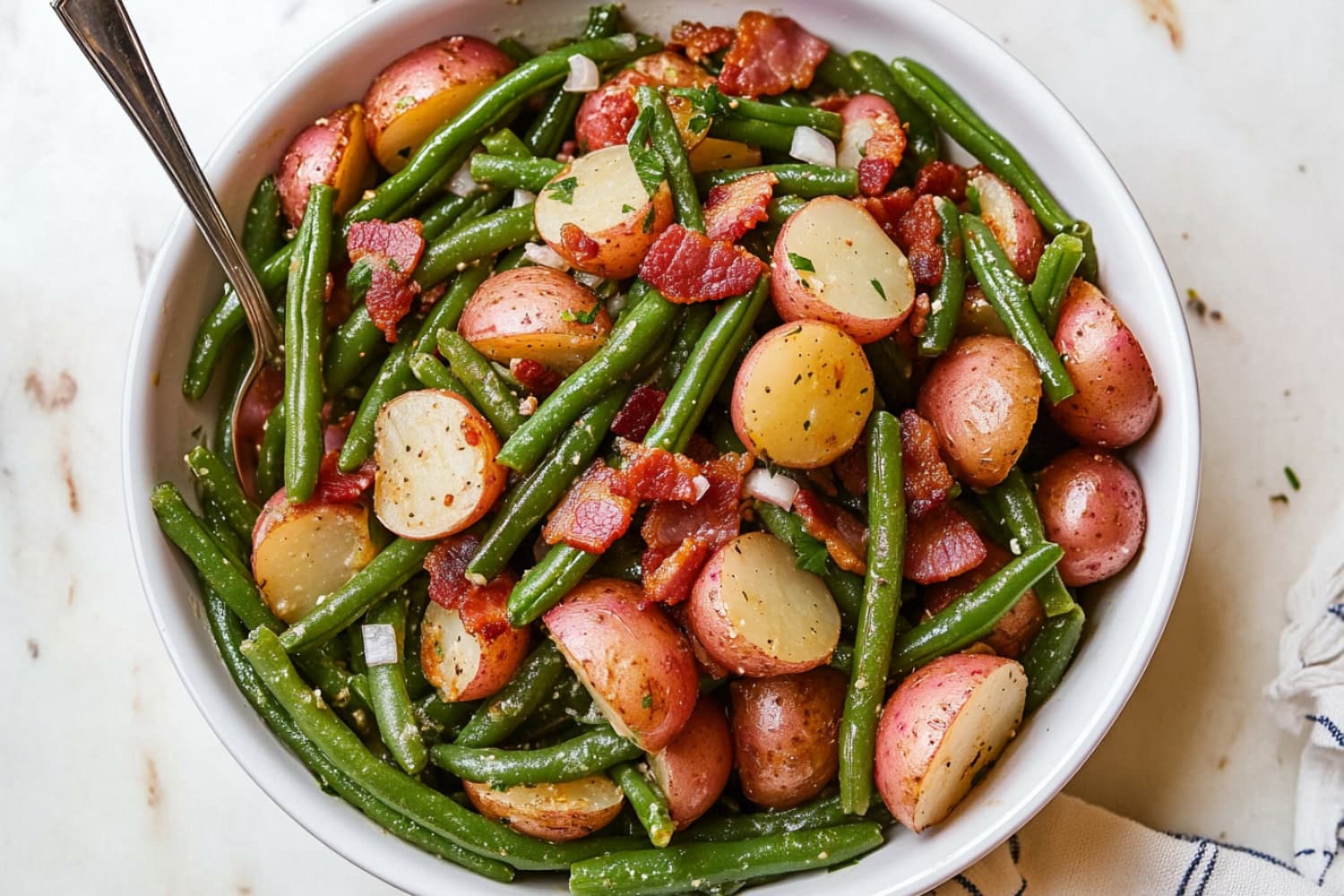
Freezing vegetables is one of the smartest ways to cut down on food waste and keep your kitchen stocked for busy weeknights. Green beans and potatoes are two of the most common vegetables in American households, and the good news is that both can go in the freezer — as long as you handle them correctly.
The tricky part is that green beans and potatoes behave very differently in the freezer. Green beans are forgiving and hold up well when properly prepared. Potatoes, on the other hand, need a little more attention before freezing, or they can turn grainy and watery after thawing. This guide walks you through everything you need to know for both vegetables, from prep to storage to the best ways to use them later.
Can You Freeze Green Beans?
Green beans are an excellent candidate for the freezer. There are some vegetables that aren’t great out of the freezer, but green beans aren’t one of them — they retain their texture and flavor while frozen, making them a great way to bring some summer flavor to your plate all year long. Whether you grew them in a backyard garden, picked them up at a farmers market, or bought a bulk bag at the grocery store, freezing is a reliable way to extend their shelf life well beyond the fresh window.
You can freeze green beans raw or blanched, though blanching produces noticeably better results. When green beans are frozen properly, they keep most of their vitamins, minerals, and fiber thanks to a quick step called blanching. Raw beans can still be frozen in a pinch, but the trade-off is worth knowing about before you skip that step.
Can You Freeze Potatoes?
Yes, you can freeze potatoes — but raw potatoes do not freeze well on their own. When you partially cook the potatoes first, it helps retain their texture, keeps the potatoes from getting mushy, and stops the oxidation and enzymatic reaction that turns the potatoes black when frozen. Skipping this step almost always leads to disappointment after thawing.
The good news is that once you understand the prep process, freezing potatoes is straightforward. You can freeze potatoes for up to three months, and the best way to freeze them is to cut and cook them first. Yukon Gold and red potatoes tend to hold up especially well in the freezer, though russets work fine too when properly parboiled.
Important Note: Freezing a combined dish of cooked green beans and potatoes together is not ideal. The potatoes in a finished casserole or stew tend to turn watery and fall apart after thawing. For the best results, freeze each vegetable separately using the methods below, then combine them when you’re ready to cook.
Does Freezing Change the Texture or Taste of Green Beans?
Blanched green beans hold up remarkably well in the freezer. Green beans that have been frozen will still have a little crunch to them, which is one reason many home cooks prefer freezing over canning. The flavor stays close to fresh, especially when you freeze them at their peak ripeness.
Skipping the blanching step is where things go wrong. Blanching first results in green beans that retain their color and texture a lot better in the freezer. Unblanched green beans tend to turn grayish-green and get slightly tougher while in the freezer. If you want beans that still look and taste vibrant after months in storage, blanching is not optional.
Cooked green beans can also be frozen, but expect a softer result. You can freeze cooked green beans, but they’ll be a bit softer once thawed. For the best texture, slightly undercook them before freezing so they don’t turn mushy later.
Does Freezing Change the Texture or Taste of Potatoes?
Potatoes are more sensitive to freezing than green beans. Raw potatoes contain a lot of water, and when that water turns to ice crystals, it breaks down the cell structure — leaving you with a grainy, mealy texture after thawing. Rapid freezing helps maintain the flavor and texture for a longer period. When products freeze too slowly, it can result in ice crystals that decrease the quality.
Parboiling or fully cooking potatoes before freezing prevents most of these texture problems. Mashed potatoes actually freeze quite well because the starch structure has already been broken down. Studies have shown that frozen mashed potatoes taste and feel much like fresh ones for up to a year, although some changes in texture might happen.
The flavor of properly frozen potatoes stays largely intact. The bigger risk is texture, not taste — and that risk drops significantly when you follow the prep steps below. You can learn more about whole plant-based foods and their nutritional profiles to understand why proper storage matters for preserving nutrients.
How to Freeze Green Beans the Right Way
Follow these steps for the best results with fresh green beans. The process takes about 30 minutes of active time and produces beans that stay good for months.
- Wash and trim. Rinse the beans under cool water and snap or cut off both ends. The vast majority of green beans grown nowadays are “stringless,” meaning they don’t have a tough stem running down the back of the bean that you have to remove. If you’re working with an heirloom variety, check for strings along the seam and pull them off before blanching. You can explore the different types of green beans to see which varieties you’re working with.
- Blanch the beans. Bring a large pot of water to a rolling boil. Drop the beans into the hot water, return to a boil, and cook for 3 minutes. Do not cook them fully — the goal is to deactivate the enzymes that cause color and texture loss in the freezer.
- Ice bath. Use a slotted spoon to move the green beans to the ice water and allow to cool. Drain the beans, pat them dry, and spread them out in a single layer on a baking sheet. This stops the cooking process immediately.
- Dry thoroughly. Make sure your green beans are dry before freezing. Any extra water will increase the chances of freezer burn.
- Flash freeze. Place the green beans on a baking sheet in your freezer and let them freeze for 4 to 6 hours. This step helps the beans freeze individually instead of freezing in a clump, making it easier to portion out when using.
- Transfer to bags. Once the beans are frozen, transfer them from the baking sheet to an airtight freezer-safe container. A large silicone bag or any large freezer-safe sealable bag or container works well. Remove as much air as possible before sealing.
Pro Tip: Label every bag with the contents and the date you froze them. It takes five seconds and saves a lot of guesswork three months later when your freezer is packed.
How to Freeze Potatoes the Right Way
The method you use depends on how you plan to serve the potatoes later. Cut them into the shape you’ll need — chunks for soups and stews, wedges for roasting, or thin slices for casseroles — before freezing so they’re ready to go straight from the bag.
- Wash, peel, and cut. Peel and cut the potatoes into whatever shape you’ll need for the dish. If you plan to make fries, cut them lengthwise into quarter-inch planks. If you plan on using them for mashed potatoes or a shepherd’s pie, peel and cut them into one-inch chunks.
- Parboil. Bring a large pot of salted water to a boil and cook the potato pieces until just barely fork-tender — about 5 to 7 minutes for chunks. They should not be fully cooked. Partially cooking the potatoes first helps retain their texture, keeps them from getting mushy, and stops the oxidation and enzymatic reaction that turns the potatoes black when frozen.
- Ice bath and drain. Transfer the parboiled potatoes to a bowl of ice water to stop cooking. Drain well and pat completely dry.
- Flash freeze on a baking sheet. Place the potatoes on a baking sheet in one layer without touching. Slide the baking sheet into the freezer and freeze for 6 to 12 hours, or until the potato pieces are frozen hard.
- Bag and seal. Remove the frozen pieces and place them in a zip-lock bag, squeezing to remove as much excess air as possible. Label with the date and return to the freezer.
For mashed potatoes, you can skip the flash freeze step. Portion cooled mashed potatoes directly into freezer bags or containers, flatten them out for even freezing, and seal tightly.
How Long Can You Freeze Green Beans?
Once frozen, store green beans in an airtight freezer-safe container for up to 3 months. While they technically remain safe beyond that window, the texture and color start to degrade after the three-month mark. For the best eating experience, plan to use them within that timeframe.
If you have access to a vacuum sealer, use it. Freezer bags generally work just fine, but if you are able to remove all the air, your vegetables will store for much longer and you’ll be less likely to have them develop ugly brown spots. Vacuum sealers remove all the air so you don’t have to think twice about storing them in the freezer for long periods of time.
How Long Can You Freeze Potatoes?
Frozen potato pieces will last up to three months. Parboiled potatoes can be frozen for up to three months. Some sources suggest that well-sealed, cooked potatoes can last closer to 12 months, but quality is best within the first three months.
According to WebstaurantStore’s food safety guide , freezing cooked potatoes reduces expenses and food waste, preserving potatoes for up to a year. That said, the earlier you use them, the better the texture will be. Always label your bags with the freeze date so you can rotate your stock.
Pro Tip: Store green beans and potatoes in separate, clearly labeled bags so you can grab exactly what you need without thawing more than necessary.
How to Thaw Frozen Green Beans
For most cooked dishes — soups, stews, casseroles, and stir-fries — you do not need to thaw green beans at all. You usually don’t even need to thaw first. Add them directly to casseroles, stir-fry, soups, or stews. They’ll cook through quickly and blend right into the dish.
If you’re serving them as a simple side dish, you have two options. You can cook them straight from frozen in a skillet with a little butter and seasoning, or you can thaw them overnight in the refrigerator for a softer, quicker-cooking result. Using the green beans straight from the freezer gives you the best texture when sautéing or roasting.
How to Thaw Frozen Potatoes
How you thaw potatoes depends on how you’re cooking them. For roasted or air-fried potatoes, go straight from freezer to oven. Roast potatoes straight from the freezer — although you might want to add a few extra minutes of cooking time. The direct heat helps them crisp up rather than steam.
For mashed potatoes, thaw overnight in the refrigerator and then reheat gently on the stovetop over low heat, stirring in a splash of milk or butter to restore creaminess. Potatoes can be used from frozen or thawed in the refrigerator before use, depending on the recipe.
Avoid thawing potatoes at room temperature for extended periods. Like any cooked food, they should move from freezer to refrigerator or directly into cooking to stay within safe temperature ranges.
Can You Refreeze Green Beans After Thawing?
Technically, you can refreeze green beans if they were thawed in the refrigerator and have not been left at room temperature for more than two hours. However, each freeze-thaw cycle takes a toll on texture and flavor. Do not thaw and refreeze products more than once, as both steps reduce texture and may lead to more bacterial growth.
The better approach is to portion your green beans into meal-sized bags before freezing. That way, you only pull out what you need and never have to deal with partial bags that need to be refrozen. Most American households find that one- to two-cup portions work well for side dishes and soups.
Can You Refreeze Potatoes After Thawing?
Refreezing potatoes is not recommended. Potatoes already undergo texture changes during the first freeze-thaw cycle, and a second round makes those changes much worse. You’ll end up with a watery, grainy result that’s unpleasant to eat.
Keeping things frozen at -18°C (0°F) or lower at all times will prevent the food from going through several periods of thawing and refreezing. If you notice your freezer temperature fluctuating, that’s a sign to use your frozen potatoes sooner rather than later. Portion them into single-use bags before freezing to avoid the temptation to refreeze leftovers.
How to Use Frozen Green Beans (Best Uses After Freezing)
Frozen green beans are incredibly versatile and work well in a wide range of American home-cooking staples. Because blanching partially cooks them, they need less time in the pot than fresh beans. Here are the best ways to put them to work:
- Soups and stews: Toss a handful or two of frozen green beans into a hearty soup in the last 5 to 10 minutes of cooking. No thawing needed.
- Casseroles: Classic green bean casserole works beautifully with frozen beans. Add them straight from the freezer and bake as directed.
- Sautéed side dish: Heat a skillet over medium-high heat with butter or olive oil, add frozen beans, and cook for 5 to 7 minutes until heated through and lightly browned. Season with garlic, salt, and pepper.
- Roasted green beans: Spread them in a single layer on a baking sheet, spritz with olive oil, add seasonings and pressed garlic, toss until coated, and roast at 450°F for about 12 minutes.
- Southern-style green beans and potatoes: A classic American comfort dish. Use your frozen green beans alongside freshly parboiled potatoes, bacon, and broth for a slow-simmered side that pairs well with pork chops or roast chicken. Check out these green foods for more ideas on adding color and nutrition to your plate.
Frozen green beans also pair well in dishes like minestrone, vegetable beef soup, and pasta primavera. Because they’re already blanched, they integrate quickly into almost any recipe that calls for cooked green beans. For more ideas on nutritious eating, explore superfoods for a healthy heart or whole plant-based foods.
How to Use Frozen Potatoes (Best Uses After Freezing)
Frozen potatoes shine in dishes where they get cooked again after thawing. The additional heat firms them back up and improves the texture significantly compared to simply thawing and eating cold.
- Roasted potatoes: Roast potatoes straight from the freezer, adding a few extra minutes of cooking time, for crispy edges and a tender center.
- Soups and stews: Drop frozen potato chunks directly into a simmering pot. They’ll cook through in about 10 to 15 minutes.
- Hash browns and home fries: Shredded or diced frozen potatoes go straight into a hot, oiled skillet for a quick breakfast side.
- Mashed potatoes: Reheat thawed mashed potatoes on the stovetop with a splash of milk and butter, stirring frequently until smooth and creamy.
- Shepherd’s pie and pot pie: Frozen potato chunks work perfectly as a filling in savory pies and casseroles that bake in the oven.
Signs That Frozen Green Beans Have Gone Bad
Frozen green beans are generally safe as long as they’ve been kept continuously frozen, but quality can still decline. Watch for these signs before cooking:
- Grayish or dull color: Some color change is normal, but beans that look completely gray or brown have likely been in the freezer too long or were not blanched before freezing.
- Heavy frost or ice crystals inside the bag: This is a sign of freezer burn, which happens when air reaches the beans. The beans are still safe to eat but will taste dry and bland.
- Off smell after thawing: Fresh-frozen green beans should smell clean and slightly vegetal. A sour or rancid odor means they’ve gone bad and should be discarded.
- Slimy texture after thawing: If the beans feel slimy rather than just soft, throw them out.
Signs That Frozen Potatoes Have Gone Bad
Frozen potatoes can degrade in quality even while technically frozen. In the freezer, signs of spoilage can be delayed or difficult to detect. Pay attention to discoloration and dullness, as well as the formation of ice crystals.
Here’s what to look for before using frozen potatoes:
- Extensive freezer burn: Freezer burn is visible as white and dry areas and means the food has lost hydration and is of poorer quality. Small patches can be cut away, but heavily burned potatoes won’t taste good.
- Unusual odor: Do not keep any product with strong odors, unusual color, or where frost has penetrated the surface.
- Watery or slimy texture after thawing: Some softening is expected, but a slimy or falling-apart texture indicates the potatoes have broken down beyond use.
- Package damage: If the package has begun to leak, or if there is a rancid odor, these are signs that something has gone bad.
When in doubt, throw it out. Potatoes that have been stored improperly or kept past their recommended window are not worth the risk. For more on food safety and healthy eating, see foods you should avoid and foods that support liver function.
Frequently Asked Questions
Can you freeze green beans without blanching?
Yes, but the results are noticeably worse. Blanching green beans before freezing helps them retain their beautiful green color and crisp texture. Skipping this step might result in your beans having a mushy texture once defrosted. If you’re in a hurry, a quick two-minute blanch is still better than none at all.
Can you freeze raw potatoes?
Raw potatoes do not freeze well. Without any cooking beforehand, the enzymes in raw potatoes remain active in the freezer and cause them to turn dark and develop a grainy, unpleasant texture after thawing. Always parboil or fully cook potatoes before freezing.
Can you freeze a cooked dish that contains both green beans and potatoes?
It depends on the dish. You can freeze cooked green beans and potatoes together, but it’s best to slightly undercook them before freezing to preserve texture. That said, dishes where the potatoes are fully cooked and mixed with a sauce or liquid — like a stew or casserole — tend to produce watery, soft potatoes after thawing. Freezing each vegetable separately and combining them when cooking gives you the best results.
How do you prevent freezer burn on green beans and potatoes?
It is important for food containers to be airtight, moisture-proof, and food-grade to avoid freezer burn, which can ruin your food’s texture and flavor. Remove as much air as possible from bags before sealing, and consider a vacuum sealer if you freeze vegetables regularly. Also, make sure your freezer stays at or below 0°F (−18°C).
How long do fresh green beans last in the refrigerator before you should freeze them?
If you just refrigerate green beans, they will go bad within a few weeks. For best flavor and texture, freeze them within three to five days of purchase or harvest, while they’re still crisp and bright green. The fresher they go in, the better they come out. You can also read more about green peas and other legumes that freeze well using similar methods, or explore mung beans as another nutritious option to keep on hand.
Can you use frozen green beans in a Southern green beans and potatoes recipe?
Frozen green beans work well in green beans and potatoes and can be a convenient option. Just add them directly to the dish without thawing, as they’ll cook quickly and blend in nicely. This is a great way to use up a bag of frozen beans from your summer garden harvest.