Can You Freeze Whole Tomatoes Without Peeling Them? (Yes — Here’s How)

October 27, 2026
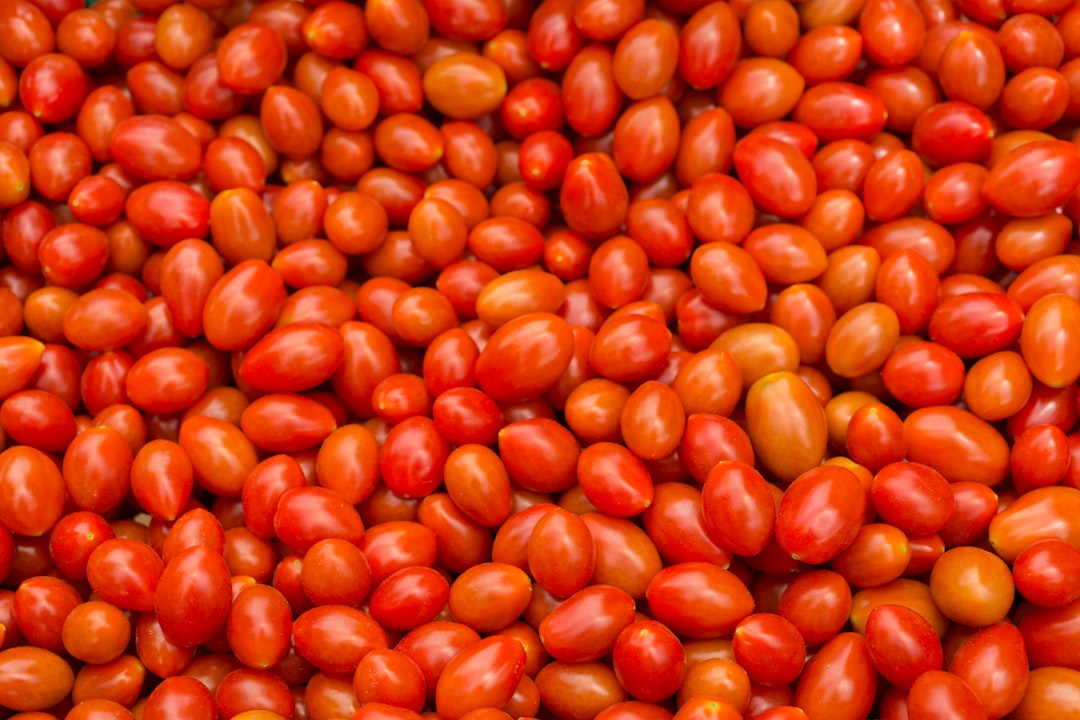
Yes, you can absolutely freeze whole tomatoes without peeling them first — and it’s one of the easiest ways to preserve a surplus from your garden or the farmers market. Freezing tomatoes whole requires very little effort, and no blanching or peeling is required. The skin actually works in your favor: it protects the fruit during freezing and slips off effortlessly once the tomato thaws.
The common belief that you must blanch and peel tomatoes before freezing is simply outdated. Freezing tomatoes just as they are requires nothing else, and unlike canning, no citric acid or lemon juice is needed to keep them safe. Whether you grew them yourself or bought a flat at a summer produce stand, this method saves time and locks in flavor for months.
This guide walks you through everything you need to know — from how freezing changes the texture, to the right way to freeze and thaw, to how to spot tomatoes that have gone bad in the freezer.
Can You Freeze Whole Tomatoes?
You can freeze raw tomatoes with or without their skins. Tomatoes may be frozen raw or cooked, whole, sliced, chopped, or puréed, and they do not need to be blanched before freezing. Freezing whole is the simplest approach — you just wash, dry, and freeze.
You can freeze tomatoes whole, and it’s the easiest way to do it. No chopping or slicing is needed, though whole tomatoes will take up the most room in the freezer. If freezer space is tight, consider halving or quartering them before freezing instead.
All common varieties used in American home kitchens freeze well whole. Slicing and beefsteak tomatoes are full of juice and break down when defrosted, which makes them great for recipes needing stewed tomatoes — use these for soups, stews, and casseroles. Roma and other paste-type tomatoes freeze well and hold their shape better, and can even be sliced once defrosted for cold pasta salads and dishes that require more tomato substance.
Pro Tip: If you plan to peel the tomatoes before cooking, cut a shallow X in the bottom of each tomato just through the skin before freezing. This makes the skins slip off even faster when you thaw them under warm water.
Does Freezing Change the Texture or Taste of Whole Tomatoes?
Freezing does change the texture of tomatoes, and it helps to know what to expect before you reach for a frozen one. No matter how you freeze tomatoes, you won’t be able to eat them on sandwiches or in salads later on. Freezing changes their texture and makes them unpalatable when thawed and eaten raw, so it really depends on how you plan to use them.
Freezing ruptures the cell walls of tomatoes, releasing water upon thawing. This is normal — drain off the excess liquid before using the tomatoes to prevent diluting your recipe. Think of frozen-and-thawed tomatoes as a direct substitute for canned whole tomatoes.
The flavor story is more positive. The whole tomatoes taste exactly like whole canned tomatoes and make an excellent tomato base for soups or slow-cooker recipes. Freezing can slightly diminish the intensity of tomato flavor, but proper storage and defrosting can minimize this difference. Starting with fully ripe, blemish-free tomatoes gives you the best results.
On the nutrition front, freezing has a minimal impact on the nutritional value of tomatoes. While some nutrients like Vitamin C might degrade slightly, the majority of vitamins and minerals remain intact. That makes frozen tomatoes a smart way to keep whole plant-based foods in your diet year-round.
How to Freeze Whole Tomatoes the Right Way
The process takes only a few minutes of active work. Follow these steps for the best results:
- Select firm, ripe tomatoes. Select firm, ripe tomatoes for freezing and sort them, discarding any that are spoiled. Avoid overripe or cracked fruit.
- Wash and dry thoroughly. Gently rub tomatoes under cold running water, then dry with a paper towel or a clean cloth. Moisture on the surface causes ice crystals and freezer burn.
- Remove the stem and core. Grab a small, sharp knife and cut around the top of the tomato at an angle to remove the core at the stem end. This is the only prep step you truly need.
- Flash-freeze on a baking sheet. Arrange the tomatoes in a single layer on a rimmed baking sheet and freeze until solid. This prevents them from sticking together in the bag.
- Transfer to airtight freezer bags. Once frozen, transfer the tomatoes from the cookie sheets into freezer bags or other containers and seal tightly. Press out as much air as possible before sealing.
- Label and date. Write the variety and date on each bag. This makes it easy to use the oldest tomatoes first and track freshness.
Pro Tip: If you don’t have room for a baking sheet in your freezer, place the dried tomatoes loosely in a bag and freeze overnight, then squeeze out the air the next day. They may stick together slightly, but the quality will still be fine.
For storage containers, zip-top freezer bags are easy to find, affordable, and save a lot of space compared to glass. Airtight freezer bags — such as reusable silicone food storage bags or heavy-duty freezer zip-lock bags — work well, and a vacuum sealer is an excellent option if you have one. You can also pair this method with other items you’re preserving — check out freezing jam without pectin for another easy no-cook preservation technique.
How Long Can You Freeze Whole Tomatoes?
Storage life depends on how well you seal the tomatoes and what type of container you use.
| Storage Method | Estimated Freezer Life | Best For |
|---|---|---|
| Regular zip-top freezer bag | 8–12 months | Most home cooks |
| Vacuum-sealed bag | 2–3 years | Long-term storage |
| Airtight glass container | 8–12 months | Cherry tomatoes |
| Blanched before freezing | Up to 10 months | Peeled, pre-prepped tomatoes |
Frozen tomatoes will be good for 8–12 months with most freezer containers or bags, though they will last for 2–3 years if vacuum sealed. Keep the temperature of the freezer at 0 degrees Fahrenheit or below to maintain quality throughout storage.
While frozen tomatoes don’t technically become unsafe indefinitely if stored properly, their quality does degrade over time. To enjoy the best flavor and texture, aim to use your frozen tomatoes within 8–12 months. Season tomatoes right before serving rather than before freezing, since freezing may cause seasonings such as garlic, onion, and herbs to either strengthen or weaken.
How to Thaw Frozen Whole Tomatoes
How you thaw your tomatoes depends on how you plan to use them. You have three practical options:
- Refrigerator (best method): Transfer the frozen tomatoes from the freezer to a container in the refrigerator to prevent any escaping liquid from contaminating other foods. Allow the tomatoes to thaw completely — depending on the size and quantity, this can take several hours or overnight.
- Warm water (fastest peel-off method): When you are ready to use your frozen tomatoes, rinse them under water for about 10 seconds and the peels should slip right off. This is the go-to method when you want to peel and cook immediately.
- Straight into the pot: You can drop them straight into the pot — the skins slip off easily as they thaw and cook. Fish out the skins once they separate, or leave them in if texture isn’t a concern.
Once thawed, drain off any excess liquid. This liquid is often watery and can dilute the flavor of your dish. If you want to concentrate the tomato flavor in a sauce, let thawed tomatoes drain in a colander for a few minutes before adding them to the pan.
Important Note: Avoid thawing tomatoes at room temperature on the counter. According to food safety guidelines, bacteria grows rapidly between 40°F and 140°F, and anything left in that range for more than two hours can pose a risk. Stick to the refrigerator, cold water, or direct cooking methods.
Can You Refreeze Whole Tomatoes After Thawing?
Refreezing thawed tomatoes is not recommended. Refreezing thawed tomatoes can lead to a significant loss of quality and an increased risk of foodborne illness. When tomatoes are thawed, the cell walls begin to break down and enzymes that contribute to spoilage become active. Refreezing causes the formation of ice crystals, which can further damage the cell walls and lead to a loss of texture and flavor.
Refreezing thawed tomatoes is generally not recommended because the texture will deteriorate further and the risk of bacterial contamination increases. If you have excess thawed tomatoes, it is best to cook them into a sauce or soup and then freeze the cooked product. This is a much better use of your surplus.
There is one narrow exception: if you thawed the tomatoes in the refrigerator and they were kept consistently cold, you might be able to refreeze them if they were only thawed for a very short time — but even then, the quality will be compromised. It is far better to use the thawed tomatoes promptly.
How to Use Frozen Whole Tomatoes (Best Uses After Freezing)
Frozen tomatoes are best used in cooked foods such as soups, sauces, and stews, as they become mushy when thawed. That soft, broken-down texture is actually an asset in cooked applications — it means the tomato melts right into your dish.
Here are the best ways to put your frozen whole tomatoes to work:
- Tomato sauces and pasta sauce: Thaw, peel, and crush them directly into the pan. The high water content cooks off as the sauce reduces.
- Soups and stews: Add whole tomatoes to soup for additional flavor, or cook tomatoes and purée them for soup or chili stock.
- Slow-cooker and casserole dishes: The tomatoes that come out of the freezer work perfectly in place of canned tomatoes in soups, stews, and casserole dishes.
- Homemade tomato paste: Simmer thawed tomatoes down until thick. You can turn tomatoes into a delicious tomato sauce that you can refreeze or can, or create homemade tomato paste.
- Skillet meals and pan sauces: Thaw a frozen tomato, chop or crush it, and stir it into skillet meals or quick pan sauces for instant tomato flavor.
- Stockpiling for canning: Freezing tomatoes is perfect for when you are trying to stockpile enough tomatoes for canning. As you harvest, pop them in the freezer, and once you have enough for a batch of tomato purée or spaghetti sauce, bring them out and get to canning.
Frozen tomatoes are not a good substitute for fresh in dishes where texture matters — like bruschetta, caprese salad, or fresh salsa. The texture of the tomato changes with freezing and turns very soft, so you’ll want to use fresh tomatoes from the garden or farmers market for making homemade salsa. For cooked applications, though, they’re a reliable year-round ingredient. Tomatoes pair beautifully with other produce you might grow — see what to grow alongside tomatoes for companion planting ideas.
If you’re interested in how tomatoes and other whole foods fit into a broader healthy diet, these heart-healthy superfoods and nutrients that fight cancer are worth reading alongside your food storage research.
Signs That Frozen Whole Tomatoes Have Gone Bad
Even properly frozen tomatoes can degrade in quality over time. Here’s what to look for before you use them:
- Extensive freezer burn: Large, grayish-white patches on the surface are a telltale sign of freezer burn. While the tomatoes might still be safe to eat, the affected areas will be dry and flavorless.
- Off odor: A foul or unusual odor emanating from the frozen tomatoes is a clear warning sign of spoilage — discard them immediately.
- Significant discoloration: While some color change is normal during freezing, extreme discoloration such as turning brown or black could indicate degradation.
- Slime or mold after thawing: If frozen tomatoes develop slime or mold, they should be discarded.
- Excessively mushy or slimy texture: If the texture has become excessively mushy or slimy after thawing, it’s a good indication that they’ve passed their prime. Note that some softness is normal — it’s the slimy, wet breakdown that signals a problem.
Proper storage is crucial for extending the shelf life and maintaining the quality of frozen tomatoes. Airtight containers or freezer bags are essential to prevent freezer burn and minimize exposure to air. When in doubt, trust your nose — if it smells off after thawing, toss it. For more on smart food storage habits, see foods you need to avoid and how storage impacts food safety.
Frequently Asked Questions
Do You Have to Peel Tomatoes Before Freezing?
If you’re freezing the tomatoes raw, you do not have to peel them. The skin protects the flesh during freezing and slides right off once the tomato is thawed under warm water. Peeling before freezing is optional and mostly a matter of preference.
Do You Have to Blanch Tomatoes Before Freezing?
Tomatoes do not need to be blanched before freezing. Blanching can extend freezer life slightly, but it adds significant prep time. For most home cooks, skipping the blanch and going straight to the freezer is the practical choice.
Can You Freeze Cherry Tomatoes Whole?
Yes — because grape and cherry tomatoes are so small, there’s no need to blanch or peel them first. Simply rinse them, pat them dry, and freeze them on a cookie sheet until firm before sealing them in a freezer bag.
Can You Freeze Tomatoes With the Skin On for Sauce?
Yes. You can pull them out of the bag and put them whole into soups and stews just like canned tomatoes. The tomato skins fall off the tomato when they cook down. You can fish the skins out of the pot, or simply blend the sauce smooth to incorporate them.
How Do You Keep Frozen Tomatoes From Getting Freezer Burn?
To maximize shelf life, store tomatoes in airtight, freezer-safe containers or bags to minimize exposure to air, which can cause freezer burn. Remove as much air as possible before sealing — vacuum sealing is an excellent option for long-term storage.
Can You Freeze Tomatoes That Are Slightly Overripe?
You can freeze tomatoes at any stage of ripeness. Slightly overripe tomatoes that are too soft to eat fresh are perfectly fine to freeze for cooking. Just cut away any damaged spots and dry them well before freezing. For more food storage tips, foods that support liver function and foods for healthy eyesight offer useful guidance on making the most of fresh produce.