Freezing Vegetables Without Blanching: What Actually Works (and What Doesn’t)

October 25, 2026
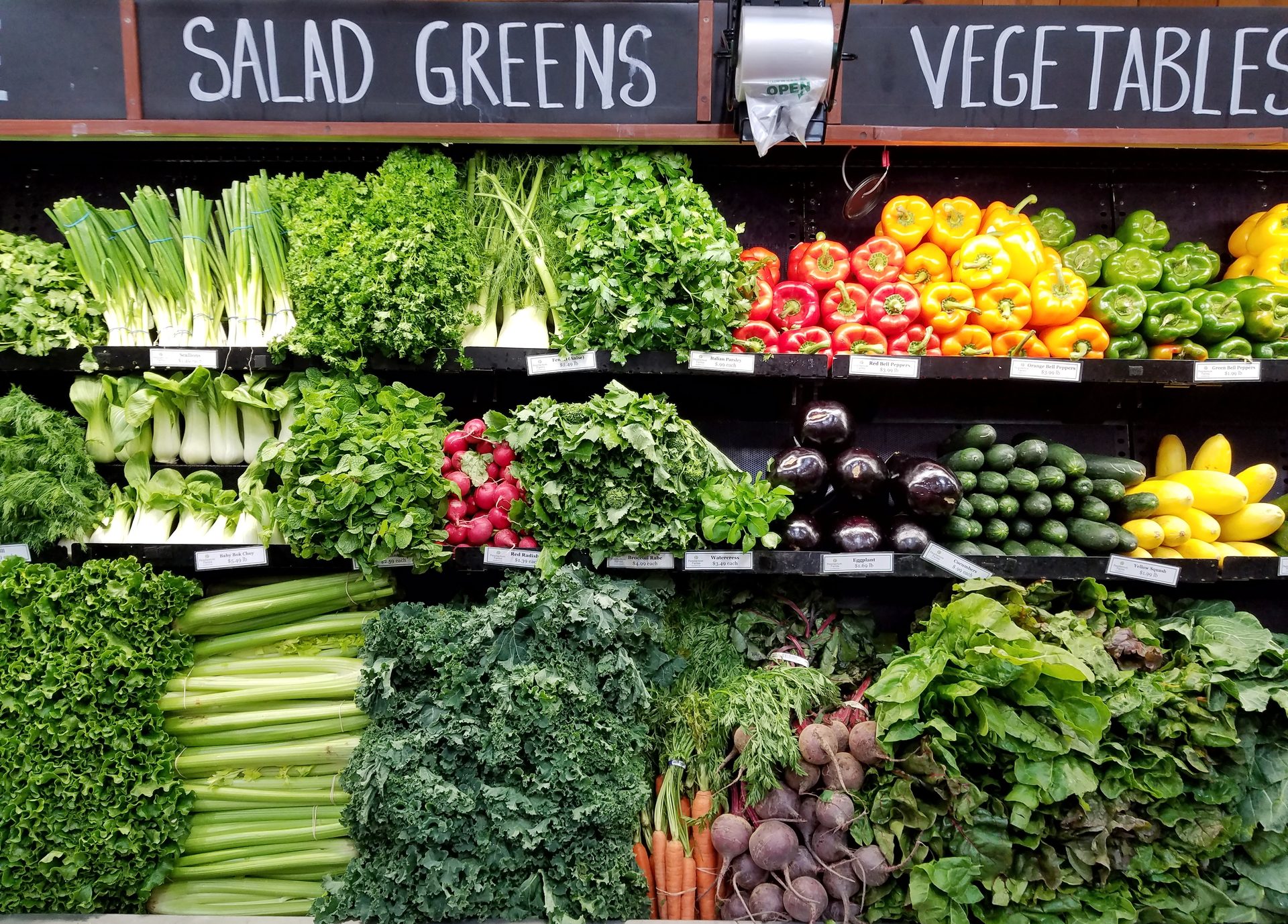
You just came home from the farmers market with more zucchini, peppers, and green beans than you can possibly use this week. Freezing them sounds like the obvious move — but then you read that you’re supposed to blanch everything first, and suddenly the whole project feels like a cooking class you didn’t sign up for.
The short answer is yes, you can freeze vegetables without blanching. But whether that’s a good idea depends entirely on which vegetable you’re working with and how long you plan to store it. Some vegetables hold up beautifully without any heat treatment; others will turn dull, mushy, and bitter within a few months if you skip the step. This guide breaks it all down so you know exactly what you’re dealing with before you open that freezer drawer.
Can You Freeze Vegetables Without Blanching?
Almost all vegetables can be frozen, but their success depends on their water content and how they are prepared. Blanching — a brief dip in boiling water followed by an ice bath — is the standard recommendation because it deactivates enzymes that continue breaking down vegetables even in the freezer.
The five factors responsible for most quality losses in frozen foods are enzymes, air, microorganisms, large ice crystals, and evaporation of moisture. Enzymes are naturally occurring substances in plants that control the ripening process, and freezing only slows enzyme activity — it does not stop it. That’s why skipping blanching isn’t always a neutral choice.
That said, blanching isn’t a universal requirement. While blanching is highly recommended for most dense or fibrous vegetables like broccoli, carrots, and Brussels sprouts, certain raw vegetables can skip this step entirely — usually aromatics or those with a lower moisture profile that you intend to use directly in cooked dishes later.
Pro Tip: The no-blanch method works best as a short-term strategy. If you plan to use your frozen vegetables within 2–3 months, skipping blanching is a reasonable shortcut for the right vegetables. Beyond that window, blanching pays off.
Here is a quick-reference breakdown of where common vegetables fall:
| Vegetable | Blanching Required? | No-Blanch Storage Window | Notes |
|---|---|---|---|
| Bell peppers | No | Up to 6 months | Freeze raw, seeds removed |
| Onions | No | 2–3 months | Chop first; use in cooked dishes |
| Garlic | No | Up to 3 months | Peel and freeze whole or minced |
| Tomatoes (for cooking) | No | Up to 3 months | Raw whole tomatoes become watery |
| Spinach / leafy greens | Optional | 1–2 months | Blanching saves space and extends life |
| Broccoli / cauliflower | Recommended | 2–3 weeks only | Color and texture degrade quickly unblanched |
| Green beans | Recommended | 2–3 weeks only | Tend to turn dark and mushy without blanching |
| Carrots | Recommended | 2–3 weeks only | Become spongy and watery if frozen raw long-term |
| Corn | Recommended | Not advised | Starch conversion happens fast without blanching |
| Celery / cucumber / lettuce | Do not freeze | N/A | Too high in water; become soggy when thawed |
Does Freezing Change the Texture or Taste of Vegetables?
Yes — and the degree of change depends on whether you blanched first, how long you store the vegetables, and the vegetable’s natural water content. When vegetables freeze, the water inside them expands into ice crystals, which can puncture cell walls and leave them soft or watery upon thawing. This is why thawed vegetables rarely have the same crunch as fresh ones.
Freezing vegetables without blanching them first results in faded or dulled coloring, as well as off flavors and textures. The enzyme activity that blanching halts continues slowly in the freezer, meaning the longer unblanched vegetables sit, the more the quality slips. Vegetables contain enzymes that cause them to continue to age after they’ve been picked, and that aging process slows down but does not stop in the freezer — so sweet, tender peas will, over time, turn starchy and bitter.
For vegetables that are fine to freeze without blanching — like bell peppers, onions, and garlic — the texture shift is minimal because they’re almost always destined for cooked applications anyway. A stir-fry or soup doesn’t need a crisp raw pepper; it needs flavor, and frozen aromatics deliver that well.
Important Note: Do not expect any frozen vegetable to retain the crunch of a raw, fresh one after thawing. Freezing is a tool for cooked applications. Plan your recipes accordingly and you’ll rarely be disappointed.
If you’re focused on maximizing nutrition in your diet, pairing frozen vegetables with heart-healthy eating habits is still a smart strategy — frozen vegetables retain most of their nutrients when stored properly.
How to Freeze Vegetables the Right Way
Whether you blanch or not, the process for freezing vegetables follows the same core steps. The goal is to remove moisture from the surface, prevent clumping, and seal out air.
For Vegetables That Don’t Need Blanching (Peppers, Onions, Garlic, Tomatoes for Cooking)
- Wash and dry thoroughly. Rinse produce by gently rubbing or scrubbing under cold running water, and do not soak it. Pat completely dry — surface moisture turns into ice crystals that damage texture.
- Prep for use. Bell peppers don’t need blanching before freezing — just remove the seeds, cut them into slices or dices, and freeze them flat in a freezer-safe bag. Chop onions and mince or peel garlic before freezing.
- Flash freeze on a baking sheet. Spread vegetables in a single layer on a baking sheet and freeze until solid — a few hours or overnight. This prevents them from freezing into one solid clump.
- Transfer and seal. Transfer frozen vegetables to labeled freezer bags or containers, removing as much air as possible. A vacuum sealer works best, but pressing the bag flat and using a straw to suck out remaining air also works.
- Label with the date. Write the vegetable name and date on every bag. It sounds obvious, but it’s easy to forget.
For Vegetables That Benefit from Blanching (Broccoli, Green Beans, Carrots, Corn, Peas)
- Wash, trim, and cut into uniform pieces. Uniform sizing ensures even blanching.
- Blanch in boiling water. Blanching is scalding vegetables in boiling water or steam for a short time, and it stops enzyme actions that cause loss of flavor, color, texture, and nutrients even in frozen storage. Times vary by vegetable — broccoli and cauliflower need about 3 minutes; corn kernels need 4 minutes.
- Shock in an ice bath immediately. The ice bath is not optional — without immediate cooling, vegetables continue cooking from residual heat, resulting in soft, overcooked texture and dull color. The ice bath must be ice-cold (not just cool water), and vegetables must stay in it for the same amount of time as blanching to stop the cooking process instantly.
- Drain and dry well. Drain and pat dry to remove as much surface water as possible, because excess water leads to ice formation and reduces quality.
- Flash freeze, then bag and seal using the same steps above.
Pro Tip: Steam blanching is less likely to cause water-soaked vegetables and is ideal for broccoli and other delicate vegetables — though it takes about 50 percent longer than water blanching.
For a related preservation technique, see whether you can freeze jam without pectin — the same principle of understanding what each food needs before freezing applies there too.
Select plastic bags labeled specifically for freezing food, and look for plastic containers specifically labeled for freezer storage. Tempered glass jars specifically designed for freezing are also suitable. Avoid repurposing regular storage containers — they’re not moisture-vapor resistant enough for long-term freezer use.
How Long Can You Freeze Vegetables?
Storage time depends heavily on whether vegetables were blanched before freezing and how well they’re sealed. With proper preparation, vegetables can be stored in a freezer for eight months to one year. Without blanching, that window shrinks considerably.
- Blanched vegetables: Frozen vegetables like broccoli, spinach, and carrots last up to 10–12 months when properly blanched and sealed.
- No-blanch aromatics (peppers, onions, garlic): Best used within 2–6 months, depending on the vegetable. For most vegetables, flavor changes become noticeable after about 3 months in the freezer, so if you know you will use your frozen vegetables within three months, freezing without blanching works.
- No-blanch dense vegetables (broccoli, green beans, carrots): If you remember to use those veggies within a couple of weeks, go ahead and freeze without blanching — but if you want good results months from now, blanch them.
Freeze and store food at 0°F or lower for the best quality. Fluctuating temperatures — from opening the freezer frequently or placing the freezer in a warm garage — cause partial thawing and refreezing that accelerates ice crystal formation and quality loss.
A good policy to follow is “first in, first out” — rotate foods so you use the older items first and enjoy your food at its best quality. Labeling every bag with a date makes this simple.
Eating well starts with smart food storage. If you’re building a nutrition-focused pantry, explore whole plant-based foods that pair well with a well-stocked freezer, or check out nutrients and foods that support overall health for meal planning ideas.
How to Thaw Frozen Vegetables
How you thaw vegetables affects both safety and texture. The good news is that most frozen vegetables don’t even need to be fully thawed before cooking — you can often go straight from freezer to pan.
The Three Safe Thawing Methods
- Cook from frozen. This is the best option for most applications. Add frozen vegetables directly to soups, stir-fries, casseroles, or roasting pans. Cooking from frozen preserves the most texture because you skip the thaw-related cell breakdown.
- Refrigerator thaw. Transfer the bag to the fridge the night before you need it. On average, thawed vegetables can be stored in the fridge for up to 3–5 days after this method, giving you some flexibility.
- Cold water thaw. Place the sealed bag in a bowl of cold water. Change the water every 30 minutes. This works well when you need vegetables thawed quickly for a recipe.
Avoid thawing vegetables at room temperature on the counter. Bacteria, molds, and yeast multiply rapidly when the temperature is between 40°F and 140°F. Leaving thawed vegetables sitting out for more than two hours puts them in that danger zone.
Pro Tip: Leafy greens like spinach release a lot of water when thawed. Squeeze them in a clean kitchen towel before adding to recipes like pasta, egg dishes, or dips to avoid watering down your dish.
Can You Refreeze Vegetables After Thawing?
Technically yes, but with important conditions. You can safely refreeze certain frozen food that has thawed — raw or cooked — although there may be a loss of quality due to moisture lost through thawing. To safely refreeze, the thawed product must have been kept cold at 40°F or below for no more than 3–4 days.
If food is completely thawed, warmed to room temperature, or left out of the refrigerator for more than 2 hours, throw it out for safety’s sake. This is a firm food safety rule, not a suggestion.
Many vegetables are safe to refreeze, but they lose much of their texture, flavor, and appearance even if ice crystals are still present. You may want to cook the thawed vegetables and eat them right away, or add them to soup or stew and freeze the soup to eat later. That last option — converting thawed vegetables into a soup or casserole before refreezing — is often the smartest path.
Each freeze-thaw cycle degrades the texture and flavor of vegetables, so it’s best to avoid refreezing if possible to maintain quality. Freezing vegetables in single-meal portions from the start eliminates the need to refreeze entirely.
How to Use Frozen Vegetables (Best Uses After Freezing)
Frozen vegetables shine in cooked applications. Because the cell structure has already been softened by ice crystals, they integrate better into dishes that involve heat — and they often cook faster than their fresh counterparts.
Best uses for frozen vegetables:
- Soups and stews: Drop frozen vegetables directly into the pot. They’ll thaw and cook in minutes and absorb the surrounding flavors well.
- Stir-fries: Aromatic vegetables like onions, garlic, and bell peppers are incredibly convenient to grab for quick sautés or stir-fries. Add them straight from the freezer to a hot pan.
- Casseroles and baked dishes: Frozen vegetables go directly into the dish before baking. No pre-thawing needed.
- Pasta and grain bowls: Toss frozen peas, corn, or edamame into pasta during the last 2 minutes of cooking — they heat through in the same time the pasta finishes.
- Smoothies and blended soups: Frozen spinach, kale, and zucchini blend seamlessly into smoothies and pureed soups without any noticeable texture difference.
- Egg dishes: Frozen peppers, onions, and spinach work perfectly in omelets, frittatas, and breakfast scrambles.
What frozen vegetables are not ideal for: raw salads, crudité platters, or any dish where crisp raw texture is the point. Cubed zucchini, for example, freezes fine for soup or casseroles, but forget it for stir-fry — you’ll get mush.
If you’re looking for creative ways to work more vegetables into your meals, anti-inflammatory food choices and foods that support liver function are good starting points for building vegetable-forward menus around your freezer staples. You can also explore foods that promote healthy skin for additional nutrition-focused recipe inspiration.
Signs That Frozen Vegetables Have Gone Bad
Frozen vegetables don’t spoil the way fresh produce does, but they do degrade in quality — and there are clear signs that tell you when it’s time to toss them.
Visual Signs
- Freezer burn: Excessive ice crystals on the vegetables can indicate freezer burn, which affects texture and flavor. Freezer burn appears as dry, grayish-white patches on the surface. The vegetable is still safe to eat but will taste dry and papery in affected areas.
- Discoloration: Discoloration, such as dull or dark spots, can suggest the vegetables are no longer fresh. Unblanched vegetables are especially prone to this as enzyme activity continues in the freezer.
- Large ice chunks in the bag: A solid block of ice surrounding your vegetables usually means the bag wasn’t sealed properly or the freezer temperature fluctuated. The vegetables inside may be mushy when thawed.
Smell and Texture Signs
- Off odor after thawing: Spoiled vegetables often emit a sour or off odor — if frozen vegetables have a strange smell upon thawing, that is a clear indication they are no longer safe to consume.
- Slimy or mushy texture: A slight softness is normal in thawed vegetables, but sliminess is not. Discard any vegetable that feels slimy after thawing.
- Visible mold: Mold growth is rare in a properly functioning freezer but can occur if vegetables were stored at inconsistent temperatures. When in doubt, throw it out.
While frozen fruits and vegetables are technically safe to eat indefinitely as long as they stay frozen, the texture and flavor can degrade after 12 months. Staying within recommended storage windows is the simplest way to avoid quality issues altogether.
Frequently Asked Questions
Can you freeze raw vegetables without any preparation at all?
You can, but results vary significantly. Except for onions and peppers, which you can freeze raw, you should blanch or fully cook vegetables before freezing. Blanching stops the enzymes that cause discoloration and turn frozen produce mushy. Throwing unwashed, uncut vegetables straight into a bag is the fastest way to end up with a disappointing result months later.
Which vegetables should never be frozen?
You can freeze just about any vegetable except celery, watercress, endive, lettuce, cabbage, cucumber, and radishes. These foods have a high water content and become soggy and water-logged when thawed. Raw whole tomatoes also don’t freeze well — raw, whole tomatoes do not freeze well and may become watery and develop an off-flavor after a month in the freezer. Cook tomatoes down before freezing them.
Does freezing vegetables destroy their nutrients?
Freezing preserves nutritive quality so that frozen foods resemble fresh foods when done correctly. Without blanching, unblanched frozen vegetables lose even more nutrients over time due to ongoing enzyme activity during storage. Blanched and properly sealed vegetables actually retain nutrients better than fresh produce that has been sitting in the refrigerator for several days.
Can you freeze cooked vegetables?
Cooked and roasted vegetables freeze beautifully as long as they are packed correctly. Never put warm food in the freezer — it creates steam, leading to massive ice crystals and localized defrosting of adjacent items. Let cooked vegetables cool completely at room temperature before packaging and freezing. Once cooled, portion them into meal-sized servings, seal them in airtight freezer-safe bags or containers with as much air removed as possible, and they will safely maintain their quality for up to 3 to 6 months.
How do you prevent freezer burn on vegetables?
The main cause of freezer burn is air contact. Remove as much air as possible from freezer bags before sealing — press the bag flat, then use a straw to suck out remaining air if you don’t have a vacuum sealer. Packaging materials must be moisture-vapor resistant, durable and leak-proof, protect foods from off-flavors and odors, and easy to seal. Double-bagging vegetables that you plan to store for longer than 6 months adds an extra layer of protection.
Is it safe to eat vegetables that have been frozen for over a year?
Storage times are approximate months for food prepared and packaged correctly and stored at or below 0°F. For best quality, use the shorter storage times — after these times, food should still be safe, just lower in quality, according to the National Center for Home Food Preservation . A year-old bag of blanched green beans won’t hurt you, but it probably won’t taste great either.
Freezing is one of the most practical tools in any home kitchen, and it pairs well with a broader approach to eating well. Whether you’re exploring foods for eye health, learning about foods to limit in your diet, or just trying to make better use of what’s in your produce drawer, a well-managed freezer makes all of it easier. The key is knowing your vegetables, matching your storage method to how long you actually plan to keep them, and sealing everything tightly before it goes in.