Can You Freeze Honey in Ice Cube Trays? (Yes — Here’s How)

October 24, 2026
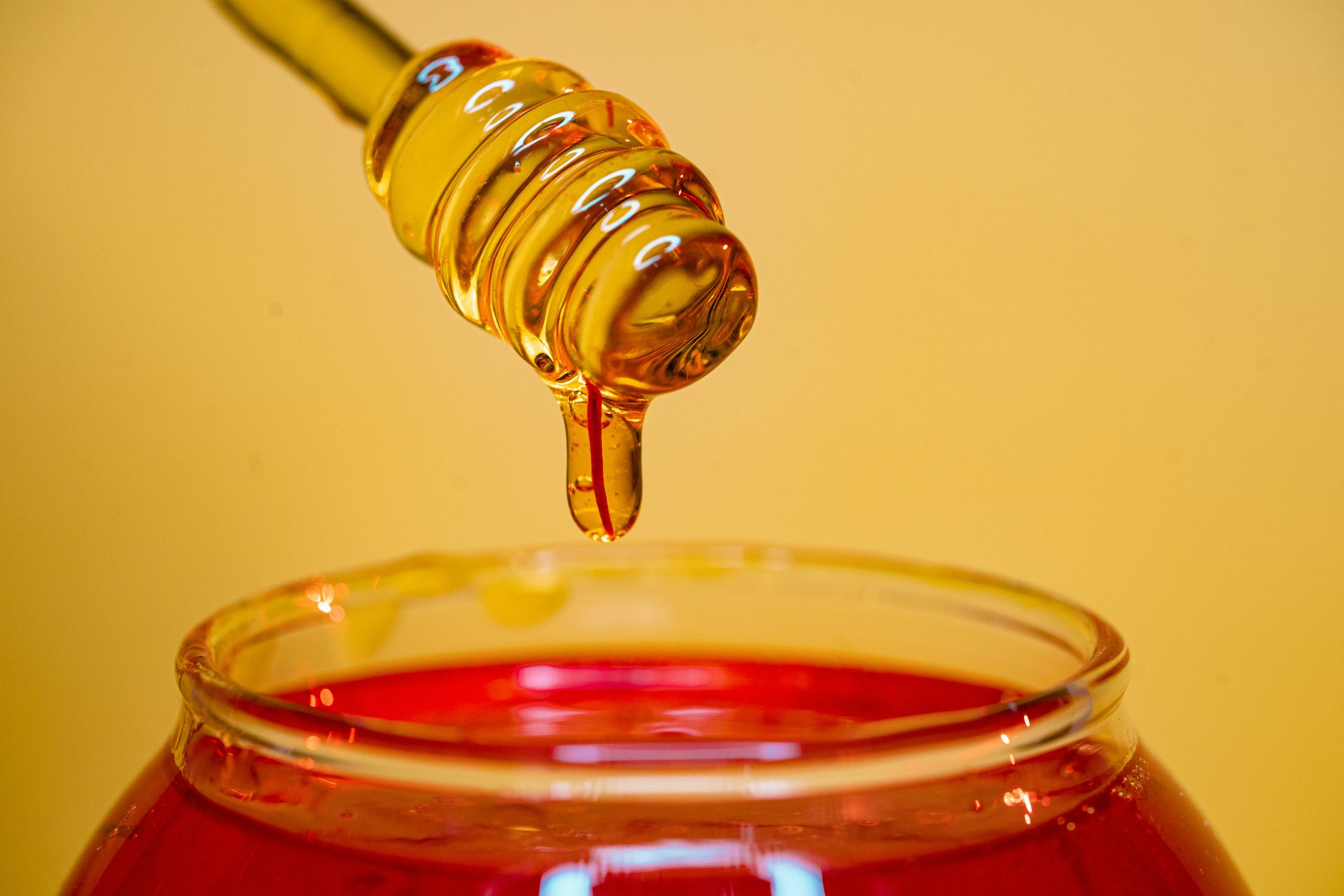
Honey is one of the most shelf-stable foods in your kitchen, but there are good reasons you might want to freeze it — and freezing it in ice cube trays is one of the smartest moves you can make. Whether you bought a large bulk jar from a local beekeeper, want to preserve a delicate raw variety at peak flavor, or simply need a way to portion it out for weekly baking, the ice cube tray method gives you single-serving convenience without any waste.
This guide covers everything you need to know about freezing honey in ice cube trays: what actually happens when honey gets cold, step-by-step freezing instructions, how long it lasts, how to thaw it properly, and when (if ever) it goes bad. If you’ve been curious about this method, you’re in the right place.
Can You Freeze Honey?
Yes, you can absolutely freeze honey. Honey can be safely frozen, and freezing won’t harm its quality, although it might change its texture due to crystallization — which is a natural process. That said, honey behaves very differently in the freezer than most liquids you’re used to storing there.
Honey doesn’t freeze solid the way water or juice does. Its extremely low water content — typically under 20% — and dense sugar concentration mean that a standard home freezer will make honey thicker and harder, but it won’t turn into a true frozen block. Honey only reaches a brittle, glass-like solid state at around -44°F, far colder than any kitchen freezer. At typical freezer temperatures of 0°F, honey becomes very thick and slow-moving but retains a slight ability to flow.
So while your honey won’t pop out of an ice cube tray as a perfectly rigid cube the way water does, it will firm up enough to handle and store — which is exactly what you want for portioned freezer storage. Freezing honey is an effective method for long-term storage, particularly if you want to prevent crystallization or maintain its liquid form in warmer climates.
Pro Tip: Freezing is especially worthwhile for raw or unfiltered honey varieties. For long-term preservation of raw, unfiltered, or enzyme-rich varieties, freezing is often the optimal choice.
Does Freezing Change the Texture or Taste of Honey?
Freezing has a noticeable effect on texture but is generally gentler on flavor than other storage methods. When you put a jar of liquid honey in the freezer, the change is gradual. Over several hours, it thickens into something resembling cold taffy or very stiff caramel. The color may appear slightly lighter or more opaque.
On the question of taste, the freezer is actually your friend. If you’re trying to avoid crystallization or changes in the color and taste of your honey, freezing is one way to do it. The freezer keeps the honey too cold for crystallization and preserves its original taste, color, and texture. Compare that to room-temperature storage, where the color may darken over time, and in variety types of honey — such as Sourwood, Orange Blossom, and Clover — the flavor can change a bit with longer storage.
The science backs this up. Honey stored at room temperature for the same period lost roughly 25% of its diastase activity. Freezing also kept levels of HMF — a compound that builds up as honey degrades — much lower than room-temperature storage. In practical terms, honey pulled from the freezer after a year and a half is closer to fresh than honey that sat in your cupboard for the same time.
One nuance worth knowing: refrigeration, around 40°F, is actually the worst option for texture. That temperature range accelerates crystal formation without offering the preservation benefits of true freezing. The freezer, not the fridge, is where you want to put honey for extended storage.
How to Freeze Honey the Right Way
Freezing honey in ice cube trays is straightforward, but a few details make a real difference in how well the cubes hold up and how easy they are to use later. Follow these steps for the best results.
- Choose a silicone tray. Grab an ice tray, preferably one that’s flexible or made of silicone, and fill each cube with honey. Silicone trays flex easily, which makes popping out the thick, semi-solid honey cubes much simpler than with rigid plastic trays.
- Fill each pod carefully. Fill the pods of an ice tray with a tablespoon or two of honey. You can use an actual measuring spoon or just eyeball it. Make sure to leave about ¼ of the pod open to allow for any slight expansion as the honey firms up.
- Seal the tray from moisture. If you can fit the ice cube tray in a sealed bag, it’s helpful — this keeps out moisture and unwanted aromas. Moisture is the main enemy of frozen honey, so this step matters.
- Freeze until firm. Place the trays in the freezer for around 4 hours or until solid to the touch. The honey won’t be rock-hard like an ice cube, but it should be firm enough to handle.
- Transfer to a freezer bag or jar. Once the cubes are solid enough to handle, pop them out of the tray and put them in a pre-labeled bag or Mason jar and into the freezer. Some experts recommend using glass jars for freezer storage to prevent the absorption of any odors in the plastic or freezer.
- Label with the date. Write the contents and freezing date on the bag or jar. This helps you track how long your honey has been stored and rotate through older portions first.
Pro Tip: Avoid freezing honey mixed with pollen, propolis tinctures, or herbs — these additions introduce moisture or microbes that compromise stability. Freeze plain honey only, and add any mix-ins after thawing.
If you’re interested in learning more about what makes honey worth preserving in the first place, check out why every home should have raw honey and how to identify real and pure honey before you buy a large batch to freeze.
How Long Can You Freeze Honey?
Honey’s shelf life is remarkable even without freezing. Honey is one of the few foods that technically never spoils at room temperature, thanks to its low moisture, high acidity, and natural antibacterial properties. So freezing isn’t necessary for safety. But for quality preservation, the freezer extends what is already an impressive shelf life even further.
The National Honey Board and USDA Food Safety and Inspection Service classify frozen honey as “non-perishable with indefinite shelf life” — provided packaging remains intact and temperature fluctuations are minimized. Freezing small amounts of honey using an ice cube tray is a great way to keep a bit on hand. Once frozen, the cubes can be stored in zip lock bags for months.
| Storage Method | Estimated Quality Life | Best For |
|---|---|---|
| Room temperature (sealed jar) | 1–2 years for peak quality; safe indefinitely | Everyday use |
| Refrigerator | Not recommended — accelerates crystallization | Not ideal for any use |
| Freezer (ice cube tray portions) | Indefinite; best quality within 1–2 years | Long-term storage, portioned use |
| Freezer (sealed glass jar) | Indefinite; best quality within 1–2 years | Bulk long-term storage |
“Honey does not spoil, however for best quality, the USDA recommends storing honey for up to 12 months. After that time, it remains safe but the quality may not be as good.” Freezing helps maintain that peak quality well beyond the 12-month window for pantry storage.
How to Thaw Frozen Honey
Thawing frozen honey cubes is easy, but the method matters. Moving too fast — especially with heat — can degrade the very enzymes and aromatics you were trying to protect by freezing in the first place.
One easy and safe defrosting method is to remove the honey from the freezer and let it slowly come to room temperature. This removes any risk of overheating it, but it can take a day or two for the honey to fully defrost. For most people planning ahead for baking or cooking, this is the preferred approach.
If you’re in a hurry, a warm water bath works well. Honey can be defrosted slowly at room temperature. If you’re in a hurry, you can also use a warm water bath to gradually heat the honey, ensuring it doesn’t get too hot and destroy its beneficial nutrients. Aim for water that’s warm but not hot — well below boiling.
Never submerge sealed containers in hot water or use microwave radiation — both create uneven thermal gradients that degrade volatile aromatics and accelerate HMF formation. The microwave is fast, but it’s not worth the quality trade-off for a product as nuanced as raw honey.
Pro Tip: Pull one or two honey cubes from the freezer the night before you plan to use them and let them thaw in a small sealed container on the counter. By morning, they’ll be soft and ready to use with no heat required.
Can You Refreeze Honey After Thawing?
This is where the ice cube tray method really earns its place. Honey cannot be refrozen, so the thickness becomes an issue when trying to only thaw what you need. The best way around this is to pre-freeze in ice cube trays for single-use portions and either accept they may crystallize in a plastic freezer bag or have less efficient storage space and pack the cubes into a glass Mason jar.
In short: refreezing is not recommended. Each thaw-and-refreeze cycle introduces the risk of moisture contamination, which can eventually lead to fermentation. Freezing honey correctly matters more than whether you freeze it at all. Poor technique invites moisture ingress, container failure, or accidental thaw-refreeze cycles — each a greater risk than stable frozen storage itself.
The practical takeaway is simple: use the ice cube tray method specifically so you never need to refreeze. Each cube is a single serving. Thaw only what you’ll use, and leave the rest frozen and undisturbed.
How to Use Frozen Honey (Best Uses After Freezing)
Once thawed, frozen honey behaves exactly like fresh honey. Crystallized honey has the same nutritional value and flavor as liquid honey. The same holds true for properly thawed frozen honey — you won’t notice any difference in baking, cooking, or drizzling.
Here are the best ways to put your thawed honey cubes to work in the kitchen:
- Sweetening hot drinks. Drop a cube directly into hot tea or coffee and let it melt. Take one out anytime you need a serving of honey, whether for baking or sweetening tea. The heat of the drink does all the thawing work for you.
- Baking and cooking. It works beautifully stirred into hot tea, whisked into marinades, baked into cakes and breads, or whipped into dressings. A single tablespoon cube is a perfectly measured portion for most recipes.
- Honey glazes and sauces. Thaw a cube or two and use the honey as a glaze for roasted chicken, salmon, or pork. The flavor is preserved at its freshest, which shows in the final dish.
- Smoothies and yogurt bowls. Drop a semi-thawed cube directly into a blender or stir it into a bowl of Greek yogurt for a natural sweetener with no added sugar.
- Honey lemon drinks. Combine a thawed honey cube with fresh lemon juice and warm water for a classic soothing drink — a popular use that American home cooks have relied on for generations.
Honey’s health benefits are well-documented. If you want to explore how honey fits into a broader healthy diet, see our articles on fibroid healing foods, superfoods for a healthy heart, and powerful nutrients and foods that fight cancer.
Signs That Frozen Honey Has Gone Bad
Honey is extraordinarily resistant to spoilage, but it’s not completely immune — especially if moisture gets into the container during storage. Knowing what to look for helps you tell the difference between normal changes and true spoilage.
Honey may darken, crystallize, or shift subtly in flavor over time, but those are signs of a living natural product aging — not spoiling. Crystallization, darkening, and subtle flavor shifts over time are natural and do not indicate spoilage. Fermentation, mold, or a sour smell are the rare signs of honey that’s truly gone.
Here’s what to watch for when assessing frozen or thawed honey:
- Fermentation smell or sour taste. Honey can undergo fermentation when exposed to moisture. Fermented honey will have a sour or off smell and taste, which is a clear sign that it has gone bad. If your honey foams, this is a good indicator that it has started fermenting.
- Visible mold. Any sign of mold means the honey has gone bad and should be discarded immediately. This is rare in properly sealed honey but can happen if a wet utensil was used before freezing.
- Foam or bubbles on the surface. Fermentation is one of the most common signs of honey that has spoiled. When this happens you get a foamy, bubbly appearance and a yeasty odor.
- Unusual darkening after thawing. While honey naturally darkens slowly with age, rapid or significant color change can indicate heat damage or contamination.
- Off or chemical taste. Fresh honey should taste sweet with the characteristic notes of its floral source. Sourness, bitterness, or chemical tastes point to storage problems.
Important Note: Always use clean, dry utensils when handling honey. Even a small amount of water introduced into a honey jar — from a damp spoon, for instance — can create a localized pocket of high moisture that triggers fermentation. This applies before freezing and after thawing.
Honey’s natural properties make it one of the most resilient foods you can store. Honey is one of nature’s most stable foods — its low water activity, high acidity (pH 3.2–4.5), and natural hydrogen peroxide content make it inherently resistant to microbial spoilage. As long as you keep moisture out and use airtight containers, the risk of spoilage is extremely low.
For more on how natural foods support your health, explore our guides on foods that enhance liver function and foods for healthy skin.
Frequently Asked Questions
Does honey actually freeze solid in a home freezer?
No. Yes, you can store honey in the freezer, but it doesn’t freeze the same way water does. Because honey has very low water content, it doesn’t turn solid like ice. Instead, as it gets colder, it becomes thicker and more viscous, so it flows much more slowly.
Will freezing honey destroy its nutrients or enzymes?
Yes, honey can be frozen without losing its beneficial nutrients. In fact, freezing might even help preserve the honey’s quality, especially if the alternative is a storage area with significant temperature swings.
What’s the best container for freezing honey cubes?
Use BPA-free, food-grade polypropylene (PP #5) or high-density polyethylene (HDPE #2) containers with tight-sealing lids for storing the cubes once they’re popped from the tray. A sealed glass Mason jar also works well and is better at blocking odors from the freezer.
Can you freeze flavored or infused honey?
Honey infused with herbs, spices, chillies, or other flavorings may have a shorter shelf life because the added ingredients can introduce moisture or microorganisms. Keep infused honey refrigerated if the added ingredients contain any water content, and consume it within a few months for best quality. Freezing infused honey is not recommended.
Is it better to freeze honey or just store it at room temperature?
The best way to store honey is at room temperature, between 64 and 75 degrees Fahrenheit, in a clean, dry jar with a tightly sealed lid. However, if you cannot maintain a stable room temperature, freezing honey could be a good alternative. For large quantities or premium raw varieties, the freezer is a smart investment in long-term quality.
Can crystallized honey be frozen?
Yes. Creamed honey (finely crystallized) can also be frozen, but texture may subtly firm; stir vigorously after thawing to restore spreadability. Regular crystallized honey freezes just as well as liquid honey.
For more food storage tips and healthy eating guides, explore our resources on whole plant-based foods and cancer-causing foods to avoid. You can also learn more about honey’s natural properties from Carolina Honeybees , Science Insights , and the Manukora honey guide .