Can You Freeze 2-Day-Old Breast Milk? A Safe Storage Guide

October 19, 2026
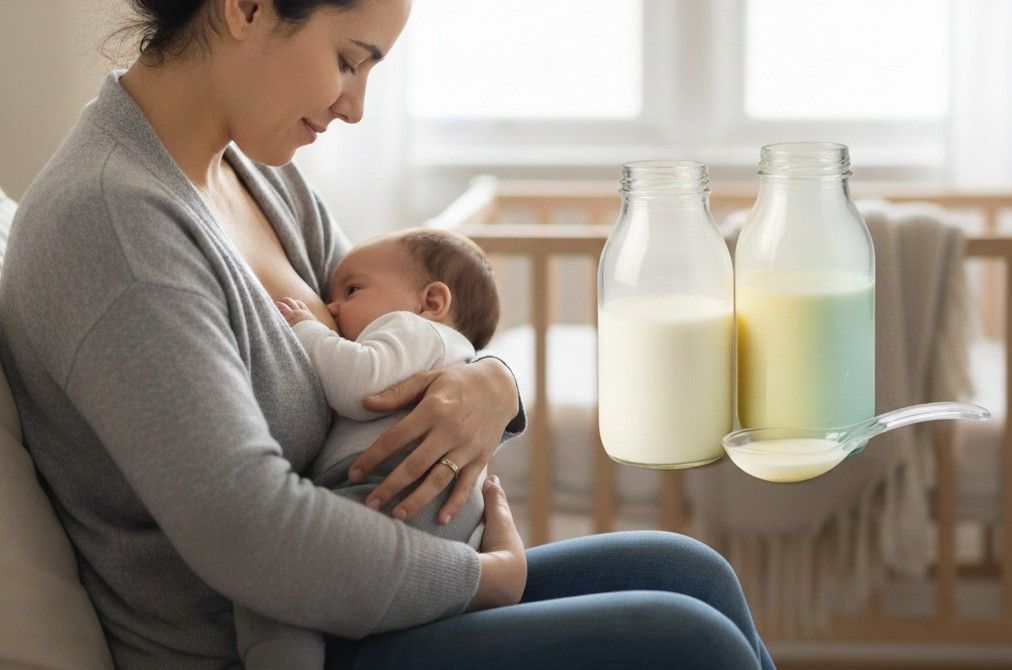
If you pumped two days ago and your plans changed, you may be staring at that refrigerated milk and wondering whether it’s still safe to freeze. The short answer is yes — but timing and technique matter.
Breast milk storage rules can feel confusing, especially when you’re sleep-deprived and just trying to do right by your baby. This guide walks you through everything you need to know: whether 2-day-old refrigerated milk can go in the freezer, how to freeze it the right way, how long it keeps, and exactly what signs tell you it has gone bad.
Can You Freeze 2-Day-Old Breast Milk?
Yes, you can freeze breast milk that has been refrigerated for two days. Breast milk that has been kept in the refrigerator for less than 4 days can be safely moved to the freezer — just make sure it has not been previously frozen and was stored at a consistent cold temperature.
If you don’t think you will use freshly expressed breast milk within 4 days, the CDC recommends freezing it right away to help protect the quality. Since 2-day-old milk is well within that window, you’re in good shape — just don’t wait much longer.
After 4 days of refrigeration, your breast milk should be used or thrown away. Breast milk properties slow the growth of bad bacteria, but those properties begin to decline after a few days of refrigeration. If you think you won’t use breast milk within a few days, freeze it as quickly as possible.
Pro Tip: If you’re unsure whether you’ll use refrigerated milk in time, freeze it sooner rather than later. The sooner you freeze it after pumping, the more nutrients and freshness you preserve.
One important note: mixing freshly expressed breast milk with already cooled or frozen milk is not advised because it can rewarm the older stored milk. It’s best to cool freshly expressed milk before combining it with older, previously cooled or frozen milk. You can read more about this practice in our guide on mixing frozen breast milk from different days.
Does Freezing Change the Texture or Taste of Breast Milk?
Freezing and thawing breast milk can have a big impact on taste and smell. Some moms notice that after defrosting, their milk smells unpleasant — soapy or even sour. This is normal.
Breast milk contains lipase, an enzyme normally present in human milk that helps break down fats so that fat-soluble nutrients and fatty acids are available to your baby. The longer milk is kept at room temperature or even in the refrigerator before being frozen, the more lipase activity it will have. Milk that has a high level of lipase can develop a soapy smell and taste, but it is not harmful to the baby.
The freezing process results in the crystallization of milk lipids and damages the fat globule membrane, allowing milk lipolysis to occur. This is why some frozen milk smells different after thawing — it’s a chemistry change, not a sign of spoilage.
Most babies don’t mind it, but if yours starts rejecting the milk, there is a way to prevent and fix it. If you find during test freezing that your milk changes smell or taste and your baby won’t drink it, you can scald your fresh milk before you freeze it — scalding after freezing will not correct the problem. To scald fresh milk, heat it in a pot until tiny bubbles form around the edges (approximately 180°F) but don’t boil it. Remove the milk from the stove and allow it to cool before freezing. Scalding fresh milk stops the enzymes from breaking down the fat, preventing that soapy smell and taste.
On texture: fat naturally separates in stored breast milk. It’s normal for breast milk to be different colors depending on what you ate, and it’s also normal for the fatty part of the milk to separate — you can gently mix it back in when thawing or warming the milk.
Research suggests the longer you store breast milk — whether in the refrigerator or in the freezer — the greater the loss of vitamin C in the milk. This is one more reason to use your frozen stash within the recommended window rather than stretching storage to the maximum limit.
How to Freeze Breast Milk the Right Way
Proper freezing technique protects both the safety and quality of your milk. Follow these steps every time.
- Wash your hands first. Wash your hands well before expressing or handling breast milk — use soap and water, or an alcohol-based hand sanitizer with at least 60% alcohol if soap isn’t available.
- Use the right containers. Use breast milk storage bags or clean, food-grade containers made of glass or plastic with tight-fitting lids. Never store breast milk in disposable bottle liners or plastic bags not intended for storing breast milk.
- Freeze in small portions. Freeze in amounts of 2–4 ounces, which is what your baby can eat in one feeding, so you avoid wasting it.
- Leave space at the top. Leave about one inch of space at the top of the container because breast milk expands as it freezes.
- Label everything clearly. Always label bottles or bags with the amount and the date it was pumped, so you can track and manage your stored milk. If you’re sending milk to a childcare provider, also include your child’s name.
- Store in the back of the freezer. Store milk in the back of the freezer, not in the freezer door, where temperatures fluctuate.
- Keep your freezer at the right temperature. Your freezer should be 0°F or below.
Pro Tip: Before building a large freezer stash, test a small batch first. Freeze 1–2 bags for at least 5 days, then smell and taste the milk to see whether your baby will accept it. This saves you from discovering a lipase issue after stockpiling months’ worth of milk.
How Long Can You Freeze Breast Milk?
Breast milk can be kept in the freezer for about 6 months — that’s the ideal window — and up to 12 months is acceptable. Although freezing keeps food safe almost indefinitely, recommended storage times are important to follow for best quality.
The type of freezer you use matters. If freezing inside a refrigerator with a freezer that has a separate door (0°F or −18°C), milk may be frozen for up to 9 months. If the freezer is a chest or deep freezer (−4°F or −20°C), milk may be frozen for up to 12 months.
| Storage Location | Temperature | Safe Storage Time |
|---|---|---|
| Countertop (room temperature) | 77°F (25°C) or colder | Up to 4 hours |
| Refrigerator | 40°F (4°C) or colder | Up to 4 days |
| Freezer (separate door) | 0°F (−18°C) | Up to 9 months; 6 months is best |
| Deep/Chest Freezer | −4°F (−20°C) | Up to 12 months; 6 months is best |
| Thawed (in refrigerator) | 40°F (4°C) | Up to 24 hours |
According to the CDC’s breast milk storage and preparation guidelines (updated March 2026), these timeframes apply to healthy, full-term babies. If your baby is premature, hospitalized, or immunocompromised, follow your care team’s specific protocol, which may be stricter.
Also keep in mind: count the age of the milk from the first time it was frozen, regardless of when it was moved between freezer locations.
How to Thaw Frozen Breast Milk
Thawing breast milk safely is just as important as freezing it correctly. The goal is to warm it gently without destroying nutrients or creating hot spots that can burn your baby.
You can thaw your breast milk by putting the container in the refrigerator overnight, in warm or lukewarm water, or under lukewarm running water. All three methods are safe and effective.
Never thaw or heat breast milk in a microwave. Microwaving can destroy nutrients in breast milk and create hot spots, which can burn a baby’s mouth.
Once thawed, the rules are straightforward:
- If you thaw breast milk in the refrigerator, use it within 24 hours. Start counting the 24 hours when the breast milk is completely thawed, not from the time you took it out of the freezer.
- Once breast milk is brought to room temperature or warmed, use it within 2 hours.
- Swirl the breast milk to mix the fat, which may have separated. Do not shake vigorously.
- Test the milk’s temperature by putting a few drops on your wrist before feeding it to your baby.
Always thaw the oldest breast milk first — first in, first out. This habit keeps your stash rotating so nothing expires unused in the back of the freezer.
Pro Tip: Plan ahead by moving a bag from the freezer to the refrigerator the night before you need it. Overnight thawing in the fridge is the gentlest method and keeps the milk cold throughout the process.
Can You Refreeze Breast Milk After Thawing?
No. Never refreeze breast milk after it has thawed. This rule is firm and applies regardless of how cold the milk still feels.
There is one narrow exception: power outages. Frozen breast milk that has started to thaw but still contains ice crystals can be refrozen. If your breast milk has completely thawed but still feels cold, put it in the refrigerator and use it within the next day or throw it away.
Why is refreezing so problematic in normal circumstances? Thawed breast milk should never be refrozen because freezing and thawing change the structure of the milk, and refreezing may introduce bacteria and reduce its nutritional quality. If your baby doesn’t finish a bottle of thawed milk, discard the leftovers after 2 hours.
Storing milk in small 2–4 oz portions helps you avoid this situation entirely — you only thaw what you need for one feeding at a time.
How to Use Frozen Breast Milk (Best Uses After Freezing)
Frozen breast milk is most often used for bottle feedings when you’re away from your baby — at work, running errands, or during overnight care by a partner or caregiver. Breast milk does not need to be warmed and can be served at room temperature or cold. Many babies accept it either way.
If your baby refuses thawed milk due to a soapy or off taste caused by high lipase, a few strategies can help:
- Mix with fresh milk. Try combining thawed milk with freshly expressed milk in a 1:1 ratio to dilute the flavor.
- Offer it cold. Some babies are less sensitive to the taste of high-lipase milk when it’s served cold rather than warmed.
- Scald before future freezing. If your milk has a soapy or sweaty taste and your baby refuses it, consider scalding your milk before you freeze it — scalding must be done beforehand, as scalding milk after it has already been frozen won’t help.
Frozen breast milk that has passed its ideal quality window but hasn’t spoiled can still have uses beyond feeding. Many parents use it for breast milk baths to soothe eczema or dry skin, or for cleaning minor cuts and scrapes. To learn more about the broader applications of breast milk, see our article on whether breast milk is good for adults.
When feeding a baby with thawed milk at a childcare center or daycare, clearly label the breast milk with the date it was expressed. If you deliver breast milk to a childcare provider, clearly label the container with the child’s name and talk to your childcare provider about any other requirements for labeling and storing breast milk.
Signs That Frozen Breast Milk Has Gone Bad
Frozen breast milk that has been stored correctly and thawed properly is generally safe. But knowing when to discard it protects your baby. Here’s what to look for:
- Strong sour or rancid smell. Human milk that has truly soured has a very distinct taste and odor — much like spoiled cow’s milk. A mild soapy smell from lipase is normal; a sharp, rancid odor is not.
- Chunks or unusual texture. You can tell if breast milk is spoiled by its appearance and smell — it will have a strong “off” smell and might have chunks in it, similar to when cow’s milk is spoiled.
- Unusual color. Some separation is normal, but mold or strange colors mean the milk is not safe.
- Milk that won’t re-incorporate. Swirl the milk gently — if it doesn’t mix back together, it may be bad.
- Exceeded storage time. If your milk has been in the freezer beyond 12 months, discard it even if it looks and smells fine. Quality degrades over time.
Important Note: A soapy or slightly metallic smell after thawing is usually caused by lipase activity — not spoilage. Properly stored milk with this odor is safe for your baby to drink. If you’re ever uncertain, trust your nose: truly spoiled milk smells unmistakably rancid, not just different.
When in doubt, throw it out. Breast milk is precious, but your baby’s safety comes first. Maintaining a good diet rich in nutrients supports your ongoing supply — you can explore heart-healthy superfoods and whole plant-based foods that support overall wellness while breastfeeding.
Frequently Asked Questions
Can I freeze breast milk that has been in the fridge for 3 days?
Yes. Freeze breast milk if you will not be using it within 48–72 hours. Three-day-old refrigerated milk is still within the safe freezing window, provided it was stored correctly at 40°F or below and has not been previously frozen.
How do I know if my 2-day-old refrigerated milk is still good to freeze?
Breast milk is safe in your refrigerator (around 40°F) for up to 4 days, and it’s best to chill it right after it’s expressed to maximize the time it’s safe. If it has been kept consistently cold, hasn’t been previously frozen, and smells normal, it is safe to freeze.
Does the type of container matter for freezing breast milk?
Yes. Breast milk storage bags are made specifically for storing and freezing expressed breast milk — they’re different from the plastic bags you use for general household items. Never store breast milk in bags not designed for breast milk. Breast milk storage bags are BPA-free and generally considered safe.
Can I add freshly pumped milk to a bag that’s already in the freezer?
You can add freshly expressed breast milk to refrigerated or frozen milk, but first cool the freshly expressed breast milk well. Don’t add warm breast milk to frozen breast milk because it will cause the frozen milk to partly thaw.
What if my baby refuses thawed breast milk?
If your baby doesn’t mind drinking milk with high lipase, they can continue to do so because it won’t harm them. But if they refuse to drink the milk because of the taste, you can scald the milk to deactivate future lipase activity. Scalding must be done before freezing, not after.
Can I travel with frozen breast milk?
Expressed breast milk may be stored and transported in an insulated cooler bag with frozen ice packs for up to 24 hours. You can carry more than 3.4 ounces of breast milk in your carry-on bag, as well as ice and gel packs. The Transportation Security Administration (TSA) has specific screening procedures for anyone traveling with breast milk.
For more guidance on healthy eating and nutrition during breastfeeding and beyond, explore our resources on fibroid healing foods, nutrients and foods that fight cancer, and foods for healthy skin.