How Much Does It Cost to Build a House in Omaha, Nebraska?

October 21, 2026
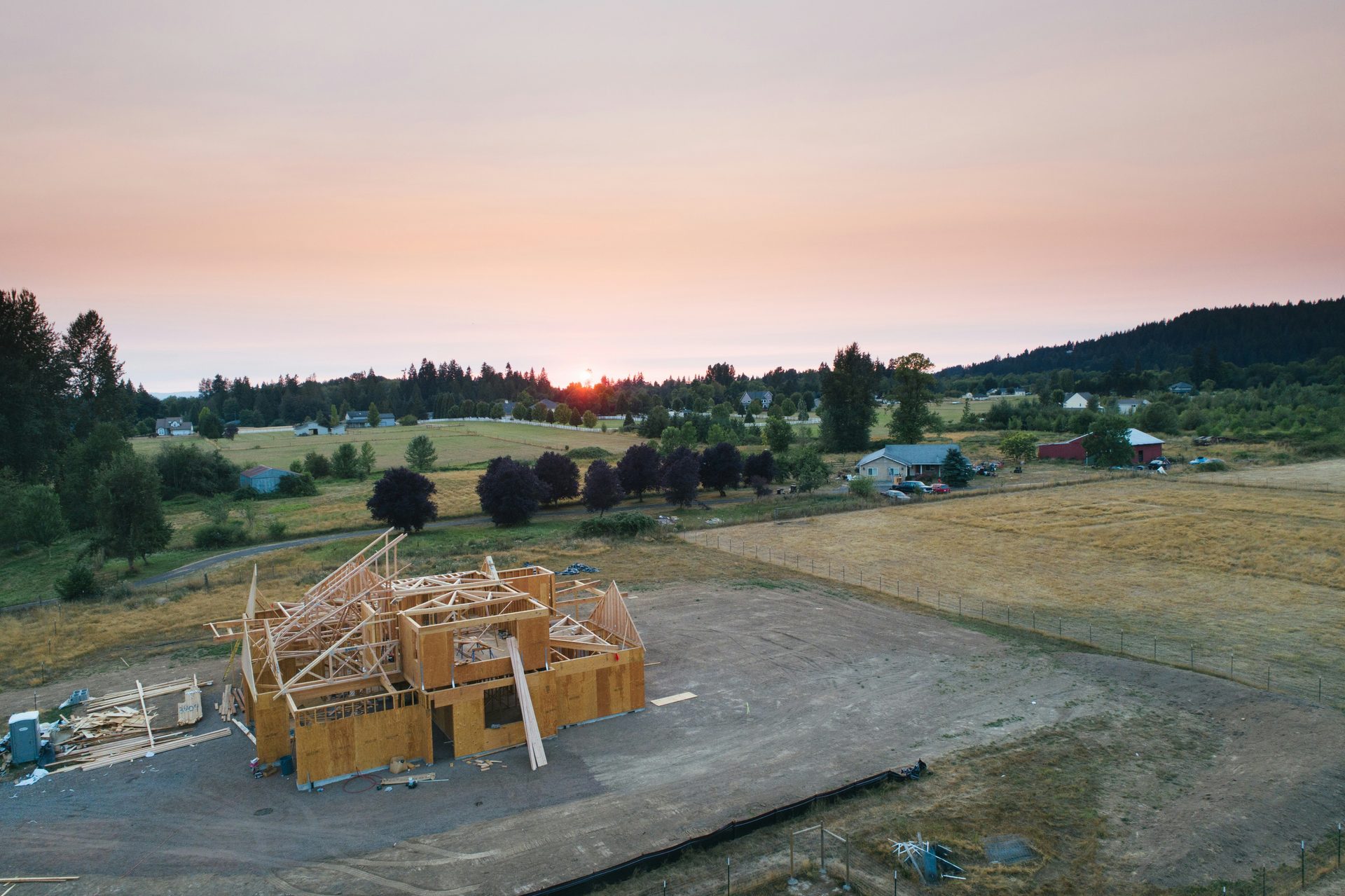
Building a house in Omaha, Nebraska puts you in one of the Midwest’s most practical housing markets — lower costs than coastal cities, a strong builder community, and growing suburban neighborhoods with room to customize your dream home from the ground up.
But “how much does it cost?” is rarely a simple question. Whether you’re picturing a modest ranch-style home in Papillion or a fully custom build in Elkhorn, your total bill depends on far more than just square footage. This guide breaks down every major cost category — land, labor, materials, permits, and more — so you can plan your budget with clear, realistic numbers.
Average Cost to Build a House in Omaha, Nebraska
Custom home construction in Omaha ranges from $150 to $300 per square foot depending on design complexity and finish level. A standard-quality custom build with mid-range finishes typically falls in the $150 to $200 range, while premium and luxury builds with high-end materials, complex rooflines, and extensive customization push $200 to $300 or higher.
A 2,000 square foot custom home in the Omaha metro area in 2026 will typically cost between $400,000 and $600,000 to build, depending on finish quality, site conditions, and design complexity. For those working with a production or semi-custom builder, the numbers can be meaningfully lower.
A 2,000 square foot semi-custom home in Omaha costs $260,000 to $360,000 for construction alone in 2026. Add $50,000 to $100,000 for land in the metro area, and total cost lands between $310,000 and $460,000.
Key Insight: Nebraska has lower construction costs compared to the national average, and land prices are reasonable. The Omaha metro has a strong builder community with skilled labor available — a meaningful advantage over many other U.S. metro areas.
Building in an urban location like Omaha costs 10–15% more than rural Nebraska, so if budget is your top priority, nearby communities like Bellevue or Gretna may offer better value per dollar spent.
Cost to Build a House Per Square Foot in Omaha, Nebraska
The per-square-foot figure you’ll see quoted depends heavily on the type of builder and level of customization you choose. Here’s how the three main build types stack up in the Omaha market:
| Build Type | Cost Per Square Foot | Typical Total (2,000 sq ft) | Best For |
|---|---|---|---|
| Production / Spec Home | $110 – $150 | $220,000 – $300,000 | Budget-conscious buyers, standard floor plans |
| Semi-Custom Home | $130 – $180 | $260,000 – $360,000 | Buyers who want some personalization |
| Full Custom Home | $200 – $300+ | $400,000 – $600,000+ | Maximum flexibility, unique designs |
In Omaha, you can generally expect to pay between $110 and $225 per square foot to build a new home with a home builder. For a 2,000-square-foot home, that means a realistic construction budget of $300,000 to $600,000 before land.
Price per square foot is a useful starting point but it’s a terrible estimating tool by itself. A 2,000 sq ft ranch on a slab costs dramatically less than a 2,000 sq ft two-story with a finished basement. Home style, foundation type, and roofline complexity all shift the final number significantly.
Pro Tip: Ranch-style or two-story homes with simple rectangular floor plans are typically the most affordable to build. Single-story construction eliminates stair framing, and simple rooflines reduce both material and labor costs.
Cost Breakdown: What You’re Actually Paying For in Omaha, Nebraska
Understanding where your money goes helps you make smarter decisions at every stage of the build. Here’s how a typical Omaha construction budget breaks down across major categories:
Structure and Foundation (20–30% of budget)
Your newly built home’s structure eats up a sizable chunk of your budget — around 20% to 30%. This includes excavation, pouring concrete foundations, framing walls, and installing floor and roof structures. Full basements are the norm in Omaha, adding $20,000 to $40,000 but providing essential storm shelter and significant additional living space.
Foundation Engineering (Omaha-Specific Cost)
Foundation engineering is a standout cost driver in Omaha because of Nebraska’s clay soils, which expand and contract with moisture changes. A geotechnical survey — typically $1,500 to $3,000 — is considered non-negotiable by experienced local builders, and findings may require piers, grade beams, or over-excavation and structural fill that add $10,000 to $25,000 beyond a standard foundation.
Framing (15–20% of budget)
Framing runs 15 to 20 percent of the total. For a 2,000 sq ft two-story home, standard framing costs $90,000 to $100,000.
HVAC Systems (10–15% of budget)
HVAC systems — which must handle summer highs above 100°F and winter lows well below zero — account for 10 to 15 percent and should be sized by a mechanical engineer, not estimated from rules of thumb.
Interior Finishes (Widest Cost Range)
Interior finishes offer the widest cost range, from $30 per square foot for builder-grade materials to $80 or more for custom cabinetry, natural stone, and hardwood throughout. Specific finish costs in Nebraska include:
- Wood flooring installation: $3.60 to $8.32 per square foot
- Cabinets and countertops: $12.74 to $117.70 per square foot depending on materials
- Insulation (fiberglass, drywall, foam): $1.41 to $1.51 per square foot for installation
- Windows and doors: $314.48 to $786.19 per door, depending on material and use
Permits and Fees
Permits aren’t the most thrilling part of building, but they’re necessary and they cost money. Omaha has clear requirements for new home construction permits and inspections. Make sure to budget at least a couple thousand dollars for city permits and fees. A building permit in Nebraska runs $580.69 for $100,000 of construction value, plus $2.78 for each additional $1,000.
Architect and Design Fees
Hiring an architect in Nebraska usually ranges from $2,000 to $9,400 per building project. In Omaha, architects normally price their service at 8.83% to 9.27% of the total cost of a home’s construction. If you’re working from stock plans with modifications, architectural plans cost $3,000 to $8,000; fully custom architectural design runs $8,000 to $15,000 or more.
Important Note: Nebraska homeowners pay significantly above the national average for home insurance. According to one analysis, the Omaha-specific average is approximately $4,640 annually — driven by hail, tornadoes, and convective storm exposure. Factor this ongoing cost into your total ownership budget before you break ground.
Cost of Land in Omaha, Nebraska
Land is one of the most variable line items in your total build cost, and in Omaha, location within the metro makes an enormous difference.
Custom home lots in desirable Omaha-area neighborhoods range dramatically: in Elkhorn (Capriana and newer developments), premium lots run $100,000 to $150,000 or more. Meanwhile, adding $50,000 to $100,000 for land in the broader metro area is a reasonable general budget range for a semi-custom build.
The growing popularity of western suburbs like Elkhorn and Gretna has pushed lot prices upward in those areas, though they remain affordable relative to national standards. Lot choice matters significantly in Omaha. Infill lots in established neighborhoods like Dundee or the Aksarben area carry higher per-square-foot land costs but include mature trees, existing utilities, and walkable access to restaurants and shops.
| Location Type | Estimated Lot Cost | Notes |
|---|---|---|
| Suburban (Elkhorn, Gretna, Papillion) | $75,000 – $150,000+ | Higher demand, newer developments |
| Metro / Infill (Dundee, Aksarben) | $60,000 – $120,000+ | Mature neighborhoods, existing utilities |
| Outer Metro / Bellevue area | $40,000 – $80,000 | Better value, slightly longer commutes |
Beyond the purchase price, you’ll also need to budget for land preparation. You must clear and level the land before construction, which can cost anywhere between $1,500 and $3,000. On challenging sites, costs climb further — and in Omaha specifically, the clay soil reality means a geotechnical survey is essentially mandatory before a shovel hits the ground.
Premium neighborhoods like Elkhorn, West Omaha, or Papillion command higher prices, especially in desirable school districts. Larger lots naturally cost more upfront but can significantly increase your home’s resale value. Easy access to shopping centers, parks, or highways often pushes lot prices upward.
If you’re exploring housing costs in other cities for comparison, see how apartment costs in Las Vegas or apartment costs in Seattle stack up against Omaha’s new construction market.
Factors That Affect Building Costs in Omaha, Nebraska
Several variables can push your Omaha build budget higher or lower than the averages. Understanding them upfront prevents sticker shock later.
Soil and Site Conditions
Nebraska’s expansive clay soils demand specialized foundation engineering, and the state’s extreme temperature swings stress building envelopes in ways that milder climates never test. Poor soil conditions can add $10,000 to $25,000 to your foundation costs alone — a line item you simply won’t find in national average calculators.
Home Design and Complexity
Complex floor plans — multi-level layouts, unusual angles, vaulted ceilings — add cost. So do premium materials like brick exterior versus vinyl, hardwood versus carpet, and custom modifications to standard plans. The simpler your design, the more budget-friendly your build.
Labor Availability
Labor remains the tightest constraint — skilled framers, electricians, and HVAC technicians are in high demand across the metro, and builders with strong subcontractor relationships can schedule more efficiently. Choosing a builder with an established local network can meaningfully shorten your timeline and reduce costs.
Material Costs and Supply Chain
Material costs benefit from Omaha’s central Midwest location, which keeps freight charges lower than coastal markets. Lumber prices have seen some stabilization compared to the volatility of recent years, but supply chain considerations still affect certain specialty materials.
Weather and Timeline
Nebraska’s weather is the dominant timeline factor. Builders typically lose two to four weeks per year to weather delays: heavy spring rains saturate sites and halt excavation, extreme cold shuts down concrete pours, and summer thunderstorms can interrupt exterior work. Rushed builds cost more — budget and timeline are directly connected.
HOA and Special Assessment Districts
HOA fees in Omaha’s new construction neighborhoods typically range from $85 to $150 per month at initial purchase, covering covenant enforcement, landscaping, common area maintenance, amenities, and management services. Many new subdivisions also carry Sanitary Improvement District (SID) bonds — a Nebraska-specific cost that can add $1,000 to $3,000 annually for up to 20 years.
Common Mistake: Focusing only on the per-square-foot construction cost and forgetting about land prep, geotechnical surveys, SID bonds, HOA fees, and insurance premiums. In Omaha, these “soft costs” can easily add $30,000 to $60,000 or more to your total project.
You can also explore how building costs compare to renting in other markets — for instance, check out apartment costs in Miami or apartment costs in Washington, D.C. to see how Omaha’s affordability advantage holds up.
Building vs. Buying a House in Omaha, Nebraska
This is the question most Omaha buyers wrestle with, and the honest answer is: it depends on your timeline, priorities, and what you’re actually comparing.
Building a house in Omaha typically costs more upfront than buying an existing home. In 2026, the median existing home price in Omaha sits around $285,000, while building a comparable new home runs $350,000 to $450,000 including land. That’s a gap of $65,000 to $165,000.
However, that upfront gap doesn’t tell the full story. Major hidden costs in older homes include HVAC replacement ($8,000 to $15,000), roof repairs ($10,000 to $25,000), window upgrades ($8,000 to $20,000), electrical updates ($2,000 to $4,000), and higher monthly utilities ($100 to $200 more than new construction). Homes over 20 years old often need $15,000 to $40,000 in updates within the first five years.
A 2024 study by the U.S. Department of Energy found that homes built to current energy codes use 30% to 40% less energy than homes built before 2000. Over 10 years, that’s $12,000 to $24,000 in utility savings.
| Factor | Building New | Buying Existing |
|---|---|---|
| Upfront Cost | $350,000 – $600,000+ | ~$267,000 median (as of Jan 2026) |
| Customization | Full control over layout and finishes | Limited; renovations add cost |
| Maintenance (first 5 years) | Low; warranty coverage | Potentially $15,000 – $40,000 |
| Energy Efficiency | 30–40% less energy than pre-2000 homes | Varies widely by age |
| Timeline to Move In | 6–18 months | 30–60 days |
| Inventory Pressure | No bidding wars; fixed price | Tight supply; competitive offers |
Omaha’s inventory is tight. In January 2026, homes sold in 33 days on average with just 1.8 months of supply on the market. If you need specific features, a particular school district, or accessibility requirements, you may not find what you need in existing inventory — which makes building a more compelling option than the raw numbers suggest.
For many buyers, the right question isn’t “which is cheaper?” but “which delivers better long-term value for my situation?” Semi-custom homes average 6 to 9 months to build. Full custom homes can take 9 to 12 months or longer.
If you’re weighing housing options across different markets, see how Phoenix apartment costs or San Francisco apartment costs compare to Omaha’s new construction numbers.
How to Save Money When Building a House in Omaha, Nebraska
Building smart doesn’t mean building cheap — it means making strategic decisions that stretch your budget without sacrificing quality. Here are the most effective ways to reduce costs on an Omaha build.
1. Choose a Simple Floor Plan
Ranch-style or two-story homes with simple rectangular floor plans are typically the most affordable to build. Single-story construction eliminates stair framing, and simple rooflines reduce material and labor costs. Avoiding unusual angles, bump-outs, and vaulted ceilings can save tens of thousands of dollars.
2. Use Builder-Grade Finishes Initially
Simple, efficient floor plans — rectangular footprints, standard ceiling heights — and builder-grade finishes can always be upgraded later. Prioritize structural quality and layout now; swap out countertops and flooring down the road when your budget allows.
3. Consider Nearby Suburbs
Construction costs are typically 10–15% higher in cities like Omaha due to demand and permitting delays. Consider nearby towns like Bellevue or Grand Island for better value. You’ll often find lower lot prices and faster permitting timelines outside the core metro.
4. Time Your Build Strategically
Starting design in late summer allows pre-construction to wrap by late fall, positioning a foundation pour for late winter or early spring. This timing helps you avoid the spring rush when builders are in highest demand — and their prices often reflect it.
5. Lock in Material Selections Early
Material lead times — especially for custom windows, cabinetry, and specialty fixtures — should be managed during the design phase rather than mid-construction to prevent costly idle time. Delays mid-build can add weeks to your timeline and significant costs to your bottom line.
6. Get a Geotechnical Survey Before You Buy the Lot
Soil surprises are one of the most common budget-busters in Omaha. Ordering a geotechnical survey before you close on a lot — not after — lets you negotiate the price accordingly or walk away from a problem site before you’re committed.
7. Work with a Builder Who Has Established Subcontractor Relationships
Builders with strong subcontractor relationships can schedule more efficiently — meaning fewer delays, less idle time on your job site, and more predictable costs. Ask prospective builders how they manage their subcontractor schedules before signing a contract.
Pro Tip: If you’re considering adding a greenhouse, detached studio, or other outbuilding to your property, understanding those costs upfront helps you budget your total project more accurately. See our breakdown of how much it costs to build a greenhouse for additional reference.
8. Understand Your Financing Options Early
Most custom home buyers use a construction-to-permanent loan (also called a “one-time close” loan), which rolls your construction financing and mortgage into a single product. Getting pre-approved and understanding your loan structure before you select a builder gives you a realistic budget ceiling — and prevents costly scope creep mid-project.
Building a house in Omaha is one of the most significant financial decisions you’ll make, but it’s also one that gives you full control over the outcome. With the right builder, a realistic budget, and an understanding of Nebraska’s unique construction environment — from clay soils to weather delays — you can build a home that delivers long-term value well beyond what any existing listing could offer.
For more housing cost comparisons across U.S. markets, explore our guides on apartment costs in New Jersey, apartment costs in Ohio, and apartment costs in Michigan.