
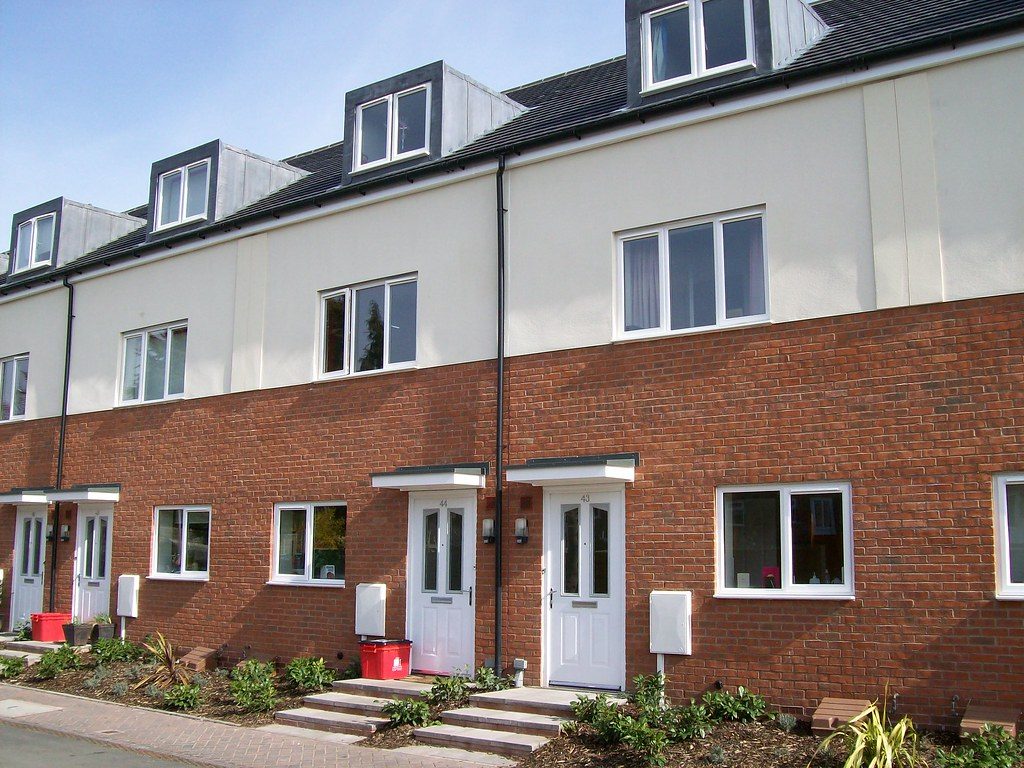
Durham, NC has become one of the most in-demand places to live in the entire Southeast — and that demand is showing up in new construction budgets. Whether you’re drawn by Research Triangle Park, Duke University, or the city’s thriving food and arts scene, building a home here puts you in one of North Carolina’s fastest-appreciating real estate markets.
Before you break ground, though, you need to know what you’re actually getting into financially. This guide walks you through every major cost category — from raw land and permits to framing, finishes, and the tradeoffs between building and buying — so you can plan your budget with confidence.
Average Cost to Build a House in Durham, NC
Custom home construction in Durham and the surrounding Triangle area typically runs between $185 and $310 per square foot for the structure, excluding land. That’s a meaningful premium over the broader North Carolina average, reflecting the city’s strong labor demand and elevated land values.
Custom home builders in Durham, NC typically charge $300–$500 per square foot, with most projects ranging from $450,000 to $1.2 million depending on size, finishes, and lot conditions. For families targeting a more modest build, production and semi-custom homes offer a more accessible entry point.
According to the National Association of Home Builders, the average sale price of a newly built single-family home in 2024 was $665,298, with construction costs accounting for $428,215 of that total — a 3.2% increase in sale prices and a 9.2% rise in construction costs compared to 2022. Durham tracks closely with those national trends, though local market dynamics add their own layer of complexity.
Key Insight: Durham’s new construction market is active and competitive. According to local real estate data, the average price of new construction in Durham has been reported at around $528,000, still higher than the average resale price in the city.
When budgeting, keep in mind that the figures above typically exclude land, site preparation, permits, and architect fees. When budgeting for new home construction, plan for an extra 15% to cover overruns and unexpected costs.
Cost to Build a House Per Square Foot in Durham, NC
Per-square-foot costs in Durham vary significantly depending on the type of home you’re building. Here’s how the tiers break down based on data from multiple local and statewide sources:
| Build Type | Cost Per Square Foot | What You Get |
|---|---|---|
| Standard / Spec Home | $180 – $250 | Builder-grade finishes, limited floor plan choices |
| Semi-Custom Home | $200 – $310 | Pre-approved plans with personalized finishes and layout tweaks |
| Custom Home | $300 – $500 | Architect-designed, premium materials, full customization |
| Luxury / High-Spec Build | $500+ | Performance envelopes, premium kitchens, significant outdoor living |
The cost to build a house in North Carolina is $180 to $250 per square foot on average for a basic home with standard builder-grade finishes. These homes typically come in only a limited number of styles and floor plans, which vary from one builder to the next.
Costs increase to $250 to $450 per square foot for custom-built homes with popular upgrades like granite countertops, hardwood floors, or high-end fixtures and finishes. High-spec builds with performance envelopes, premium kitchens and baths, and significant outdoor living components can reach $350 or beyond.
Durham custom home builders typically charge $300–$500 per square foot, with a 2,500 square foot home ranging from $750,000 to $1,250,000 before land costs. If you’re comparing these figures to older sources, note that costs have risen sharply in recent years due to labor and material pressures throughout the Triangle.
Pro Tip: Larger homes generally cost less per square foot than smaller ones, since fixed costs like permits, site prep, and mechanical systems are spread across more square footage. If you’re on the fence between 1,800 and 2,200 square feet, the larger footprint may offer better per-square-foot value.
Cost Breakdown: What You’re Actually Paying For in Durham, NC
Understanding where your construction dollars go helps you make smarter decisions at every phase. Material costs make up about 50% to 60% of the total cost to build a house, while labor makes up the rest. Here’s how the major line items typically shake out in Durham:
Foundation
Building a new foundation costs $6 to $50 per square foot or $12,000 to $100,000 total on average, depending on whether it’s a concrete slab, crawl space, or basement. Most homes in North Carolina have a slab foundation, though some high-end homes have a crawl space instead. Durham’s clay-heavy Piedmont soils can complicate foundation work. Builders in Durham routinely encounter expansive subsoil conditions that require either deeper footings, stiffened slab designs, or crawl space systems with positive drainage to prevent moisture accumulation against foundation walls.
Framing
Framing a new house costs $11 to $30 per square foot for labor and materials, or $23,000 to $60,000 total for a typical house, including the roof trusses. Framing makes up a significant portion of the total construction cost, and the process takes 30 to 60+ days depending on the home’s size, layout, and design complexity.
Roofing
A new roof costs $3 to $6 per square foot on average. Asphalt shingle roofs — the most common type in North Carolina — typically fall within this price range and last 15 to 30 years. Premium roofing materials like slate and tile cost $7 to $25+ per square foot with installation.
Electrical, Plumbing, and HVAC
The cost to wire a new house is $4 to $9 per square foot or $8,600 to $19,400 total on average, with costs falling on the high end for houses with more complex layouts or those that require a more powerful electrical service panel. Plumbing for new construction costs $8,500 to $13,000, depending on the home’s layout and the pipe material used. Rough-in plumbing involves installing water supply lines, pipes, connections, drain lines, and vents, and plumbers charge an extra $450 to $1,800 per fixture to install sinks, toilets, bathtubs, and showers. Electrical panel costs will range between $1,500 to $3,000.
Interior Finishes
Kitchen cabinets cost $150 to $500 per linear foot with installation, countertops cost $50 to $150 per square foot installed, and new flooring costs $4 to $15 per square foot with installation. Durham buyers consistently prefer hardwood or quality engineered wood over carpet in main living areas, and specifying it throughout a larger home adds significant cost over standard builder-grade carpet, particularly with the wide-plank formats currently in demand.
General Contractor and Architect Fees
A general contractor charges 10% to 20% of the total home construction budget, coordinating the entire project, ordering materials, hiring and managing subcontractors, obtaining permits, and ensuring your project meets all deadlines. Durham architects typically charge based on the total cost of construction, charging between 10.48% to 11.01% for different services and project complexity.
Important Note: The North Carolina 2024 Building Code governs all new permits effective July 1, 2025. Make sure your builder designs and constructs to current code requirements for structure, energy efficiency, fire safety, and accessibility — non-compliant plans will delay your permit approval.
Cost of Land in Durham, NC
Land is often one of the most underestimated line items in a new construction budget, and in Durham, it deserves careful attention. Land costs within Durham proper have appreciated sharply, with infill lots in established neighborhoods like Forest Hills and Duke Park carrying prices that would have been unimaginable a decade ago.
The average lot price in Durham is considerably lower than neighboring Orange County, at around $100,000. However, that average masks a wide range. According to local trends, the average cost of land in NC ranges from $40,000 to over $200,000 per acre, depending on location, topography, and access to utilities. In the Triangle specifically, you’re likely to pay a premium over the statewide average.
In general, Raleigh tends to have slightly higher per-acre costs than Durham, particularly in fast-growing suburbs like Apex, Cary, and Holly Springs. However, Durham’s land value is catching up due to tech expansion and urban revitalization.
According to Redfin data (as of April 2026), there are currently 131 land homes for sale in Durham at a median listing price of $420,000. That figure includes a mix of raw acreage and improved lots, so the price you pay will depend heavily on what’s already in place.
Outlying areas in Durham County, as well as neighboring Chatham and Orange Counties, offer more affordable land with reasonable commutes, though the trade-off is typically less walkability and a longer drive to the core of the city.
Beyond the purchase price, budget for additional site costs. Before you buy, remember that the price of land in Raleigh-Durham isn’t the only expense — these can add $20,000 to $75,000+ to your budget, depending on the lot. This includes land clearing, grading, utility hookups, and a land survey. A land survey costs $400 to $1,800 on average and includes marking property boundaries, utilities, and foundations for new construction.
Common Mistake: Buyers often focus on the per-acre price and overlook utility access. Infill lots that have sat vacant for years may need new water and sewer connections, which can add tens of thousands of dollars to your project before a single wall goes up.
Factors That Affect Building Costs in Durham, NC
Durham has a unique set of local conditions that can push your budget higher than a statewide average might suggest. Understanding these factors upfront helps you avoid surprises mid-project.
Soil Conditions
Durham sits in the Carolina Piedmont, where the dominant soil series include Cecil, Appling, and Pacolet clay loams formed from weathered granite and gneiss. These clay-heavy soils have relatively low bearing capacity when wet, shrink and crack noticeably during the summer dry season, and expand with fall rainfall in ways that cycle stress on conventional shallow footings. A geotechnical soil report before you buy your lot can save you from costly foundation redesigns later.
Climate and Seasonal Timing
Durham’s summer heat and humidity slow certain exterior work and can affect concrete curing schedules in July and August, while spring rainfall in the Piedmont can interrupt grading and foundation work for days at a time. Build these seasonal delays into your timeline and budget accordingly.
Labor Market Pressure
Contractor demand in the Triangle has outpaced labor supply, and subcontractor pricing has responded accordingly. Skilled tradespeople — especially electricians, plumbers, and HVAC technicians — are in short supply across the region, which drives up both cost and lead times. Locking in your subcontractors early is essential.
Permitting Timelines
Plan review timelines generally run 45–75 days depending on project complexity and any required revisions. Custom home builders familiar with local requirements submit complete, code-compliant applications that move through the review efficiently. The design and permitting phase typically runs three to five months, with the City of Durham’s permitting office processing timelines affected by the volume of construction activity across the metro.
Lot Characteristics
Site conditions and preparation significantly impact construction costs. Sloped lots require more grading, wooded lots may trigger tree protection requirements, and low-lying lots near Durham’s creek systems can complicate drainage and foundation design. Durham’s landscape rewards careful lot selection — a good builder who knows the local terrain can flag drainage issues, soil conditions, and neighborhood-specific constraints that you won’t find in any listing.
Home Size and Design Complexity
Simpler rectangular footprints with standard rooflines cost significantly less to build than homes with complex angles, multiple roof pitches, or extensive custom millwork. Framing costs tend to vary due to both the size of the home and the complexity of its design — a one-story home with 2,000 square feet of living space will generally be less expensive to frame than a two-story home with the same square footage.
If you’re exploring housing costs in other North Carolina markets, see our guide on apartment costs in North Carolina for a useful comparison on what renting versus owning looks like across the state.
Building vs. Buying a House in Durham, NC
The decision between building and buying comes down to more than just price — it’s also about timing, flexibility, and what you value most in a home.
As of February 2026, Durham homes were listed to buy for a median price of $407,000, which represents a 6% decrease compared to the prior year. That makes the existing home market more accessible than it was at the recent peak, and it puts buying within reach for many buyers who might otherwise consider building.
| Factor | Building | Buying |
|---|---|---|
| Typical Cost | $450,000 – $1.2M+ (custom) | Median ~$407K (as of Feb 2026) |
| Timeline | 18–24 months (custom) | 30–60 days to close |
| Customization | Full control over design and finishes | Limited to what’s available |
| Condition | Brand new, under warranty | May need repairs or updates |
| Location Flexibility | Depends on available lots | Wide selection of neighborhoods |
| Financing | Construction loan required | Standard mortgage |
The full design and construction process for a custom home usually takes 18–24 months from initial consultation to final walkthrough. If you need to move within the year, buying an existing home is almost certainly the more practical path. But if you have the time and budget, building lets you avoid the compromises that come with purchasing someone else’s floor plan.
One financial consideration worth noting: it is usually cheaper to buy a home than to build a new one. However, by building your own home, you have the freedom to customize it to your needs. In Durham’s competitive resale market, that freedom to design exactly what you want — including energy-efficient systems and modern layouts — can justify the premium for the right buyer.
For buyers weighing options in other metros, it helps to understand what rental and ownership costs look like elsewhere. Our guides on apartment costs in DC and apartment costs in Miami offer useful context on how Durham stacks up against other high-demand markets.
How to Save Money When Building a House in Durham, NC
Building in Durham doesn’t have to mean blowing your budget. With the right strategy, you can control costs without sacrificing quality on the things that matter most.
Choose a Simple, Efficient Floor Plan
Rectangular footprints with simple rooflines are the most cost-effective to build. Every corner, bay window, or roof transition adds complexity — and cost. Work with your architect to maximize livable square footage within a clean, buildable envelope. A well-designed 1,800-square-foot home can feel more spacious than a poorly laid-out 2,400-square-foot one.
Build on a Flat, Utility-Ready Lot
Flat, cleared, build-ready land will almost always be priced higher than wooded or hilly lots that require grading. However, the savings on site prep and foundation work from a flat lot often outweigh the higher purchase price. Always get a soil report and utility assessment before you commit to any parcel.
Hire a Builder Early in the Process
Building a custom home in Durham isn’t just about design and finishes — it’s about making financially smart decisions, avoiding costly mistakes, and choosing a builder who can guide you confidently from planning to move-in. Bringing your builder in before architectural plans are finalized allows them to flag cost-saving opportunities and constructability issues before they become expensive change orders.
Prioritize Where You Spend on Finishes
Splurge on the elements you’ll use every day — kitchen layout, master bath, flooring in main living areas — and use builder-grade selections in low-traffic spaces like guest bedrooms and utility rooms. Finished bonus rooms above garages provide flexible space for home offices, guest suites, or playrooms at a cost per square foot that is generally lower than the main living area. Adding one can give you significantly more usable space without a proportional increase in cost.
Invest in Energy Efficiency Upfront
A well-sealed Durham home needs mechanical ventilation to maintain air quality, and multi-zone HVAC systems that allow independent temperature control on each floor add comfort and efficiency at meaningful additional cost. These upgrades cost more at the time of build but reduce utility bills for the life of the home — and they’re far cheaper to install during construction than to retrofit later.
Get Multiple Bids and Verify Licensing
In North Carolina, custom home builders must have a General Contractor license. Always verify licensing and insurance before signing a contract. Getting at least three competitive bids — particularly for subcontractors like electricians and plumbers — can surface meaningful price differences for equivalent work.
Budget a Contingency
No matter how carefully you plan, unexpected costs arise. When budgeting for new home construction, plan for an extra 15% to cover overruns and unexpected costs. In Durham specifically, where soil conditions and permitting timelines can introduce delays, a healthy contingency fund is not optional — it’s essential.
Pro Tip: If your budget is tight, consider building in Durham County rather than within the city limits. Outlying areas often have lower land costs, less regulatory complexity, and more available lots — while still offering reasonable access to Durham’s job centers and amenities.
If you’re also exploring what it costs to add supplemental structures to your property, our guide on how much it costs to build a greenhouse breaks down those numbers in detail. And if you’re weighing Durham against other rental markets while you plan your build, check out our overviews of apartment costs in Seattle and apartment costs in San Francisco to see how housing expenses compare across the country.