
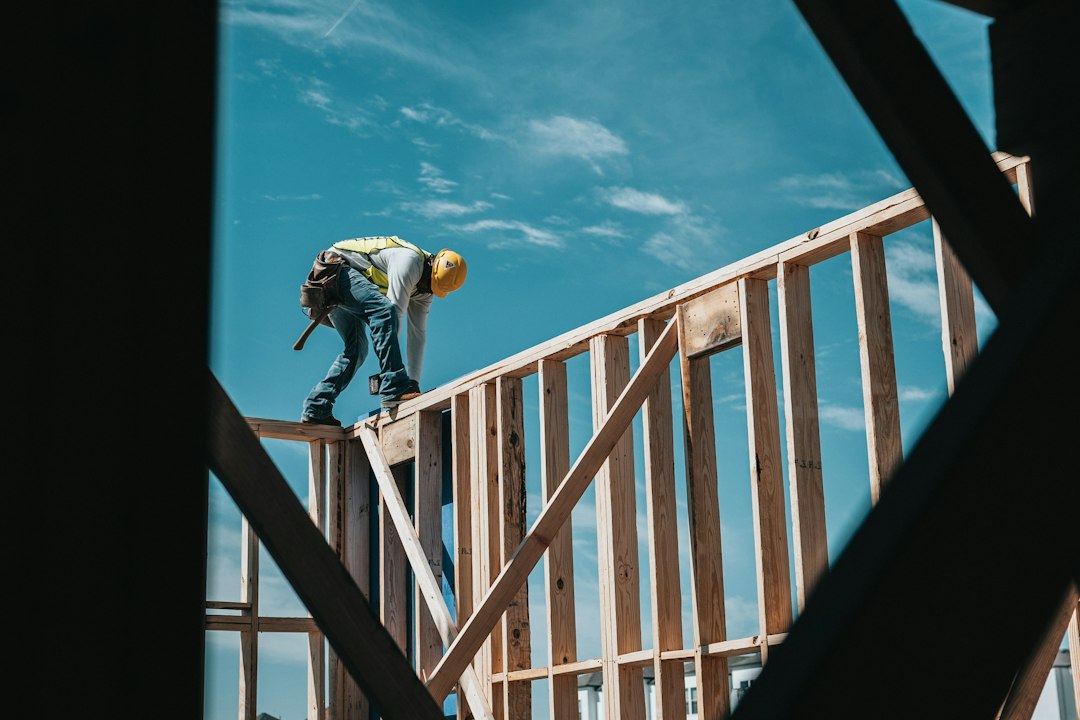
Rhode Island may be the smallest state in the nation, but building a house here comes with some of the biggest price tags in the country. Between its tight land supply, coastal construction requirements, and high labor demand, the Ocean State consistently ranks among the most expensive places to build a new home.
Whether you’re dreaming of a custom colonial in Providence or a coastal retreat in Narragansett, understanding the full cost picture before you break ground can save you from serious budget surprises. This guide walks you through every major expense — from land and permits to labor and materials — so you can plan with confidence.
Average Cost to Build a House in Rhode Island
The cost to build a house in Rhode Island ranges from $180 to $250 per square foot, averaging around $372,069 excluding land. However, once you factor in all the associated expenses, the total climbs significantly higher.
It costs $450,000 to $640,000 on average, excluding the land cost, and this will vary depending on location, property type, labor expenses, and material costs. For custom-built homes with higher-end finishes, the range expands further.
According to Richr, the cost to build a custom-built home in Rhode Island runs around $200 to $300 per square foot, with total project costs planned at approximately $500,000 to $750,000.
Key Insight: These figures exclude land. When you add Rhode Island’s notoriously high land prices, permits, excavation, and interior finishing, your all-in budget can easily exceed $700,000 or more.
New home construction typically takes 9 to 12 months to complete. That timeline — and the financing costs that come with it — is another factor to keep in mind as you build your budget.
Cost to Build a House Per Square Foot in Rhode Island
The per-square-foot cost varies considerably depending on the construction grade you choose. Understanding these tiers helps you match your expectations to your budget before you ever hire a contractor.
| Construction Grade | Cost Per Square Foot | Best For |
|---|---|---|
| Standard | $150 – $170 | Budget-conscious builds, basic finishes |
| Premium / Mid-Value | $170 – $220 | Most custom homes, quality materials |
| Luxury / High-End | $220 – $300+ | Custom coastal homes, premium finishes |
In Providence specifically, standard grade construction runs $150 to $170 per square foot, premium grade comes in at $170 to $220 per square foot, and luxury grade construction reaches $220 to $270 per square foot.
On average, it costs about $197 per square foot to build a home in Providence, which is slightly lower compared to the national average of new home construction at about $207 per square foot.
For coastal or waterfront builds, expect costs to push well above these ranges. A sensible 2,500-square-foot home might cost $275 to $300 per square foot, while higher-end homes with elaborate roof angles, pricey materials like marble counters, custom cabinets, and slate roofs can quickly raise the cost to $400 to $450 per square foot or more.
Pro Tip: Smaller homes typically cost more per square foot than larger ones because fixed costs like permits, foundation work, and utility hookups are spread across fewer square feet. If your budget is tight, building slightly larger can sometimes be more cost-efficient per square foot.
Cost Breakdown: What You’re Actually Paying For in Rhode Island
Your total building cost is made up of hard costs — the physical construction — and soft costs, which cover everything else. Knowing how each category breaks down helps you spot where your money is going and where you might be able to trim.
Hard costs are the aspects of construction that are physically part of the project itself, such as framing, foundation, plumbing, flooring, and roofing. Soft costs, on the other hand, are things like architecture and design fees, permitting fees, and land costs.
Approximately 35% to 55% of your budget will go toward labor and materials, including site excavation, foundation, framing, roofing, electrical, plumbing, and HVAC installations. Skilled labor is essential for ensuring quality and safety, and the cost of labor can vary depending on demand and project complexity.
Architectural and engineering fees, permits, and landscaping may account for an additional 15% to 25% of your budget, covering the expertise and guidance of professionals who help bring your vision to life.
Here is a closer look at the major individual cost categories:
- Framing Materials: Foundation, lumber, and steel beams will require about $20,000 to $50,000.
- Roofing: The cost to build a roof in Rhode Island is typically between $7,850 and $19,300, slightly higher than the U.S. average.
- Insulation: Fiberglass, drywall, and foam insulation help regulate temperature inside your home and cost $1.94 to $2.07 per square foot for installation.
- Windows and Doors: Professional installation of windows and doors costs from $164.24 to $1,078.88 per door, depending on the material and use.
- Flooring: Wood flooring installation in Rhode Island ranges between $3.88 and $11.42 per square foot.
- Cabinets and Countertops: Features like granite countertops and teak wood cabinets in kitchens may cost between $17.57 and $161.52 per square foot.
- Plumbing: The cost to install sinks, faucets, showers, and PVC pipes throughout a home runs between $84.77 and $96.17 per hour, plus materials and parts.
- HVAC: The cost to install a new HVAC system ranges from $1,500 to $12,000, with numerous variables like cooling area size, system type, and manufacturer affecting the price.
- Electrical: The typical electricity cost per square foot for new construction ranges from $3 to $6, covering both preliminary work and finishing touches.
- Architect Fees: Providence firms tend to charge 8 to 15% of total construction value, and architects in Providence tend to charge $10 to $25 per square foot.
- Interior Furnishings: For a 3,000-square-foot home, you should budget at least $20,000 for interior furnishings.
Important Note: Permit costs in Rhode Island vary by municipality. The cost of obtaining a permit is based on the cost of the home or the location of the construction, the fee is rarely a set amount, and Rhode Island counties have different permit laws. Contact your local building department early to get accurate figures for your specific town.
Cost of Land in Rhode Island
Land is one of the most significant — and often underestimated — expenses in a Rhode Island build. The state’s small geographic footprint and coastal desirability drive land prices to some of the highest levels in the entire country.
As is the case with most Northeastern states, the cost of land in Rhode Island is significantly higher than the rest of the country. According to Zippia, an acre of land in Rhode Island costs approximately $350,400, which is the highest rate in the country.
Beyond the purchase price, you’ll also need to budget for site preparation. Before laying your new home’s foundation, it is critical to prepare your lot, which includes excavation and leveling, as well as clearing vegetation. In some cases, homeowners may need to hire an engineer to test the soil to ensure its components are a good fit for their construction plans.
The cost to prepare a site in Rhode Island is similar to the U.S. average, running between $1,500 and $3,000.
Utility connections add another layer of cost. Homeowners need to connect the lot to services including water, sewer, and electricity. In developed lots, it’s a fairly simple process to connect to existing city systems. In rural areas, the process may be more difficult, as homeowners may need to install a septic system or water well.
If you’re considering a waterfront or coastal parcel, be prepared for additional regulatory hurdles. You must have a permit — called an assent — from Rhode Island’s Coastal Resources Management Council to modify the area within 200 feet of the coastal feature. These requirements can add time and cost to any coastal build.
Common Mistake: Many first-time builders budget only for the land purchase price and forget about site prep, utility hookups, soil testing, and coastal permits. In Rhode Island, these additional land-related costs can easily add $10,000 to $30,000 or more to your total project cost.
Factors That Affect Building Costs in Rhode Island
No two builds are exactly alike, and several key variables will push your costs higher or lower than the state averages. Understanding these factors helps you make smarter decisions from the start.
Location Within the State
Where you build within Rhode Island matters significantly. Whether you’re moving to Providence, Newport, or a smaller town makes a real difference in costs. Urban areas like Providence tend to have higher labor rates and permit complexity, while coastal towns like Newport and Narragansett command premium land prices and may require additional storm-resistance features.
Home Size and Design Complexity
The size of the home affects cost per square foot, with smaller homes having a higher cost per square foot than larger homes. Complex roof lines, multi-story designs, and custom architectural details all increase labor hours and material costs.
Climate and Weather Resilience
Rhode Island is prone to thunderstorms, snowstorms, floods, and hurricanes. Homeowners should prepare their homes against these potential natural disasters by installing storm windows and anti-flood irrigation systems. These resilience features add upfront cost but protect your investment long-term.
Foundation Type
In the case of most Rhode Island homes, a basement is utilized as the foundation. Full basement foundations cost more than slab-on-grade options but add usable square footage and are better suited to the region’s frost line requirements.
Labor Market Conditions
The primary factors influencing cost ranges include ease or difficulty in obtaining construction materials and labor, local construction building codes, difficulty of site construction, and competitiveness of subcontractor labor and general contractor fees.
Material Costs and Supply Chain
Construction costs may rise due to increasing labor costs, poor supply chains, and rising material costs. According to Forbes Home, framing timber — the most expensive material — costs roughly $33,000 to frame a 2,000-square-foot home. Getting multiple contractor bids and locking in material prices early can help you manage this risk.
Housing Shortage Pressure
Rhode Island ranks last when it comes to new construction builds, creating persistent upward pressure on both land prices and contractor availability. This shortage means skilled builders are often booked out months in advance, which can affect both your timeline and your negotiating leverage on price.
Building vs. Buying a House in Rhode Island
One of the most important questions you’ll face is whether building from scratch actually makes financial sense compared to purchasing an existing home. In Rhode Island’s market, the answer is nuanced.
On the buying side, the Rhode Island resale market has been competitive and appreciating. In March 2026, home prices in Rhode Island were up 6.4% compared to last year, with a median sale price of $535,300. Meanwhile, at the end of 2025, the median sale price for a single-family home in Rhode Island reached $499,900, up from $474,700 in 2024 — a 5.3% increase.
On the building side, total project costs tend to run higher. The average price to build a house in Rhode Island is $372,069, and this amount can go beyond $700,000 when you include land costs, excavations, permits, and other expenses.
Buying a turnkey home is not just cheaper but also faster in the current Rhode Island housing market. When you purchase an existing home, you avoid the 9-to-12-month construction timeline and the risk of cost overruns.
| Factor | Building New | Buying Existing |
|---|---|---|
| Typical Total Cost | $700,000+ (with land) | $499,900–$535,300 median |
| Timeline | 9–12 months | 1.5–2 months to close |
| Customization | Full control | Limited without renovation |
| Condition | Brand new, under warranty | Varies; may need repairs |
| Energy Efficiency | Built to current codes | May require upgrades |
| Hidden Costs | Cost overruns, delays | Repairs, renovations |
That said, building offers real advantages that buying can’t replicate. While buying an existing property can provide immediate occupancy, it may come with hidden expenses such as repairs, renovations, or upgrades to meet your desired specifications — costs that can quickly add up. In contrast, building a new house allows you to control the budget and choose cost-effective materials and features.
If you’re weighing housing costs in other markets, it may also be worth exploring apartment costs in Miami or apartment pricing in New Jersey to compare what your budget gets you across different regions.
Key Insight: Building makes the most financial sense when you have a specific vision that the existing market can’t fulfill — a particular lot, a custom floor plan, or energy-efficient features built to your specifications. If your primary goal is cost savings, buying an existing home in Rhode Island is typically the more affordable path.
How to Save Money When Building a House in Rhode Island
Building in one of the country’s most expensive states doesn’t mean you have to pay top dollar on every line item. Smart planning and strategic decisions can meaningfully reduce your total project cost.
Get Multiple Contractor Bids
Never settle for the first quote. Labor rates vary significantly between contractors in Rhode Island, and getting three to five competitive bids on both general contracting and major subcontractor work — framing, plumbing, electrical — is one of the most reliable ways to reduce costs without sacrificing quality.
Choose a Simpler Design
Complex roof lines, custom angles, and non-standard floor plans dramatically increase labor hours. A straightforward rectangular or L-shaped footprint with a standard roof pitch will cost substantially less per square foot than an architecturally complex design. Save the custom details for the interior where they have more visual impact per dollar spent.
Time Your Build Strategically
In Rhode Island, new homebuyers can expect the homebuilding process to take between four to six months from start to finish. Building in the winter months may take slightly longer depending on weather and freezing temperatures, which often delay construction. Starting your project in early spring can help you avoid weather delays and keep your timeline — and financing costs — on track.
Explore Financing Options Early
A construction-to-permanent loan covers land purchases and home-building costs, and it is converted to a conventional loan after the construction is complete and you move into the house. You can also get a construction loan by working with a lender, and USDA and VA construction loans are available options that may offer favorable terms for eligible borrowers.
Look Into Local Incentives
Many states and some local municipalities offer financial incentives for new and repeat homebuyers. Reach out to your local building department to find out if you may be eligible to save through closing cost incentives or down payment assistance.
Use Stock Plans Wisely
You can acquire home plans online for as little as $2,000; however, it’s a smart idea to pay an architect an hourly fee to review the plans before using them to ensure they will work on your construction site and fulfill local planning and building department codes. This hybrid approach can save you thousands compared to fully custom architectural drawings.
Hire a Local General Contractor
It is usually recommended that new homebuyers hire a general contractor or builder to oversee their new home construction project. A general contractor will manage your team of subcontractors, oversee daily operations, and obtain permits through the city government as required. A local contractor is often knowledgeable on area regulations, climate needs, and recommended service providers.
Build a Contingency Budget
Unforeseen challenges may arise during the construction process, leading to delays and additional costs. It’s crucial to have a contingency plan and a realistic budget to account for any unexpected expenses. Most financial advisors recommend setting aside 10% to 15% of your total project budget as a contingency reserve.
If you’re also thinking about adding structures to your property, understanding greenhouse construction costs can help you plan additional outbuildings as part of your overall budget. For broader housing cost comparisons, you might also find it useful to review apartment costs in Seattle, San Francisco apartment pricing, or housing costs in Washington, D.C. to see how Rhode Island stacks up against other high-cost markets.
Pro Tip: One of the biggest budget killers in new construction is scope creep — upgrading finishes, adding features, or changing plans mid-build. Lock in your specifications before construction begins and resist the urge to make changes once the project is underway. Every change order costs more than it would have during the planning phase.